How to Grow Sage at Home (Beginner Guide)

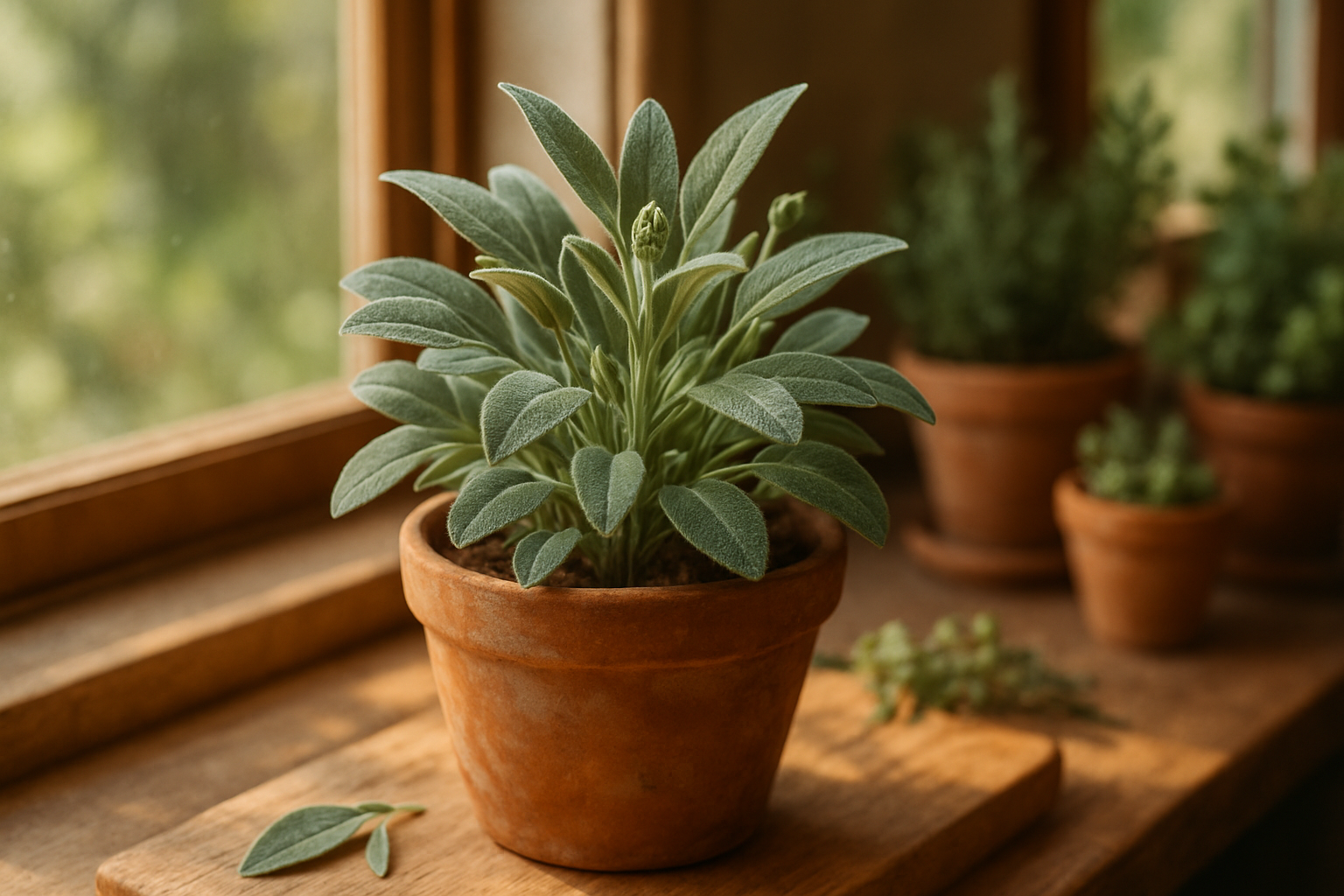
How to Grow Sage at Home (Beginner Guide) Start growing sage at home by choosing a sunny spot—this herb thrives with at least six hours of direct sunlight daily. Use well-draining soil, whether in your garden or a pot, to prevent root rot. Since sage seeds can be slow to sprout, many beginners prefer to … Lire la suite
Creeping vs Upright Sage Varieties

Introduction Sage (Salvia) has long been cherished by gardeners for its aromatic leaves, vibrant blooms, and ability to thrive in a range of climates. When it comes to choosing the right variety, the debate between creeping vs. upright sage often arises. With so many types available, knowing the difference can help you maximize both the … Lire la suite

Yellowing Sage Leaves: Causes and Fixes

Why Are My Sage Leaves Turning Yellow? Noticing your sage leaves turning yellow can be discouraging, but you’re not alone—this is a common concern for gardeners, whether you’re tending herbs on a sunny windowsill or growing a patch outdoors. Yellowing in sage leaves often signals that something isn’t quite right with your plant’s environment or … Lire la suite

Best Soil for Growing Sage

Why Grow Sage? & What Makes the Right Soil Important Sage is a versatile perennial herb celebrated for its bold, earthy flavor with hints of pine and citrus, making it a kitchen staple for seasoning poultry, sauces, and stuffings. Beyond cooking, sage is valued in gardens for its attractive silver-green leaves, resilience, and ability to … Lire la suite

Cooking with Fresh vs Dried Sage

Introduction Cooking with sage has been a cherished tradition in kitchens around the world, thanks to this herb’s earthy aroma and versatile flavor profile. But when your recipe calls for sage, should you reach for fresh leaves or that handy jar of dried sage in your pantry? It’s a common dilemma for home cooks and … Lire la suite

How to Grow Sage in Raised Beds

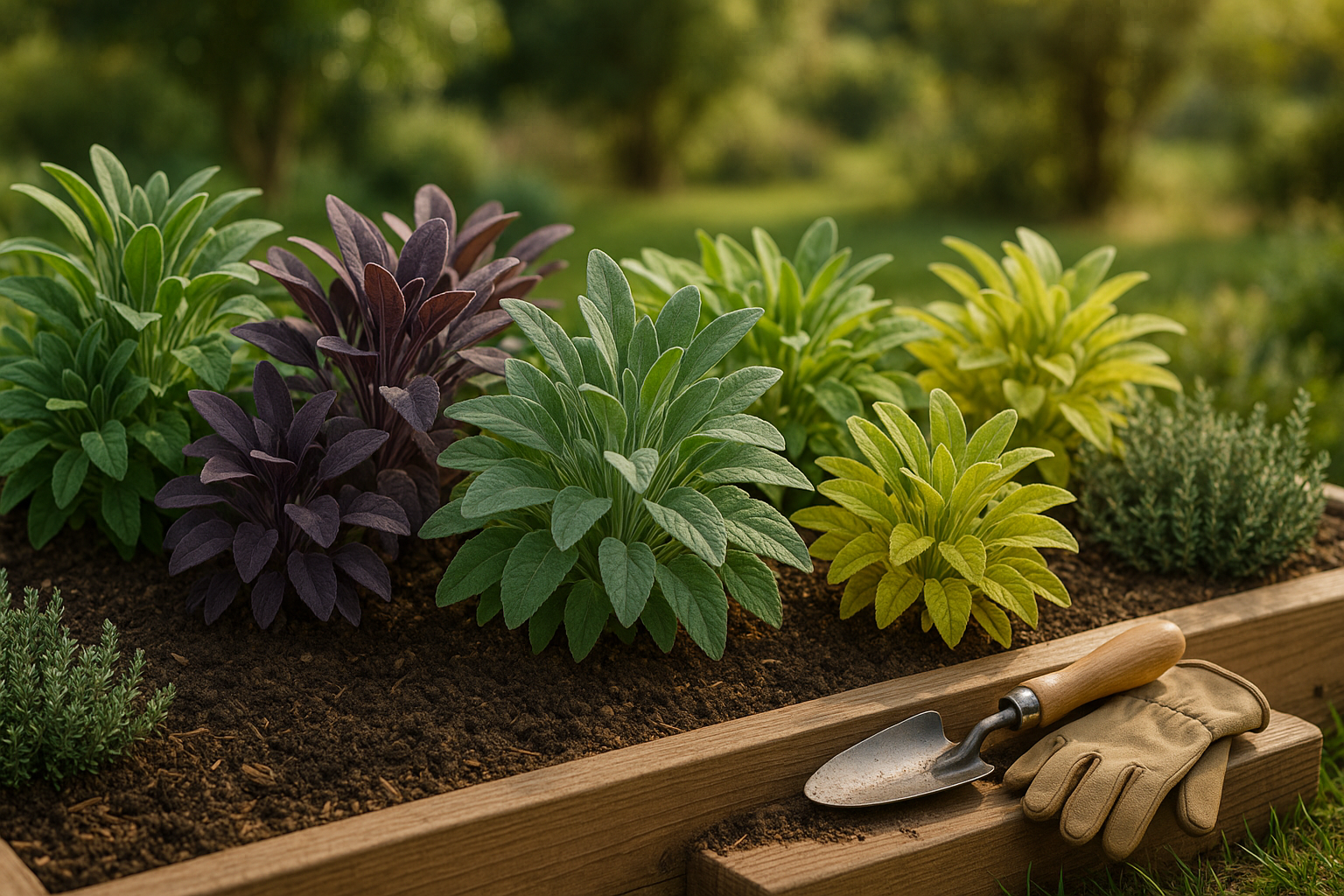
Introduction to Growing Sage in Raised Beds Growing sage in raised beds is a smart way to enjoy this versatile herb, known for its savory flavor in dishes and its long history of medicinal use. Whether you love adding fresh sage leaves to roasted meats or benefit from its calming herbal teas, growing your own … Lire la suite

Pruning Sage for Better Growth and Flavor

Why Pruning Sage Matters Sage is a beloved herb in both the kitchen and the garden, prized for its earthy aroma and its ability to elevate dishes like roasted meats, pasta sauces, and stuffing. In the garden, sage is a hardy perennial that adds texture and silvery-green color to beds while attracting pollinators. But to … Lire la suite

Growing Sage in Cold Climates

Understanding Sage’s Cold Hardiness Sage is well-known for its robust winter hardiness, but not all types handle cold temperatures equally. Several factors influence a sage plant’s resistance to cold, including its variety, age, soil drainage, and microclimate. The most common type, Salvia officinalis (garden or common sage), is typically hardy in USDA zones 4 to … Lire la suite

Companion Plants for Sage

Introduction to Sage Companion Planting Sage companion plants can make a world of difference in your herb garden, especially if you’re aiming for more robust growth, vibrant flavors, and fewer pests. Companion planting is a time-tested gardening method where you strategically grow certain plants together so they help each other thrive—sometimes by attracting beneficial insects, … Lire la suite

Fertilizing Sage for Stronger Growth

Understanding Sage’s Nutritional Needs Sage may be known for its hardiness and ability to thrive in less-than-perfect conditions, but providing proper nutrition can make a real difference in how well it grows, tastes, and looks. Even though sage can survive with minimal care, offering balanced nutrition helps the plant produce more abundant, flavorful leaves, better … Lire la suite