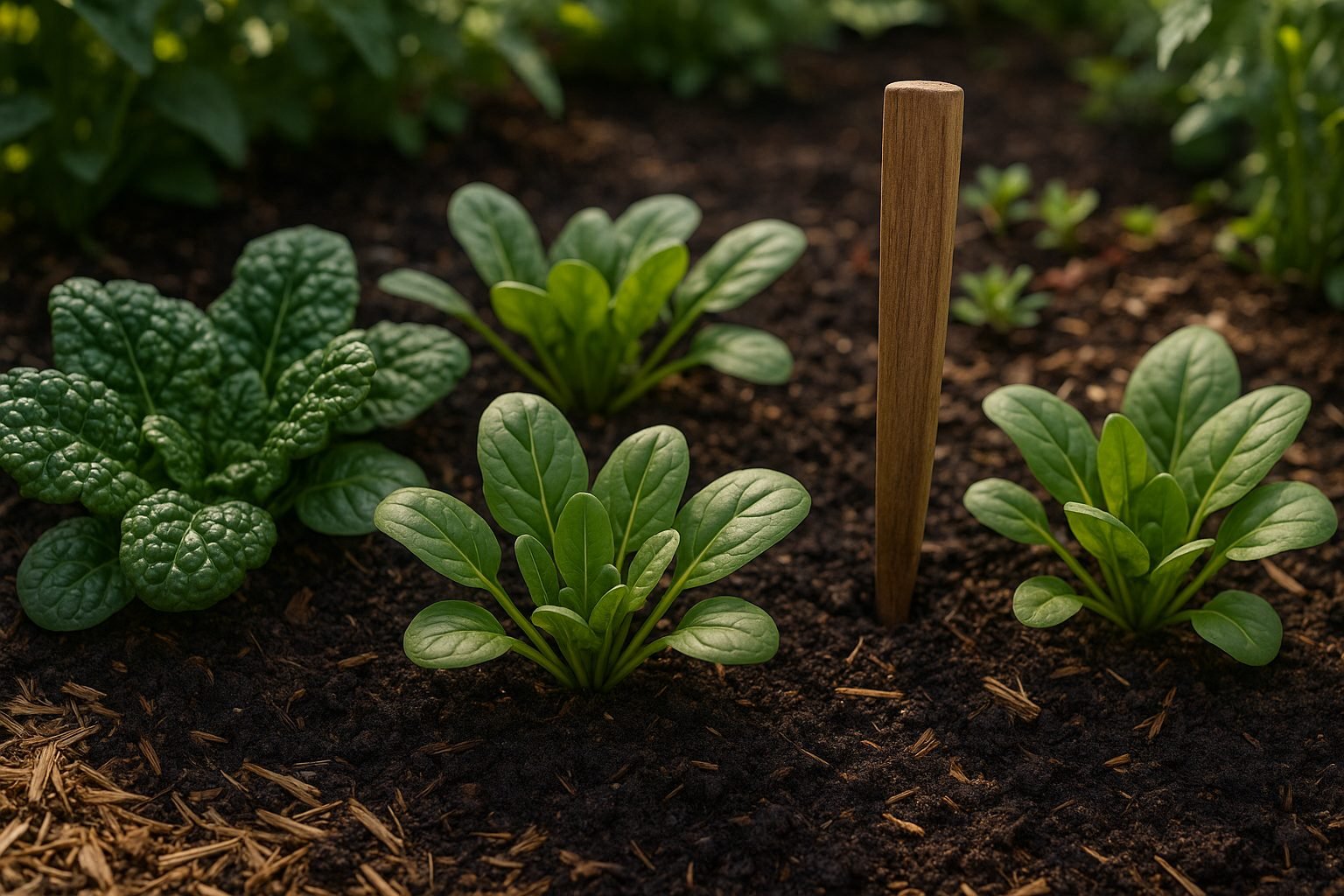
Choosing the Right Spinach Variety
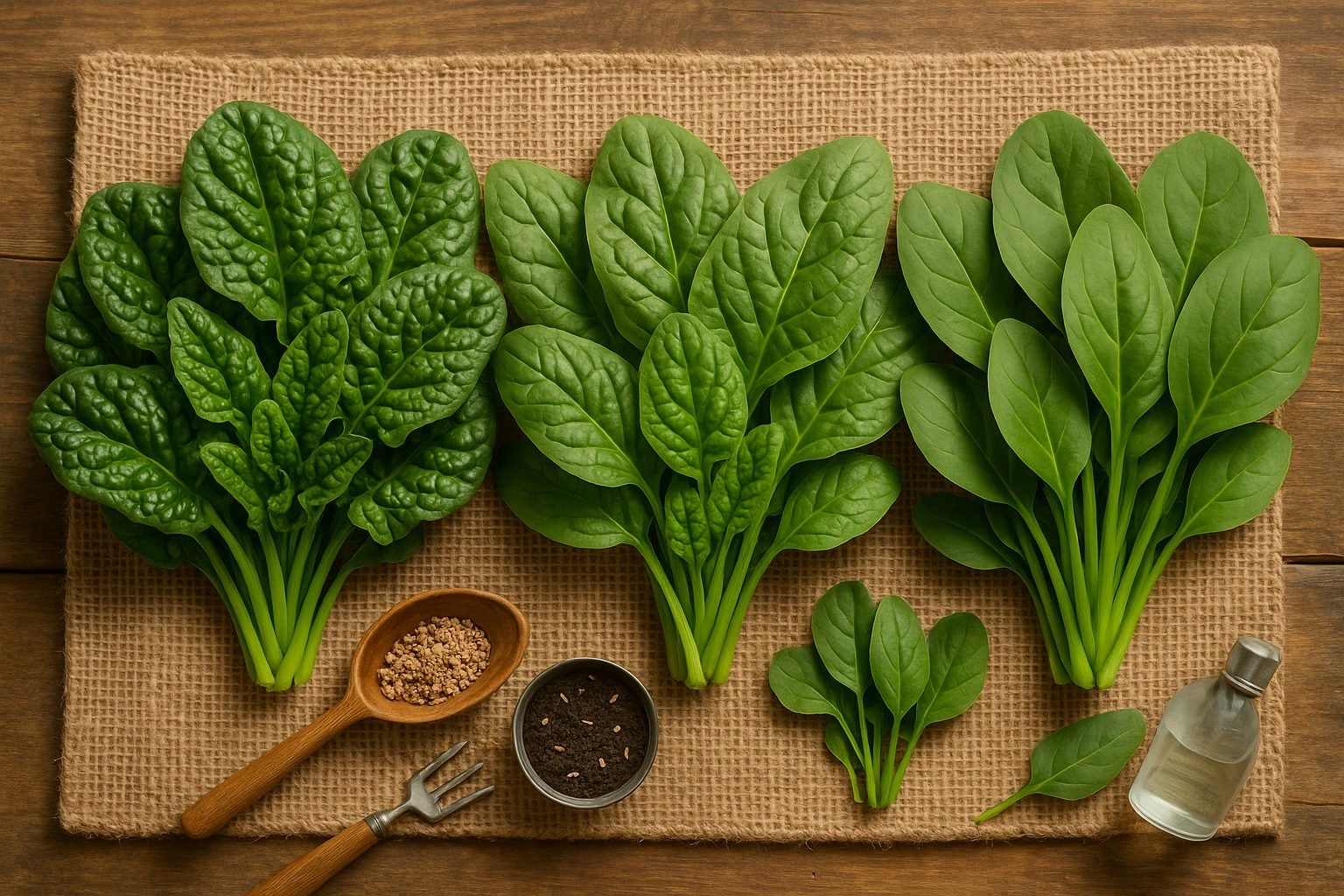
If you’re planning to direct sow spinach in your garden, choosing the right spinach variety is key to a successful harvest. Spinach comes in three main types: savoy, semi-savoy, and flat-leaf.
Savoy spinach has curly, deep green leaves and is known for its cold-hardiness, making it an excellent choice if you’re gardening in a cooler climate or starting early in spring. Semi-savoy varieties strike a balance with slightly crinkled leaves that are easier to wash and maintain, making them a favorite for both home growers and market gardeners. Flat-leaf spinach, on the other hand, boasts smooth, tender leaves that are perfect for salads and easy to clean—ideal if you want a quick kitchen-to-table option.
When selecting a variety, consider your local climate and flavor preferences. In northern regions with extended cool weather, varieties like ‘Bloomsdale Long Standing’ (savoy) thrive and offer robust, sweet leaves. If you’re gardening where the weather warms up quickly, look for bolt-resistant cultivars such as ‘Tyee’ (semi-savoy) or ‘Space’ (flat-leaf), which are bred to withstand early summer heat without going to seed too soon. These types are also great for gardeners who want to extend the spinach season and harvest continuously.
For those who crave fresh greens in summer, try “summer spinach” alternatives like Malabar spinach or New Zealand spinach. While not true spinach, these heat-loving greens provide a similar taste and texture when direct-sown after the soil has warmed.
Whether you prefer classic, crinkly savoy for hearty dishes, easy-wash flat-leaf for salads, or bolt-resistant hybrids for tricky climates, choosing the right variety ensures your direct-sown spinach effort is productive and satisfying. Remember, matching your spinach type to your growing conditions sets you up for crisp, delicious leaves all season long.
When and Where to Grow Spinach
Spinach thrives best in cool weather, making early spring and fall the ideal seasons for sowing. Aim to plant your seeds when daytime temperatures consistently range between 50°F and 70°F (10°C to 21°C), as spinach can bolt and become bitter during hotter summer months.
If you’re starting in spring, sow as soon as the soil is workable to get a jump on the season. In fall, plant seeds about six weeks before your area’s expected first frost.
Spinach prefers full sun but can also tolerate some light shade, especially in warmer climates. This helps protect the tender leaves from heat stress.
For in-ground gardens, choose a well-drained spot rich in organic matter, ensuring your spinach gets at least four to six hours of sun daily.
If space is limited, spinach adapts well to container gardening. Look for containers that are at least 6-8 inches deep and wide, as this allows room for healthy root growth.
Place containers on a sunny balcony or windowsill, and rotate them every few days to ensure even exposure. Hanging baskets or railing planters also work well for tiny spaces—just ensure they drain properly and aren’t exposed to mid-afternoon scorch.
With these tips, you can enjoy fresh homegrown spinach even with minimal space or less-than-ideal garden beds.
Preparing Soil and Planting Spinach
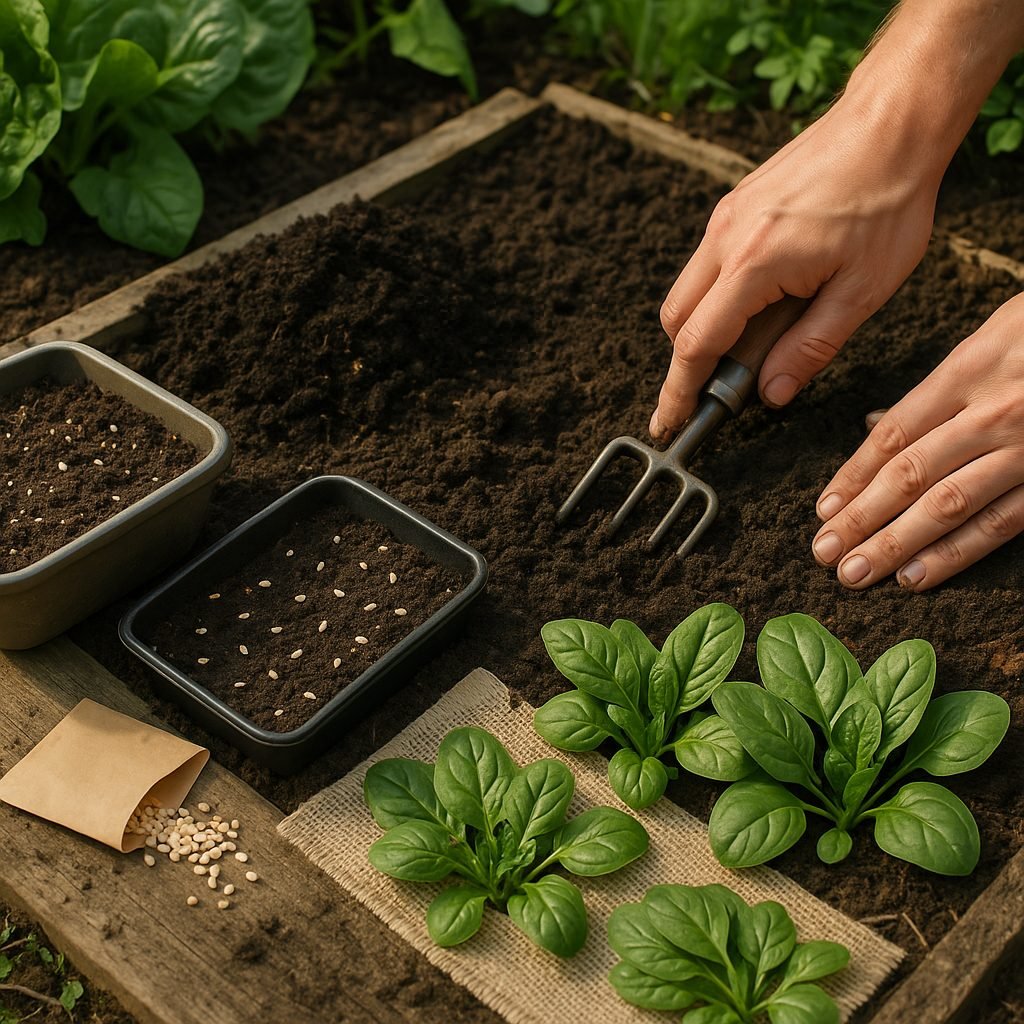
Healthy spinach starts with well-prepared soil, as this leafy green thrives in moist, fertile ground that drains well. Aim for loamy soil rich in organic matter—think compost or well-rotted manure—which helps keep the soil loose for root growth and holds the right amount of moisture.
Before planting, loosen your garden bed to at least 8 inches deep and mix in several inches of compost. If you’re using containers, select one that’s at least 6 inches deep with drainage holes, and use a high-quality potting mix blended with compost. Avoid heavy clay soils or sandy types unless you heavily amend them with organic matter for better structure and water retention.
For best results, test the pH; spinach prefers soil that’s slightly acidic to neutral, around 6.0–7.0. If your soil is alkaline, mix in sulfur to lower the pH; for acidic soils, a little garden lime helps.
When your bed or containers are ready, decide if you’ll sow seeds directly or start them indoors.
Direct Sowing
For direct sowing, plant spinach seeds about half an inch deep and 2–4 inches apart in rows 12 inches apart—don’t crowd them! Water thoroughly and keep the soil consistently damp but never soggy.
Indoor Seed Starting
Indoor seed starting is useful for early crops. Fill seed trays or pots with moist potting mix, sow one to two seeds per cell at the same depth, and lightly cover with soil. Place trays in a cool but sunny area (spinach seeds germinate best between 50–70°F; avoid heat mats).
When seedlings produce two true leaves, thin them to one per cell, and harden them off by gradually introducing them to outdoor conditions before transplanting 4–6 inches apart outdoors.
Finally, mulch with straw or leaves to retain moisture, deter weeds, and keep roots cool—a critical tip for gardeners in warmer climates. Following these steps gives your spinach the best start for a prolific and healthy harvest.
Growing and Caring for Spinach Plants
Watering spinach consistently is key to lush, tasty leaves—aim to keep the soil evenly moist but never soggy. Early morning watering helps minimize evaporation and discourages fungal diseases, especially in warmer weather.
As temperatures rise, spinach plants can bolt, sending up flower stalks and turning leaves bitter. To prevent this, provide partial afternoon shade using row covers or by planting alongside taller crops, and keep roots cool by mulching with straw or shredded leaves.
Mulch also suppresses weeds, but you’ll want to regularly check for intruders and gently hand-pull them since spinach roots are shallow and easily disturbed. Thinning seedlings to 2-4 inches apart allows remaining plants more space for leaf growth and better airflow, reducing the risk of disease.
For fertilizing, opt for organic methods like side-dressing with compost or using a diluted fish emulsion every few weeks to support leafy growth without causing a buildup of salts.
Keep an eye out for common pests like aphids or leaf miners; you can deter these organically by encouraging natural predators such as ladybugs, applying neem oil, or using lightweight row covers.
Integrating these care habits ensures your spinach stays productive, healthy, and free from bitter surprises even as the weather warms up.
Harvesting and Storing Spinach
Knowing when to harvest spinach is key to enjoying its best flavor and tenderness. Look for young, vibrant green leaves that are about three to four inches long—these are typically the sweetest for salads and cooking. Avoid waiting too long, as larger, older leaves can turn bitter and tough.
Use sharp scissors or garden shears to snip the outer leaves, leaving the inner leaves and crown intact. This “cut-and-come-again” method allows the plant to keep producing new leaves every few days, making it easy to enjoy multiple harvests from a single planting.
For an even more continuous yield, consider succession planting—sowing new seeds every two or three weeks—so you always have fresh spinach coming up as older plants start to slow down.
Once harvested, it’s important to store spinach properly to maximize its shelf life:
- Rinse the leaves gently.
- Dry them thoroughly using a salad spinner or kitchen towel.
- Wrap them loosely in a paper towel before placing in a perforated plastic bag or container in the refrigerator.
Stored this way, spinach can stay fresh and crisp for up to a week. For longer storage, blanch and freeze spinach in small portions—perfect for tossing into smoothies or cooked dishes later on.
With these simple steps, you can enjoy a ready supply of delicious homegrown spinach throughout the season.
Common Problems and Solutions
Growing spinach can be rewarding, but gardeners often face a few common challenges along the way. Pests like aphids and leaf miners are frequent culprits—aphids cluster on young leaves, sucking sap and leaving plants wilted, while leaf miners tunnel inside the leaves, creating winding, whitish trails.
To keep them at bay, regularly inspect your spinach and wash off aphids with a strong spray of water, or introduce beneficial insects like ladybugs to handle infestations naturally. Floating row covers can also help prevent adult leaf miners from laying eggs.
Disease is another issue; downy mildew and fusarium wilt often occur in overly damp conditions. To avoid this, water early in the day to give leaves time to dry and make sure your beds have good air circulation.
Besides pests and diseases, spinach may bolt—sending up flower stalks and turning bitter—if it gets too warm or daylight hours grow too long. Planting heat-resistant varieties and providing partial shade in warmer months can help prevent this.
Yellowing leaves might mean overwatering, poor soil drainage, or nutrient deficiencies; always check your soil’s moisture and enrich it with compost before planting.
For poor germination, be aware that spinach seeds need cool soil and can rot or fail to sprout in temperatures above 75°F (24°C). Pre-soak seeds for a day, sow them shallowly, and keep soil consistently moist—not soggy—until seedlings emerge.
By being observant, encouraging beneficial insects, using clean water practices, and optimizing planting times and soil conditions, you can sidestep most spinach problems and enjoy vibrant, healthy greens throughout the season.
Tips for Success & Getting Involved
Maximizing your garden’s yield goes beyond just planting seeds—it’s about smart timing and building connections. Try succession planting: as soon as one crop is harvested, pop another into that space to keep your beds productive all season long. Companion planting is another great trick; for example, grow basil near tomatoes to naturally deter pests and boost flavor.
Don’t overlook the power of community, either! Joining local gardening groups or online forums like Gardeners’ World or Reddit’s r/gardening connects you with fellow green thumbs, where you can swap seeds, troubleshoot problems, and celebrate your harvests together.
Stay curious and always keep learning—resources like the Royal Horticultural Society (RHS) website offer expert advice on plant care, while YouTube tutorials and gardening podcasts can deliver fresh tips right to your phone. By combining clever planting strategies and community support, you’ll not only grow more but enjoy the journey even more.