Introduction
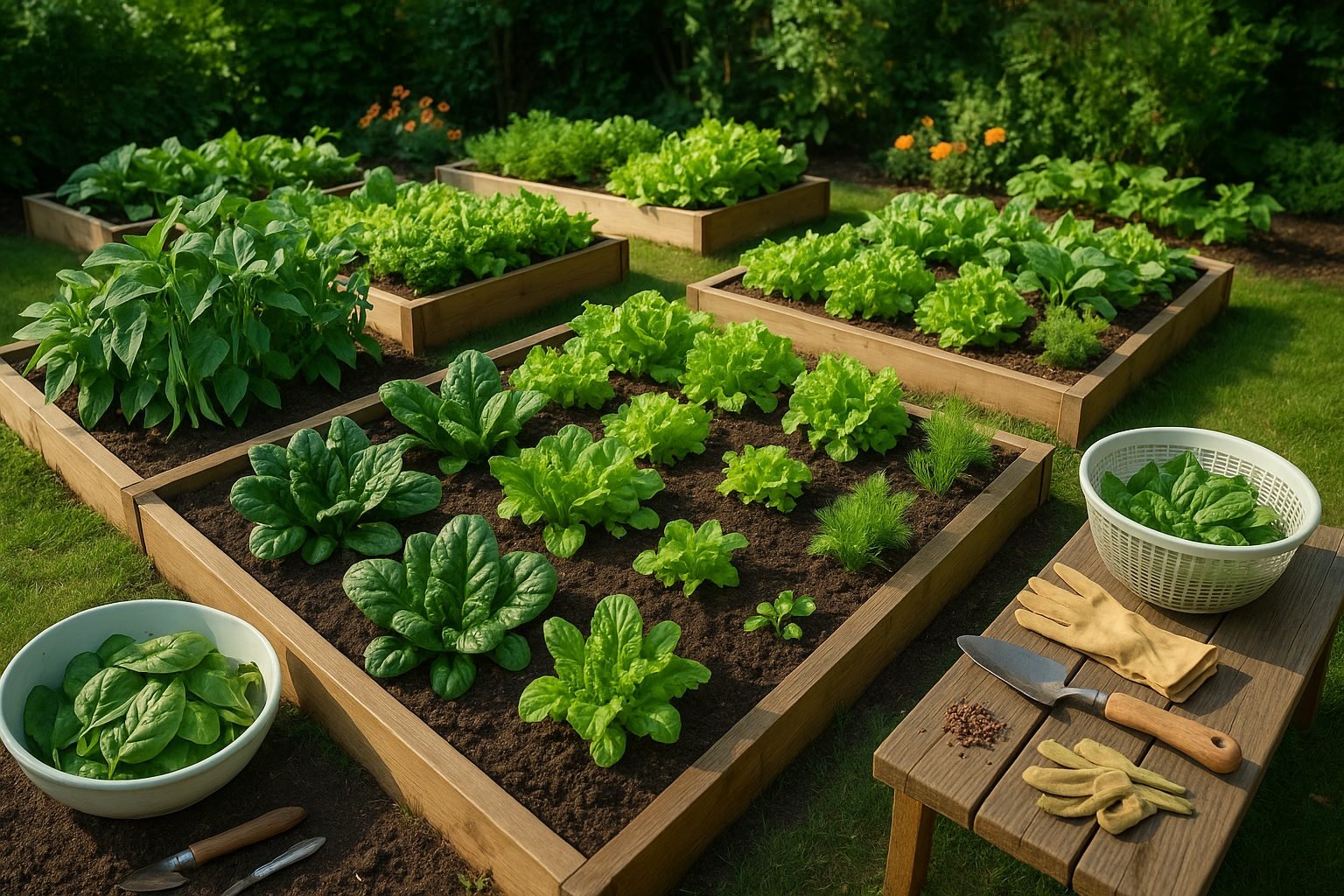
spinach crop rotation is a simple yet powerful strategy that every home gardener should have in their toolkit. Crop rotation involves changing what you grow in each garden bed from season to season—an approach that helps replenish nutrients, reduce pests, and maintain healthy soil. Spinach, a cool-season favorite, is known for its rapid growth and tender, nutrient-packed leaves. However, this popular leafy green draws specific nutrients from the soil, and planting it in the same spot year after year can deplete those resources and increase the risk of disease. That’s why understanding how to rotate crops after a spinach harvest is so important.
Many gardeners ask, “What should I plant next?” after harvesting spinach. Choosing the right follow-up crop can make a big difference, not only for your next planting but for the overall vitality of your garden. This article will guide you through smart choices and practical tips for spinach crop rotation. You’ll discover which plants grow best after spinach, how to improve soil health, and ways to avoid common crop rotation mistakes—helping you enjoy healthier, more abundant harvests for seasons to come.
Why Rotate After Spinach? Common Issues to Avoid
Rotating crops after growing spinach is essential for maintaining healthy, productive garden beds. Planting spinach—or closely related leafy greens—in the same spot repeatedly quickly depletes specific soil nutrients, especially nitrogen and certain micronutrients that fast-growing leafy plants need. This nutrient drain can leave the soil exhausted, making it harder for future crops to thrive without heavy fertilization. Over time, the soil’s structure may also become compacted, particularly if intensive spinach production isn’t balanced with regular additions of organic matter.
Spinach is also highly susceptible to a range of pests and diseases, such as downy mildew, Fusarium wilt, and leaf miners. Continuously growing spinach in the same area allows these problems to worsen, as pathogens and insects accumulate in the soil and surrounding debris, ready to attack your next planting. For instance, downy mildew can persist in the soil and infect future crops, resulting in poor yields or even crop loss.
Spinach crop rotation breaks this harmful cycle by changing the “host” for these pests and pathogens, giving your garden time to recover and reducing the chance of outbreaks. By moving spinach to a new location each season and following it with less vulnerable or unrelated crops, you keep both your soil and plants healthier. As a bonus, planning your crop rotation thoughtfully—such as planting legumes or root vegetables after spinach—can boost soil fertility and overall garden resilience, leading to bigger, stronger harvests year after year.
Understanding Spinach’s Nutrient Demands
Spinach is a fast-growing leafy green known for drawing large amounts of nutrients from the soil, especially nitrogen, which is crucial for its lush foliage and rapid development. Since spinach is harvested for its leaves rather than roots or fruits, it has a constant demand for nitrogen throughout its growth cycle. While phosphorus and potassium are also important, nitrogen is the key nutrient that supports those dark green, tender leaves we love.
When you plant spinach in the same spot season after season, the soil quickly becomes depleted of nitrogen. This leads to stunted or pale plants in your next crop—particularly if it’s another leafy vegetable or a nitrogen-hungry plant. After spinach, any subsequent planting in the same bed risks poor growth, lower yields, and increased susceptibility to pests and disease, all because the soil can’t keep up with the intense nutrient demands.
To avoid these issues, gardeners practicing spinach crop rotation should add organic amendments after harvesting spinach. Well-rotted manure, compost, or a balanced organic fertilizer can help restore nitrogen and other essential nutrients to the soil. Some gardeners use blood meal or alfalfa meal for a quick nitrogen boost, especially if planning to plant heavy feeders afterward.
For a more sustainable approach, planting a legume cover crop like peas or beans after spinach naturally replenishes nitrogen levels, setting the stage for healthy, productive crops in the next rotation.
Best Crops to Plant After Spinach
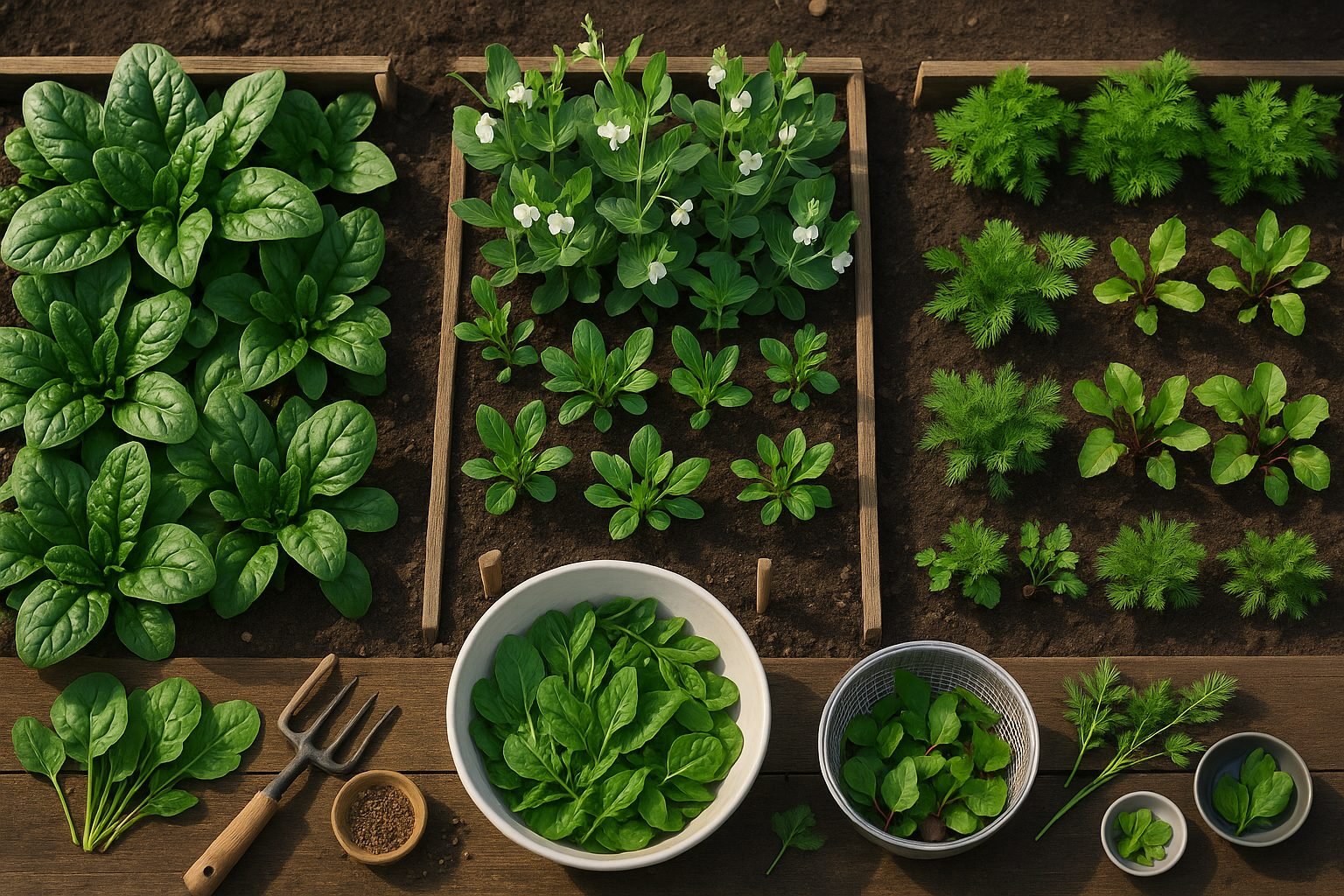
After harvesting spinach, choosing the right crops is key to maintaining healthy, productive soil and maximizing your garden’s yield. Legumes like beans and peas are excellent options for your spinach crop rotation because they fix nitrogen in the soil, replenishing and even boosting the nutrients that spinach uses during its quick leafy growth. Beans, especially bush or pole varieties, work well in gardens of all sizes and require minimal preparation if the spinach has left the soil loose and aerated. Peas, which are also cool-season crops like spinach, make a great early spring follow-up if your climate supports back-to-back cool crops, or you can opt for heat-tolerant bean varieties for summer planting.
Root vegetables such as carrots and beets are also great to grow after spinach. Since spinach tends to loosen the soil as it matures and has shallow roots, it creates the perfect conditions for these deeper-rooted plants. Carrots thrive best in friable, well-tilled soil, so planting them after spinach means less effort prepping the bed. Beets benefit from the weed-free, nutrient-rich environment left behind by spinach, which doesn’t compete heavily for nutrients like phosphorus and potassium—both essential for root development.
Tomatoes are another rewarding follow-up crop, especially if you’re rotating with fruiting plants. Spinach generally doesn’t carry soil-borne diseases common to tomatoes (such as early blight), making it a natural predecessor. Since tomatoes are heavy feeders, they’ll appreciate the balanced nutrients left after spinach, though adding a bit of compost before planting can give your tomatoes an extra boost for better fruit production.
When deciding which crops to plant after spinach, consider your overall garden plan and local climate. In cooler areas, root vegetables or peas might be the best choice, while in warmer regions, beans or tomatoes can flourish after an early spinach harvest. Staggering planting times helps keep your beds productive and naturally breaks disease and pest cycles—one of the biggest benefits of practicing spinach crop rotation. Ultimately, selecting crops that complement each other’s nutrient needs and growth habits will keep your garden healthy and productive all season long.
“`html
Crops to Avoid Planting After Spinach
When planning spinach crop rotation, it’s important to avoid planting closely related crops immediately after harvesting spinach. Spinach belongs to the Amaranthaceae family, which also includes beets, Swiss chard, and amaranth. These crops share similar nutrient needs, especially a high demand for nitrogen, and planting them consecutively can deplete the soil of essential nutrients.
More importantly, these crops are vulnerable to many of the same soil-borne diseases and pests, such as downy mildew and leaf spot. This increases the risk of recurring issues if rotated too soon. For example, fungal spores and nematodes that affected your spinach can easily thrive if beets or chard are planted right after.
To maintain healthy soil and reduce disease buildup, it’s best to wait at least 2 to 3 years before planting any crop from the Amaranthaceae family in the same plot where spinach was grown. Instead, use this time to rotate with unrelated vegetable families, like brassicas (such as broccoli or cabbage) or legumes (like beans). These plants help replenish soil nutrients and break pest and disease cycles.
By following these guidelines and avoiding related crops in your spinach crop rotation, you’ll promote soil health and set the stage for a productive garden year after year.
“`
Soil Care Between Rotations
After harvesting a spinach crop, practicing good soil care is essential for maintaining long-term garden health and success with your spinach crop rotation. Begin by amending your soil with organic matter, such as well-rotted compost or aged manure, to replenish nutrients that spinach may have depleted during its rapid leafy growth phase. This not only boosts fertility but also enhances soil structure and moisture retention.
Adding a balanced organic fertilizer tailored to the needs of your next crop helps fill any nutrient gaps and keeps your rotation on track. Cover cropping—planting fast-growing plants like clover, vetch, or rye—during the soil’s resting period can be especially beneficial. These cover crops add organic matter, prevent erosion, fix nitrogen (especially legumes), and suppress weeds, providing a natural boost before planting your next main crop.
Soil testing is an often-overlooked but valuable step: test your soil’s pH and nutrient levels after harvesting spinach and before planting a new crop. This way, you’ll know exactly what amendments are needed and can correct imbalances early, saving you trouble later on.
Another smart strategy is mulching the soil with straw, shredded leaves, or grass clippings after the spinach harvest if you’re not planting immediately. Mulch helps retain moisture, suppress weeds, and adds organic matter as it breaks down. If space allows, simply resting the soil for a season—sometimes called “fallowing”—lets natural microbial life recover and disrupts pest and disease cycles, giving your future crops a strong, healthy start.
Sample Crop Rotation Plans Featuring Spinach

When planning a spinach crop rotation for your home garden, a simple four-year cycle is easy to manage and helps keep the soil healthy. In Year 1, start with spinach in your chosen bed in early spring to take advantage of its preference for cool weather. Follow it with a summer crop like beans, which fix nitrogen and rejuvenate the soil—bush beans are especially good for small spaces.
In Year 2, move spinach to a new bed and plant root vegetables such as carrots or beets in the original spinach space. Root crops benefit from the loose soil left by the previous greens and don’t deplete much nitrogen.
Year 3 should be dedicated to fruiting vegetables like tomatoes or peppers. These heavy feeders use up nutrients left from the legumes and prepare the soil for a lighter crop like spinach the following year.
For Year 4, plant a member of the cabbage family—try kale, broccoli, or radishes. These brassicas help break disease cycles and tolerate conditions left by spinach or root crops.
No matter your climate or garden size, this sequence can be adapted: use shorter cycles for limited space, or swap in heat-loving crops if you garden in a warm zone. For raised beds, let each square foot follow this rotation, or interplant a few spinach leaves along rows of slower-growing crops.
Even a small balcony garden with container veggies can benefit from rotating spinach with herbs, lettuces, and dwarf beans in succession, giving your crops a better chance against pests and soil fatigue.
Conclusion & Quick Reference Table
Rotating crops after growing spinach is a simple yet effective way to maintain a healthy garden. By varying what you plant, you prevent soil-borne diseases, disrupt pest cycles, and enhance soil fertility for future crops. After a spinach crop, gardeners can confidently plant beans, peas, carrots, onions, or tomatoes, all of which thrive in enriched, less disease-prone soil. However, it’s best to avoid planting beets, Swiss chard, or another round of spinach immediately after, as they share similar pests and nutrient requirements. Thoughtful spinach crop rotation promotes strong, productive plants and supports a vibrant, sustainable garden year after year.
Quick Reference:
- Plant After Spinach: beans, peas, carrots, onions, tomatoes
- Avoid After Spinach: beets, Swiss chard, spinach