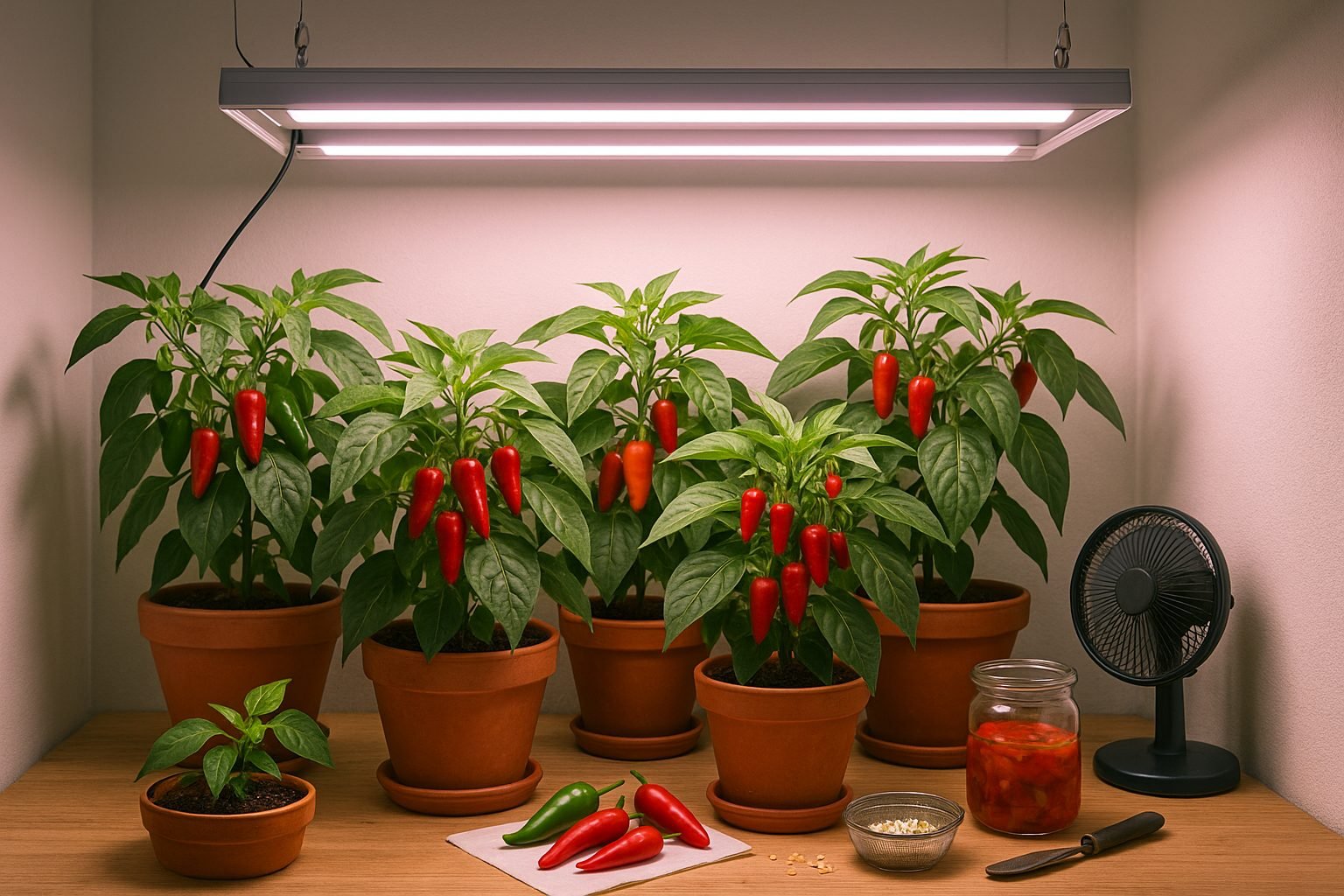
Introduction to Grow Lights for Peppers
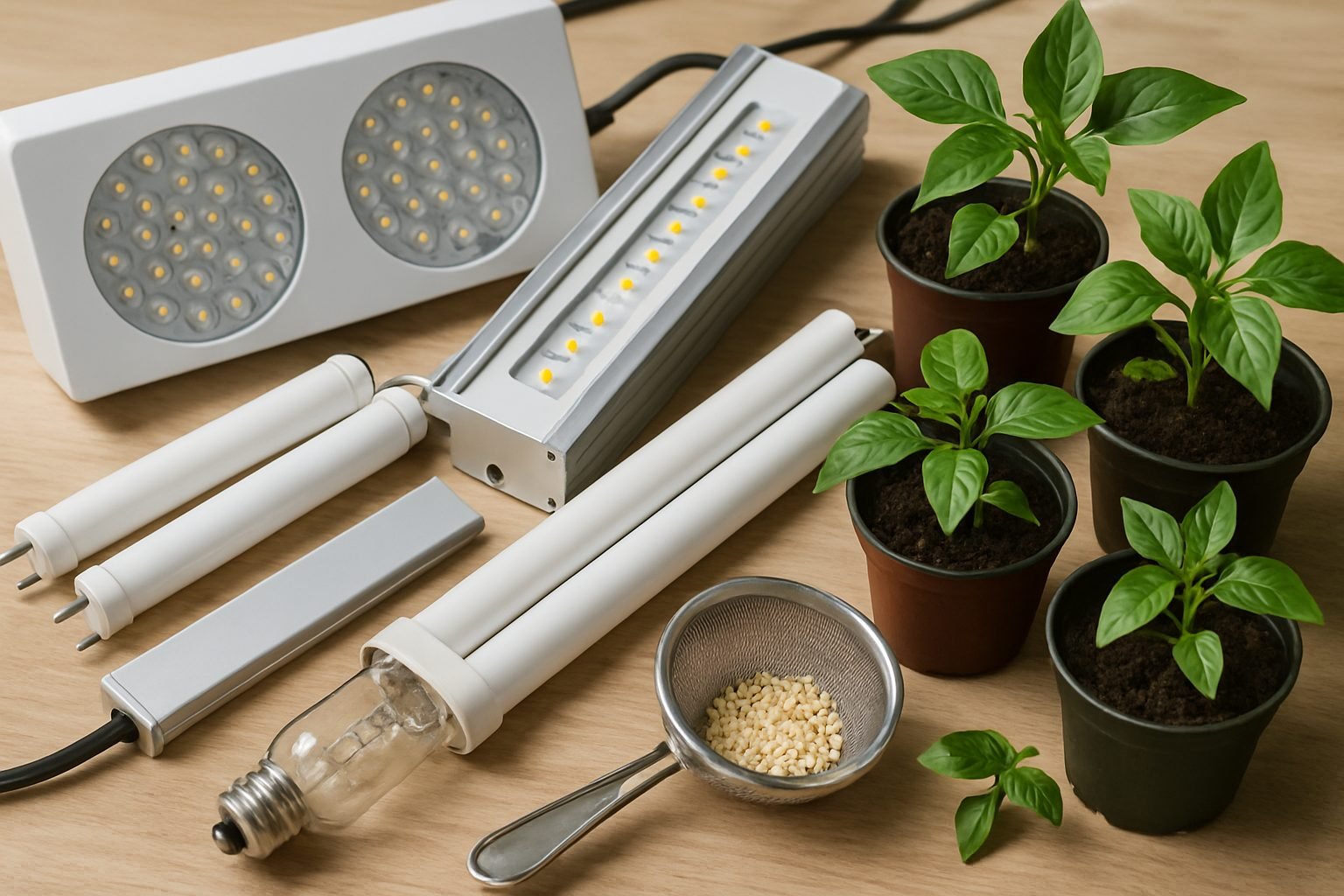
Using grow lights for hot peppers is a game-changer for anyone passionate about growing these fiery favorites indoors. If you’ve ever tried raising pepper plants inside, you know that natural sunlight streaming through a window rarely delivers what they need—especially during gloomy winters or in apartments. Peppers thrive on abundant, direct light for the best yields and strong, lush foliage. That’s where quality grow lights come in, offering a powerful solution so you can harvest spicy jalapeños, vibrant habaneros, or rare superhots any time of the year.
Grow lights for hot peppers do more than just keep plants alive—they encourage bushier growth, reduce spindly stems, speed up fruiting, and can even pack more heat into your harvest. With the right lighting setup, you can start pepper seeds earlier, stagger your harvests, and enjoy a continuous supply of fresh peppers to liven up your meals. This is especially handy for urban gardeners, hobbyists with little outdoor space, or anyone obsessed with specialty pepper varieties that need just the right conditions.
The good news? There’s a wide array of grow lights to suit different budgets and plant spaces—ranging from compact LEDs and energy-efficient T5 fluorescent bulbs to robust HID (high-intensity discharge) systems that mimic full daylight. But choosing the right option isn’t always obvious. In this article, we’ll break down the most popular types of grow lights for hot peppers, explore their pros and cons, and help you select a model tailored to your indoor gardening setup. Whether you’re looking to boost yields on a sunny windowsill or set up a fully equipped indoor grow tent, our guide will light the way to healthier, more productive pepper plants—no matter the season.
Understanding the Light Needs of Pepper Plants
Pepper plants thrive when given the right amount and type of light, but their needs shift throughout their growth stages. Young seedlings require gentle, consistent light—about 12 to 16 hours daily—from a cool white or full-spectrum LED. This mimics natural sunlight and supports healthy root and leaf development without causing stress.
As peppers enter the vegetative stage, they crave brighter, stronger light with a higher blue spectrum component. Aim for at least 14 to 16 hours daily to promote bushy, leafy growth.
When flowering and fruiting begin, peppers benefit from light that has more red spectrum, encouraging robust blossom and fruit set. At this stage, keeping your lights on for 12 to 14 hours a day works best, and supplemental red LED bulbs can help maximize yields.
For all stages, keep lights close—just a few inches above the canopy—but far enough to avoid leaf burn. A simple tip is to monitor your plants: if they grow tall and spindly, increase light intensity or lower your fixture; if leaf edges turn brown, raise your lights slightly.
Using an inexpensive timer to automate lighting schedules can be a game changer, ensuring peppers get consistent light every day—essential for indoor success.
LED Grow Lights – A Modern Solution
LED grow lights have revolutionized indoor gardening by providing plants with the right type and amount of light needed for healthy growth, especially for demanding crops like peppers. Unlike traditional fluorescent lights, LEDs are highly energy-efficient, converting more electricity into usable light while generating less heat. This means you can save on energy bills and reduce the risk of overheating your pepper plants.
LEDs also let you fine-tune the light spectrum, allowing for optimal red and blue wavelengths that peppers crave during different growth stages—something fluorescents can’t offer with the same precision. Plus, LEDs typically last much longer, saving you the cost and hassle of frequent bulb replacements.
When choosing an LED grow light for peppers, consider the wattage to ensure you have enough coverage (a good rule is about 30-40 watts per square foot for fruiting plants) and check the recommended hanging distance to avoid light burn. Features like dimmable switches and adjustable spectrum settings are handy for adapting to your peppers’ specific needs throughout their lifecycle.
Notable models such as the Spider Farmer SF series, Mars Hydro TS, and ViparSpectra Pro series have earned positive feedback from experienced pepper growers, offering dependable performance and adjustable options for hobbyists and serious gardeners alike.
Fluorescent Grow Lights for Peppers
Fluorescent grow lights, especially T5 and T8 tubes, have been a staple for pepper growers for decades thanks to their affordability and gentle light spectrum. T5s, being higher output and slimmer, are more efficient than T8s, making them ideal for seed starting and nurturing young pepper plants indoors.
Historically, these lights have helped hobbyists and small-scale gardeners germinate robust seedlings during gloomy seasons or in spaces without natural sunlight. Fluorescents offer several benefits:
- Low upfront cost
- Cool operation that reduces the risk of burning
- Widespread availability
However, compared to modern LED lights, they consume more electricity, offer lower overall intensity, and need closer placement (2-4 inches above plants) to avoid leggy seedlings. While LEDs outperform fluorescents for fruiting or larger plants due to their efficiency and tailored spectra, fluorescents still shine in compact setups like shelves, closets, or seed-starting trays.
To get the most out of your fluorescent setup, run the lights for 14-16 hours daily (using an outlet timer helps), and adjust the fixture height regularly as plants grow. When your peppers outgrow the limited intensity of fluorescents—especially if you plan to move them outdoors or under stronger lights—gradually acclimate them by increasing exposure to brighter conditions over a week. This reduces transplant shock and prevents leaf scorch, setting your peppers up for healthy, vigorous growth.
Setting Up an Indoor Pepper Grow Space
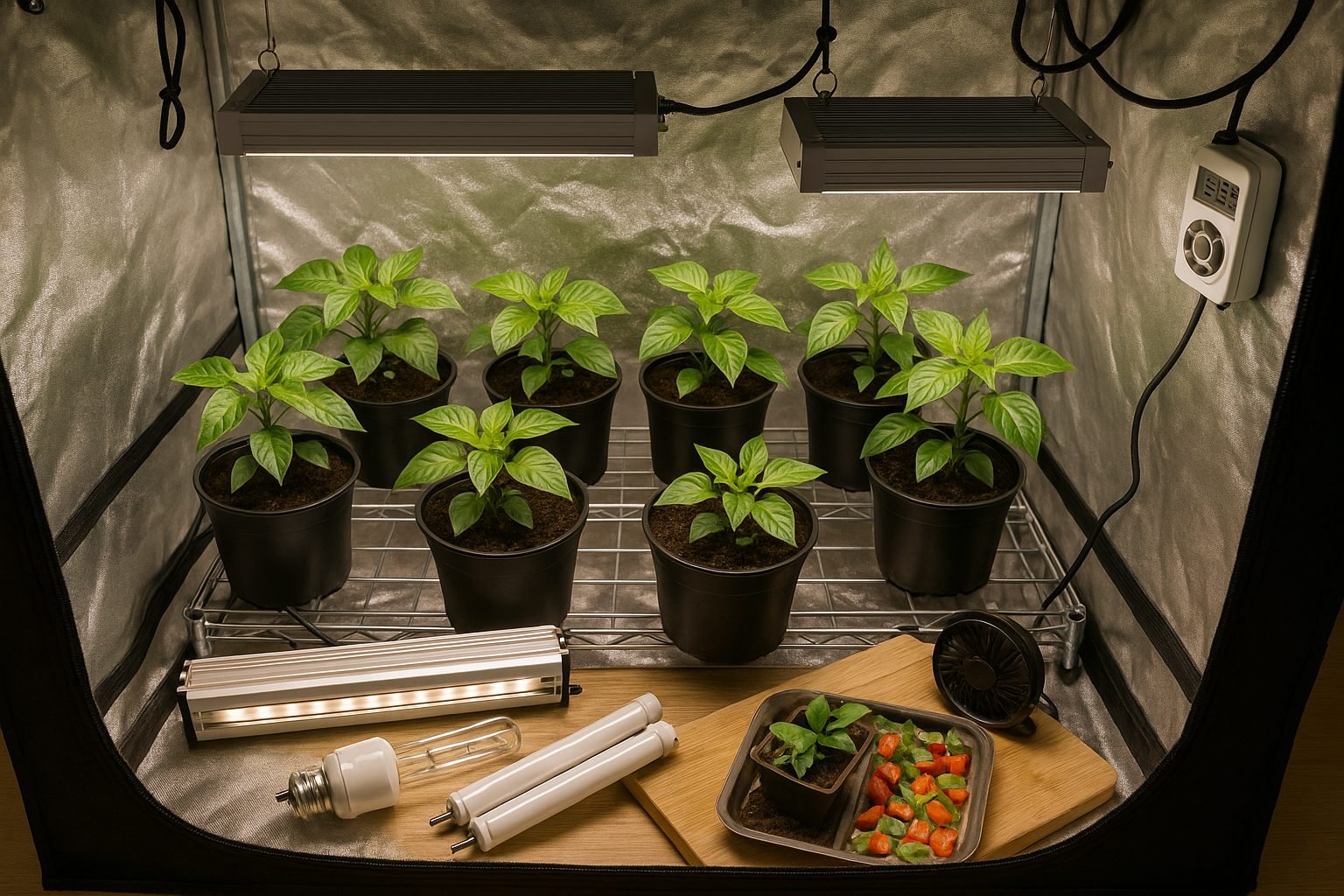
Creating an indoor grow space for your peppers starts with choosing a suitable area—this could be a dedicated grow tent for better environmental control or an open spot like a spare room or corner. Whichever you choose, maximize light reflection by adding Mylar sheets or even simple white walls to boost your setup’s efficiency.
Good airflow is essential, so set up a small fan or a basic ventilation system to prevent stale air and help manage humidity.
When arranging grow lights (LED or fluorescent work well), hang them 12–24 inches above your pepper plants and adjust the height as they grow to make sure all plants get even light without getting scorched. A common mistake is placing lights too close, causing leaf burn, or too far, which can make plants stretch and grow leggy—check daily and move lights as needed.
To streamline your indoor garden, invest in affordable accessories like timers, which automate your light cycles (aim for 14–16 hours on, 8–10 hours off), and consider a light meter to ensure corners aren’t getting left in the dark. These small steps make it much easier to keep your indoor pepper patch thriving and productive, saving you hassle and improving your chances of success.
Common Problems & Troubleshooting with Grow Lights
If your pepper plants are getting too much light, you’ll notice symptoms like leaves turning pale, yellow, or crispy at the edges—especially if they’re directly under the bulb. On the flip side, too little light often results in leggy growth, where plants stretch tall and thin, and leaves look smaller and darker.
A quick fix for too much light is to raise the grow light a few inches or shorten the daily exposure time, aiming for 12–16 hours of light per day. If your plants seem starved for light, you can lower the fixture closer—just make sure it’s not so close that heat becomes a problem—or try switching to a bulb with a higher wattage or a full-spectrum LED.
Some gardeners wonder if it’s okay to mix different types of lights—like combining fluorescent and LED bulbs—and the answer is yes; this can even help mimic natural sunlight and support better growth.
If you’re thinking about upgrading your lighting setup, the best time is just before the plants start to flower, since that’s when peppers need the most energy.
Remember, healthy pepper plants should look bushy and vibrant—not spindly or scorched—so adjust your lights whenever you see those early problem signs.
Conclusion & Next Steps for Growers
Proper lighting can make all the difference when it comes to thriving indoor peppers—it’s the key to healthy growth, strong flowering, and bountiful harvests. There’s no single “perfect” setup, so don’t be afraid to experiment with different bulbs, heights, and schedules to find what works best in your unique space.
If you’re just starting out, begin with a reliable full-spectrum LED grow light, place it about 12–18 inches above your plants, and use a simple timer to maintain 12–16 hours of light per day. For those ready to upgrade, consider investing in lights with adjustable spectrums or smart controls for fine-tuning as your peppers mature.
No matter your approach, keep a close eye on your plants—yellowing leaves, leggy stems, or poor fruit set can all signal lighting issues. Adjust brightness or distance if needed, and always watch how your peppers respond. With regular checks and small tweaks, you’ll build the know-how to optimize your setup and enjoy healthy, productive pepper plants all year round.