How Many Peppers Can You Expect Per Plant?

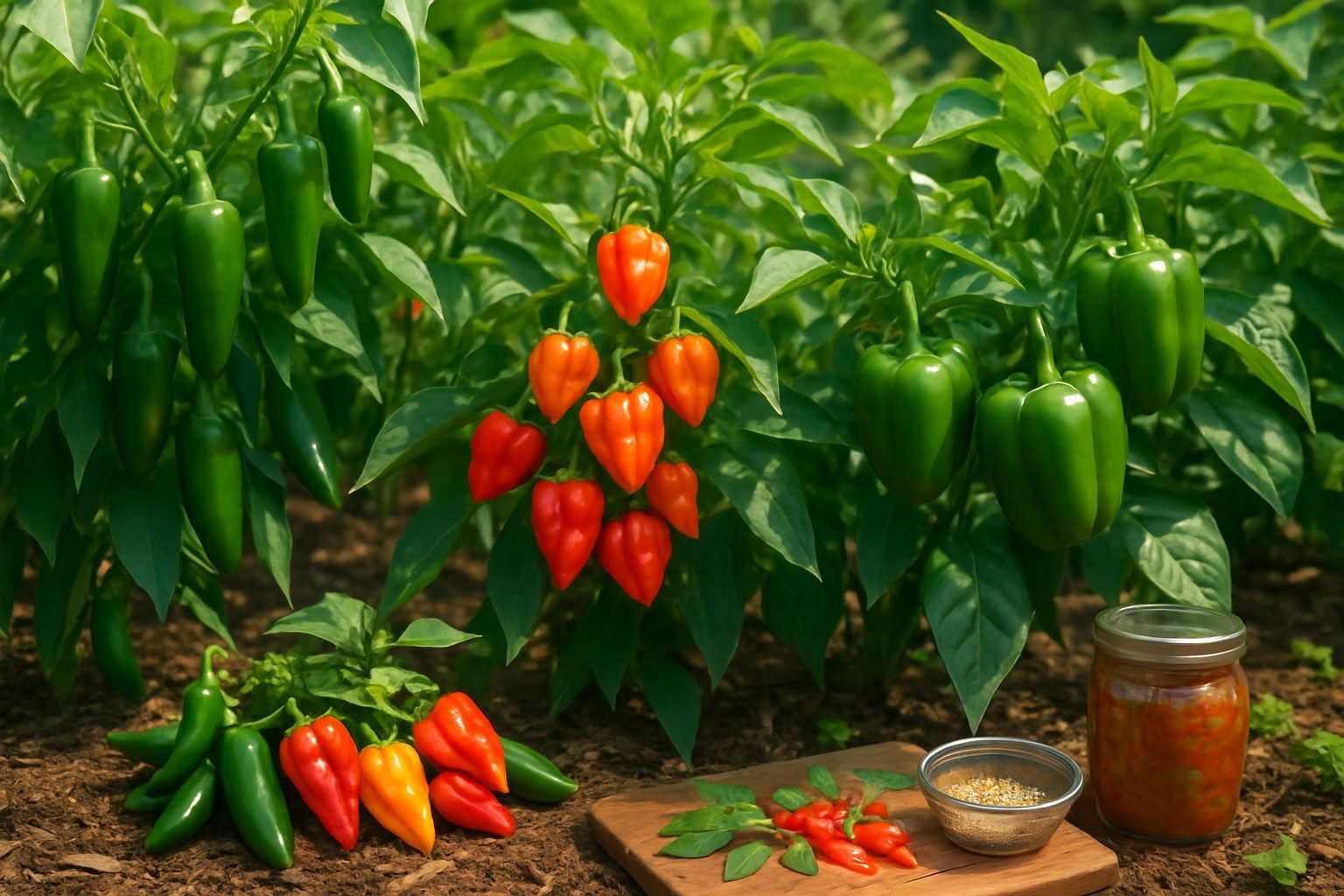
If you’re curious about how many hot peppers you can get per plant, you’re not alone—gardeners everywhere want to maximize their spicy harvests. On average, each hot pepper plant produces anywhere from 30 to 70 peppers per growing season. However, this number can vary significantly depending on the specific variety and the plant’s maturity.
For example, a mature bell pepper plant may yield between 5 and 10 large peppers at a time, with the total reaching up to 25 or more throughout the season. Jalapeño plants tend to be more prolific; a healthy, established plant might give you 25 to 35 peppers at once and up to 100 or even 200 peppers during the prime months. Habanero plants, known for their fiery heat, can offer 20 to 50 peppers at one time and approach a bountiful 200 or more over the course of the season if conditions are optimal.
Key Factors Affecting Pepper Yields
The main factors influencing your hot peppers per plant include:
- The chosen variety—the difference between a compact bell pepper and a bushy, productive jalapeño is significant
- The maturity of the plants—younger plants yield less, while mature, well-cared-for plants can give you a seriously spicy reward
Tips for Maximizing Your Harvest
Seasoned gardeners recommend frequent harvesting as a simple yet effective tip: picking ripe peppers encourages the plant to keep producing. This way, you can enjoy wave after wave of fresh produce throughout the growing season.
Ultimately, your results will depend on the pepper variety, growing conditions, and plant care. But knowing what to expect in terms of hot peppers per plant helps set realistic goals—and an even hotter harvest.
Key Factors That Affect Pepper Yields
Pepper yields can vary greatly depending on several core factors, starting with soil quality. Rich, well-drained soil packed with organic matter helps pepper roots establish strongly and absorb nutrients efficiently. Mixing in compost or aged manure before planting is a smart move.
Sunlight exposure is equally critical—peppers thrive with at least six to eight hours of direct sunlight each day. Select a sunny garden spot or the brightest area on your patio for the best results.
Watering routines also play a crucial role. Peppers prefer consistently moist—but not soggy—soil, so aim to water deeply about once or twice a week, adjusting more frequently during hot spells.
Fertilizer use should be strategic: feed your plants with a balanced, slow-release fertilizer at planting time and supplement with a low-nitrogen blend as they develop fruit. This keeps growth healthy without encouraging excessive leaves.
Temperature and local climate conditions can have a significant influence. Peppers love warmth, so wait to plant until nighttime temperatures stay above 55°F, and consider using row covers if unexpected cool snaps threaten.
Proper pollination is another often-overlooked factor—while peppers are largely self-pollinating, gentle breezes or a light shake of the plants help pollen move where it’s needed for fruit production, especially in greenhouses.
Finally, don’t overcrowd your plants. Spacing them 18 to 24 inches apart ensures each one gets enough air circulation and sunlight, minimizing disease and encouraging bigger harvests.
By paying attention to these details, you’ll give your pepper plants the best chance of producing an impressive yield.
Popular Pepper Varieties and Their Typical Yields
When it comes to growing peppers, yield expectations can vary widely depending on the variety you choose. Bell peppers, the most common sweet pepper, typically produce around 5 to 10 large fruits per plant in a season—sometimes up to 12 pounds if growing conditions are ideal.
Jalapeños, a popular hot pepper, are known for their prolific nature, often yielding 25 to 35 peppers per plant, translating to about 2 to 3 pounds in total. Poblanos, slightly larger and milder than jalapeños, generally give 5 to 10 medium-sized fruits per plant, but due to their bigger size, their total weight per plant can be similar to that of jalapeños.
Habaneros, which are beloved for their fiery kick, are surprisingly productive—one healthy plant can easily yield over 30 to 40 small fruits if well cared for, adding up to roughly 1 to 2 pounds per plant.
In comparing sweet and hot pepper productivity, you’ll typically find hot varieties offer higher fruit counts per plant, but their small fruit size means the overall harvest weight often falls short of large bell or poblano peppers. Plant size and fruit size play a big role here: compact plants like jalapeños and habaneros produce many small peppers, while larger bell or poblano plants dedicate more energy to fewer but heavier fruits.
To maximize your yields, choose varieties that fit your space and taste preferences, and don’t forget that regular feeding, watering, and sun exposure are key regardless of the pepper type.
How to Increase the Number of Peppers Per Plant
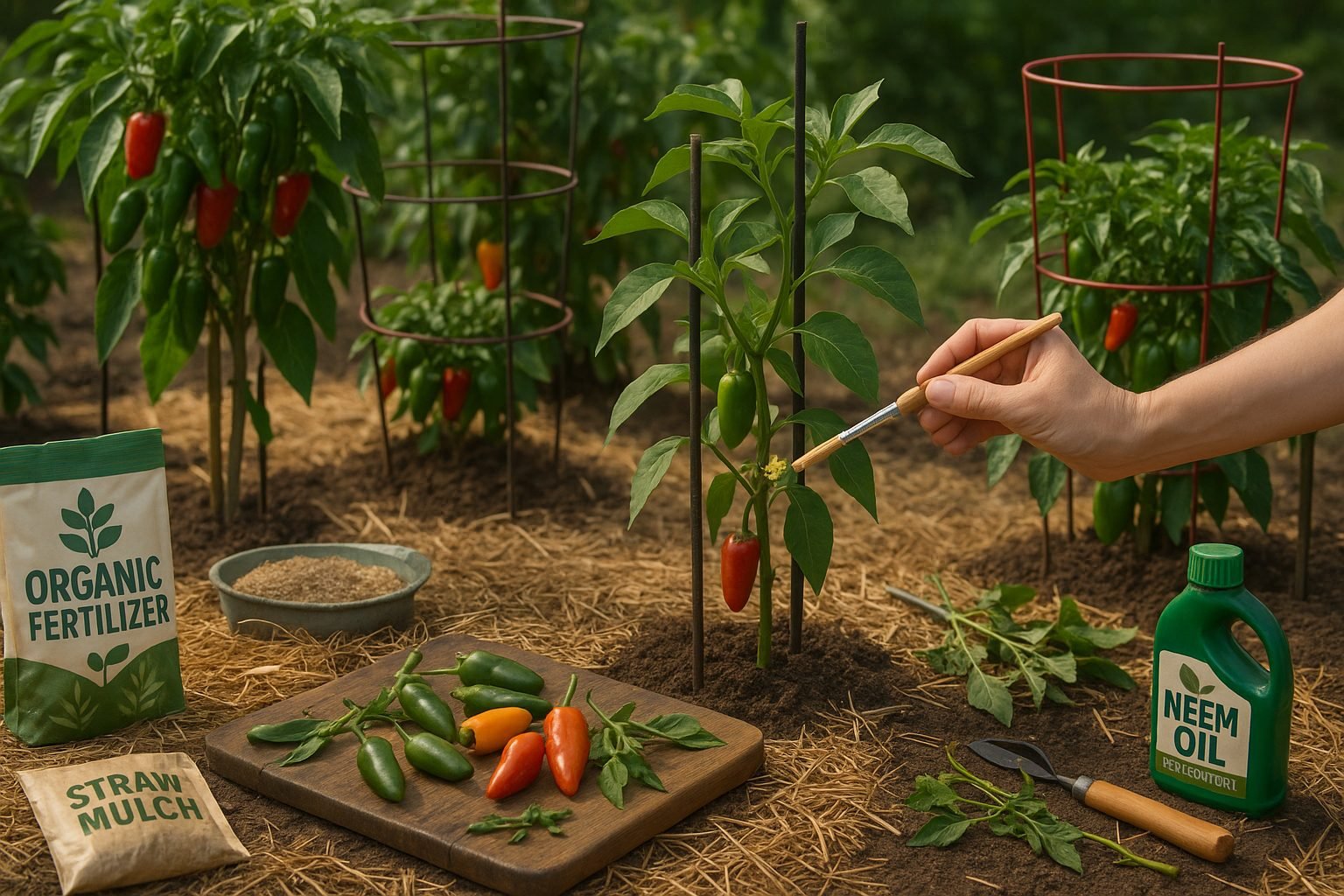
If you want to increase the number of peppers per plant, it helps to focus on some tried-and-true gardening techniques. Start by pruning the lower leaves and small, non-productive branches to direct the plant’s energy toward fruit production—this is especially helpful for bushier pepper varieties.
Regularly stake your plants or use cages so the branches don’t snap under the weight of a heavy crop. This also promotes better airflow and reduces the risk of fungal diseases. Mulching with straw or compost keeps moisture consistent, controls weeds, and helps maintain an even soil temperature—all essential for optimum pepper growth.
Feed your peppers with a balanced fertilizer every 2-3 weeks, but be careful not to overdo nitrogen, as that can cause lush leaves at the expense of flowers and fruit. For pest protection, check plants weekly for aphids, caterpillars, and mites, and try natural deterrents like neem oil or introducing ladybugs.
Disease control starts with spacing plants for good air circulation and rotating crops each year. Companion planting is another boost—grow basil, marigold, or onions nearby to deter pests and encourage pollinators.
Lastly, gently shake the plants during flowering or hand-pollinate with a small brush to mimic insect activity if you notice a lack of fruit set. With a combination of these practical steps, you’ll set your peppers up for a generous, healthy harvest.
Common Reasons for Poor Pepper Production
Poor pepper production often comes down to a few common issues that are easy to overlook. One top culprit is insufficient sunlight—peppers need at least 6 to 8 hours of direct sunlight each day. If your plants look leggy or have sparse leaves, try relocating them to a sunnier spot or trimming nearby plants that cast too much shade.
Improper watering is another factor; both overwatering and underwatering can stunt growth. Signs like wilted leaves, yellowing, or root rot hint at water problems. Use well-draining soil and water only when the top inch feels dry, making sure pots have drainage holes.
Soil quality itself matters as well: peppers thrive in rich, loose soil high in organic matter. Compacted or nutrient-poor soil leads to slow growth and pale leaves, so work in some compost or balanced fertilizer before planting and refresh it during the season.
Finally, extreme temperatures can stress peppers—nighttime temps below 55°F or daytime heat above 90°F can halt flowering and fruiting. If you notice flowers dropping prematurely or weak fruit set during hot spells, offer shade cloth or mulch to keep roots cool, and wait to plant outdoors until nighttime lows are consistently above 55°F.
By spotting these signs early and taking simple steps like adjusting location, soil, or watering habits, gardeners can revive struggling pepper plants and boost their harvest.
Harvesting and Maximizing Seasonal Production
Knowing when and how to harvest your crops is key to enjoying the best yield throughout the season. For most fruits and vegetables, picking regularly—every few days, or as soon as produce reaches its prime size—encourages plants to keep flowering and setting new fruit.
For example, frequent picking of beans, cucumbers, and zucchini prevents them from becoming oversized and woody, while also stimulating more production. Always harvest in the cool of the morning when plants are hydrated and fruits are at their crispest. Use a sharp pair of clean scissors or pruners to minimize plant stress and prevent disease.
Gently handling crops is important; rough picking can damage stems and reduce future yields. After harvesting, give plants a quick check—remove any damaged or diseased leaves, and water them if the soil is dry to help them recover and keep producing.
For the harvested produce, keep it clean and cool: gently wipe off soil, avoid stacking soft fruits too high, and place everything in a shaded spot or refrigerator as soon as possible.
These small steps—timely harvesting, gentle technique, and prompt post-harvest care—keep both your plants and your picked produce at their very best, ensuring a season of abundant, high-quality harvests.
FAQs and Final Tips for Boosting Pepper Yields
Many gardeners wonder if peppers can thrive in containers and how long a single plant will keep producing. Good news: peppers are well-suited to container gardening as long as you use pots that are at least 3–5 gallons in size and provide consistent water and nutrients.
With proper care, individual pepper plants can continue producing for several months—sometimes up to two years in mild, frost-free climates.
For experienced growers looking to maximize harvests, try pruning the first blossoms to encourage bushier growth and more fruit production later on. Grafting peppers onto disease-resistant rootstocks is another advanced strategy that boosts yield and plant vigor.
Use reflective mulch or install drip irrigation to fine-tune your microclimate and ensure peppers get uniform warmth and moisture.
Every garden is different, so don’t be afraid to experiment—track your results and adapt techniques to match your own climate, soil, and preferred pepper varieties for the best, most flavorful yields.