Introduction
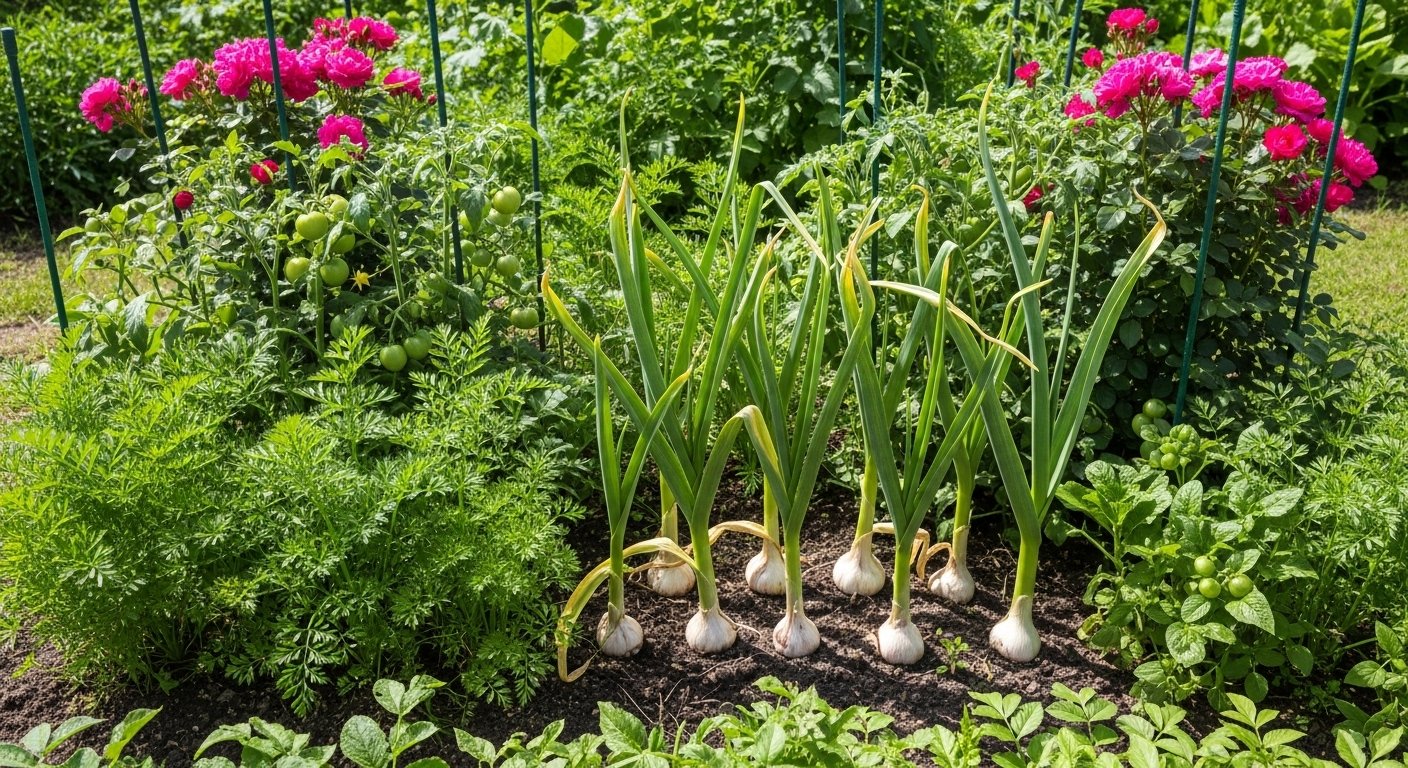
If you’re looking to boost your vegetable garden’s health and productivity, understanding garlic companion plants can make a big difference. Companion planting is the simple but powerful practice of placing certain crops side by side to maximize their growth and naturally deter pests. Garlic isn’t just a kitchen staple—it’s also famous for being a protective neighbor in the garden.
By planting garlic alongside the right companions, such as tomatoes, carrots, or roses, you can enjoy benefits like improved flavor, fewer pests, and healthier plants overall. In this article, we’ll explore which crops thrive next to garlic, share specific advantages you can expect, and offer practical tips for getting started.
Whether you’re a seasoned gardener or a beginner, trying garlic companion planting could be the secret to a more thriving and beautiful garden this season. Give these time-tested partnerships a try and watch your garden flourish!
Benefits of Companion Planting with Garlic
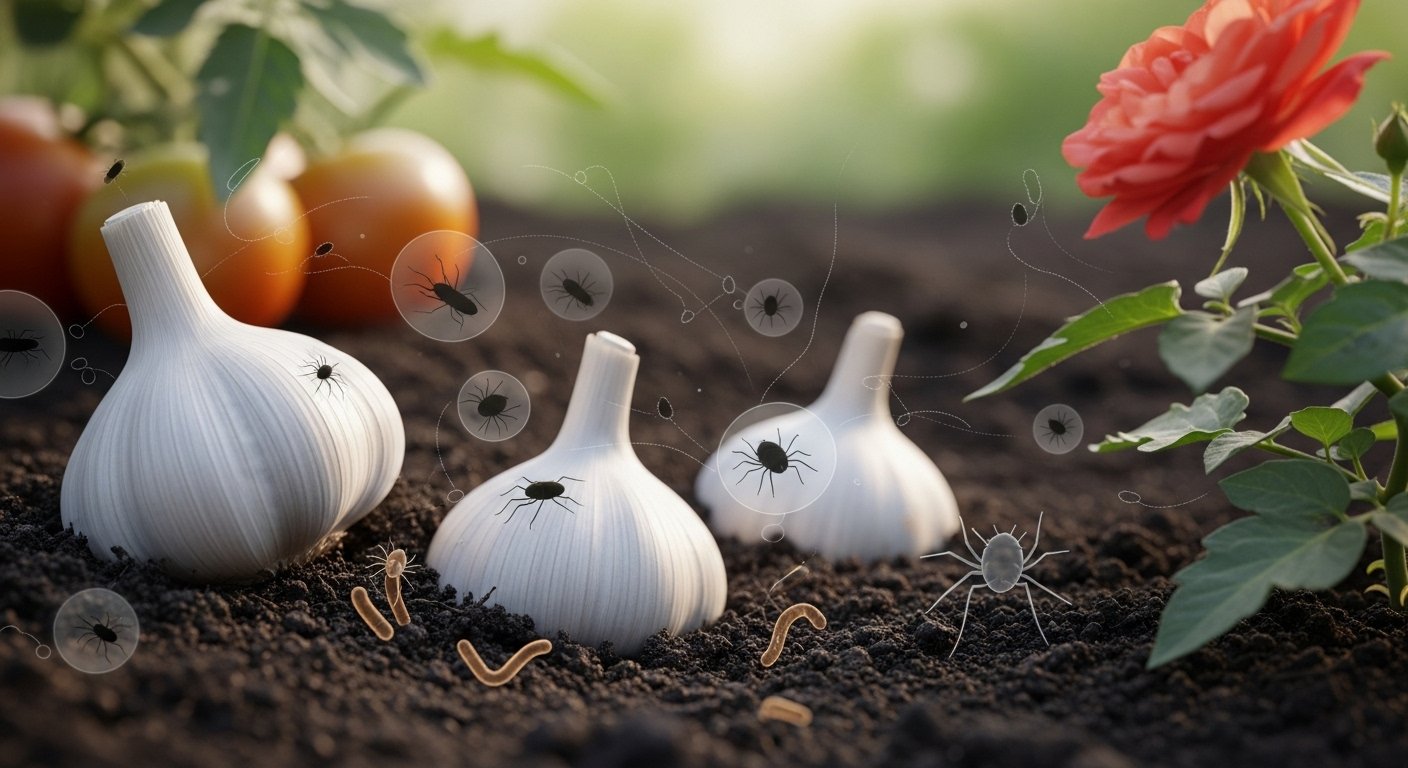
Companion planting with garlic offers a trio of benefits that make it a favorite among organic gardeners. First, garlic naturally repels many common pests such as aphids, spider mites, and even rabbits, thanks to its strong aroma and sulfur compounds. These properties act as an invisible shield around neighboring plants like tomatoes, peppers, and roses, reducing the need for harsh chemical pesticides.
In addition to deterring insects, garlic’s antifungal qualities help protect nearby plants from disease outbreaks like powdery mildew and black spot. This is especially helpful for gardeners in humid areas where fungal problems are frequent.
Beyond pest control, planting garlic can boost overall soil health. As garlic grows, it releases substances that suppress soil-borne pathogens and promote beneficial microbes, creating a more resilient growing environment. Many gardeners notice healthier, more robust plants when garlic is part of the mix, as its presence can subtly improve nutrient availability and root development for its companions.
By weaving garlic into your plant beds, you’re not just warding off threats—you’re creating a self-sustaining ecosystem that needs fewer synthetic interventions. This holistic, chemical-free approach is not only better for your plants but also for pollinators and the environment around your garden.
For a simple start, try tucking garlic cloves near roses or among your vegetable crops; you’ll likely see fewer pests and more vigorous growth in just one season.
Best Companion Plants for Garlic
Garlic is a reliable companion for many vegetables, herbs, and even some flowers, making it a valuable addition to any garden bed. Planting garlic near carrots, for example, can help deter common carrot pests thanks to garlic’s strong scent, while carrot foliage provides shade that helps keep garlic roots cool.
Tomatoes also benefit from garlic as a neighbor since garlic can help repel red spider mites and fungal diseases. Just be sure to give them plenty of space to ensure good air circulation for both crops.
Leafy greens like lettuce and spinach thrive next to garlic because they have similar water and sunlight requirements, and garlic helps deter aphids and slugs that often attack tender leaves. However, be mindful not to crowd your greens, as garlic’s growth can be stunted if over-shaded.
Brassicas, including cabbage, kale, and broccoli, pair well with garlic; garlic’s natural sulfur compounds help protect these crops from cabbage loopers and aphids. Allow about a foot of space to ensure everyone has room to grow.
For herbs, dill is an excellent neighbor. While garlic’s strong scent repels some pests, dill attracts beneficial insects like ladybugs, creating a balanced ecosystem in your garden.
Yarrow fits in well, too. This hardy flower can increase garlic’s pollinator activity indirectly and enhance soil health with its deep roots.
You might be surprised to learn that garlic can even benefit roses by repelling aphids and black spot. Simply plant a ring of garlic bulbs a few inches from your rose bushes as a fragrant and functional protection.
When arranging your garden, alternate rows or clusters of garlic with these companions to maximize their pest-repelling effects.
Avoid planting garlic near peas and beans, as they may stunt each other’s growth.
By strategically grouping garlic alongside these compatible plants and allowing enough space for air flow, you’ll help all your crops grow stronger, healthier, and more productively.
Worst Companions: What Not to Plant with Garlic
When planning your garden, it’s important to know that not all plants make good neighbors for garlic. Legumes like beans and peas are particularly poor companions; garlic releases natural sulfur compounds that can stunt their growth, reducing yields. These legumes also draw on similar nutrients from the soil, leading to competition that can leave both crops undernourished.
Another problematic pairing is with asparagus, which has a deep root system that doesn’t mesh well with garlic’s shallow roots, causing each to compete for space and nutrients. Similarly, sage and parsley should be planted away from garlic, as they don’t thrive in the same soil conditions and can be negatively affected by garlic’s bioactive chemicals.
To avoid these issues, plan your garden by grouping compatible plants together and placing incompatible species in opposite beds or rows. Consider using raised beds or container gardening for your garlic to create clear boundaries. Rotating crops each year can also help prevent nutrient depletion and minimize the lingering effects of garlic’s soil chemistry.
By being intentional about plant placement, you’ll encourage healthy growth for your garlic and its neighbors, leading to a more productive and harmonious garden.
Rules and Best Practices for Garlic Companion Planting
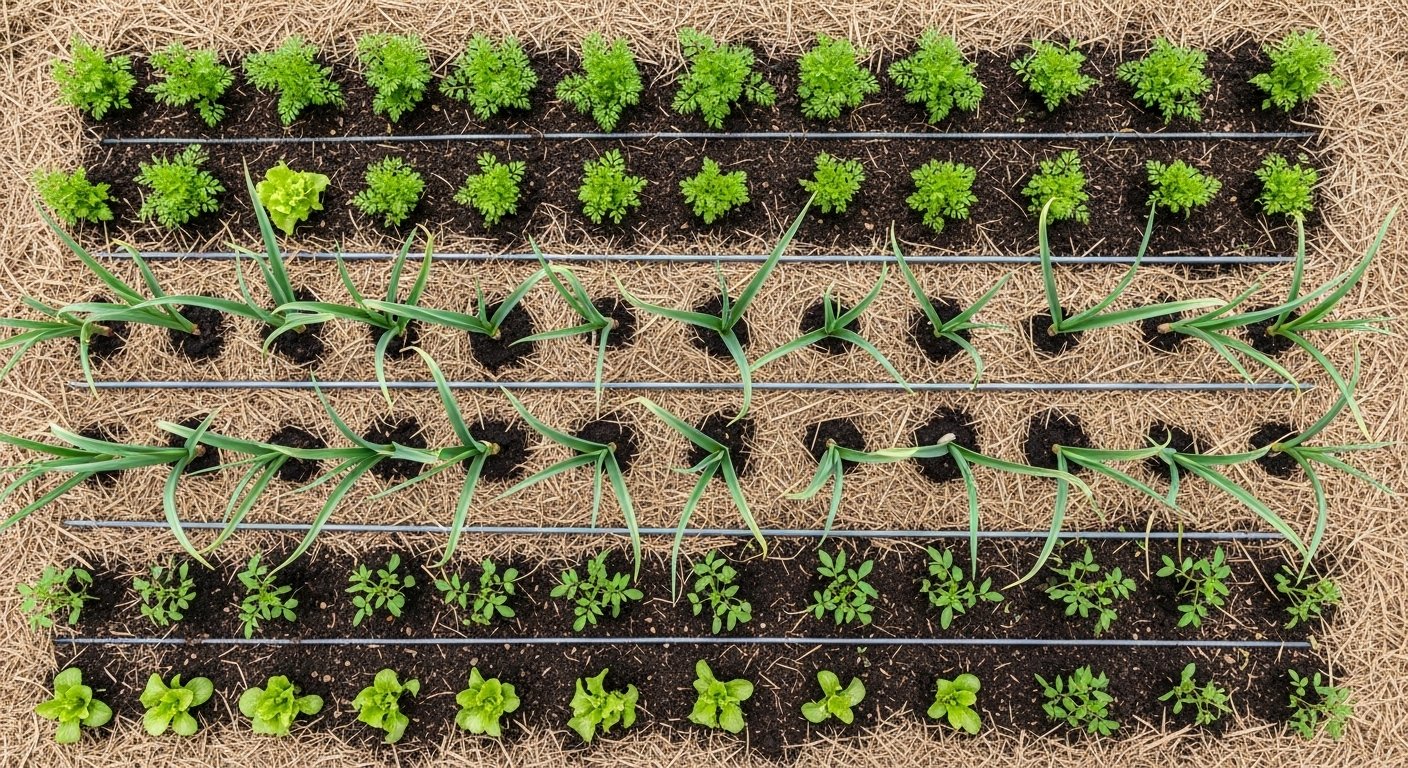
Getting the most out of garlic companion planting starts with a keen eye for space and timing. Garlic needs plenty of sunlight—aim for at least six hours a day—and thrives when spaced 4–6 inches apart in well-drained soil. Don’t crowd it with neighbors; compact plantings can hinder garlic’s bulb development and airflow, leading to rot or fungal issues.
Stick with compatible herbs and vegetables like carrots, lettuce, tomatoes, and roses, while avoiding beans and peas, which often don’t play well with garlic due to conflicting growth patterns.
Time your planting so garlic goes in during the fall for most regions, giving roots a head start before winter. Coordinate with companion plants that don’t shade or overcrowd it—leafy greens often work well since they mature quickly and can be harvested before garlic’s peak.
Throughout the season, keep a close watch for yellowing leaves, stunted growth, or pests. Adjust water levels if the soil stays too soggy or dries out completely. Mulching with straw can help maintain moisture and suppress weeds without smothering young shoots.
If you notice any signs of disease or incompatible plant pairings (like wilting beans or peas), remove affected plants promptly to prevent problems from spreading.
Ultimately, staying attentive—checking spacing, sunlight, and plant health regularly—sets the stage for a thriving, productive garlic patch surrounded by happy companions.
Common Questions and Troubleshooting
It’s normal to worry if your garlic or its companion plants don’t seem to be thriving. First, check for signs of stress such as yellowing leaves, stunted growth, or wilting—these often point to issues like overwatering, poor drainage, or lack of nutrients.
Make sure your pot has good drainage holes and use quality potting soil for the best results. If you spot leaf spots, white fuzz, or mushy bulbs, disease or fungal issues might be at play. In that case, remove affected plants quickly and let the soil dry out before replanting.
Pests like onion maggots, aphids, or mites can also affect garlic; try natural remedies like neem oil or companion plants such as marigolds, which help deter bugs.
Some readers ask if garlic can be grown with other plants in the same pot—yes, but choose companions like spinach or lettuce since they have similar water and light needs. Avoid beans or peas, which may compete for nutrients.
If your garlic bulbs aren’t developing well, check that the soil isn’t too compact and that plants are spaced at least four inches apart. Regularly remove weeds and dead leaves to keep your mini-garden healthy.
By checking conditions weekly and using a balanced fertilizer every few weeks, you’ll quickly spot problems and ensure your garlic and its neighbors stay happy and productive.
Conclusion
Garlic companion planting offers a simple way to boost your garden’s health, deter pests, and even enhance the flavors of your harvest. By pairing garlic with crops like tomatoes, carrots, or roses, you can enjoy stronger plants and fewer problems naturally—no synthetic chemicals needed.
Don’t be afraid to experiment with different companion combinations to see what works best in your space; every garden is unique, and you might discover a new favorite pairing.
Ready to learn more? Check out our related gardening guides or share your own garlic companion successes and tips in the comments below!