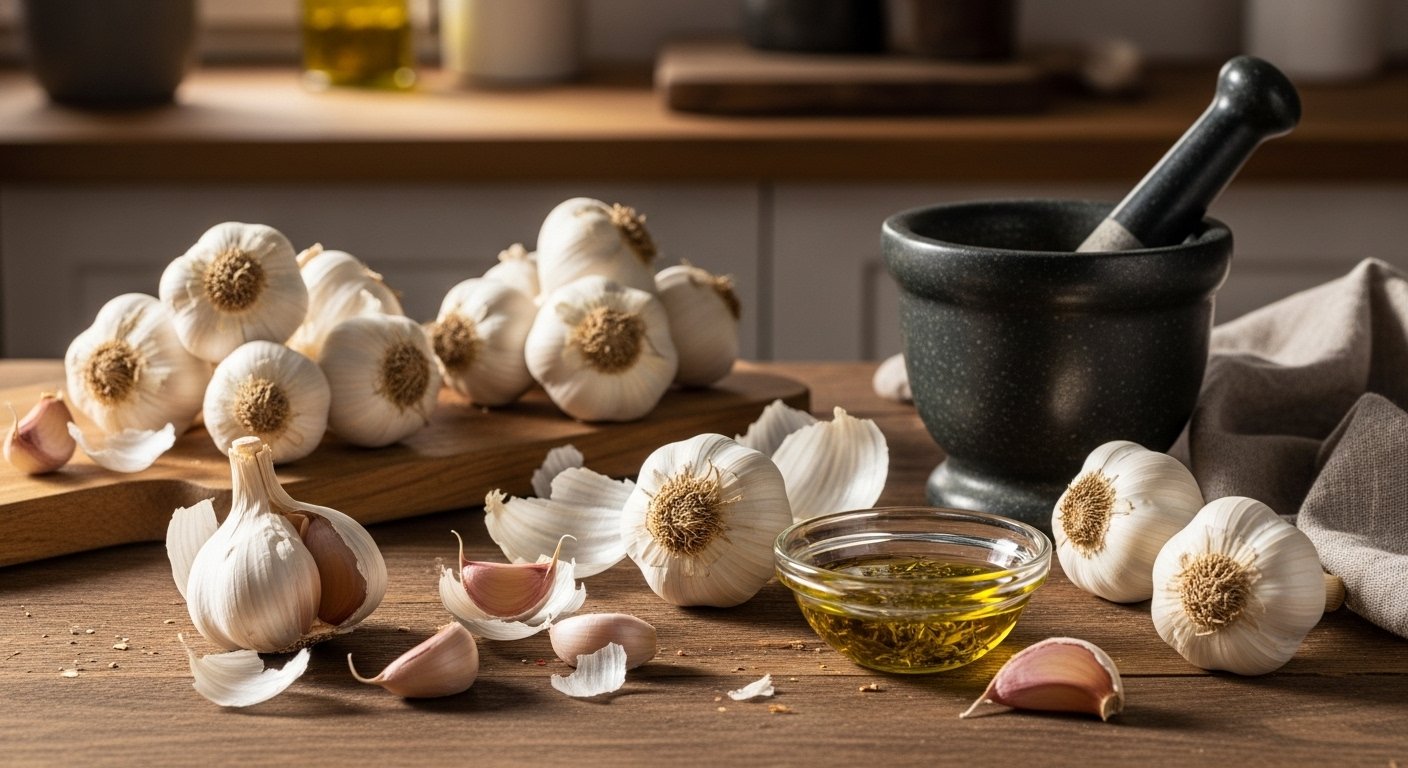
Introduction to Garlic in the Kitchen
Cooking with garlic is a time-honored tradition in kitchens around the world, lending its unmistakable flavor to everything from Italian pasta sauces to Asian stir-fries and beyond. It’s hard to overstate garlic’s importance and popularity—few other ingredients are as universally cherished or as widely used in such a diverse array of cuisines.
Part of what makes garlic so beloved is its bold, pungent flavor and rich aroma, which can transform the simplest dish into something both comforting and complex. When freshly harvested from your own garden, garlic’s sharpness and juiciness become even more pronounced, making it a true delight for any home cook.
Whether you’re using it raw to make a lively salad dressing or rubbing it onto grilled bread, its bite offers a fresh intensity. On the other hand, slow-cooked garlic mellows and sweetens, melting into soups, stews, and roasts with an irresistible, almost buttery texture.
This remarkable ingredient is wonderfully versatile—you can fry it to a golden crisp for topping veggies, roast whole bulbs for a creamy spread, or even blend it into sauces for layers of depth and warmth. With a little garlic, everyday meals quickly become unforgettable culinary experiences.
Types of Garlic and How to Choose the Best
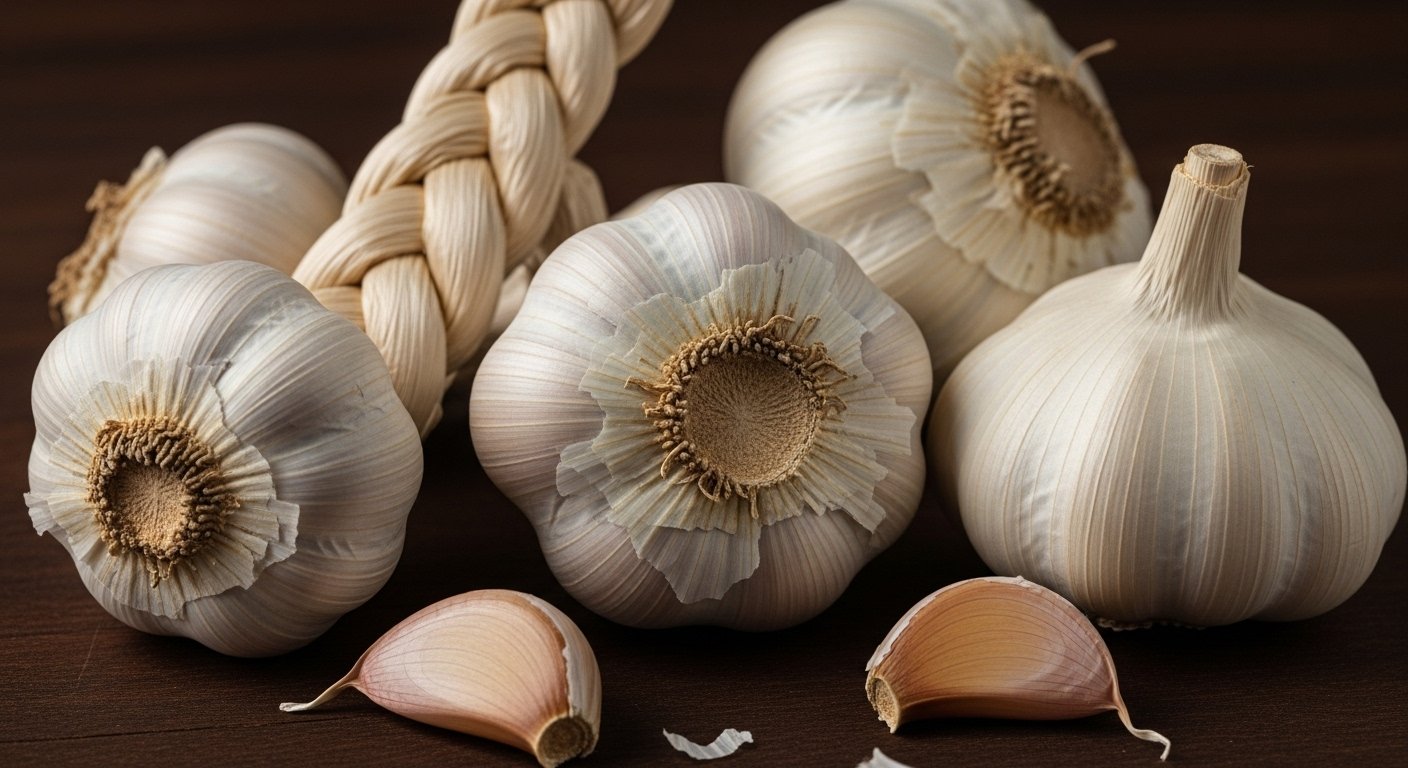
Garlic comes in several varieties, each with its own flavor and ideal uses in the kitchen. The most common types are softneck and hardneck.
Softneck garlic, often found in supermarkets, has a mild flavor and a longer shelf life—it’s the type that’s braided for storage.
Hardneck garlic offers fewer, larger cloves and a robust, complex taste; it’s a favorite among chefs for raw dishes like aioli or salad dressings.
Elephant garlic, despite its giant size, is actually closer to a leek genetically and delivers a very mild, almost sweet garlic flavor. It’s great for roasting whole or using when you want a less pungent kick.
How to Choose Fresh Garlic
When shopping for garlic, keep these tips in mind:
- Look for firm, heavy bulbs with dry, papery skin.
- Avoid bulbs with visible green shoots—these indicate the garlic is past its prime and may taste bitter.
- Steer clear of shriveled, soft, or damp spots, which suggest mold or rot.
- If the bulb feels hollow or there’s give between the cloves when squeezed, the garlic has likely dried out and lost much of its flavor.
- Fresh garlic should have a strong, pleasant scent; if it smells musty or sour, skip it.
Storage Tips
At home, store garlic in a cool, dry place in an open container. Avoid the fridge, as moisture can encourage sprouting. Whenever possible, buy garlic from local farmers markets, where it’s typically fresher and you can often ask which variety you’re getting.
Using high-quality, fresh garlic can make a surprising difference in your cooking—bringing out flavors that stale or inferior bulbs simply can’t match.
How to Prepare, Peel, and Store Garlic
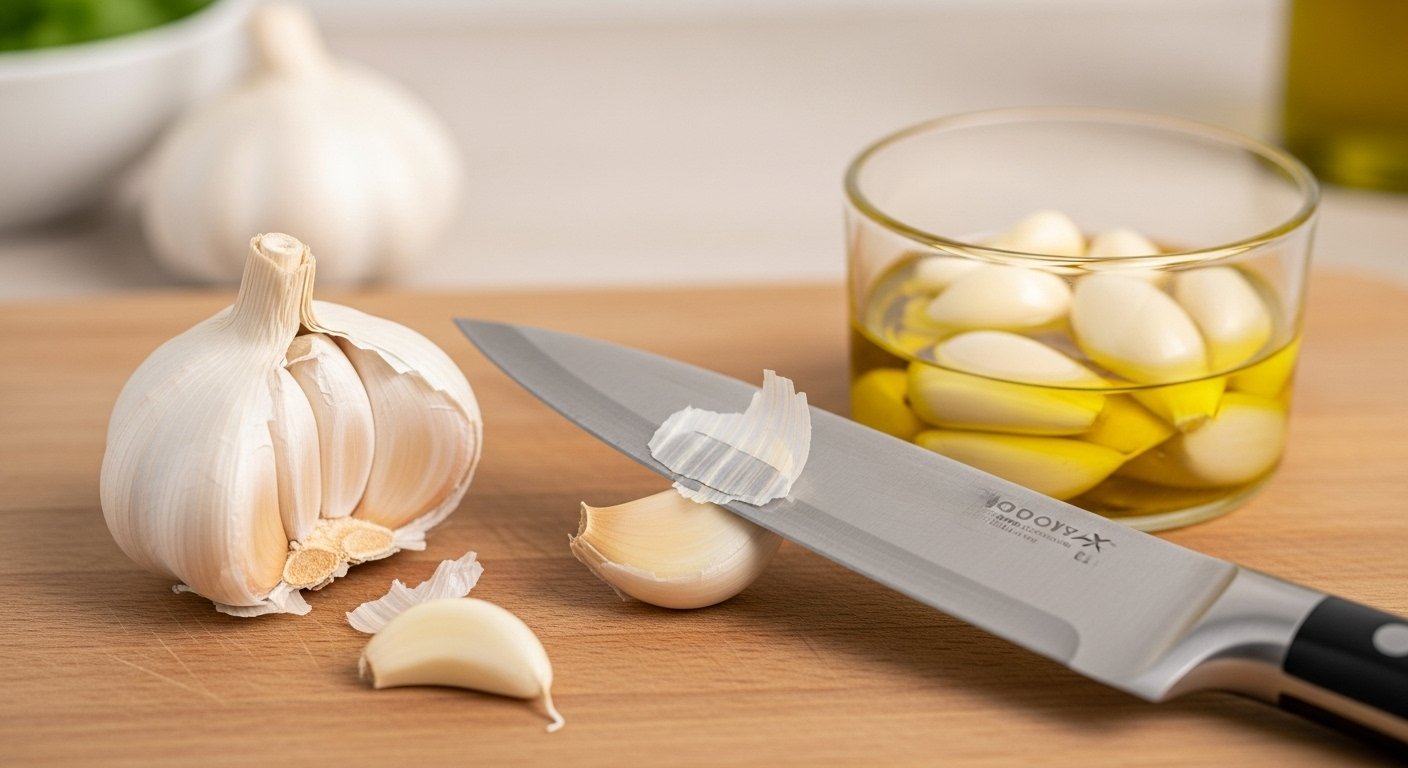
Preparing garlic starts with separating the individual cloves from the bulb—just press down with your palm to break the head apart. To peel each clove easily, lay it on a cutting board and give it a gentle smash with the flat side of a chef’s knife; the skin should slide right off.
If sticky garlic residue lingers on your fingers, try rinsing your hands under cold water while rubbing them on a stainless steel spoon; it really cuts down the smell and tackiness.
Preparing Garlic for Different Recipes
For different recipes, you’ll want to prep the garlic in specific ways:
- Slicing thinly works well for sautés.
- Mincing provides intense flavor for dressings or marinades.
- Crushing (using a garlic press or the flat of your knife) is great for sauces and spreads.
- Sometimes, you might opt to leave cloves whole, especially if roasting or slow-cooking, which brings out their natural sweetness.
Storing Garlic
Keep unpeeled garlic heads in a dry, ventilated spot—avoid the fridge, which can cause sprouting. If you’ve peeled more than you need, store the extra cloves in a sealed container in the fridge with a little olive oil to prevent them from drying out (use within a week for safety).
Roasted garlic can be mashed and refrigerated for a week, or frozen in an ice cube tray for longer storage—perfect for adding directly to dishes later.
By mastering these simple techniques, you’ll always have fresh, flavorful garlic on hand, ready to elevate your cooking.
Cooking with Garlic: Raw vs. Roasted, Sautéed, and Infused
Garlic transforms dramatically depending on how you prepare it, offering a spectrum of flavors that can elevate any dish. Raw garlic packs a potent, spicy punch—perfect for dressings, salsas, and dips where you want a sharp bite.
Roasted garlic, on the other hand, turns mellow and almost sweet. Just slice off the top of a bulb, drizzle with olive oil, wrap in foil, and bake until golden and soft. Roasted cloves are fantastic spread on bread or blended into mashed potatoes.
Sautéed garlic sits somewhere in between: cook it gently in a bit of oil just until fragrant and golden, not brown, to avoid bitterness. Think of starting with garlic in your stir-fries or pasta sauces, but don’t add it too early or cook over high heat.
Confit garlic, slow-cooked in oil until silky and mild, is a secret weapon for spreading on toast or adding creamy richness to soups.
For extra flavor without the risk of burning, try infusing oils or butters with garlic. Simply simmer whole, smashed cloves in oil or butter over low heat, then strain. This technique lets you drizzle garlic essence over vegetables, whisk it into salad dressings, or even spoon it onto steaks without any harshness.
No matter your method, remember: add garlic later in cooking for a fresher taste, earlier for a mellower flavor, and always watch the heat to keep those precious cloves from scorching.
Essential Garlic Recipes You Need to Try
Garlic is a kitchen staple that can elevate almost any dish, and there are countless recipes where its bold flavor truly shines. Classic garlic bread is a must-try—simply mix minced garlic with softened butter, slather it on a baguette, and toast it to golden perfection for a savory treat that pairs perfectly with pasta and salads.
Caesar dressing is another way to let garlic steal the show; blending raw garlic into the creamy base gives this salad staple its distinctive zing. For comfort food lovers, creamy garlic mashed potatoes with roasted or sautéed garlic cloves impart a mellow, rich flavor that’s both hearty and irresistible.
If you’re looking for an easy way to get more veggies into your meals, toss seasonal vegetables in olive oil, salt, pepper, and plenty of crushed garlic, then roast them in the oven until caramelized—this simple method draws out sweetness while letting garlic’s aroma saturate each bite.
Pasta lovers can whip up a quick aglio e olio by gently sautéing sliced garlic in olive oil before tossing it with spaghetti and fresh parsley; the result is a rustic dish that comes together in under 20 minutes.
On the more indulgent side, shrimp scampi melds sautéed garlic with butter, white wine, and lemon for a restaurant-worthy dinner at home. Garlic knots—bite-sized, fluffy dough twists brushed with garlic-infused butter—make an addictive appetizer or soup side and are surprisingly easy to make from scratch or with pre-made pizza dough.
Whether you prefer subtle garlic undertones or bold, pungent notes, you can always experiment with the amount of garlic in these recipes—try roasting whole bulbs to mellow their bite, or add extra raw cloves for intensified flavor. No matter which dish you choose, adjusting garlic to suit your own taste ensures you’ll enjoy both the aroma and the depth it brings to every meal.
Common Mistakes and Pro Tips for Cooking with Garlic
When cooking with garlic, it’s easy to fall into a few common traps that can ruin your dish. One of the biggest mistakes is burning garlic—this happens quickly and leads to a bitter taste that can overpower even the best recipe. To avoid this, always sauté garlic over low-to-medium heat and add it after your oil is hot but before you throw in other ingredients.
Another common misstep is using too much garlic, which can overwhelm a dish and mask other flavors. As a general rule, start with less than you think you need and taste as you go, especially when working with raw garlic, which packs a much stronger punch than when it’s cooked.
To strike the right flavor balance, pair garlic with acid (like lemon juice or vinegar) or fresh herbs—both can brighten the dish and keep the flavors in check. If you’re after a milder garlic flavor, try roasting whole cloves in the oven; this transforms them into something sweet and spreadable, perfect for slathering on bread or mixing into mashed potatoes.
As for prepping garlic, invest in a quality garlic press or a microplane grater—these tools make mincing garlic quick, easy, and mess-free, especially when you need it fine for sauces or dressings. However, remember that pressing or grating garlic releases more of its potent oils, so adjust your quantity accordingly to avoid unintentional garlicky overload.
With a little attention to technique and the right tools, your garlic can elevate your cooking every time.
“`html
Frequently Asked Questions and Troubleshooting
Garlic is a kitchen staple, but it often raises questions about flavor and handling. If you find fresh garlic too sharp, try mellowing its bite by roasting the cloves in the oven for 20 minutes or gently sautéing them in a bit of olive oil—both methods tame the intensity and bring out natural sweetness.
Need a substitute? Garlic powder is great for dry rubs or spice blends, and 1/8 teaspoon powder equals about one clove, while garlic flakes rehydrate well in soups or stews.
Struggling with lingering garlic smell on your hands? Rub them on a stainless steel spoon under cold running water, or try scrubbing with lemon juice or baking soda.
To quickly get rid of a pungent kitchen, simmer a pot of water with vinegar or coffee grounds to neutralize odors.
Common recipe mistakes—like burning garlic—can be fixed by removing the scorched bits right away and adding extra oil or a splash of broth to salvage the dish. If you accidentally use too much garlic, a squeeze of lemon or a bit of dairy (like yogurt or cream) will help tone things down.
Got your own garlic hacks? Share them in the comments—we’d love to hear from you!
“`