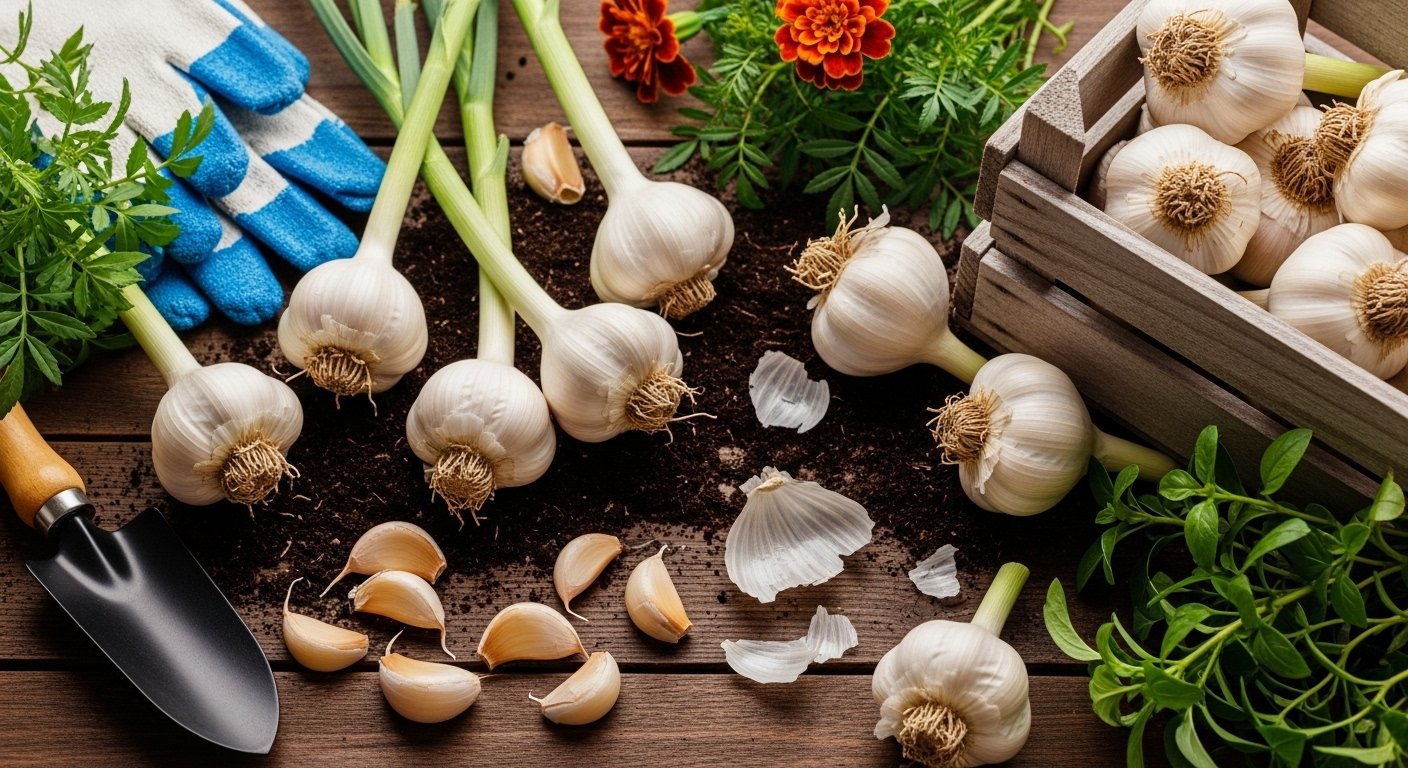
Introduction to Garlic Health
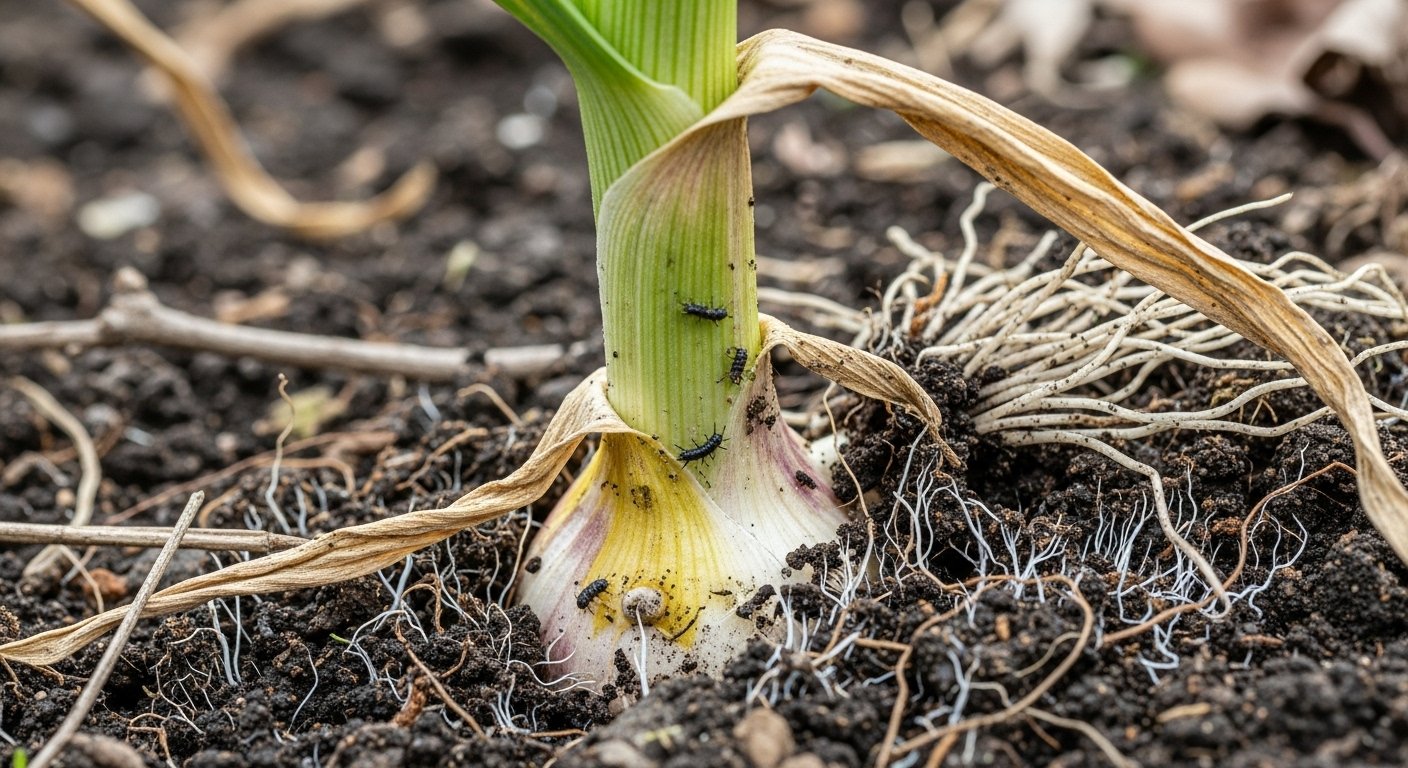
garlic diseases can present significant challenges for both novice and experienced growers, making it crucial to understand the unique health needs of these widely cherished plants. While garlic is celebrated for its robust, hardy nature—often thriving where other crops might fail—it also has a hidden vulnerability.
Because garlic is typically grown from clones rather than seeds, each new planting carries forward both the genetic strengths and weaknesses of the parent stock. This clonal reproduction, combined with its long exposure in the soil throughout the growing season, creates conditions where diseases or pests can quietly establish themselves, sometimes with devastating consequences.
The impacts of these garlic diseases run deeper than just appearance: even a minor infection can sharply reduce yields, lead to small or misshapen bulbs, and lower the overall quality of the crop. Worse, once problematic pathogens or pests are present in the soil, they can linger and threaten future plantings, turning a minor outbreak into a persistent problem over several growing seasons.
That’s why regular observation for subtle warning signs—such as yellowing leaves, stunted growth, or unexpected bulb rot—is so important. Catching issues early allows gardeners to intervene before damage becomes irreparable through practices like crop rotation, improved drainage, or targeted organic treatments.
Healthy garlic cultivation is as much about vigilance and preventive care as it is about strong plants; by staying alert and responding swiftly, growers set the stage for abundant, high-quality harvests now and in the years to come.
Most Common Garlic Diseases & What They Look Like
Garlic, while hardy, is vulnerable to several common diseases, each with distinct warning signs that gardeners should know.
Basal Rot is a notorious fungal disease that starts with yellowing lower leaves and can progress to soft, rotting bulbs. It often lurks in the soil and spreads by planting infected bulbs or through splashing water.
White Rot, another soil-borne fungus, shows as yellow, dying foliage and white, fluffy growth at the plant’s base, eventually causing bulbs to decay. Crop rotation and sanitation are key to prevention.
Rust appears as small, orange or rusty pustules on leaves, which can cause them to dry up and drop prematurely. Moist conditions and wind can quickly spread its airborne spores.
Botrytis, or gray mold, thrives in wet, crowded environments and creates fuzzy gray spots on stems and leaves before moving to the bulb.
Black Mold leaves dry, dark streaks or powdery patches mainly on stored garlic, usually due to damp storage conditions.
Among viral threats, Mosaic Virus causes mottled, streaky leaves with distorted growth and weak bulbs. Aphids often transfer the virus between plants.
Downy Mildew stands out for causing pale, patchy leaves with velvety gray or purple mold on the undersides, typically in cool, moist weather. Infected soil or airborne spores are the usual culprits.
Keeping garlic healthy starts with using certified disease-free seed, ensuring good drainage, avoiding overcrowding to promote air flow, and practicing crop rotation. Quick removal of symptomatic plants also helps limit spread.
By learning these signs—yellowing, spots, fuzzy growths, discoloration, and bulb rot—gardeners can act early and keep their garlic crop thriving.
Pests That Affect Garlic and Their Warning Signs
Several common pests can target garlic crops, each leaving telltale signs that might be mistaken for diseases if you’re not paying close attention. Bulb mites, tiny but persistent, burrow into garlic bulbs, causing a pitted, spongy texture that makes cloves vulnerable to secondary rots. This damage is most noticeable during harvesting or storage and often starts from planting infected seed bulbs or from contaminated soil.
Nematodes, especially bloat and stem nematodes, wreak havoc by invading both roots and stems. Bloat nematodes cause bulbs to swell and split, with a honeycombed or spongy appearance inside, while stem nematodes cause stems to curl, swell, and twist. Since nematodes overwinter in soil or plant debris, crop rotation and careful bulb selection are crucial prevention methods.
Leek moth larvae chew ragged holes in garlic leaves, leaving behind webbing and brown streaks. Adult moths are small and active at dusk, typically infesting fields near wild alliums or infested leeks.
Wireworms, the larvae of click beetles, attack garlic underground, boring tunnels through cloves and roots that appear as small, round holes. These pests thrive in recently converted pasture or grassy fields, so it’s best to avoid planting garlic there if possible.
Aphids cluster on young garlic leaves and flower stalks, sucking out plant juices and causing leaves to yellow, curl, and distort. Sticky honeydew and sooty mold are clear signs of their presence. Aphid infestations often start from neighboring crops or weeds.
Garlic is most vulnerable to pests during periods of rapid leaf growth in spring and early bulbing from late spring to early summer. Distinguishing pest damage from disease is key: physical damage such as boring, pitting, or ragged chew marks usually indicates pests, while wilting, widespread yellowing, or rot often signals disease.
By recognizing these specific warning signs and knowing when and where pests are likely to strike, you can take steps to protect your garlic crop before small problems become major losses.
Effective Prevention Strategies for Garlic Problems
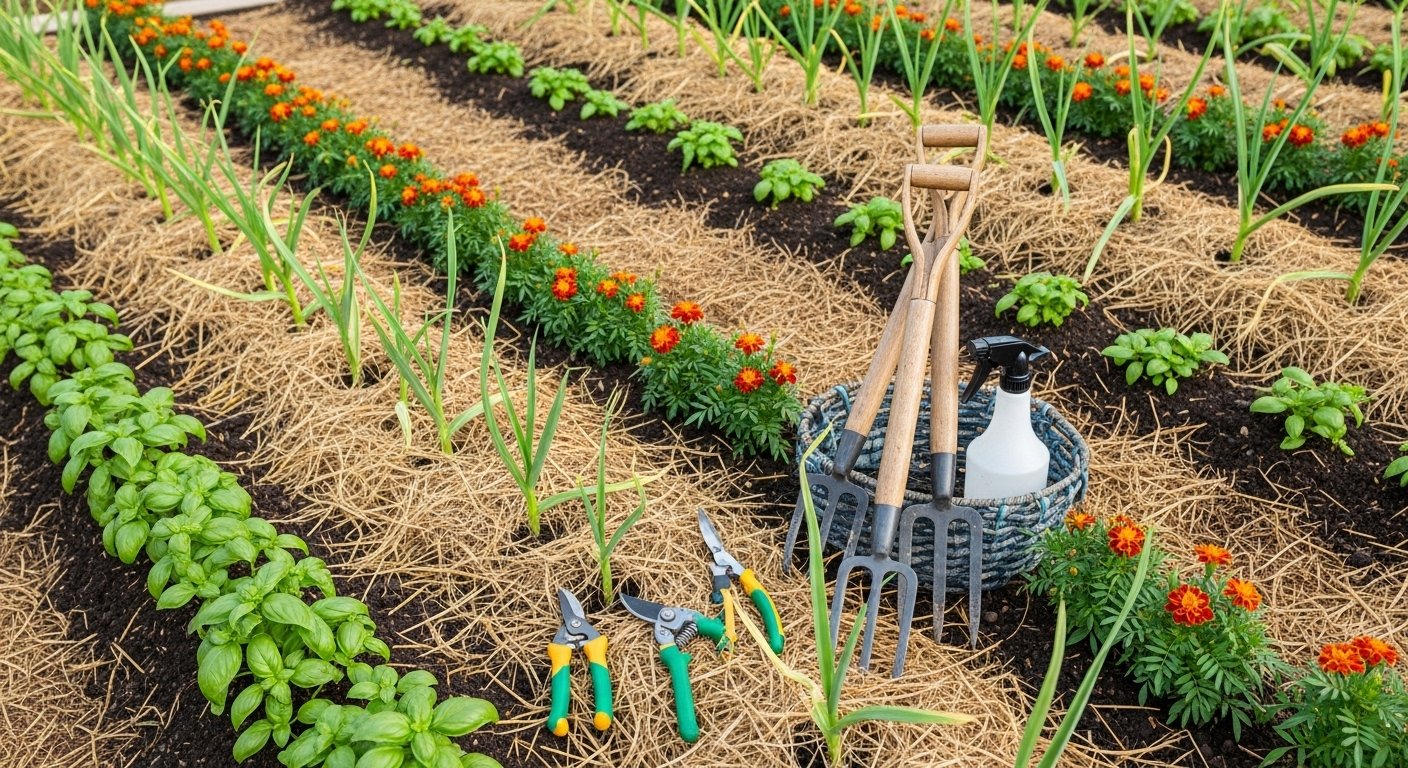
Keeping your garlic crop healthy starts with a strong prevention plan, and crop rotation is key—avoid planting garlic or other alliums in the same spot more than once every three to four years to reduce soil-borne diseases. Always source disease-free, healthy seed garlic from reputable suppliers, and don’t be tempted to plant supermarket bulbs, which may harbor hidden pathogens.
Before planting, treat your cloves with hot water (120°F for 20 minutes) or a mild bleach soak (one part bleach to nine parts water for 10 minutes), then rinse well; these simple steps can destroy surface-borne fungi and bacteria. Sanitize your garden tools between uses to avoid spreading pests and pathogens from plant to plant.
Opt for disease-resistant garlic varieties whenever possible, as these are naturally better equipped to withstand common problems like white rot or rust. Well-drained soil is vital—plant where water doesn’t pool and consider raising beds if your soil tends to stay soggy, since garlic is highly susceptible to root rot.
When setting out cloves, space them at least six inches apart to improve airflow and reduce chances of moisture-related diseases. Overwatering is a common mistake, so let the soil dry out slightly between waterings and mulch only lightly, especially in wet climates.
Pay attention to the weather forecast and aim to plant slightly earlier or later in the season, depending on conditions, as cool, moist weather can fuel disease. Regularly inspect your crop for early signs of trouble, like yellowing leaves or stunted growth, so you can intervene quickly.
With these practical steps, you’ll give your garlic a robust defense against the most common problems, saving you time and frustration later in the season.
Integrated Pest and Disease Management Practices
Integrated pest and disease management (IPM) is all about using smart, eco-friendly strategies to keep your garden healthy and thriving. For home gardeners, the first step is regular inspection: take a few minutes each week to look under leaves and around stems for signs of pests or disease, like yellowing foliage, holes, or sticky residue.
Remove any damaged or diseased plants as soon as you notice them to prevent problems from spreading. Organic or low-impact controls work well for most pests—neem oil, for example, is a natural pesticide that’s particularly effective against aphids and spider mites.
You can also improve soil health with compost or aged manure, which helps plants resist diseases and pests on their own. Simple physical barriers, such as garden row covers, netting, or homemade cloches made from plastic bottles, can keep out common invaders like cabbage moths and birds. Crop covers are especially useful for protecting young seedlings from insects without chemicals.
Companion planting is another valuable tool; for instance, marigolds deter nematodes, while basil planted near tomatoes may help repel thrips and whiteflies. Finally, encourage beneficial insects like ladybugs, lacewings, and hoverflies by growing nectar-rich flowers such as dill, fennel, or sweet alyssum nearby. These “garden helpers” naturally control pest populations, reducing your need for intervention.
By combining regular observation, organic treatments, garden planning, and ecosystem-friendly practices, you can create a resilient garden that stays productive and enjoyable all season long.
Harvest, Curing, and Storage Tips to Prevent Problems
Poor harvesting, curing, and storage are common culprits behind post-harvest diseases such as black mold and Fusarium rot in onions and garlic. Bruising or injuring bulbs during lifting creates entry points for disease, so it’s important to use a garden fork or spade to gently loosen the soil around bulbs before lifting them by hand.
Avoid pulling by the tops, as this can snap necks and lead to rot. Once harvested, spread bulbs in a single layer in a well-ventilated, shaded area—preferably outdoors under cover—or hang them in bunches to cure for two to three weeks. During this period, dry outer skins should form and the necks should wither; thoroughly cured bulbs are less prone to mold.
Before storage, gently brush off soil without washing, and remove only the dirtiest or most damaged outer skins. Always store bulbs in mesh bags or ventilated crates at cool, dry temperatures (ideally around 32–40°F with low humidity) to prevent moisture buildup, which can encourage fungal growth.
Inspect bulbs frequently in storage—early signs of trouble include black, powdery patches (black mold) or soft, shriveling spots (Fusarium rot). Sorting is crucial: set aside any bulbs showing slight weaknesses or injuries for immediate kitchen use, as these won’t keep long. Promptly removing affected bulbs stops disease from spreading to healthy ones, preserving your harvest and reducing losses.
Troubleshooting: When Garlic Doesn’t Grow Right
When garlic doesn’t grow as expected, the culprit is often environmental or nutritional rather than pests or diseases. One frequent issue is yellowing leaves—while yellow tips can point to a nitrogen deficiency, overwatering, compacted soil, or cold stress can also be to blame.
If multiple plants show yellowing soon after a weather swing or heavy rain, chances are the problem is environmental. In that case, focus on improving drainage and waiting for the weather to stabilize. However, if the yellowing persists and growth slows, a nitrogen boost with organic fertilizer can help.
Side sprouting, where small cloves appear on the side of the main bulb, usually indicates fluctuating temperatures or stress during bulb formation. Try mulching to maintain even soil temperatures and consistent moisture.
If your garlic produces round, onion-like bulbs with no cloves (so-called “rounds”), it likely missed a strong cold period (“vernalization”). Next season, chill your seed garlic in the fridge for several weeks before planting.
Double shoots—two stems from one clove—often result from planting damaged or split cloves, so always select healthy, firm planting stock. Discard bulbs that are soft, moldy, or sprouting multiple stalks, as these won’t store or grow well.
When problems are minor and confined to a few plants, simply remove affected shoots and adjust care. For widespread issues, consider replanting with fresh, high-quality seed garlic to set your patch up for success next year.