Introduction
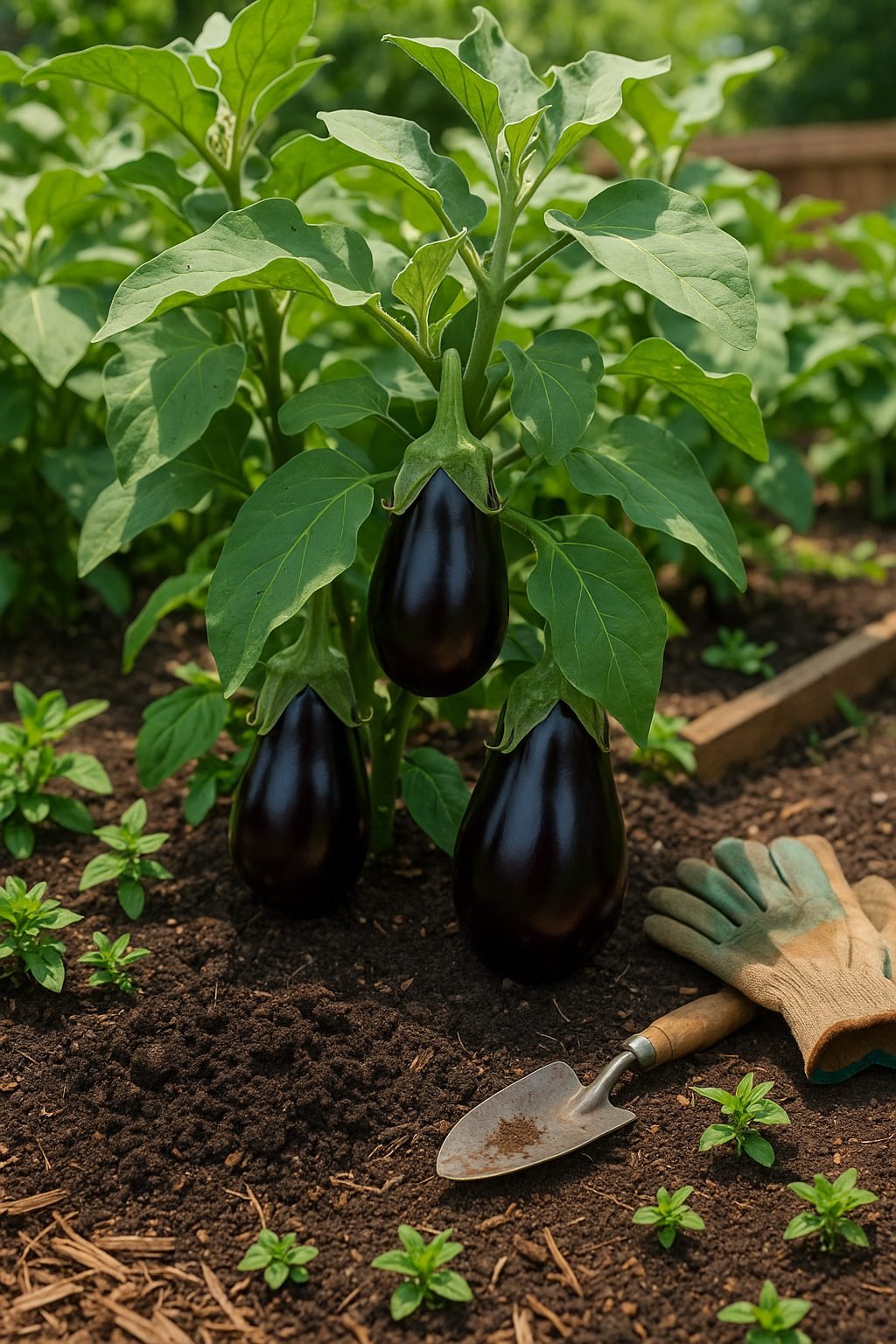
eggplant disease prevention is essential if you want a healthy and bountiful harvest. Growing eggplant can be incredibly rewarding but also challenging due to the plant’s vulnerability to pests and diseases. Anyone who’s grown eggplants knows how quickly a thriving plant can be struck by blight, wilt, or insect infestations—sometimes overnight.
That’s why understanding common pest and disease issues—and how to tackle them before they start—is so important for both new and seasoned gardeners. In this article, we’ll walk you through practical steps for eggplant disease prevention, including tips on choosing resistant varieties, optimizing soil health, maintaining effective garden hygiene, and using natural interventions against common pests.
You’ll learn real-world strategies like rotating crops, proper watering techniques, and how to spot early warning signs of trouble. With these preventive measures, you can enjoy beautiful, productive eggplants with far fewer headaches each season.
Preparing Soil and Planting Eggplant
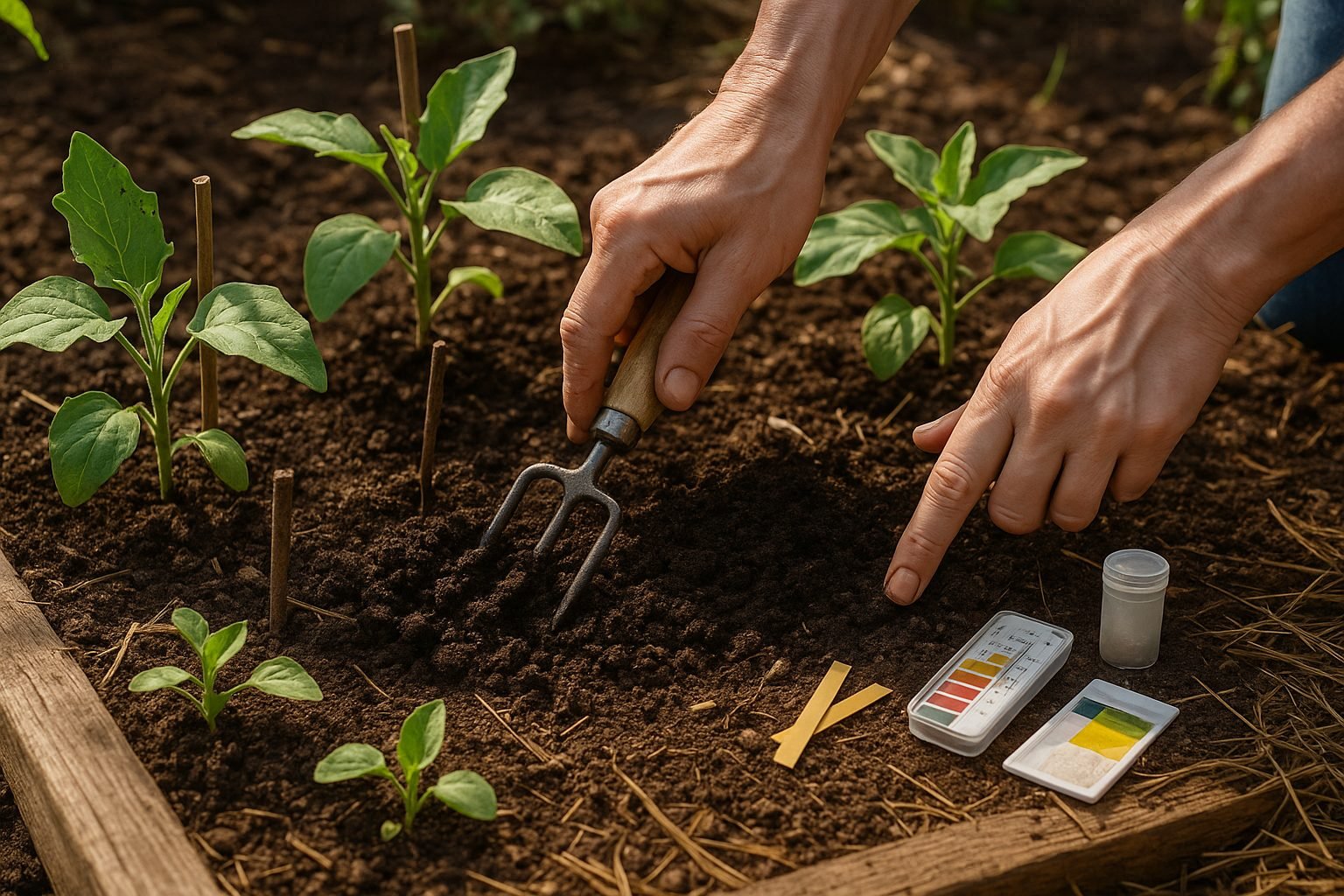
Getting your soil ready is the foundation for healthy eggplant plants and a high-yielding harvest. Start by picking a sunny spot with at least 6-8 hours of direct light each day—eggplants thrive in warmth and light.
Make sure the soil is loose, well-draining, and rich in organic matter; clayey or compacted soils can lead to waterlogging and root diseases. Improve your soil by mixing in compost or well-rotted manure before planting—about 2-3 inches worked into the top 8-10 inches of soil helps boost fertility.
Conduct a soil test if possible; eggplants prefer a slightly acidic to neutral pH, around 6.2 to 6.8, and you can adjust with lime or sulfur as needed.
For healthy starts, plant seedlings about 18-24 inches apart, making sure not to crowd them—this improves airflow and helps prevent fungal diseases.
Always avoid planting eggplants in the same spot where tomatoes, peppers, or potatoes grew in the last two years, as these crops share similar pests and diseases; crop rotation is a proven way to keep soil pathogens at bay.
Lastly, water at the base of the plants in the morning to keep foliage dry, further reducing the risk of disease and giving your eggplants the best start possible.
Common Eggplant Pests and Identification
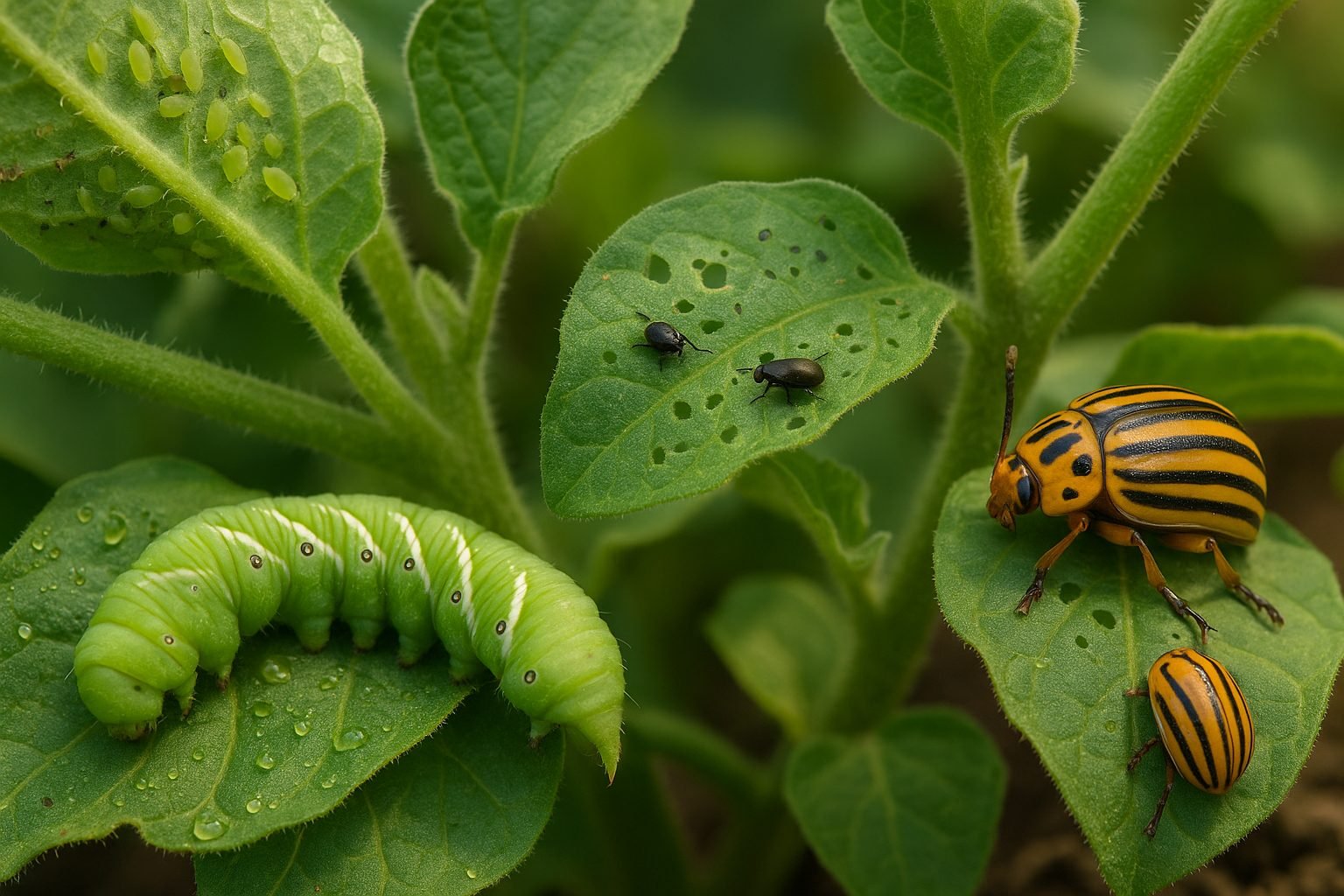
Eggplants attract a variety of pests that can quickly damage your crop if not caught early. Here are some common offenders and how to identify them:
- Aphids: Tiny, pear-shaped insects often found in clusters on the undersides of leaves. They leave behind sticky honeydew, which can attract mold or ants.
- Flea Beetles: Small, shiny black or brown beetles that leap like fleas when disturbed. They chew numerous tiny holes in leaves, creating a “shotgun” appearance that’s especially harmful to seedlings.
- Colorado Potato Beetles: Adults have yellow-orange bodies with black stripes on their wing covers, while larvae are plump, reddish with black dots. Both feed heavily on leaves, often skeletonizing them.
- Hornworms: Large green caterpillars with a signature horn at their tail end. They blend in with eggplant foliage as they chew through leaves, stems, and sometimes even the fruit. Look for missing chunks, black droppings on leaves, or wilted foliage as telltale signs.
Regularly checking your plants—especially the undersides of leaves and at the base of stems—makes it easier to spot eggs, larvae, or adult insects before infestations become serious. Early detection is vital because established pests can rapidly multiply and overwhelm your plants, making recovery much harder. By catching problems quickly, you can take targeted action and protect your eggplants from serious damage.
Effective Pest Control Strategies
When tackling stubborn garden pests, starting with non-chemical methods can be both effective and environmentally friendly. Hand-picking insects off plants is a time-tested approach—just stroll through your garden in the early morning when pests are sluggish, and drop them into a bucket of soapy water.
Row covers made from fine mesh can protect crops from flying insects without blocking sunlight or rain, forming a physical barrier between pests and your precious harvest. Rotating crops season to season is another smart strategy, as many pests and diseases build up in the soil if the same plant families occupy the same spot year after year. For example, planting your tomatoes where lettuce grew last year can make your garden less inviting to returning pests.
Traps, like yellow sticky cards or beer traps for slugs, offer another creative, low-impact tactic. Additionally, attracting beneficial insects—nature’s pest control army—brings long-term balance. Ladybugs, lacewings, and predatory wasps all feed on common garden pests. To invite these helpers, plant nectar-rich flowers like dill, yarrow, and alyssum near vegetable beds, and avoid broad-spectrum pesticides that can wipe them out.
If you must use insecticides, choose organic options such as neem oil, insecticidal soap, or diatomaceous earth. Apply them precisely according to label instructions, targeting only affected areas and timing treatments for late evening to minimize harm to pollinators. Combining these natural methods leads to healthier plants, fewer pests, and a thriving garden environment for seasons to come.
Recognizing and Managing Common Eggplant Diseases
Eggplant growers often face several common diseases, including blights, wilts, anthracnose, and gray mold. Blights, such as early and late blight, appear as brown or black spots with yellow halos on leaves, which can lead to defoliation. Wilts—caused by fungi like Verticillium or Fusarium—trigger yellowing and wilting, often starting on just one side of the plant before spreading.
Anthracnose creates circular, sunken spots on both fruit and leaves, while gray mold (Botrytis) appears as fuzzy gray growths, usually in damp, crowded conditions. Differentiating these diseases can be tricky, but close observation helps: wilts usually cause yellowing without visible spots, whereas blights and anthracnose show distinct lesions or rotting patches.
To minimize disease issues, prioritize cultural practices such as watering at the base of plants instead of overhead to keep leaves dry, and give each plant plenty of space for airflow by following recommended spacing guidelines. Opt for disease-resistant varieties when buying seeds, as these can withstand common soilborne problems.
Good garden sanitation is crucial—remove and dispose of any sick, fallen, or rotting plant material immediately to prevent disease spread. Rotate your planting spots each year and keep tools clean for the best results. By staying alert to early warnings and acting quickly, you can keep your eggplants healthier and increase your harvest.
Preventive and Organic Approaches
Practicing preventive and organic approaches in your home garden not only keeps plants healthy but also protects the environment and your family’s well-being. Start with agronomic basics like choosing disease-free, strong seedlings and rotating crops each season to disrupt pest life cycles and prevent soil nutrient depletion.
Boost soil health naturally by adding organic compost and aged manure, which improve soil structure and provide a steady nutrient supply. Regularly inspect your plants for early signs of pests or disease—catching issues early can help you avoid larger problems later on.
Folk remedies such as garlic or neem oil sprays are effective for deterring common garden pests. A simple soap-and-water mixture can control soft-bodied insects like aphids without harsh chemicals. Introducing beneficial insects, such as ladybugs or lacewings, can also help keep pest populations in check.
By minimizing chemical inputs, you foster a safer outdoor space for children and pets, encourage pollinators, and cultivate more resilient plants. Plus, the harvest tastes better and is safer for the table when your garden thrives on organic care and mindful monitoring.
Conclusion and Quick Reference Tips
Integrated pest and disease management is essential for keeping your eggplants healthy and productive throughout the season. By combining simple strategies, you can minimize crop losses and avoid heavy reliance on chemicals.
Make it a habit to inspect your plants regularly—look for signs like discolored leaves, holes, or wilting, and address issues promptly. Practice crop rotation each year to reduce disease build-up in the soil, and remove any affected leaves or plants early to prevent problems from spreading.
Above all, enjoy the process of growing your own food, and don’t hesitate to reach out to your local extension service if you need expert advice or troubleshooting. With these approaches, your eggplant patch can thrive and give you a bountiful harvest.