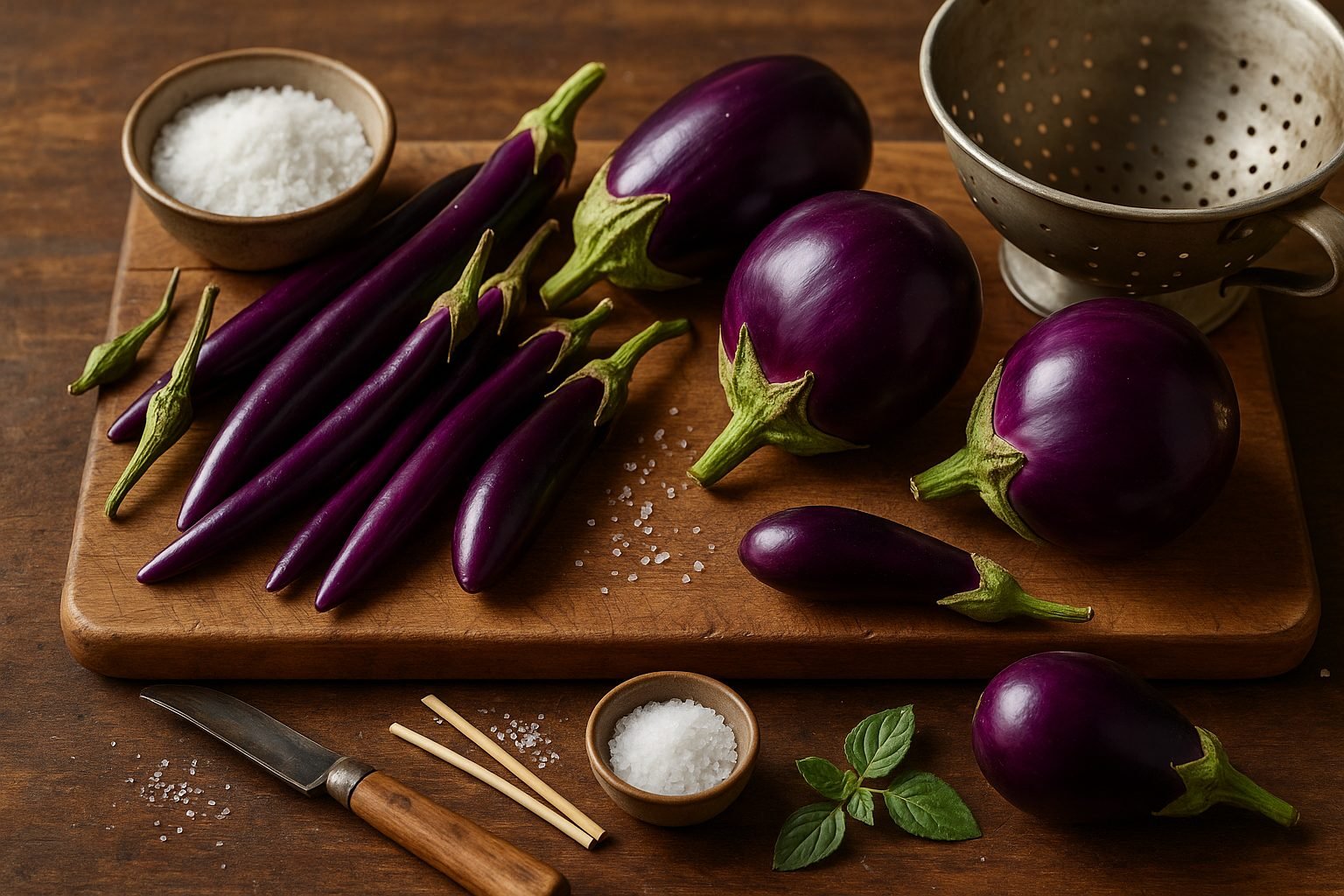
Introduction to Eggplant Bitterness
eggplant is a versatile vegetable used in everything from Mediterranean ratatouille to spicy Asian stir-fries, but nothing throws off a dish quite like the unpleasant surprise of bitterness. If you’ve ever wondered what causes eggplants to taste bitter, you’re not alone—many home cooks face this problem and end up with less-than-ideal results. Understanding why eggplants sometimes taste bitter is key to achieving the smooth, creamy texture and mild flavor you crave.
In this post, you’ll discover the main reasons eggplants become bitter, whether that bitterness is actually safe to eat, and practical ways to avoid or fix the problem. We’ll also share simple tips and recipe ideas to ensure your next eggplant dish is as delicious as possible. Say goodbye to bitter bites and hello to savory, satisfying meals!
Why Eggplants Become Bitter
Eggplants can turn bitter for several reasons, and knowing what causes this can help you pick and prep the best ones for your recipes. Variety plays a big part: older, larger, and dark-skinned eggplants are more likely to be bitter than smaller, lighter varieties like Japanese or Chinese eggplants, which tend to have sweeter flesh.
Maturity is another factor—overripe eggplants often develop a tough texture and a sharp, unpleasant flavor. Growing conditions matter too; eggplants exposed to drought, inconsistent watering, or extreme heat often become stressed, triggering the production of bitter-tasting compounds. One well-known compound is solanine, a naturally occurring substance found in nightshades that gives off a bitter flavor and can make the eggplant less enjoyable (and in high amounts, even mildly toxic).
Storage is also key: if an eggplant sits too long—either on the plant or on your countertop—it can start to lose moisture and flavor, resulting in increased bitterness.
How to Spot a Bitter Eggplant
Look for the following signs:
- Faded or wrinkled skin
- Brownish seeds
- Spongy texture when cut open
Taste-wise, a fresh eggplant should have a mild, neutral flavor and creamy texture; if you notice a sharp, astringent taste on the tip of your tongue, bitterness is probably present.
Tips for Choosing the Best Eggplants
- Choose firm, glossy eggplants
- Use them soon after purchase
Following these tips will help you avoid unpleasant surprises and enjoy eggplants at their best in your dishes.
Is It Safe to Eat Bitter Eggplant?
Eating a small amount of bitter eggplant is unlikely to cause harm, but it’s important to be cautious, especially if the bitterness is strong. Bitter eggplant contains higher levels of compounds called solanine and other glycoalkaloids, which may cause mild toxicity if consumed in large quantities.
Symptoms of solanine toxicity include stomach upset, nausea, vomiting, and, in rare cases, headaches or dizziness. While a mildly bitter bite is usually safe, a very bitter or sharply unpleasant taste can be a red flag indicating higher solanine levels—especially if the eggplant is old or improperly stored.
To stay safe, always choose fresh, firm eggplants with glossy skin and avoid those with brown or soft spots. If your cooked eggplant tastes unusually bitter, it’s best to discard it rather than risk potential symptoms.
Most eggplants sold in supermarkets today have been bred to be much less bitter, making them safe for regular cooking. For extra reassurance, you can soak slices in salted water before cooking to help draw out any lingering bitterness. Listening to your taste buds and using common sense is your best defense against unpleasant side effects.
How to Avoid Bitter Eggplants
When shopping for eggplants, choosing the right one goes a long way in avoiding bitterness. Look for smaller, younger eggplants—they tend to be less bitter than their larger, older counterparts. The skin should be glossy, taut, and free of brown spots or wrinkles; dull or blemished skin is a sign the eggplant may be overripe or starting to spoil, which can intensify bitterness.
Once home, store eggplants in a cool, dry place or in your refrigerator’s crisper drawer, and ideally use them within a few days for the best flavor and texture.
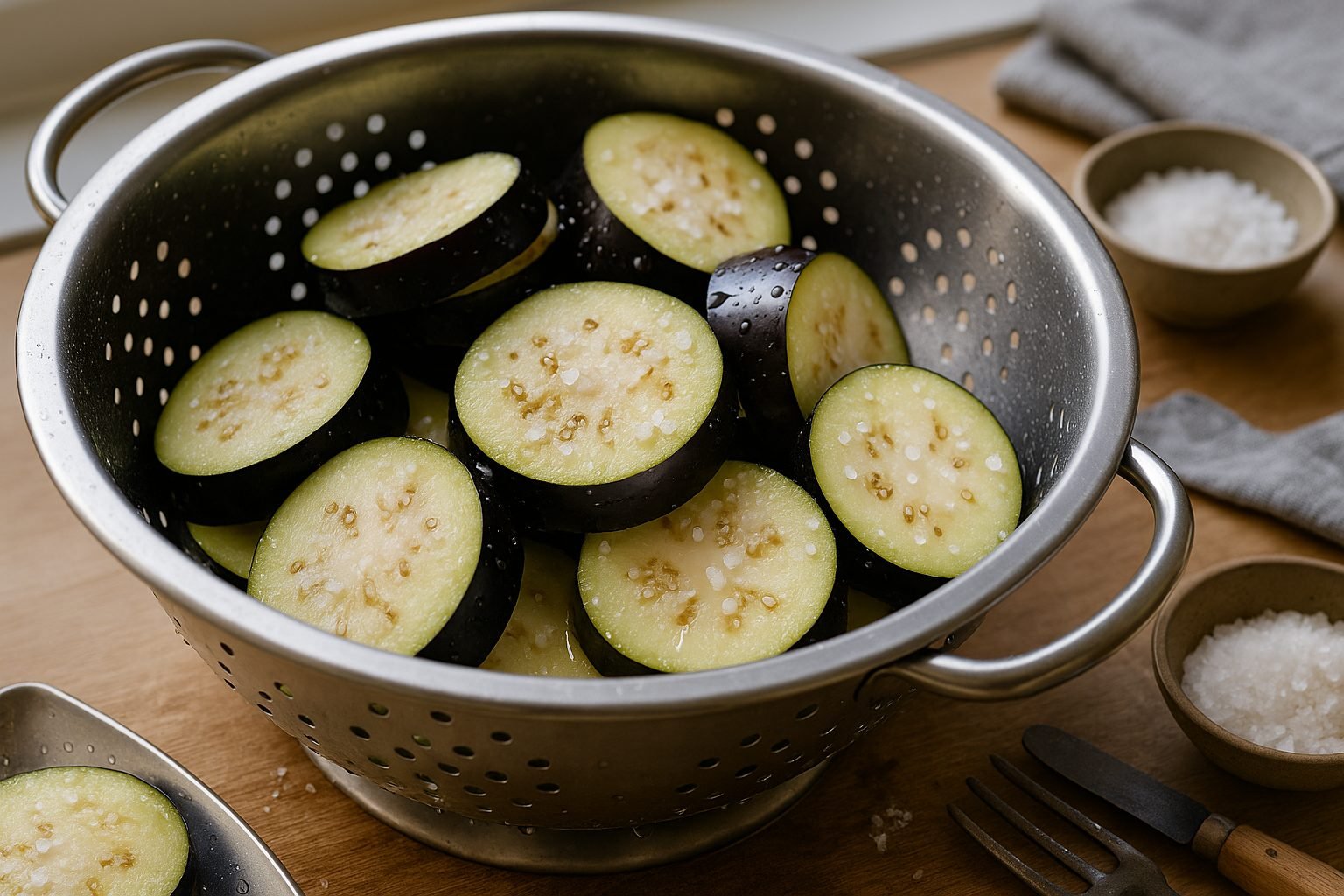
If you want to further reduce any potential bitterness, try the traditional salting method: slice or cube your eggplant, sprinkle generously with salt, and let it sit in a colander for about 30 minutes. You’ll notice beads of moisture form—this not only draws out some bitterness but also helps the eggplant absorb less oil during cooking. Afterward, just rinse off the salt and pat dry before cooking.
However, it’s worth noting that modern eggplant varieties have been bred to be much less bitter than older types. So, if you’re using fresh, recently developed varieties (like many found in supermarkets), salting may not be necessary. Reserve the salting step for larger, garden-grown, or heirloom varieties where bitterness might still be an issue.
Taking these quick, practical steps ensures you’ll serve up flavorful, tender eggplant every time.
Fixing or Masking Bitter Eggplants
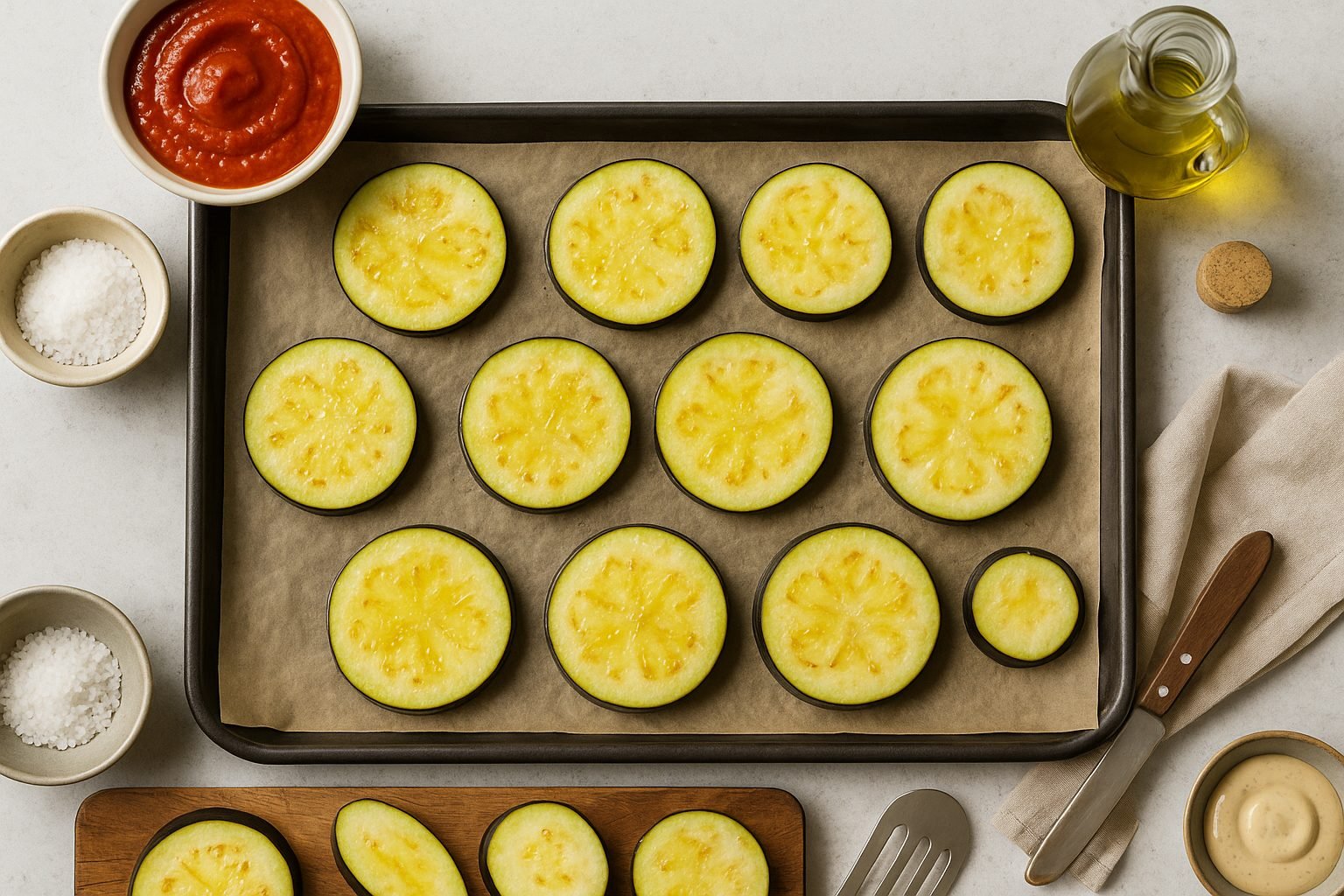
To fix or mask the bitter taste often found in eggplants, start by salting the slices. Cut your eggplant into rounds or cubes, then generously sprinkle salt over both sides—coarse kosher salt works best. Set the slices aside in a colander or on paper towels for about 30 minutes; you’ll notice beads of moisture forming on the surface as the salt draws out both water and bitterness.
After the wait, rinse the slices thoroughly under cold water to remove the extra salt and pat them dry with a clean towel. Now you’re ready to cook!
Grilling or roasting are top choices for reducing bitterness—these high-heat methods caramelize the natural sugars in eggplant, creating sweet, smoky flavors that balance any lingering bite.
If grilling, brush the slices lightly with olive oil and cook until nicely browned and tender. Roasting works well too; toss chunks with oil and bake at 400°F until golden.
To further mellow the flavor, pair cooked eggplant with tangy sauces like tomato-based marinara, creamy yogurt dips, or nutty tahini. Mixing it into vegetable stews or layering it with cheese and herbs in casseroles also helps mask bitterness and adds depth to your dish.
Favorite Eggplant Recipes to Try
Eggplant is a versatile ingredient featured in countless delicious recipes. Luckily, there are plenty of ways to enjoy it without the trademark bitterness. Classics like Eggplant Parmesan use thinly sliced eggplant that’s often salted and left to sit for 30 minutes before cooking—this draws out some of the bitter compounds, resulting in a sweeter, milder flavor.
Ratatouille combines eggplant with tomatoes, zucchini, and herbs; the natural sweetness of the vegetables and the slow simmering process both help mellow out any harsh notes. For an easy, crowd-pleasing option, try Grilled Eggplant: brush thick slices with olive oil, add a pinch of salt, and grill until golden. This lightly chars and softens the eggplant, masking any residual bitterness.
Stir-fries, baba ghanoush, and curries are other tasty ways to enjoy eggplant, often pairing it with strong seasonings or creamy sauces that help balance the flavors. Wherever your tastes lean, experiment with salting, peeling, or cooking eggplant thoroughly to achieve the perfect, mild bite.
Don’t hesitate to get creative and add these tricks into your own favorite recipes—once you know how to handle eggplant, you’ll keep coming back for more.