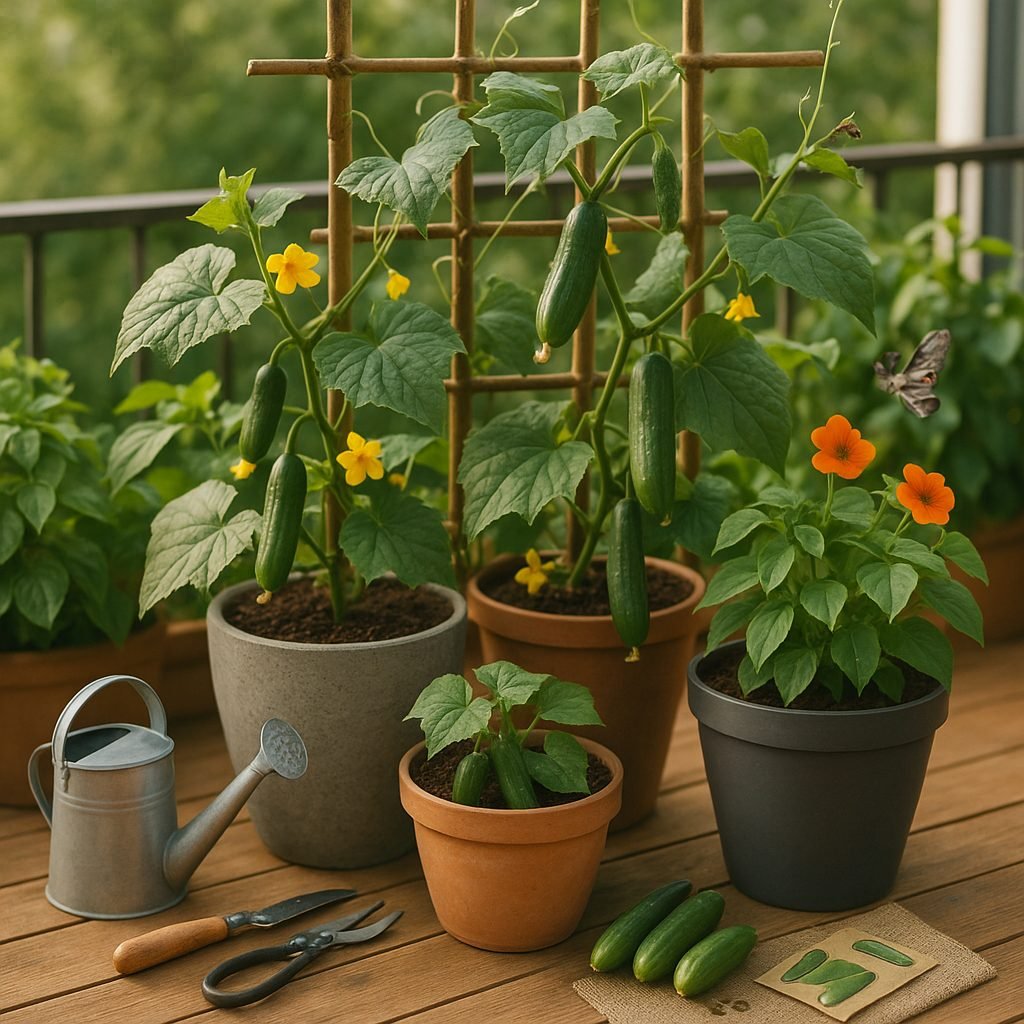
Choosing the Right Cucumber Varieties for Containers
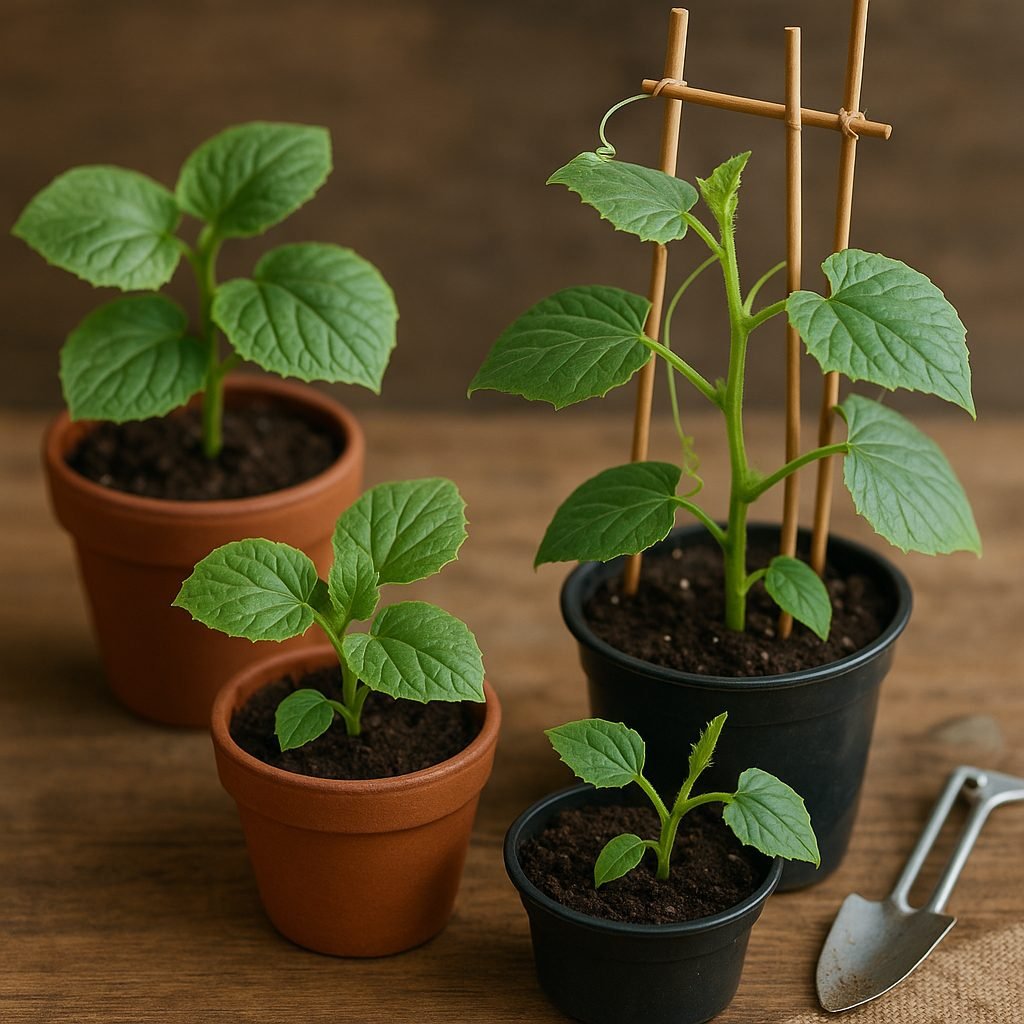
Growing cucumbers in pots opens up a world of fresh, crunchy harvests no matter how limited your garden space might be. But before you dive in, choosing the right cucumber variety is crucial for success in container gardening. Not every cucumber thrives in confined quarters—some send out sprawling vines better suited for large gardens, while others are bred for compact growth that fits perfectly in pots on patios or balconies.
Varieties labeled as “bush” or “container” types are your best bet; these stay manageable and pack impressive yields into each square foot. For instance, ‘Bush Champion’ and ‘Salad Bush’ are highly recommended for beginners, producing crisp, full-sized fruit on small, sturdy plants.
Looking for mini snacking cucumbers? Try ‘Spacemaster’ or ‘Bush Pickle’—both are disease-resistant and thrive in confined soil, making them perfect for busy urban dwellers. If you have a little more vertical space, compact vining types like ‘Patio Snacker’ or ‘Iznik’ stay tame yet productive, and take well to trellising in a large container.
Always check for varieties labeled as disease-resistant, such as those with resistance to powdery mildew or mosaic virus, for healthier plants and less worry. With the right choice, even a sunny doorstep can become your personal cucumber patch, offering reliable harvests and the satisfaction of homegrown produce from the smallest spaces.
Preparing Containers and Potting Mix for Healthy Cucumbers
Choosing the right container is the first step toward growing healthy, productive cucumbers. Aim for containers that are at least 12-18 inches deep and just as wide, giving cucumber roots enough room to spread and support vigorous growth. Materials like food-safe plastic, ceramic, or glazed clay work well, but be sure there are multiple drainage holes at the bottom to prevent water from pooling and causing root rot—a common snag in container gardening.
When it comes to potting mix, skip plain garden soil, which can become compacted and is prone to pests. Instead, fill containers with a high-quality potting mix specifically designed for vegetables, or blend your own using:
- Two parts peat moss or coconut coir
- One part perlite or vermiculite for aeration
- One part compost to boost nutrients
Before planting, mix in a slow-release, balanced fertilizer (such as 10-10-10) according to the package directions, so cucumbers have steady access to the essentials. Amending your mix with a handful of worm castings or an organic tomato fertilizer can further encourage strong growth and bigger harvests.
Throughout the season, keep an eye on the plants for signs of nutrient deficiency—yellowing leaves or stunted growth—and top dress with extra compost or a diluted liquid fertilizer as needed. With the right container setup and nourishing potting mix, your cucumbers will thrive and reward you with crisp, homegrown fruit all summer long.
Planting Cucumbers in Containers: Seeds or Transplants?
When deciding whether to grow cucumbers in containers from seeds or nursery transplants, it’s worth weighing both methods. Direct sowing seeds is cost-effective and lets you choose from a wider variety of cucumber types, but it requires a bit more patience since seeds can take one to two weeks to sprout, and seedlings are more sensitive to overwatering or chilling.
On the other hand, nursery transplants give you a head start with sturdy young plants ready to take off—just keep in mind that cucumber roots dislike being disturbed, so gently ease them from their pots to avoid transplant shock.
Starting from Seed
If starting from seed, plant two or three seeds about 1 inch deep directly into quality potting soil once outdoor night temperatures consistently reach 60°F (or 2–4 weeks before your last frost date if starting indoors). Keep the soil moist but not soggy; covering the container with cling film or a plastic dome can encourage germination by trapping heat and humidity.
Once seedlings have two true leaves, thin them to the strongest plant every 12 to 18 inches, or leave one plant per smaller container (minimum 12-inch diameter).
Using Nursery Transplants
For nursery transplants, plant at the same depth as in their starter pots, spacing them out to allow good airflow—crowding causes mildew in humid weather.
General Tips for Both Methods
- Ensure your container drains well.
- Place it somewhere with at least six hours of sunlight daily.
- Water regularly.
- Use a light, rich potting mix.
- Consider a trellis to save space and boost airflow, keeping leaves dry and your cucumbers healthy.
- Feed with a balanced fertilizer every two weeks during early growth to give your cucumbers a robust start.
Supporting Your Cucumber Plants: The Importance of Trellising
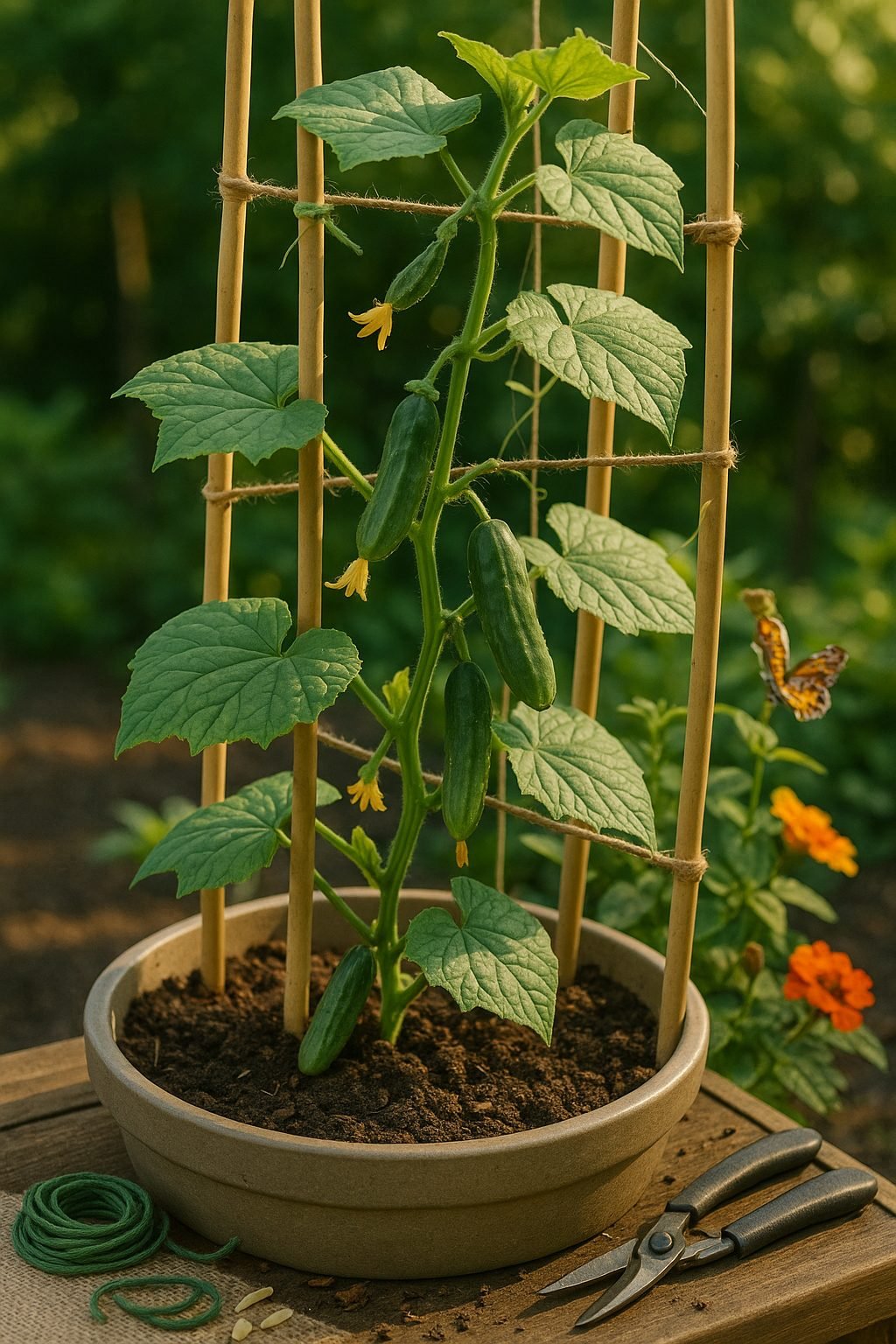
Trellising cucumber plants in containers is a smart way to maximize limited space while keeping your plants healthy and productive. Whether you use a classic vertical ladder, a sturdy tomato cage, or a homemade frame made from bamboo stakes or repurposed sticks, a trellis encourages cucumbers to climb upward instead of sprawling out.
This approach not only saves valuable patio or balcony space but also improves airflow and sunlight exposure for the vines, reducing problems like powdery mildew and rot, which thrive in tight, damp areas.
Trellis Options for Container Cucumbers
Store-bought trellises designed for tomatoes or peas often work well in large pots, but simple DIY versions are just as effective. For example:
- Tie twine in a fan shape between two tall poles.
- Create a mesh grid using garden netting attached to the inside of your planter.
Training Your Cucumbers
As your cucumbers grow, gently guide their vines onto the trellis, loosely securing tendrils with soft plant ties or strips of old T-shirt fabric to avoid damaging the stems. Regularly lifting leaves and training new growth upward helps you spot pests early and makes harvesting easier, since fruits hang off the ground and are easier to find.
With these methods, container-grown cucumbers can yield just as much—sometimes even more—than those planted in garden beds, because their leaves and fruit stay cleaner, healthier, and less vulnerable to disease.
Watering, Feeding, and Daily Care
Proper watering is essential for healthy container cucumbers since their roots can’t search wide for moisture like those grown in the ground. Aim to water your cucumbers deeply about once a day during hot weather, adjusting as needed if the soil dries out more quickly or stays damp after rain. Make sure the top inch of soil feels moist but not waterlogged—if it’s dry, it’s time to water. A good rule of thumb is to provide enough water so you see it draining from the bottom of the pot, ensuring the entire root ball gets hydrated.
Be on the lookout for symptoms of underwatering like wilted, droopy leaves and slow growth, and signs of overwatering such as yellowing leaves and consistently soggy soil, which can lead to root rot.
As for feeding, container cucumbers are heavy feeders and benefit from regular fertilization. Use a balanced water-soluble fertilizer (like 10-10-10 or 20-20-20) every two to three weeks from planting to harvest. If you prefer organic options, fish emulsion or compost tea can be applied at similar intervals.
Daily maintenance helps keep your plants productive and healthy. Check vines each morning or evening to catch any pests early and remove any diseased or damaged leaves to prevent the spread of problems. Prune gently by pinching off excessive side shoots, especially below the first few fruit clusters, to encourage good airflow and better fruit size.
If you’re growing vining types, train vines upward using a sturdy trellis or tomato cage to save space and make harvesting easier. Rotate your container every week to promote even sunlight exposure, and always keep an eye out for any changes like curling leaves or discoloration, which may signal a need to adjust care.
This daily attention will help container cucumbers thrive and reward you with a bountiful harvest.
Common Problems: Pests, Diseases, and How to Manage Them
Growing cucumbers in containers is rewarding, but it comes with a few common challenges, especially from pests like aphids, spider mites, and cucumber beetles. Watch for tiny bugs clustered under leaves, yellowing or stippled foliage, and holes or chewed edges—these are telltale signs.
Diseases such as powdery mildew (white, powdery patches on leaves), downy mildew (yellow, angular spots), and bacterial wilt (wilting vines) can also affect container cucumbers.
For organic control, try a strong spray of water to dislodge pests or use neem oil and insecticidal soap, both safe for food crops. Introducing beneficial insects like ladybugs to your space can naturally keep pest populations in check.
If issues persist, chemical controls like pyrethrin or horticultural oils labeled for vegetables offer another layer of defense, but always follow label directions closely to ensure safe use, especially on edible plants in small spaces.
Prevention Tips
- Select disease-resistant varieties
- Rotate container locations yearly
- Water from below to keep leaves dry
Regularly inspect your plants—checking leaves (including undersides) for damage or pests—so you can act quickly at the first sign of trouble. Prune off affected leaves promptly to stop problems from spreading.
By combining vigilant care with smart interventions, you’ll help your cucumbers thrive and keep your harvest healthy and abundant.
Harvesting and Enjoying Container-Grown Cucumbers
Knowing when to harvest your container-grown cucumbers is key to enjoying crisp, flavorful results. Most varieties are ready when they reach 6 to 8 inches long and have a uniform green color, though some pickling types are best at 3 to 5 inches.
Check daily, as cucumbers can quickly turn seedy or bitter if left too long, and overgrown fruit can slow down further production. A ripe cucumber should feel firm and smooth, with no yellowing—yellow spots usually signal overripeness.
To harvest without harming your plants, use clean, sharp garden scissors or pruners to snip the stem just above the fruit, rather than twisting or pulling, which can damage the delicate vines.
Once picked, cucumbers are wonderfully refreshing sliced into salads, layered on sandwiches, or blended into chilled soups and smoothies. Try making quick pickles by marinating them in vinegar and herbs for a crunchy snack.
For storage, keep unwashed cucumbers in a breathable bag or perforated plastic wrap in the crisper drawer of your refrigerator, where they’ll stay fresh for about a week. Avoid placing them near fruits like tomatoes or apples, which release ethylene gas and can speed up spoilage.
If you grow more than you can eat fresh, consider making refrigerator pickles or sharing extras with neighbors for a taste of summer sunshine.
With a little attention to timing and gentle harvest methods, you’ll enjoy an ongoing supply of fresh cucumbers from your container garden all season long.