
Introduction
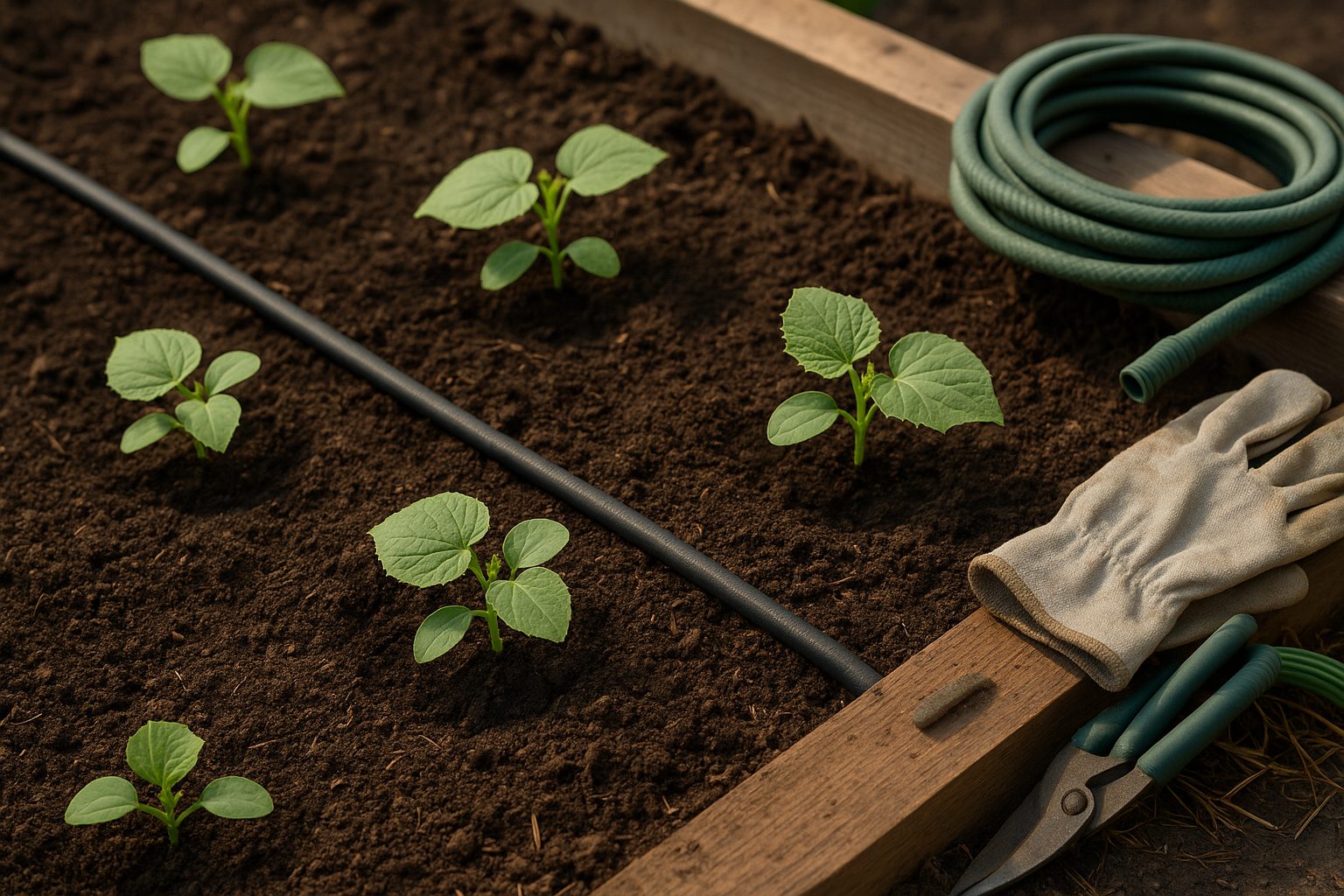
Choosing the right layout can make or break your garden, and this is especially true when following a cucumber spacing guide. Proper spacing is the secret to growing lush, healthy cucumber plants. Without enough room, your vines may compete for water, sunlight, and nutrients, leading to stunted growth and lower yields. Crowded cucumbers are also more vulnerable to common problems like powdery mildew, fungal diseases, and pest infestations—issues that can ruin a promising crop overnight.
On the flip side, giving your plants enough space improves airflow, makes harvesting easier, and helps maximize your harvest. In this guide, we’ll explore the specifics of cucumber spacing for everything from container gardens to sprawling beds. You’ll learn how spacing varies depending on the variety, growing method, and garden size, along with expert tips on what to avoid so your cucumbers thrive.
Whether you’re planting your first seeds or aiming to boost your yield, our clear, step-by-step advice will help you create the foundation for a healthy, productive cucumber patch.
Factors Influencing Cucumber Plant Spacing
When using a cucumber spacing guide, one of the first things to consider is the variety of cucumber you plan to grow—specifically, whether you’re planting bush or vining types. Bush cucumbers are generally more compact, making them ideal for small gardens or containers; they typically require 18–24 inches between plants, as they grow in shorter, denser mounds. Vining varieties, on the other hand, can sprawl several feet as they mature and usually need 36–48 inches of space between plants when grown on the ground.
However, introducing a trellis can help save space, as vining cucumbers can be trained to climb vertically. This allows you to reduce spacing between plants to about 12–18 inches since the vines use vertical rather than horizontal room. Trellises are a great solution for maximizing garden beds or fitting cucumbers into tighter spaces.
The type of gardening space also plays a big role: raised beds or traditional rows offer flexibility for wider spacing, whereas containers require careful selection of compact or bush varieties and close attention to plant crowding. Climate matters, too—warmer, humid regions can make close planting risky due to increased disease from lower air circulation. In these cases, spacing plants a bit farther apart is safer.
Always check the mature size listed on your seed packet or plant tag; underestimating how much room cucumbers need can lead to tangled, overcrowded plants, reduced airflow, and smaller harvests. Planning spacing based on these factors leads to healthier, more productive cucumber plants in any garden setting.
Cucumber Spacing Guide
When planning your cucumber patch, proper spacing is essential for healthy growth and easy harvesting. For bush cucumbers, which are compact and ideal for small gardens or containers, plant them about 18 to 24 inches apart in traditional garden beds. This spacing gives their small mounds enough room to branch out and maintains good air circulation to prevent disease.
If you’re growing bush cucumbers in containers, choose a pot that’s at least 12 inches wide and deep, and plant only one cucumber per container to avoid overcrowding.
For vining cucumbers, spacing depends on whether you’re using support. If you prefer to let vines sprawl on the ground and have enough space, plant them 36 to 48 inches apart, with rows about 4 to 5 feet apart, allowing the vines room to spread without tangling.
For gardeners with limited space or those who want cleaner fruit, trellising is a smart option. Space your vining cucumber plants about 12 inches apart along the base of the trellis. This vertical growing method promotes good air circulation, makes harvesting easier, and keeps fruit off the ground, reducing the risk of rot and pests.
Here’s a quick comparison for reference:
| Cucumber Type | Bed Spacing | Row/Container Spacing | Notes |
|---|---|---|---|
| Bush (in beds) | 18–24 inches apart | 3 feet between rows | Compact, needs airflow |
| Bush (in containers) | One per 12″ wide container | N/A | Single plant per pot |
| Vining (no support) | 36–48 inches apart | 4–5 feet between rows | Needs space to sprawl |
| Vining (trellised) | 12 inches apart | Trellis length as needed | Grow vertically |
Following this cucumber spacing guide will help each type thrive—whether you want to maximize yields, save space, or simply make harvests easier. Always adjust spacing slightly based on your garden’s sunlight, airflow, and soil fertility to keep your cucumber plants healthy and happy.
Cucumber Spacing Guide: How to Measure and Set Up Your Cucumber Spacing

Getting your cucumber spacing right starts long before you plant seeds or seedlings. First, gather a few simple tools: a measuring tape or ruler, stakes, string, and a small hand trowel. Begin by deciding on the type of cucumber you’re growing—vining varieties generally need about 36 to 60 inches between plants, while bush types can be spaced closer, at 18 to 24 inches apart.
Mark your rows using stakes at each end of your garden bed, then stretch string between them to create a straight planting line. Using your measuring tape, mark intervals along the string to pinpoint exactly where each plant will go—this avoids the common mistake of “eyeballing” and ending up with crowded plants.
To plant, use your trowel to dig holes at the marked spots along the string. As you dig, check your spacing with the tape to ensure accuracy, especially if the soil shifts. If you’re sowing seeds, place one or two per hole and thin the seedlings later to your chosen spacing. For transplants, set them gently and make sure they sit at the same soil depth as in their pots.
To maintain consistent spacing from row to row, use the string-and-stake method again, adjusting the distance between rows based on your cucumber variety—typically 36 to 48 inches for good airflow and sun exposure.
One practical tip: Lay down mulch or use garden markers right after planting to visually separate rows and keep paths clear. Re-check your spacing as the plants grow, pruning or adjusting trellises if vines start encroaching on neighboring plants. Consistent spacing, guided by simple tools and a careful setup, gives your cucumbers plenty of room to thrive, improving both yield and plant health.
Cucumber Spacing Guide
Spacing Adjustments for Limited Spaces
Maximizing your cucumber harvest in limited spaces is totally doable with a bit of planning and smart techniques. When working with small gardens or raised beds, the cucumber spacing guide changes slightly: instead of the usual row spacing of 36 to 60 inches, you can plant vining varieties just 12 to 18 inches apart if you train them to grow upward. This is where vertical gardening truly shines. Invest in sturdy trellises, cages, or netting to let the vines climb, saving valuable ground space for more crops.
Bush varieties are even more compact and can be spaced about 18 inches apart, making them perfect for raised beds and small patches. For containers, pick pots that are at least 12 inches wide; one healthy plant per container is a good rule, though sometimes you can fit two bush varieties in a larger pot if they have good airflow between leaves. Vertical supports are helpful here, too.
Don’t forget companion planting when dealing with tight spaces: cucumbers go well with basil, dill, or nasturtium, which help repel pests and promote healthy growth. Avoid planting cucumbers near potatoes or aromatic herbs like sage, as they can stunt cucumber development. Adding a few low-growing companions around the base maximizes space, boosts yields, and discourages weeds.
With these spacing adjustments, even the smallest garden can produce crisp, healthy cucumbers all season long.
Problems Caused by Improper Spacing (and How to Fix Them)
Improper cucumber spacing is a common mistake that can lead to several problems in the garden. When plants are too close together, airflow is restricted, and moisture lingers on the leaves, creating an ideal environment for diseases like powdery mildew and downy mildew. Crowded cucumber vines also compete for sunlight, water, and nutrients, resulting in stunted growth and fewer, smaller fruits.
You might notice yellowing leaves, spindly vines, or flowers dropping without producing cucumbers—these are clear signs your plants don’t have enough space. Overcrowding also attracts pests since dense foliage makes early infestations harder to detect.
If your cucumber patch is too congested, don’t worry. Start by carefully removing weaker seedlings, ensuring at least 12-18 inches between each plant, which is typically advised in any cucumber spacing guide. For established vines, gently separate and replant some, or use stakes and trellises to train them upward, freeing up space below.
Improving airflow and sunlight access—even mid-season—can greatly help your cucumbers recover and yield a healthy, abundant harvest.
Conclusion & Quick Reference Chart
Proper cucumber spacing isn’t just about neat rows—it’s essential for healthy growth, easier maintenance, and bigger harvests. By following the right guidelines, your cucumber plants will get better airflow, reducing the risk of disease, while each vine receives the light and nutrients it needs to thrive. Overcrowding causes competition, stunted fruit, and more pests, whereas a well-spaced patch promises crisp, abundant cucumbers all season long. Whether you’re growing slicers or picklers, bush or vining types, a little planning upfront pays off with less frustration and tastier produce. Use this quick reference chart for your next planting:
- Bush types: 12–18 inches apart
- Vining types (ground): 36–60 inches apart
- Vining types (trellised): 12–24 inches apart
- Rows: 4–6 feet apart
Apply these cucumber spacing guide tips this season for healthier vines and a bumper crop straight from your garden!