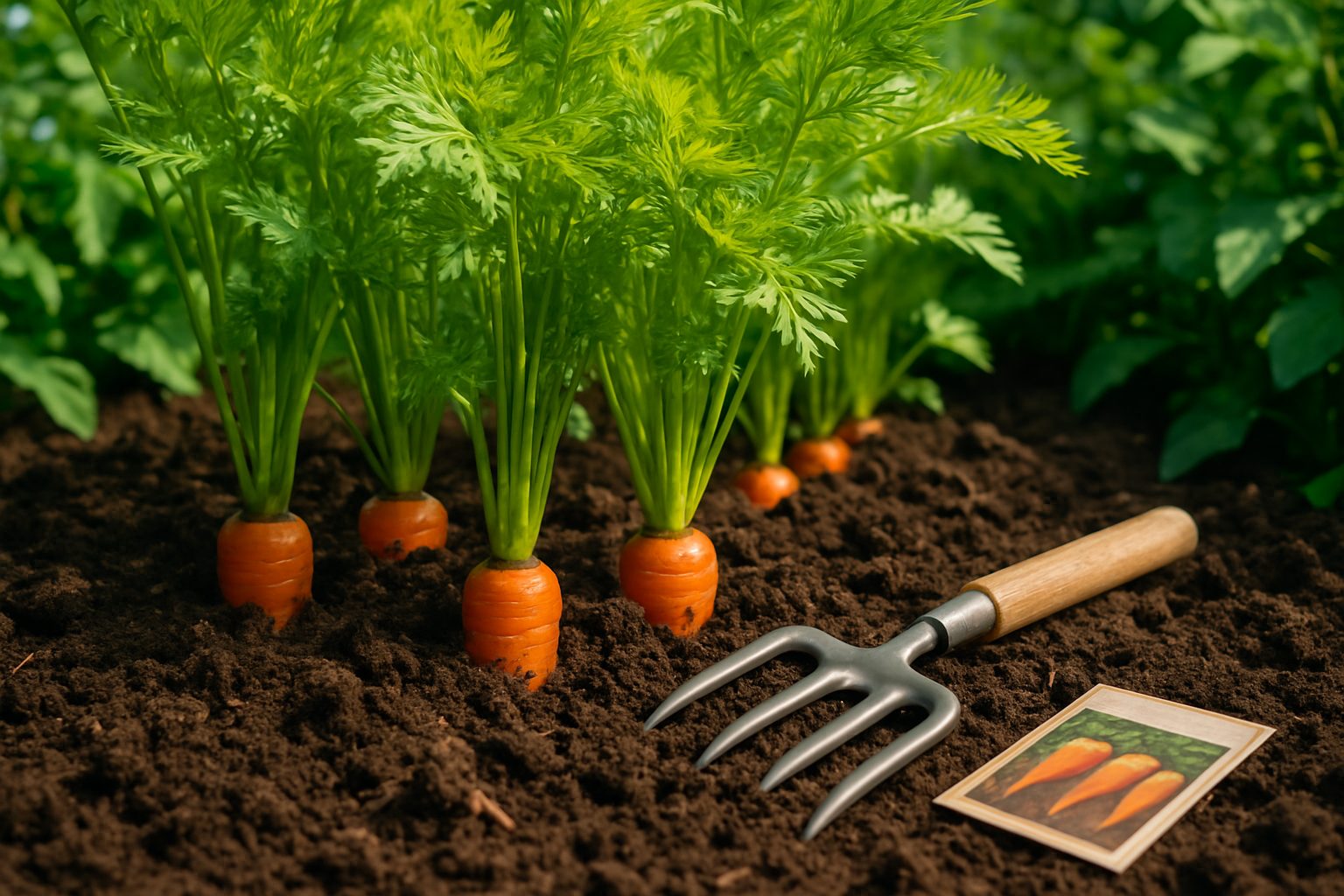
Why Choose Fast Growing Carrots?
If you’re looking to maximize your harvest, fast growing carrots can be a real game changer. These quick-maturing varieties let you enjoy crisp, sweet carrots weeks earlier than standard types, making them perfect for gardeners who don’t want to wait months for their first harvest. One major advantage is that you can fit two or even three planting rounds into a single season—start a batch in early spring, and by the time they’re ready to harvest, you can sow again for a late-summer crop. This keeps your garden productive and your kitchen stocked with fresh veggies.
But the benefits go beyond just speed. Fast-maturing carrot varieties often reach harvest before late-summer pests like carrot rust flies become a problem. By beating the peak of insect activity, gardeners enjoy cleaner, undamaged roots. This makes fast growing carrots popular among new gardeners and those living in cooler climates or with short growing seasons, where every week counts. Plus, these carrots are bred for a tender texture and rich, sweet flavor—perfect for snacking straight from the soil or brightening up salads.
There’s something especially satisfying about sowing seeds and seeing results in what feels like no time at all. Whether you’re a beginner eager for an easy win or an experienced gardener aiming to boost yields, choosing fast growing carrots can bring a rewarding sense of accomplishment—and plenty of delicious, homegrown produce—throughout the season.
Key Factors That Affect Carrot Growth Speed
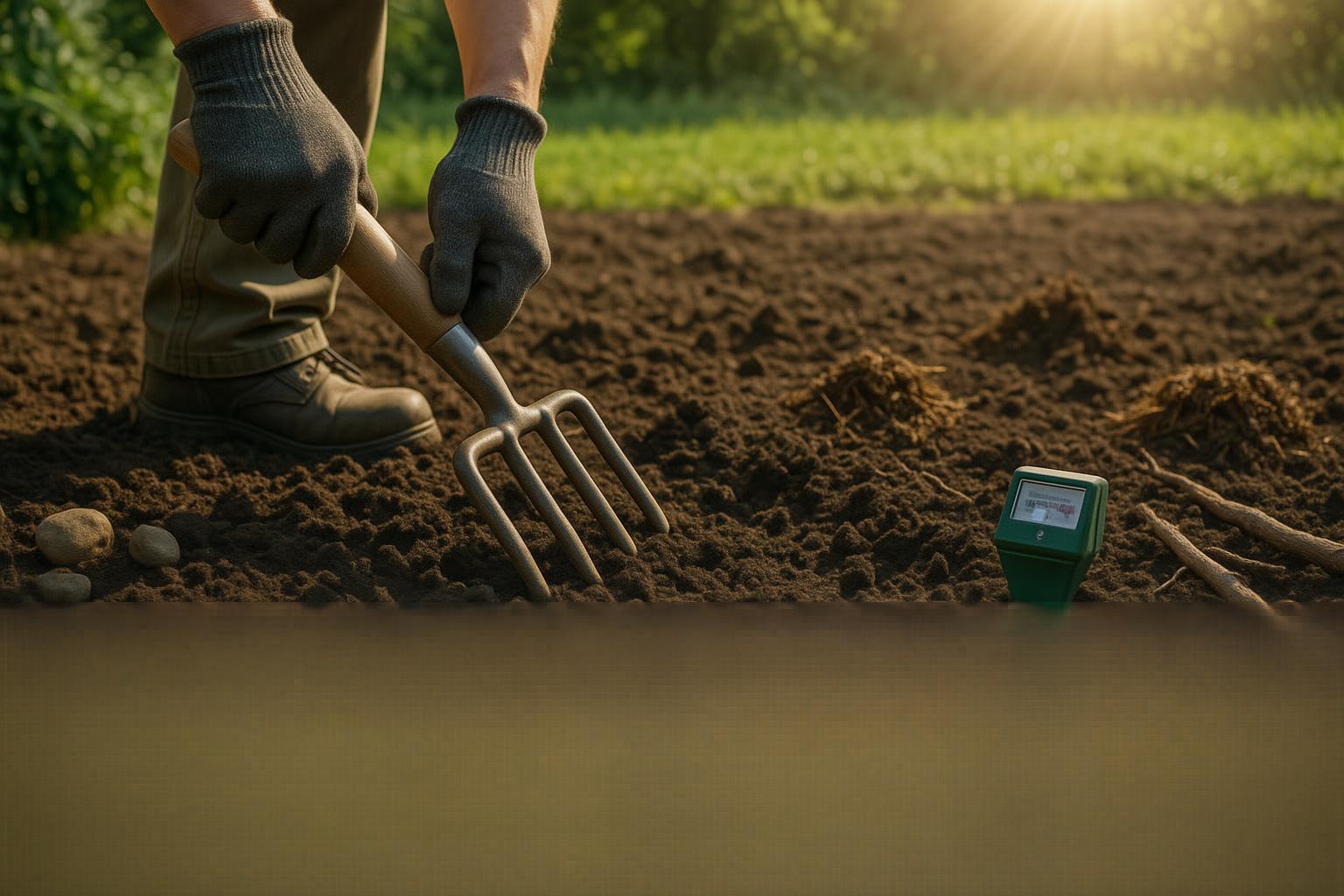
When it comes to growing fast growing carrots, several key environmental factors significantly impact how quickly your crop matures. First, soil temperature is critical—carrots germinate best when soil temperatures range between 55°F and 75°F. Cool, steady temperatures in early spring or fall usually promote the fastest and most even emergence, reducing the risk of bolting or slow growth.
Light is another essential factor; carrots need full sun (at least six hours daily) to maximize photosynthesis and support steady development. Consistent moisture is also important: regular, shallow watering keeps the upper soil moist without becoming waterlogged, since uneven moisture can cause roots to split or stunt growth.
Soil structure plays a big role, too—loose, sandy-loam soils allow rapid root penetration and straight growth, while compacted or rocky soils slow development and lead to stubby or misshapen carrots. Although you can improve these conditions with good soil preparation and attentive watering, genetics also matter.
Early-maturing carrot varieties have been bred specifically to sprout and grow faster—examples include ‘Adelaide,’ ‘Nelson,’ and ‘Yaya.’ These can be ready to harvest in just 50 to 60 days, compared to 70 to 80 days for typical main crop types. In practice, choosing a fast growing carrot variety combined with ideal environmental conditions is crucial.
Even the quickest varieties struggle to grow rapidly in dense, cold soil or deep shade, while slow-maturing types lag no matter how perfect the conditions. For the fastest results, pair early varieties with optimal weather, sunlight, moisture, and soil preparation.
Top 5 Fast Growing Carrot Varieties
If you’re eager to enjoy homegrown carrots in record time, focusing on the fast growing carrots is the way to go. First up is ‘Early Nantes,’ a beloved classic that’s ready to harvest in just 58-65 days. These carrots grow about 6-7 inches long, boast a bright orange color, and offer a sweet, crisp flavor. Their cylindrical, blunt-ended shape makes them perfect for fresh snacking and salads.
Next, ‘Adelaide’ is a petite variety maturing in only 50-60 days. These 3-4 inch “mini” carrots are vivid orange, tender, and extra sweet—ideal for container gardening, small raised beds, or children’s lunchboxes. Another standout is ‘Little Finger,’ which produces slender 3-4 inch roots in 55-65 days. With smooth, deep orange skin and a mild, sugary flavor, they’re popular for pickling, garnishes, or early fresh eating.
‘Amsterdam Forcing’ is bred for speed, reaching full size in about 50-55 days. Expect slim 5-inch roots with a rich orange color and a delicate, almost buttery taste that chefs love for soups and sautéing. Lastly, ‘Parmex’ is a round, ball-type carrot ready to harvest in just 50 days. These globe-shaped carrots are about 1.5 inches in diameter, intensely sweet, and have few to no woody cores, making them perfect for roasting whole or adding an eye-catching touch to vegetable platters.
When shopping for seeds, look to reputable companies like Johnny’s Selected Seeds, Baker Creek Heirloom Seeds, or local nursery co-ops. These sources typically offer fresh, high-germination seeds, and some provide helpful growing guides tailored to your region. Wherever you plant them, sow seeds directly into loose, well-drained soil and maintain steady moisture for the best results—fast growing carrots reward attentive gardeners with speedy, delicious harvests.
Tips for Accelerating Carrot Growth
Growing fast growing carrots to their full potential requires more than just choosing the right variety; it’s about creating the perfect environment for speedy, healthy growth. Start by pre-watering the soil a day or two before sowing seeds—this gives young roots immediate access to moisture, jumpstarting germination. Using lightweight row covers traps crucial warmth in early spring and protects seedlings from carrot flies and drying winds, both of which can slow development.
Once seedlings reach about two inches tall, thinning is essential. Crowded carrots compete for nutrients, sunlight, and space, leading to spindly roots that grow slowly or not at all. Aim for 2-3 inches between plants to encourage robust, uniform carrots. Consistent soil moisture is key—irregular watering often causes tough or split roots. Drip irrigation or soaker hoses help maintain even moisture without waterlogging the soil.
Fertilization can be helpful but requires a careful approach. Use a balanced, low-nitrogen fertilizer or plenty of well-aged compost before planting. Over-fertilizing, especially with nitrogen, promotes lush green tops but delays root growth and harvest. Keep weeds to a minimum, as they compete for nutrients and water, slowing your carrots’ progress. A thick layer of organic mulch helps suppress weeds and retain consistent soil moisture.
Avoid heavy clay soils whenever possible; they restrict root growth, resulting in short, stubby carrots and warm up slowly in spring, delaying germination. If clay soil is your only option, mix in sand and organic matter before sowing. Fast growing carrots thrive in loose, well-drained soil that allows roots to stretch quickly. By focusing on these key factors—watering, covering, thinning, soil care, and weed control—you can cut days or even weeks off the average carrot’s time from seed to harvest.
Succession Planting with Fast-Growing Carrots
Fast-growing carrots make succession planting easy and efficient, allowing you to enjoy fresh, homegrown carrots almost year-round. Some varieties, like ‘Amsterdam Forcing’ and ‘Adelaide,’ can mature in just 50 days, so you don’t have to settle for just one harvest per season.
Start by sowing your first batch as soon as the soil is workable in spring. Then, every 2-3 weeks, plant another row or container of seeds. This staggered planting schedule ensures you’ll be harvesting fresh, tender carrots well before your initial crop runs out.
For small gardens or container growers, planting a new small patch each time the previous crop reaches finger size helps prevent overproduction and waste. By the time you plant your last seeds—usually around midsummer—you could have nearly six months of continuous harvests.
Succession planting offers more than just a steady supply; it maximizes your growing space by keeping soil actively used and reduces pest and heat stress, as young plants are less vulnerable than those left in the ground too long. With a simple routine, fast-growing carrots can turn even a tiny garden or balcony container into a continuous carrot patch.
Troubleshooting Slow-Growing Carrots
If your fast growing carrots are taking longer to sprout or seem stunted, several common issues might be holding them back. One of the biggest culprits is poor soil preparation. Carrots need loose, stone-free soil that lets their slender roots grow easily. If your soil is compacted or heavy with clay, try tilling in sand or compost before planting your seeds.
Pests like carrot flies and root maggots can also slow their growth. Check for signs such as tiny holes or misshapen roots, and use floating row covers or plant strong-smelling companions like onions to keep these pests away. Extreme heat can stress carrots, too, causing slow growth or even bolting. During hot weather, mulch the soil to keep it cool and water consistently, aiming to keep the soil moist but not waterlogged.
To identify problems, gently inspect a few roots for deformities or decay, watch the foliage color, and note if seedlings appear within the usual two-week period. Regularly monitor moisture levels and watch for early pest activity so you can quickly adjust things like thinning seedlings or improving irrigation. With a bit of care and attention, your fast growing carrots will regain their momentum and reach harvest sooner.
Final Thoughts – Picking the Perfect Carrot for Your Garden
Choosing fast growing carrots for your garden offers several benefits beyond just a speedy harvest. These varieties allow you to enjoy crisp, sweet carrots in as little as 50 to 60 days and make it possible to plant multiple rounds in a single season. Fast-maturing carrots are especially useful in areas with short summers or for gardeners new to root crops who want quick results.
Each carrot variety brings unique flavors, shapes, and colors—so don’t hesitate to experiment and find the ones that thrive in your growing conditions and suit your taste buds. Whether you have a large backyard or just a few containers on a balcony, fast growing carrots make fresh, homegrown produce accessible to every gardener. With a little curiosity and care, you’ll soon discover the perfect carrots to make your garden both productive and delicious.