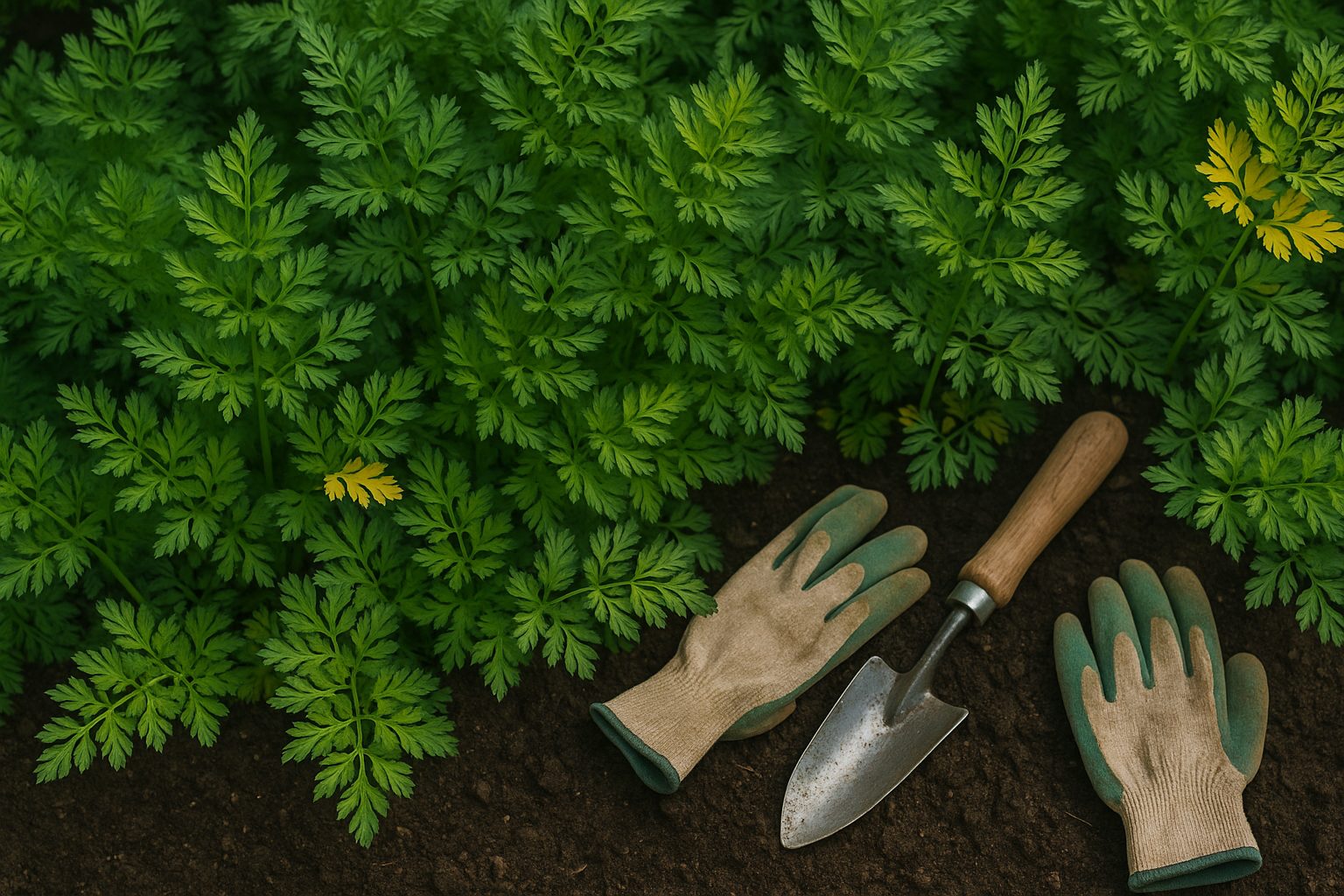
Common Causes of Yellowing Carrot Leaves
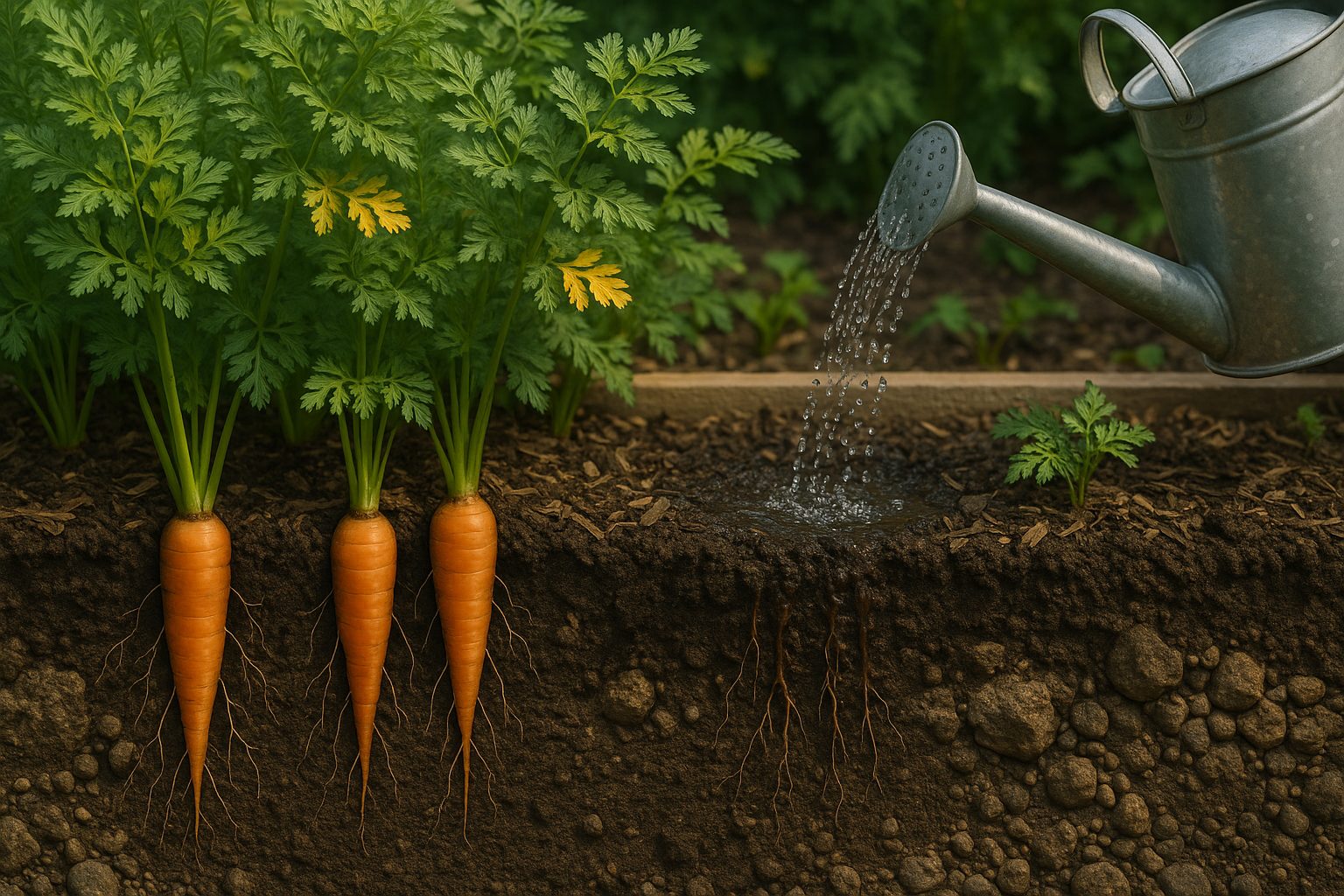
Noticing yellow carrot leaves in your garden can be worrying, especially after you’ve spent time nurturing your crop. Yellowing foliage is often a red flag that something isn’t quite right above or below the soil—catching these clues early can make all the difference in your carrot harvest.
One of the most frequent reasons for yellow carrot leaves is nutrient deficiency, with a lack of nitrogen being the top culprit. Carrots need consistent access to nutrients for strong, healthy leaf growth and root development. If your soil is depleted or imbalanced, the leaves often show it first by turning pale or faded yellow.
Improper watering is another common cause. Both underwatering and overwatering can stress the plants. Carrots like their soil moist but never soggy—a struggling plant might react to dry spells by yellowing its leaves, while poor drainage causes roots to sit in water, depriving them of oxygen and triggering the same symptom. If your garden holds water long after rainfall, consider amending the soil with organic matter or planting in raised beds to improve drainage.
Environmental factors also play a big role. Sudden weather events, such as heat waves or unexpected cold snaps, can shock carrot plants and cause leaf yellowing. For example, a heatwave might dry out the soil too quickly, while a cold snap can temporarily stunt growth—both resulting in stress symptoms. Mulching can help moderate soil temperature swings and conserve moisture.
Correctly identifying what’s behind your yellow carrot leaves is crucial for effective intervention. Examine your watering habits, inspect your soil health, and monitor the weather. Adjusting your care to match your carrots’ actual needs will boost their vitality and help you grow vibrant, green foliage—and healthy, delicious roots.
Identifying Pests and Diseases That Cause Yellow Leaves
Yellowing leaves in your garden carrots can be a red flag for both pests and diseases, but understanding the difference helps you solve problems faster.
Major pests like aphids are tiny green, black, or gray insects that cluster on leaf undersides, sucking out plant juices and leaving leaves curled, stunted, and yellowed. If you spot sticky residue (honeydew) or ants around your carrots, suspect aphids. Carrot rust flies are another culprit, with their larvae tunneling into roots, causing the tops to wilt and yellow while roots show rusty tracks. Nematodes, invisible to the eye, live in the soil and cause swollen, knobby roots along with pale, limp foliage.
Diseases, on the other hand, reveal themselves differently. Carrot leaf blight starts as yellow-brown spots with a watery halo, usually spreading from the leaf tip or edges. Powdery mildew coats leaves with a white, dusty appearance, sometimes causing them to yellow and curl as the infection covers more surface. Root rot, typically from overwatering or poorly drained soil, causes yellowing from the base upward and makes roots mushy, brown, or foul-smelling when pulled.
To tell pests from diseases, look closely: pest damage often involves chewing marks or misshapen roots, while diseases produce spots, mold, or a fuzzy coating. If you see holes or irregular edges, think pests; if you see patterns or fuzzy growth, think disease.
Keep your garden healthy by:
- Inspecting plants weekly
- Removing affected leaves promptly
- Rotating crops
- Using row covers or organic sprays as needed
These small, quick checks and knowing the visual signs will help you catch problems early and keep your carrot patch in good shape.
Nutrient Deficiencies and Soil Issues
Yellowing leaves on your carrot plants often point to nutrient deficiencies, commonly in nitrogen, potassium, or magnesium. When carrots lack nitrogen, their leaves can fade to pale green or yellow since nitrogen fuels healthy leaf growth. Potassium deficiency shows up as leaf edges turning yellow or brown, while overall sluggish growth may also signal a lack of essential nutrients.
Soil issues make things worse—compacted or poorly draining soil limits root access to nutrients, while imbalanced pH (too acidic or alkaline) locks out key minerals. To address these problems, start with a soil test, available at most garden centers or through extension services; this quick check reveals your soil’s nutrient levels and pH.
If your test shows low nitrogen or potassium, carefully mix in compost or a balanced, slow-release fertilizer at planting and mid-season. For pH outside the optimal 6.0–6.8 range, use limestone to raise (make less acidic) or sulfur to lower (make more acidic) your soil’s pH, following package directions.
Loosen heavy clay soil with compost or sand to improve drainage and reduce compaction—carrot roots grow best in fluffy, nutrient-rich earth. Simple steps like mulching and rotating crops also help maintain soil health over time. Paying close attention to your soil pays off with greener leaves and more vibrant, flavorful carrots.
Watering Mistakes and Environmental Stress
One of the most common causes of yellow leaves in plants is improper watering, which can mean either too little or too much water. Underwatering stresses the roots, making leaves look limp and turning them yellow or brown at the edges. You’ll likely notice dry soil and wilted foliage as warning signs.
On the other hand, overwatering suffocates the roots, since excess water pushes out the oxygen they need. This leads leaves to yellow and drop early—even when the soil feels wet. If you have waterlogged or poorly drained soil, roots can rot over time, which often causes persistent yellowing and mushy stems.
To fix this, try mixing in coarse sand or compost to improve drainage, or switch to raised beds and pots with drainage holes for container plants.
Beyond watering, environmental stress plays a big role. Sudden temperature swings, like bringing an indoor plant near a drafty window or heating vent, can shock the plant, causing yellowing and leaf drop. Additionally, inadequate sunlight can leave plants pale and sickly, while excessive direct sun can scorch leaves, leading to crispy yellow or brown patches.
Always match your plant to its light needs—if your plant prefers shade, place it away from southern windows. Sun lovers, meanwhile, will thrive where sunlight is plentiful. Paying attention to these simple details can help your plants stay lush and green all season.
Fixing Yellow Leaves: Step-by-Step Remedies
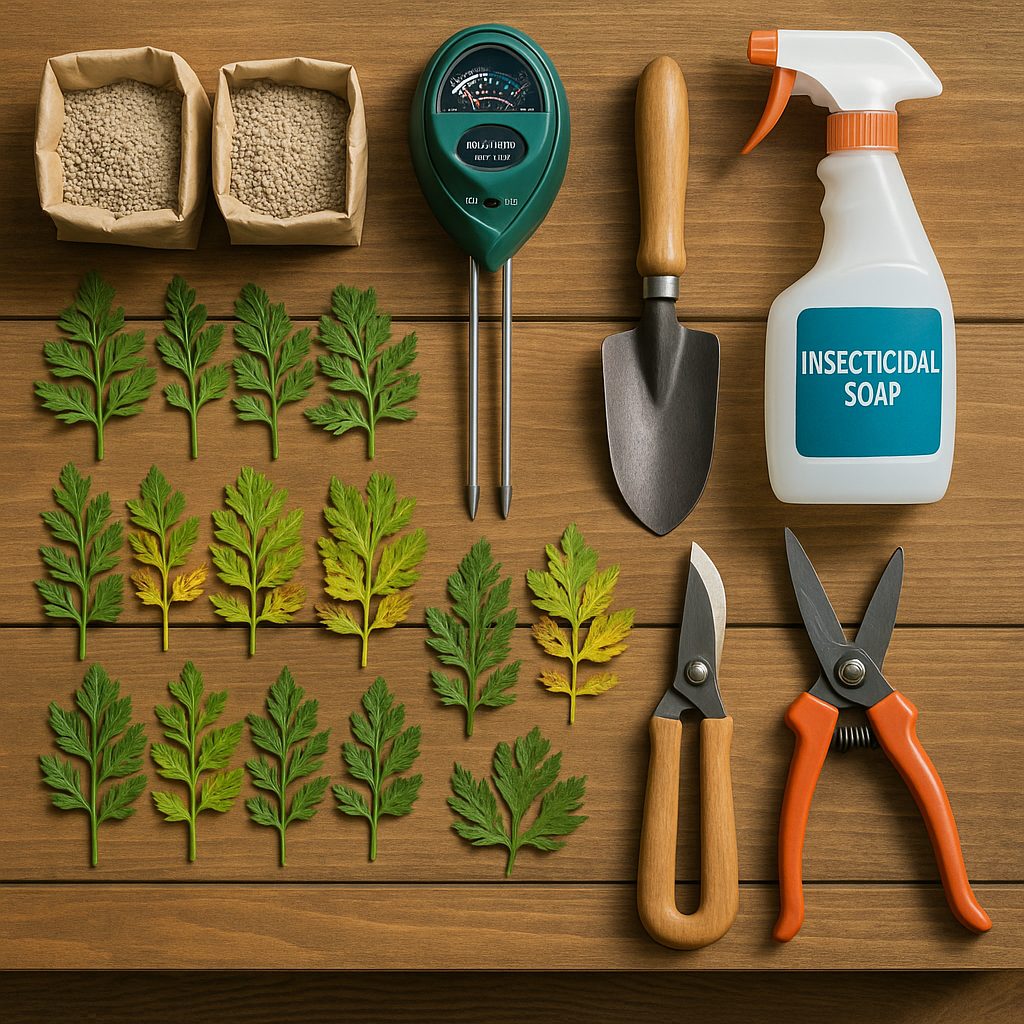
When you spot yellow leaves on your carrot plants, a quick and organized checklist can help you solve the problem before it spreads. Start by inspecting the plants closely—look for signs of overwatering (wilting, soggy soil), underwatering (dry, brittle leaves), pests (small bugs or holes), and diseases (spotting, mold, or mildew).
Next, test your soil’s moisture by poking your finger about an inch deep; if it feels too wet or too dry, adjust your watering routine. Carrots like consistent, moderate moisture—aim to water when the top inch of soil is dry, and always water at the base to avoid splashing leaves.
If you find yellowed leaves with no pests or spotting, gently remove them to encourage healthy growth. Improve the soil by mixing in compost or organic matter, which helps retain moisture and provides nutrients. Poor soil can also mean nutrient deficiencies; try adding a balanced vegetable fertilizer, following the instructions for your garden size.
For pests, control aphids or leaf miners with a blast of water or insecticidal soap, and handpick visible bugs. For diseases like leaf blight, promptly remove and dispose of affected foliage, avoid overhead watering, and, if necessary, use an approved fungicide.
Crop rotation is a long-term strategy—avoid planting carrots or close relatives in the same spot every year to reduce disease buildup. Whenever you treat your plants, monitor them for a week and adjust your approach if needed.
By following this step-by-step checklist, you can quickly identify the cause and apply effective remedies, helping your carrot crop bounce back greener and stronger.
Preventative Practices for Healthier Carrot Plants
Keeping your carrot plants healthy starts with a few smart preventative practices that go a long way toward avoiding yellowing and other common problems. First, give your carrots plenty of space—crowded plants compete for light and nutrients, which can leave them weak and more susceptible to yellowing leaves. Aim for at least two inches between seedlings when thinning.
Rotate your crops each year, avoiding planting carrots or other root vegetables in the same spot two seasons in a row. This helps break cycles of soil-borne diseases.
Mulching is another underrated hero; a simple layer of clean straw or grass clippings helps the soil retain moisture, regulates temperature, and can even keep weeds (which harbor pests and disease) at bay.
Choosing disease-resistant carrot varieties is an easy win—look for types labeled with built-in resistance to common threats like Alternaria or powdery mildew.
Proactive pest control is also key; inspect foliage regularly for signs of aphids or carrot rust fly and use row covers or safe organic sprays as needed.
Don’t skimp on soil enrichment, either. Carrots thrive in loose, fertile earth, so add compost or well-rotted manure between plantings to maintain nutrient levels.
Throughout the growing season, stay observant: wilting, discoloration, or stunted leaves can be early clues of trouble. A quick response—removing affected plants or treating for pests—can help prevent spread, and a few consistent minutes each week spent caring for your carrots will pay off with a healthier, more productive crop.
When to Worry: Troubleshooting Unusual Problems
Not all yellow leaves are cause for alarm, but it’s important to recognize when there might be a more serious issue at play. Persistent wilting, significant leaf drop, or stunted growth—especially when these symptoms appear alongside yellowing—can signal underlying problems that need attention.
For example, if your plant’s leaves keep yellowing even after adjusting your watering and lighting, or if new growth appears weak and sparse, your plant may be facing root rot, a pest infestation, or a nutrient deficiency in the soil. In cases like this, it’s wise to consider consulting a local nursery expert or arranging for a comprehensive soil test to uncover hidden issues.
Remember, minor yellowing often occurs when plants adjust to changes in their environment, such as a new spot in your home or seasonal shifts, and is typically nothing to worry about. Quick fixes like adjusting your watering routine, checking for pests, or moving your plant to a brighter spot can resolve many common problems.
By staying observant and acting early, you can help your plants recover—and avoid bigger headaches down the line.