Why Save Carrot Seeds?
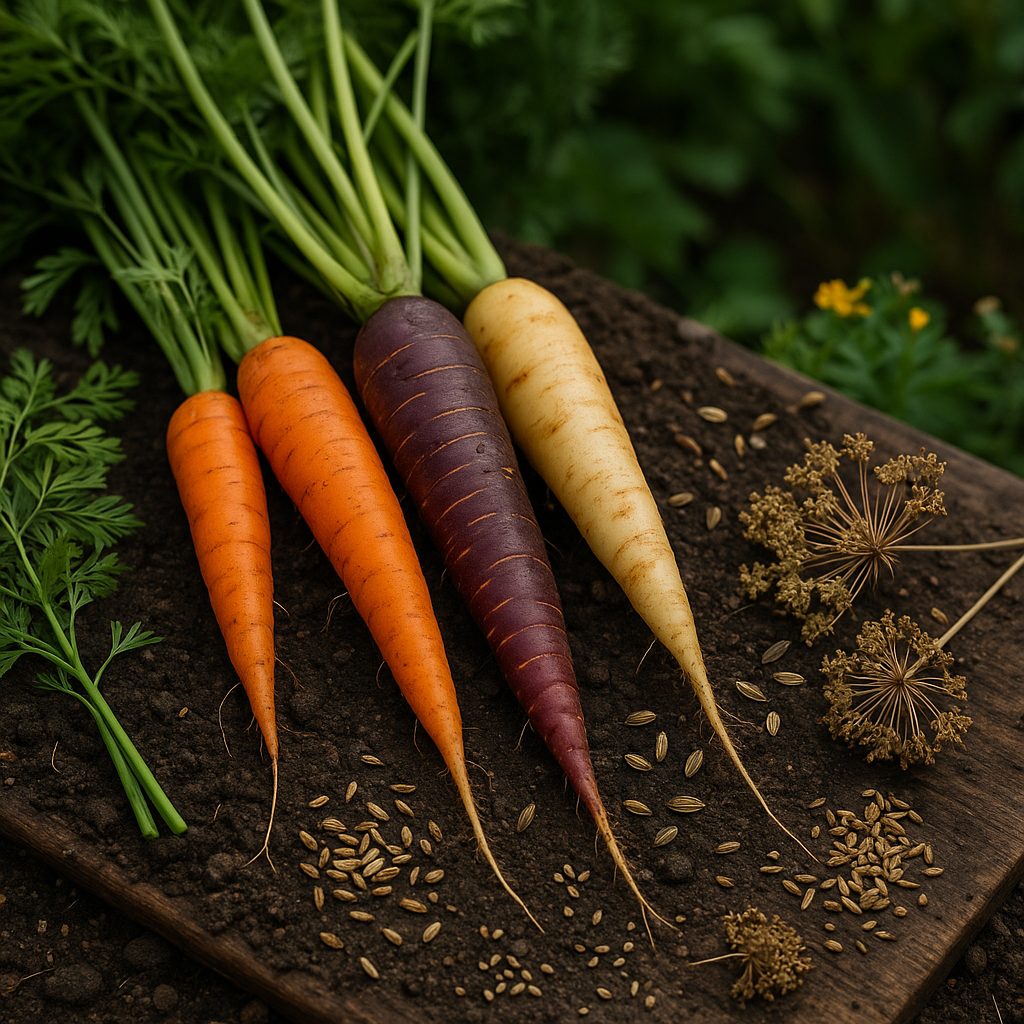
Saving carrot seeds is a smart and rewarding way to take control of your home gardening. By harvesting your own seeds, you make your garden more self-sufficient and save money on seed packets year after year. Not only does this help your wallet, but it also allows you to preserve unique carrot varieties that might not be available at local stores.
Many gardeners take pride in keeping rare or heirloom carrots alive, sharing their rich colors and flavors with friends and family. There’s an environmental benefit, too: saving carrot seeds reduces the resources needed for commercial seed production and shipping, making your garden more eco-friendly.
Plus, when you save seeds from carrots that have thrived in your local soil, those future plants are more likely to adapt and flourish in your conditions—leading to better harvests over time. Being a steward of your garden’s genetic diversity is deeply satisfying and connects you to a centuries-old tradition of seed saving. There’s real joy in watching your own line of carrots get stronger and more resilient with every passing season.
Understanding Carrot Life Cycle & Pollination
Carrots are biennial plants, meaning they complete their life cycle over two growing seasons. In the first year, carrots focus on developing strong, sweet roots, which is what we typically harvest and eat. However, if you’re aiming for seed production, it’s important to leave some carrots in the ground through winter.
During the second year, these stored roots use their energy reserves to send up tall flowering stalks. Small, clustered white flowers then appear, eventually producing seeds for next season’s planting.
Pollination and Its Importance
Pollination during this flowering stage is crucial. Carrots rely on insects such as bees to transfer pollen between flowers, enabling successful seed set. However, a key risk during pollination is cross-pollination—not just with different carrot varieties in your garden, but also with wild relatives like Queen Anne’s Lace, which is widespread in many areas.
Risks of Cross-Pollination
Cross-pollination can result in seeds that produce carrots with undesirable traits, such as poor root shape or flavor. To maintain pure seed lines, it’s best to separate flowering carrots by at least 800 feet from other varieties and any wild carrots.
Practical Tips for Home Gardeners
- Bag or cage seed heads to avoid rogue pollen.
- Selectively hand-pollinate flowers to control pollination.
By understanding and managing these aspects of the carrot life cycle, you can save seeds that grow true to type, preserving your favorite varieties year after year.
Preparing for Seed Saving
When preparing for seed saving, start by choosing healthy plants that are true to type—meaning they look and perform exactly like the parent variety—and show signs of vigor, such as strong stems, lush growth, and solid fruit set. Avoid plants with signs of disease or unusual growth, as these issues can be passed on to the next generation.
To keep track of your selected plants, mark them early in the season with a ribbon, tag, or garden marker. If you’re saving seeds from crops prone to cross-pollination, like squash or peppers, create distance between varieties or use mesh bags to isolate the flowers and maintain genetic purity.
For biennial plants like carrots and beets that need vernalization—a cold period to trigger seed production—you’ll need to mimic their natural overwintering needs. In colder regions, leave the roots in the ground with mulch for insulation, or dig them up and store them in cool, damp sand in a basement or fridge. In warmer climates, placing harvested roots in the coolest part of your home can help replicate the chill period.
By thoughtfully selecting, marking, isolating, and preparing your plants, you’ll set yourself up for seed saving success and healthy harvests for seasons to come.
How to Harvest and Clean Carrot Seeds
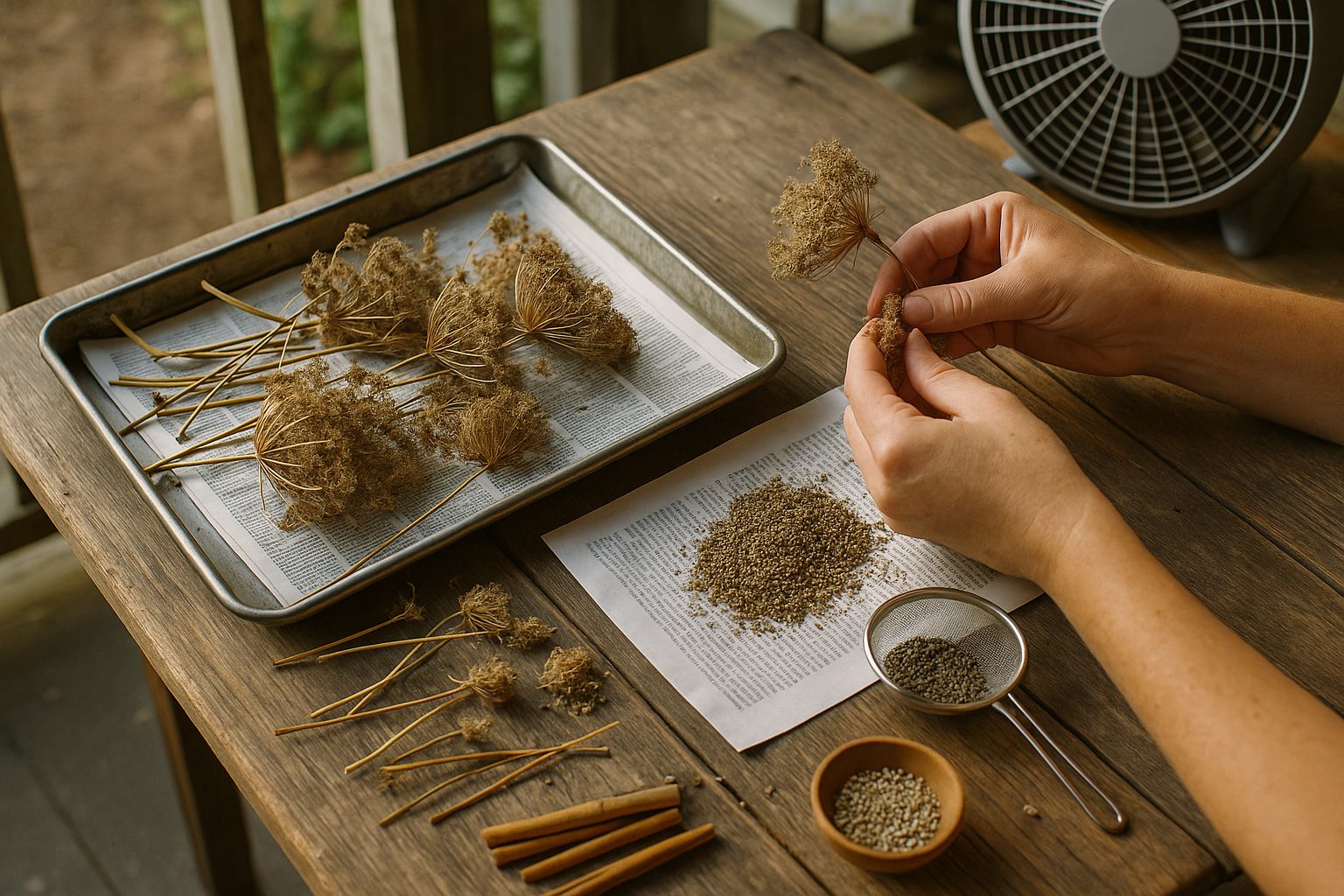
Harvesting carrot seeds is a rewarding process, but timing is key. Carrot plants are biennial, producing seeds only in their second year after surviving a winter. Wait until late summer or early fall when the umbrella-shaped clusters, called umbels, turn brown and dry on the plant—this signals that the seeds are mature.
Gently cut the umbels from the stalk with scissors or pruners, ideally on a dry day to prevent mold. Place the umbels upside down in a paper bag or on a tray lined with newspaper to finish drying in a well-ventilated, shaded area for about a week.
Once the umbels are crispy, rub them gently between your hands or use a sieve to separate the carrot seeds from the brittle stems and chaff. You can blow over the pile or use a small fan to help winnow away the lighter plant debris, leaving mostly clean seeds behind.
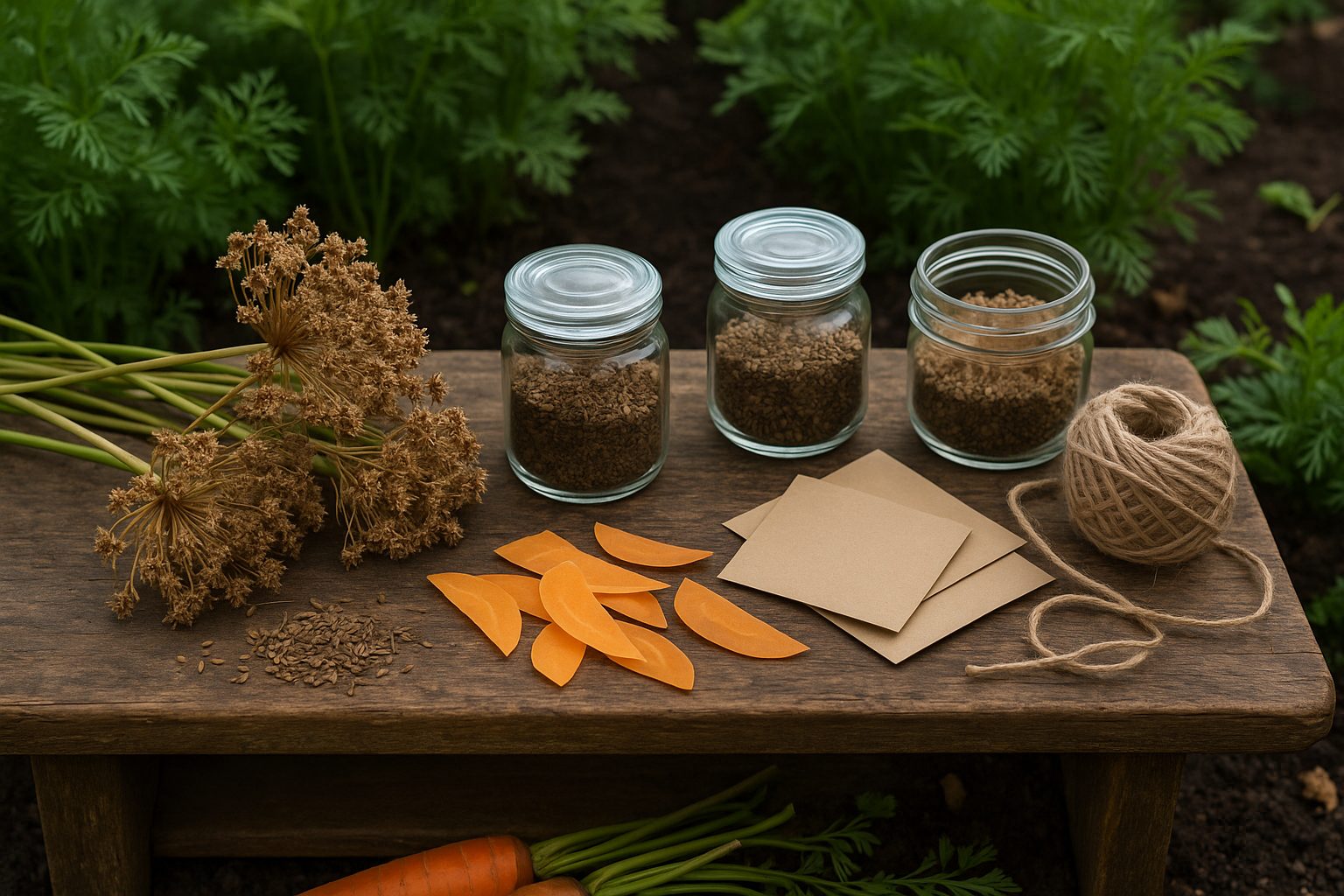
To maximize seed longevity, store your cleaned carrot seeds in airtight, labeled containers—glass jars with tight lids or small paper envelopes both work well. Keep these containers in a cool, dark, and dry spot such as a fridge or pantry shelf, away from temperature swings.
Well-cleaned and properly stored, carrot seeds can remain viable for up to three years. Just be sure to label each batch with the variety and harvest date so you’re ready for next season’s garden.
Tips for Success & Common Pitfalls
To give your seed saving efforts the best chance at success, start by carefully selecting healthy, vigorous plants as parents—saving seeds from weak or diseased specimens can lead to disappointing crops. Pay close attention to isolation distances for crops prone to cross-pollination, like squash or corn; planting different varieties too close together can result in mixed, unpredictable offspring.
Always avoid saving seeds from hybrid (F1) varieties, since their genetics scramble in the next generation, often producing inferior plants.
When it comes time to store seeds, ensure they are fully dry and keep them in airtight containers in a cool, dark spot—excess humidity or warmth can quickly reduce viability.
If you notice low germination rates, it could be due to immature harvesting, poor storage, or simply old seeds; try a simple plate or towel sprouting test to check vigor before planting season.
Remember, patience and observation are key: each harvest is a learning opportunity, and small adjustments—like bagging flower heads to prevent crossing or labeling stored seeds with dates—can make a big difference in success.
Frequently Asked Questions
Many beginners wonder if they can save seeds from grocery store carrots — while it’s possible, it’s not always the best route. Most store-bought carrots are hybrids, so seeds from them may not produce carrots that look or taste like the parent. Plus, carrots are biennials; they produce seeds in their second year, making seed-saving a long-term project.
If you’re keen on saving seeds, start with heirloom or open-pollinated carrots from reliable sources.
How Long Do Carrot Seeds Last?
Generally, carrot seeds remain viable for about 2-3 years if stored in a cool, dry place. To boost germination success, always check seed packets for dates and consider a simple sprout test before planting older seeds.
Do You Need to Bring Carrots Indoors to Overwinter?
The answer depends on your climate. In mild regions, carrots can often overwinter outdoors with a thick mulch layer for protection. In colder zones, it’s better to harvest them before the ground freezes or grow them indoors in containers.
With these simple strategies, even first-time gardeners can confidently navigate carrot seed saving and growing.