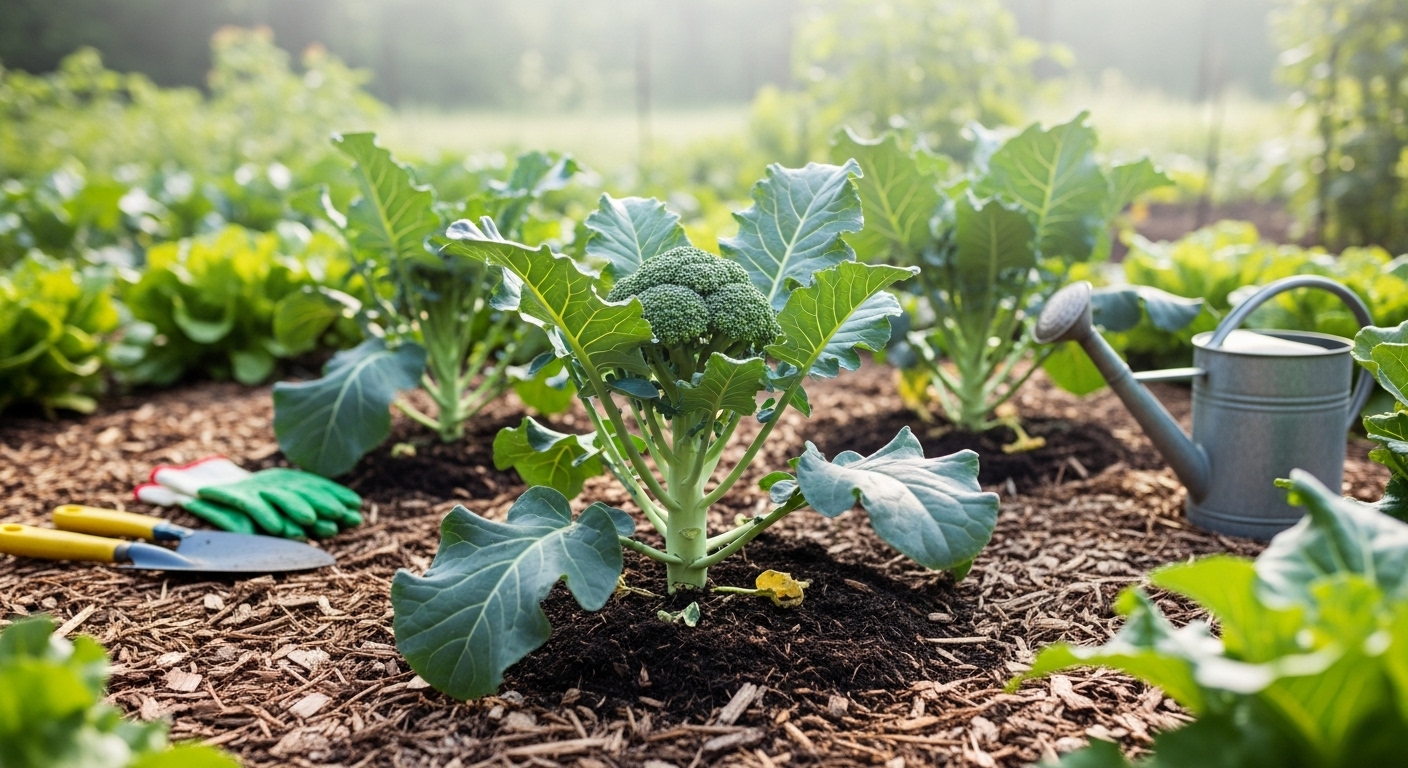
Common Reasons Broccoli Leaves Turn Yellow
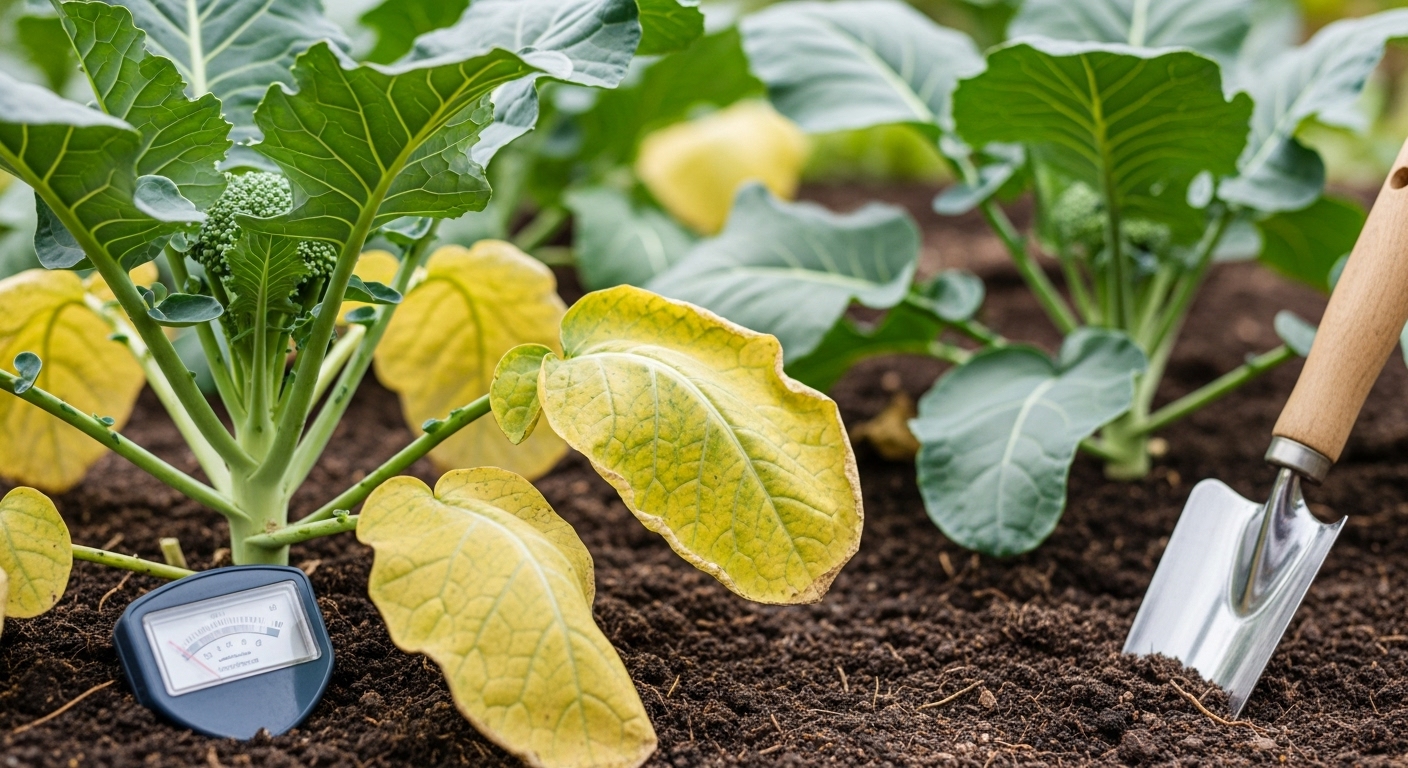
Noticing yellow broccoli leaves in your vegetable patch can be worrying, especially when you’re hoping for a healthy harvest. Often, yellowing leaves are a clear sign that your broccoli plants are under some kind of stress or facing an imbalance in their environment. This symptom shouldn’t be ignored, as it’s your plant’s way of telling you something’s not quite right.
Common reasons for this color change include overwatering or underwatering, both of which can disrupt the plant’s normal growth. Broccoli needs consistently moist, well-draining soil—too much water can suffocate roots and cause yellow leaves, while too little can lead to dehydration and similar symptoms.
Inadequate sunlight is another key factor—broccoli thrives with at least six hours of sun daily. If your plants are overshadowed by taller crops or garden structures, their leaves may turn yellow due to insufficient energy for photosynthesis. Temperature extremes can also stress the plant; cold snaps or heat waves make it harder for broccoli to maintain healthy, green foliage.
Sometimes, yellow broccoli leaves simply mean the plant is maturing, and older leaves die off naturally—this is normal and nothing to fear.
Nutrient deficiencies are another culprit worth exploring. Younger broccoli leaves turning pale or yellow, especially from the bottom up, often signal a lack of nitrogen, a vital nutrient for leaf growth. Magnesium deficiency, meanwhile, can cause yellowing between the veins of older leaves, giving the plant a mottled look. Iron deficiency is less common but still possible, typically causing yellowing in the youngest leaves while veins stay green.
To fix these problems, feed your broccoli with balanced fertilizer and consider soil testing to pinpoint exactly what’s missing. Spotting yellow broccoli leaves early and addressing the underlying causes can help restore your plants to vibrant health and ensure a flourishing crop.
Diagnosing the Problem: How to Identify What’s Wrong
When your plant starts looking unhealthy, a careful inspection can help you pinpoint the root cause quickly. Start by checking the leaves for additional symptoms beyond yellowing, such as wilting, spotting, or stunted growth. Wilting and soft stems often signal underwatering or poor drainage, while brown or black spots may indicate fungal or bacterial infections.
Inspect both upper and lower leaves—yellowing limited to older, lower leaves commonly suggests a nutrient deficiency like nitrogen, whereas widespread yellowing throughout the plant may point to more severe issues such as disease or poor environmental conditions.
Next, feel the soil by pressing your finger one or two inches deep. If it’s soggy or has a foul smell, your plant could be suffering from waterlogged roots and poor drainage, often leading to root rot. If the soil is dry and hard, underwatering is more likely. You can also lift the pot briefly; plants with dry soil feel light, while waterlogged soil feels heavy.
Look under leaves and along stems for tiny insects, webbing, or holes—clues of pests like spider mites or aphids. Nutrient deficiencies tend to cause uniform discoloration or distinct patterns (like pale veins), whereas pest damage is often patchy or irregular.
Checking all these details systematically not only helps identify the issue but also ensures you address the real problem, saving your plant before things worsen.
Solutions: Treating Yellow Leaves on Broccoli
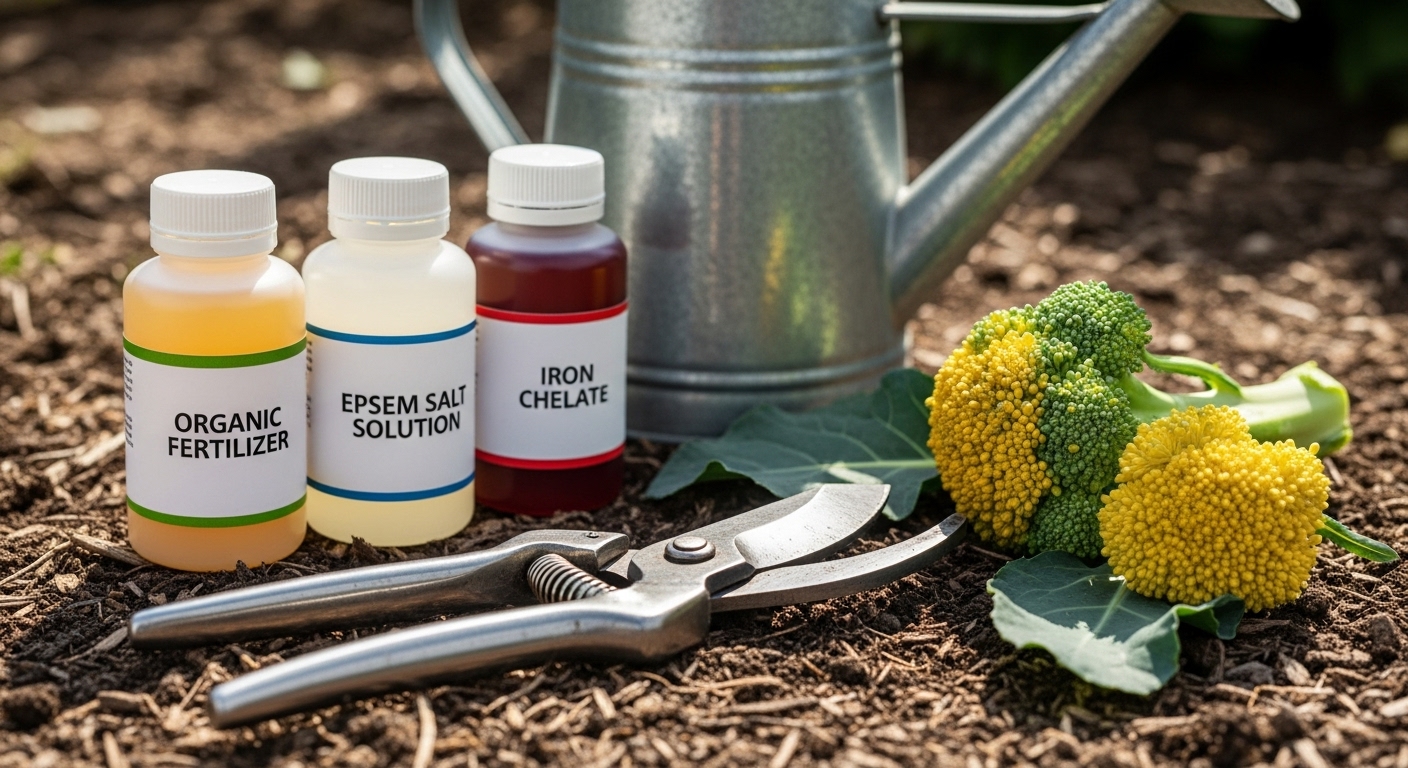
If you notice yellow leaves on your broccoli, there are several practical steps you can take to help your plants bounce back.
First, review your watering routine. Broccoli prefers consistently moist soil—not waterlogged, but never dried out. Water deeply once the top inch of soil feels dry, and aim for morning watering to prevent moisture-loving fungal diseases.
Next, check that your plants are getting plenty of sunlight; broccoli thrives with at least 6 hours of direct sun each day. If they’re shaded by neighboring plants or structures, consider relocating them or gently trimming back obstructions to boost sun exposure.
Nutrient deficiencies are a common cause of yellowing, especially a lack of nitrogen, magnesium, or iron.
- Nitrogen deficiency: Usually shows as yellowing in older leaves. Apply a balanced fertilizer or fish emulsion directly to the soil, following label instructions.
- Magnesium deficiency: Identified by yellowing between leaf veins. Mix Epsom salt (1 tablespoon per gallon of water) and apply as a soil drench or foliar spray every two weeks.
- Iron deficiency: Shows as yellow young leaves with green veins. Treat with an iron chelate solution, following package directions.
In all cases, avoid over-fertilizing, as this can do more harm than good.
Don’t forget to prune away yellowed or damaged leaves with clean shears. This not only improves air circulation and reduces disease risk but also helps the plant redirect energy to healthier growth. Be gentle during pruning to avoid injury to healthy stems.
Finally, mulch around your broccoli plants to conserve moisture, keep roots cool, and minimize stress. Natural wood chips or straw work well.
By combining thoughtful care, balanced nutrition, and prompt pruning, your broccoli can recover and thrive, giving you a healthy, productive harvest.
Preventing Future Yellow Leaves
Preventing yellow leaves on your broccoli plants starts with consistent care and attention to their growing environment. Make sure to water your plants evenly, aiming for moist but not soggy soil—overwatering can suffocate roots, while underwatering leads to stress and nutrient deficiencies.
Use well-draining, nutrient-rich soil and space your broccoli at least 18 inches apart to promote airflow and prevent disease. Regular soil testing is a game-changer: by checking nutrient levels and pH each season, you can avoid guesswork and apply only the fertilizers your plants truly need, steering clear of both excess and deficiencies.
Practice crop rotation by planting broccoli in a different area each year. This helps break cycles of soil-borne pests and diseases. During extreme weather, use row covers to shield young plants from frost or harsh sun; mulching helps keep soil temperatures steady and retains moisture.
Watch for common broccoli pests like aphids and cabbage worms—hand-picking them or using floating row covers can help keep these pests in check. Promptly remove dead or yellowing leaves to reduce disease spread, and feed your plants with a balanced fertilizer every few weeks, avoiding high-nitrogen options that encourage leafy growth at the expense of healthy heads.
Following these steps each season can significantly reduce stress on your broccoli, helping your plants stay vibrant and green year after year.
Growing Healthy Broccoli: Bonus Care Tips
When it comes to starting broccoli, gardeners often wonder whether seeds or transplants produce heartier plants. Seeds allow for a stronger root system and plants better adapted to your local soil, but they require more patience and careful attention during germination and early growth stages. Transplants, on the other hand, offer a head start and are less susceptible to early pest damage, but sometimes struggle to establish as robustly due to transplant shock.
If you opt for seeds, sow them indoors 6-8 weeks before the last frost; transplants should be set outdoors two weeks before that date. Whichever you choose, prep your soil with plenty of rich compost, aiming for loose, well-drained earth with a neutral pH (around 6.5-7.0). Space your broccoli about 18 inches apart to allow proper airflow and minimize diseases.
Mulch heavily around each plant to retain moisture and keep weeds at bay, and make sure to water consistently, especially during dry spells. Broccoli thrives when fed with a balanced fertilizer, particularly at transplant and once heads begin forming.
Keep an eye out for aphids and cabbage worms—covering with row fabric helps deter these pests. Harvest heads while they are tight and compact; don’t wait too long, or they’ll flower. After cutting the main head, leave the plant in the ground to encourage the growth of side shoots, providing a bonus crop.
Finally, rotate crops each year to a new spot in your garden to prevent soilborne diseases and promote even better performance in the seasons ahead.