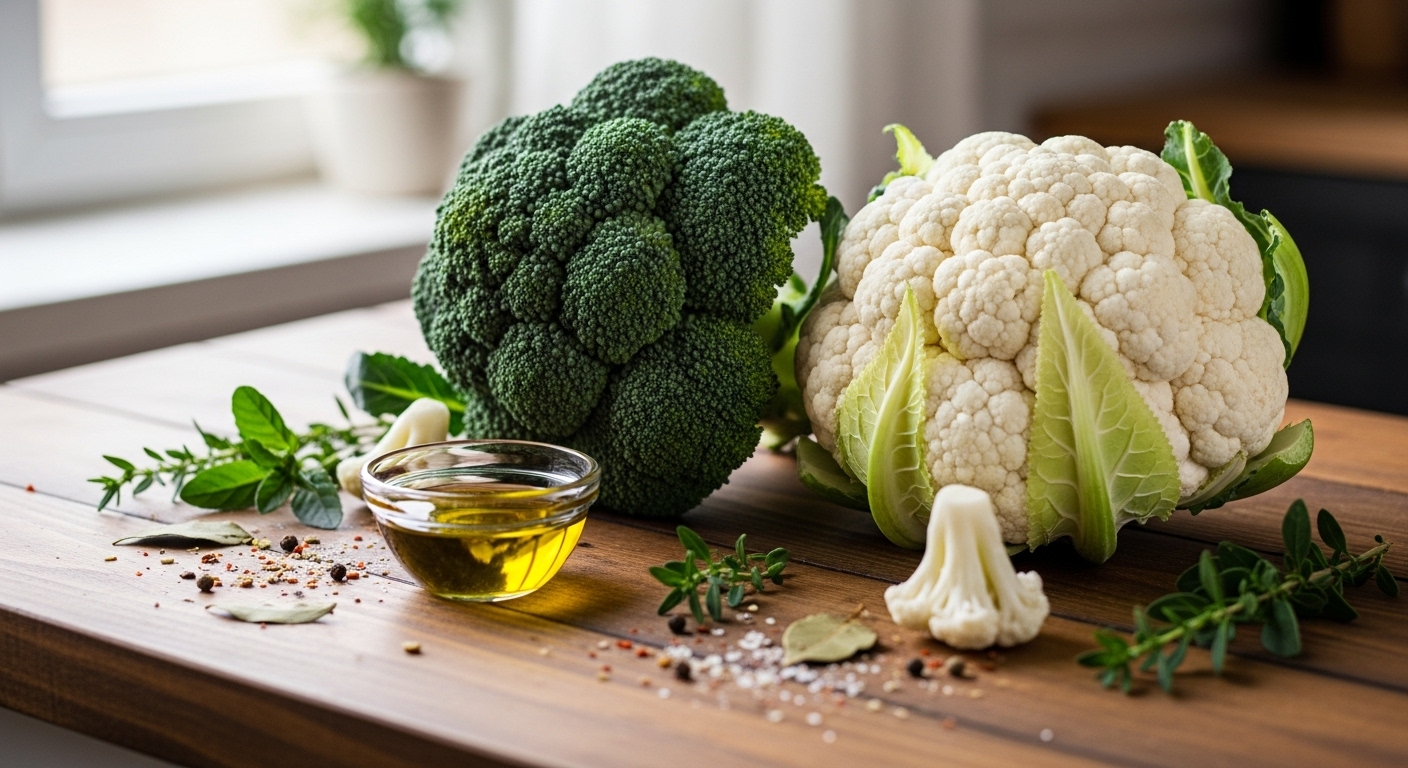
Introduction to Broccoli and Cauliflower
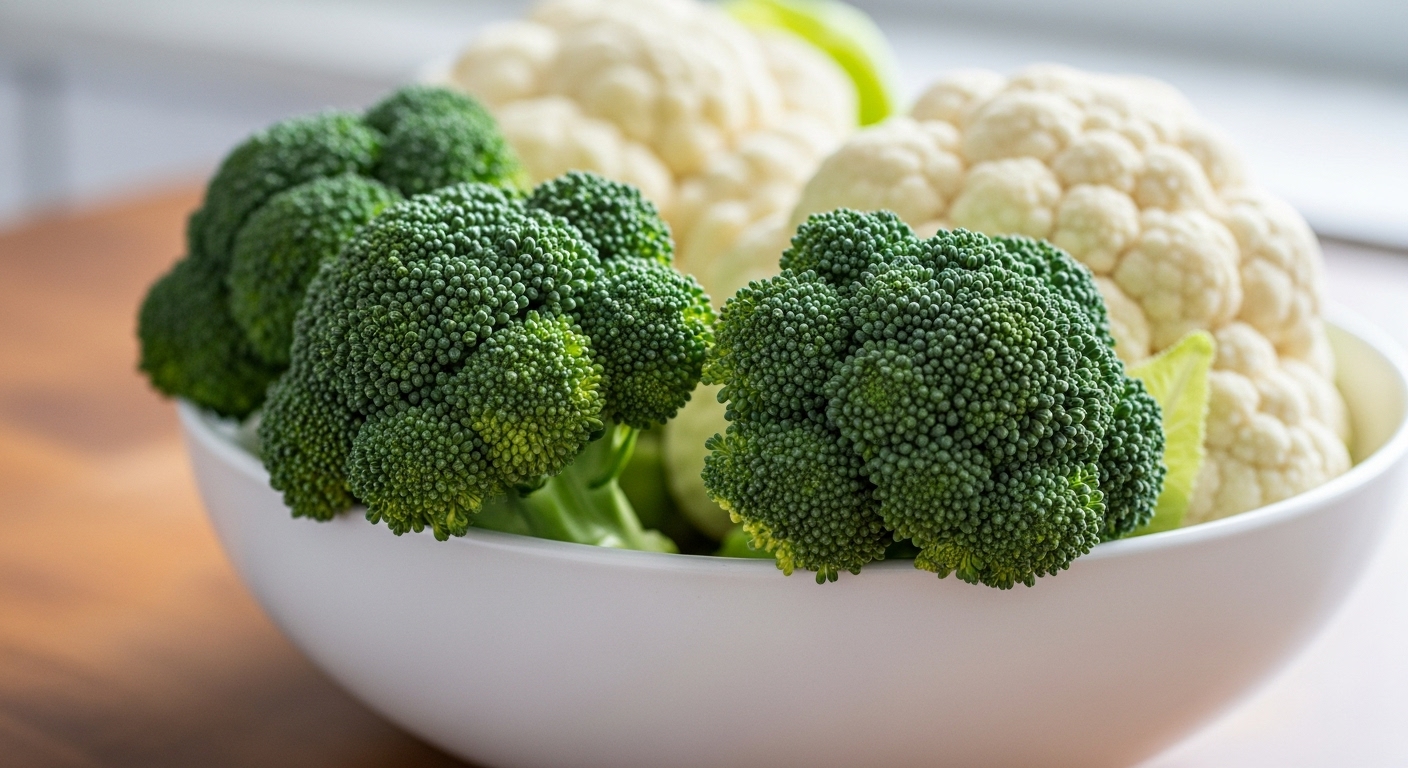
When it comes to nutritious veggies that pack a punch in both flavor and health benefits, the age-old debate of broccoli vs. cauliflower often takes center stage. As members of the cruciferous vegetable family, both broccoli and cauliflower have earned their spot on dinner tables around the world, thanks to their versatility and nutrient profiles.
Broccoli, known for its vibrant green florets and slightly bitter, earthy taste, and cauliflower, with its creamy-white appearance and milder, nutty flavor, are staples in dishes ranging from stir-fries to casseroles and even grain bowls. Their crunch and unique textures make them favorites in raw veggie platters or roasted as a satisfying side.
Globally, these vegetables are not just popular for their taste—they’re also recognized for their impressive health credentials, including being rich in fiber, vitamins, and cancer-fighting compounds. It’s no wonder food lovers and health-conscious eaters frequently weigh the pros and cons of broccoli vs. cauliflower when planning meals. Although closely related, their subtle differences in taste and nutrition can influence recipes and dietary choices.
Whether you’re whipping up a hearty soup or searching for a healthy rice alternative, understanding what sets broccoli and cauliflower apart can help you make the best choice for your plate.
Key Nutritional Differences
When comparing the nutritional profiles of two powerhouse vegetables—broccoli and spinach—there are both similarities and striking differences worth noting. Calorie-wise, both are low, with raw spinach providing about 23 calories per 100 grams, while broccoli comes in slightly higher at around 34 calories.
Spinach is an excellent source of protein for a leafy green, offering about 2.9 grams per 100 grams, whereas broccoli delivers roughly 2.8 grams, making them comparable in this macronutrient. Carbohydrate content differs: broccoli contains about 7 grams per 100 grams, including nearly 2.6 grams of fiber, while spinach is lower in carbs (3.6 grams) and fiber (2.2 grams). Despite their modest fat content (both under half a gram), their micronutrient profiles truly set them apart.
Spinach is a vitamin K superstar at 483 micrograms per serving—over five times more than broccoli—while also packing more folate (194 micrograms versus broccoli’s 63 micrograms). On the other hand, broccoli boasts significantly higher vitamin C (about 89 milligrams per 100 grams, compared to spinach’s 28 milligrams). Broccoli also edges out spinach in calcium and potassium content, making it a better choice for those looking to boost these minerals.
Both veggies shine with unique phytochemicals: spinach is rich in lutein and zeaxanthin, important for eye health, while broccoli contains sulforaphane, a compound linked to cancer prevention. Here’s a quick snapshot:
| Nutrient | Broccoli (per 100g) | Spinach (per 100g) |
|---|---|---|
| Calories | 34 | 23 |
| Protein (g) | 2.8 | 2.9 |
| Carbs (g) | 7 | 3.6 |
| Fiber (g) | 2.6 | 2.2 |
| Vitamin C (mg) | 89 | 28 |
| Vitamin K (mcg) | 101 | 483 |
| Folate (mcg) | 63 | 194 |
| Special Boost | Sulforaphane | Lutein/Zeaxanthin |
In short, choosing between broccoli and spinach depends on your specific nutrient priorities, but adding both to your meals brings the biggest health benefits.
Health Benefits and Effects
Cruciferous vegetables—like broccoli, cauliflower, Brussels sprouts, and kale—are nutritional powerhouses known for their role in overall health and disease prevention. Studies have consistently shown that regularly eating these veggies can lower your risk of certain cancers thanks to compounds like sulforaphane and indole-3-carbinol, which help neutralize carcinogens and support your body’s natural detoxification processes.
They’re also rich in fiber, potassium, and folate, all of which contribute to better heart health by regulating blood pressure and lowering cholesterol levels. Broccoli, in particular, stands out for its ability to reduce inflammation: one study published in the journal Arthritis & Rheumatology found that sulforaphane in broccoli slows cartilage destruction in joints, potentially easing arthritis symptoms.
Plus, its high vitamin K and calcium content makes broccoli a great ally for bone strength, supporting bone density and reducing fracture risk—essential for aging adults.
Cauliflower offers its own unique perks. It’s packed with fiber that feeds the good bacteria in your gut, promoting healthy digestion and regularity. Research in the journal Frontiers in Aging Neuroscience also highlights choline found in cauliflower, a nutrient that boosts memory and cognitive function—a win for brain health at any age.
For the best results, aim to include a variety of cruciferous vegetables in your meals a few times a week. Try roasting cauliflower for a crispy side or tossing steamed broccoli into salads and pasta for an easy boost to your daily nutrient intake.
Which is Healthier? Making the Comparison
Both broccoli and cauliflower are nutrient-dense vegetables from the cruciferous family, and while they share many health benefits, their subtle differences make each one preferable in certain situations.
Broccoli stands out slightly in its nutritional profile; it offers more vitamin C, vitamin K, and folate, along with a higher amount of dietary fiber. This makes it a strong choice for boosting immunity, supporting bone health, and aiding digestive regularity.
Cauliflower, on the other hand, is impressively versatile and lower in carbohydrates, making it a popular substitute for rice or potatoes in low-carb and keto diets—think cauliflower rice or mashed cauliflower.
Both vegetables are excellent for vegans and vegetarians, providing plant-based fiber and essential micronutrients, but broccoli offers more plant protein per serving, which is helpful for those seeking extra protein.
Taste and digestibility can differ: broccoli has a stronger, sometimes bitter flavor and tough stems that can be difficult for young children or those with sensitive stomachs, while cauliflower is milder and often easier to digest, making it more family-friendly.
For special diets—such as anti-inflammatory, low-oxalate, or FODMAP diets—personal tolerances matter; some people find one vegetable triggers bloating more than the other.
In summary, broccoli may be more beneficial for boosting vitamins and fiber intake, especially for those needing more antioxidants and protein, while cauliflower shines as a low-carb, gentle-on-the-stomach option with flexible uses in a variety of dishes.
The best choice comes down to your particular health goals, dietary needs, and personal taste preferences, so keeping both in your weekly rotation can help you enjoy their complementary benefits.
Ways to Use Broccoli and Cauliflower

Broccoli and cauliflower are incredibly versatile, fitting easily into any meal—whether you’re looking for a quick snack or a hearty main. For the fastest prep, enjoy them raw: chop into florets and pair with your favorite hummus or yogurt dip for a crunchy, vitamin-rich snack.
Steaming is another convenient method—just a few minutes softens the veggies while preserving nutrients like vitamin C and folate. For deeper, sweeter flavors, try roasting: toss broccoli and cauliflower with olive oil, salt, and pepper, then roast at 425°F until crispy and caramelized. This also works great in sheet-pan dinners alongside chicken or tofu.
Stir-frying is perfect if you’re short on time but still want robust flavor; just sauté bite-sized pieces with garlic and a splash of soy sauce or teriyaki. Both vegetables blend seamlessly in mixed dishes — think broccoli-cauliflower cheese bakes, mashed together as a nutrient-dense alternative to potatoes, or tossed into pasta primavera for extra color and crunch.
Cooking methods matter: while steaming and stir-frying keep nutrients intact, roasting amps up the flavor with a slight trade-off in vitamin retention. Mixing up how you prepare broccoli and cauliflower not only keeps meals interesting but also helps you strike a tasty balance between nutrition and flavor.
Broccoli vs. Cauliflower: The Bottom Line
When it comes to broccoli versus cauliflower, both are nutrient-packed vegetables with unique flavors and health benefits. Broccoli stands out for its higher vitamin C and vitamin K content, making it excellent for immunity and bone health, while cauliflower has a milder taste and slightly fewer calories—great for those watching their intake.
Both offer antioxidants, fiber, and cancer-fighting compounds, so choosing between them isn’t necessary; instead, let them complement each other in your diet.
Creative Ways to Enjoy Broccoli and Cauliflower
Think beyond steaming—try these ideas to add variety and flavor:
- Roast broccoli florets with olive oil and garlic for a crispy side.
- Blend cauliflower into mashed potatoes or creamy soups for extra nutrients and texture.
- Stir-fry both with your favorite protein.
- Toss raw pieces into salads for a crunchy boost.
- Blitz cauliflower into a low-carb rice alternative.
Finally, batch-cook and freeze portions for convenience.
Why Rotate Cruciferous Veggies?
By rotating broccoli, cauliflower, and other cruciferous vegetables in your meals, you provide your body with a broader range of vitamins, minerals, and flavors, supporting better long-term health. Whether raw, cooked, or blended into creative dishes, these versatile staples make it easy to upgrade your nutrition every day.