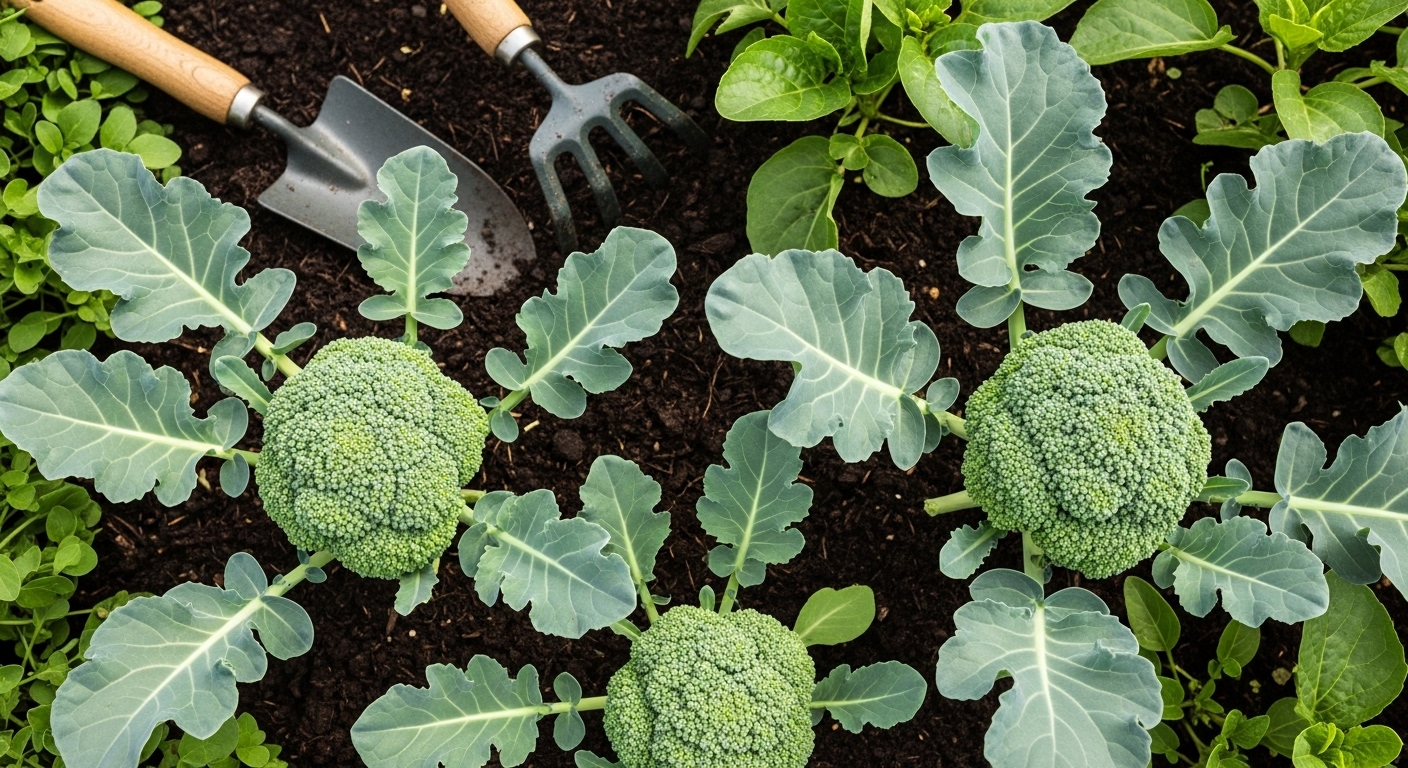
Understanding Broccoli and Its Benefits
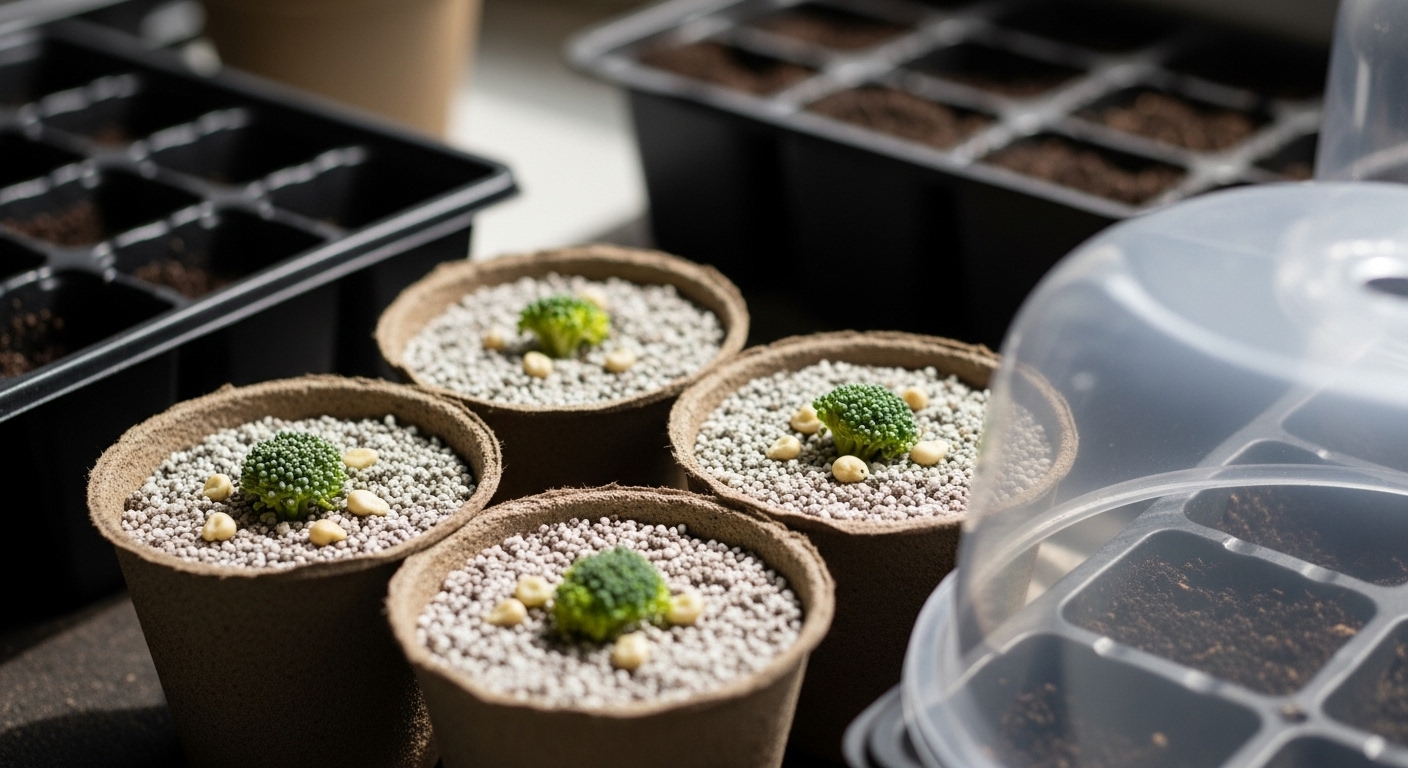
Starting broccoli seeds at home is a smart move for any gardener craving truly fresh, nutritious produce. Broccoli, with its dense floret heads and tender stalks, is a superstar in the vegetable patch—and on your dinner plate. Packed with vitamins C, K, and A, along with fiber and powerful antioxidants like sulforaphane, broccoli supports everything from immune health to healthy digestion. No wonder it’s a favorite for both everyday meals and health-focused diets.
Growing your own broccoli from seed comes with big rewards. While nurseries offer transplants, starting broccoli seeds yourself gives you a jump on the season, a wider variety to choose from, and stronger, more resilient plants. Home-sown seedlings adapt better to your garden’s environment, often resulting in higher yields and tastier results. Plus, seeds are much less expensive than store-bought transplants, making them a budget-friendly choice for gardening enthusiasts.
The benefits of harvesting fresh, home-grown broccoli go beyond nutrition. When you grow your own, you pick it at the peak of ripeness—maximizing the sweet, earthy flavor that often disappears in store-bought heads that have traveled for days. Broccoli straight from your garden is tender enough to enjoy raw in salads, delicious roasted, and vibrant in stir-fries or soups. For families, growing broccoli from seeds can be a fun educational project—teaching kids about life cycles, healthy eating, and where real food comes from. With so many reasons to start from seed, it’s no wonder more gardeners are sowing their own at home.
Starting Broccoli Seeds Indoors
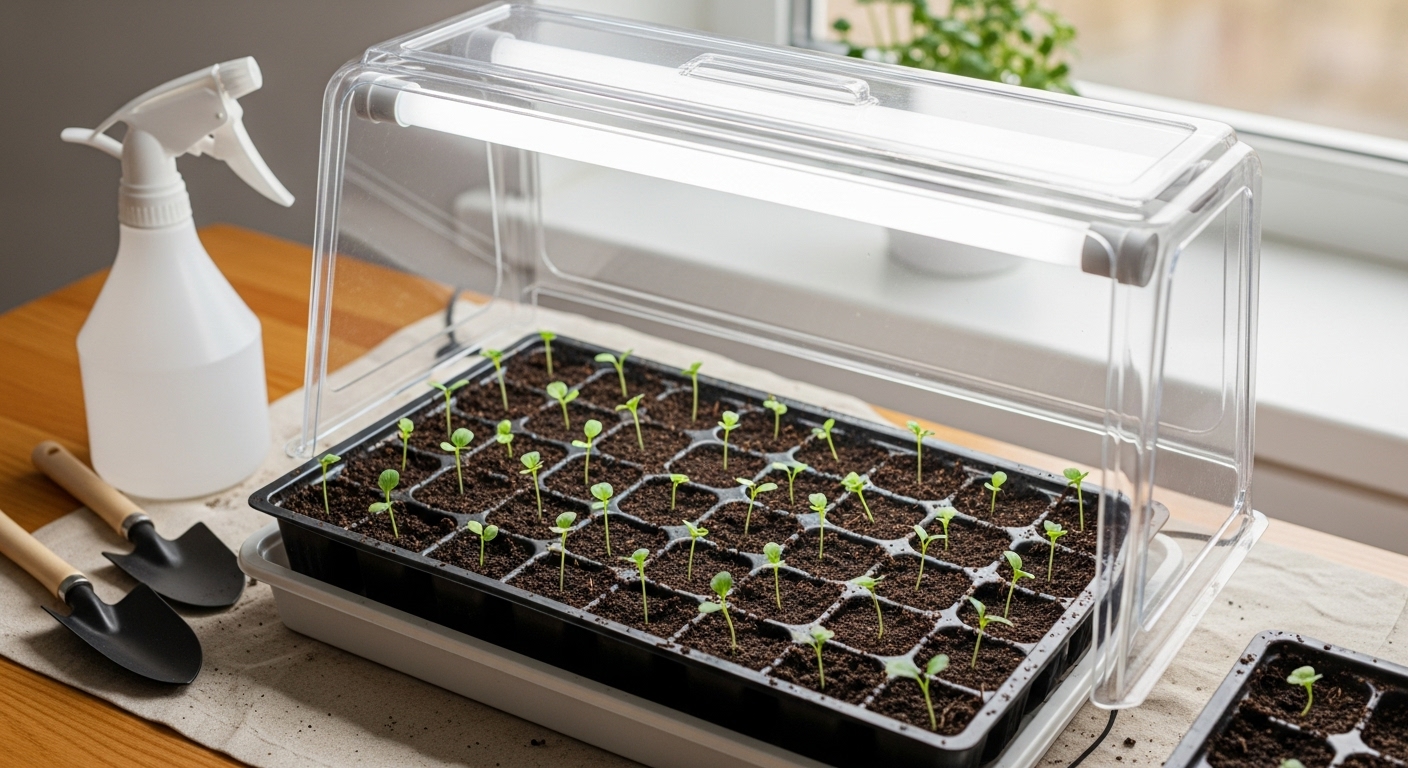
Starting broccoli seeds indoors gives your garden a valuable head start, allowing you to grow stronger plants and enjoy earlier harvests than if you seeded directly outside. By controlling temperature and light during those vulnerable first weeks, you help broccoli develop sturdy stems and resilient leaves, setting the stage for a healthy growing season.
To time things right, check your region’s last expected spring frost date—then count backwards 6 to 8 weeks, since broccoli seedlings take about that long to reach transplant size. For example, if your local frost date is April 20, plan to start seeds between late February and early March.
Gather seed-starting trays or small pots, a fine-textured seed-starting mix (not heavy outdoor soil), broccoli seeds, and a clear plastic lid or plastic wrap to retain humidity. Fill containers with moistened mix, then sow seeds about ¼ inch deep—plant two or three seeds per cell or pot in case some don’t sprout. Mist with water and cover loosely with plastic to keep the environment humid.
Place trays in a warm spot (around 70°F). Check daily and remove the cover once seedlings emerge, usually within 4-7 days. Move them to a bright window or under grow lights for 14-16 hours a day, keeping the soil moist but never soggy.
Once the seedlings develop two sets of true leaves, thin them to one strong plant per cell—clip the extras rather than pulling to avoid disturbing the roots. About a week before transplanting, gradually introduce the seedlings to outside conditions so they toughen up, setting you up for a robust and productive broccoli crop.
Transplanting Seedlings Outdoors
Knowing exactly when your seedlings are ready for transplanting can make all the difference in their survival and growth. Seedlings are typically ready once they have at least two to three sets of true leaves (not just the initial seed leaves), and their stems are sturdy enough to handle a move.
Before transplanting, it’s crucial to “harden off” seedlings—this means gradually exposing them to outdoor conditions over a week. Start by placing them outside in a sheltered spot for a couple of hours a day, slowly increasing the time and direct sunlight they receive.
When it’s time to transplant, pick a calm, cloudy day or evening to prevent sun shock. Prepare your garden by loosening the soil to a depth of about 12 inches, removing weeds, and mixing in compost to boost fertility. Aim for soil that drains well and maintains a pH around 6.0–6.8, which suits most vegetables.
To plant, dig holes slightly larger than the seedling’s root ball, spacing them according to the plant’s needs:
- Tomatoes: about 18-24 inches between plants
- Lettuces: about 12 inches between plants
Set each seedling so the first set of true leaves sits just above the soil surface—don’t bury deeper unless specified for the crop. Gently firm the soil around the roots and water well to settle the roots in place and minimize transplant shock.
Adding a light mulch can help retain soil moisture and suppress weeds, giving your seedlings the best possible start outdoors.
Caring for Broccoli Plants Throughout the Season
Caring for broccoli plants throughout the season means keeping their needs balanced as the weather changes. Water your broccoli consistently, aiming for about 1–1.5 inches per week, and water at the base in the morning to avoid wetting the leaves, which helps prevent fungal diseases. If your soil is sandy or drains quickly, check moisture by sticking your finger an inch deep—if it feels dry, it’s time to water.
Fertilize with a balanced organic fertilizer or compost every 3–4 weeks, focusing on nitrogen for healthy leaf growth. However, avoid over-fertilizing, as this can encourage leggy plants and poor head development. Mulch with straw, shredded leaves, or organic matter to lock in soil moisture and regulate temperature. Spread a 2–3 inch layer, keeping mulch clear of the stems.
To prevent bolting (premature flowering), keep broccoli cool by choosing heat-tolerant varieties if you live in a warm climate, planting where afternoon shade protects against hot sun, and applying mulch early in the season. For unexpected cold snaps, cover your plants with garden fabric or row covers overnight.
Managing Pests and Diseases
Broccoli is vulnerable to several pests, including cabbage worms, aphids, and flea beetles. Check leaves for tiny holes or clusters of eggs—removing caterpillars by hand is the quickest organic solution. Encourage beneficial insects like ladybugs to control aphids, and spray leaves with a mild soapy water solution if you notice an infestation.
To deter pests, plant broccoli alongside companions such as onions, garlic, nasturtium, or calendula. These plants naturally repel unwanted bugs and attract beneficial ones. Fungal diseases like clubroot or downy mildew may develop in poorly drained or overwatered soil—rotate crops each year and clear away fallen leaves to prevent these problems.
Weeding and Overall Care
Stay on top of weeding to reduce pest habitats and minimize competition for nutrients. Pull weeds when the soil is moist for easier removal, and use mulch to suppress their growth. By combining these strategies, you’ll promote steady, healthy broccoli growth, leading to abundant, flavorful harvests all season long.
Harvesting Broccoli for Best Flavor and Yield
Knowing when to harvest broccoli is key to enjoying its best flavor and getting more from your plants. Look for firm, tight heads with a deep green color—broccoli is ready when the buds are still compact and before any yellow petals appear, as blooming makes the flavor bitter.
Use a sharp knife or garden shears to cut the main head off at a slant, leaving 5-6 inches of stem and plenty of leaves attached; cutting on a slant helps water run off and prevents rot. Don’t pull the plant—leave it in the ground, as it will keep producing smaller side shoots for weeks, giving you a longer harvest window.
After cutting, mist the heads with cold water, then refrigerate them promptly in an open bag or perforated container; fresh broccoli keeps for up to a week this way. If you have more than you can use, blanch and freeze pieces to preserve their color and nutrients.
Cooking Ideas
Broccoli shines in a variety of dishes:
- Steam it for a classic side
- Roast with olive oil for crispiness
- Add chopped florets to stir-fries, pastas, or salads for a nutritional boost
Keeping up with frequent, gentle harvesting and proper storage ensures broccoli from your garden tastes sweeter, stays fresher, and provides more meals throughout the season.
Troubleshooting Common Broccoli Growing Problems
Growing broccoli can be surprisingly rewarding, but even experienced gardeners face challenges like stunted growth, yellow leaves, or persistent pests.
Stunted growth often signals overcrowding or poor soil nutrition—make sure your plants have enough space (at least 18 inches apart) and enrich beds with compost or balanced fertilizer.
Yellowing leaves may indicate overwatering, nutrient deficiencies, or heat stress; check your watering schedule, feed with an all-purpose vegetable fertilizer, and consider using shade cloth during hot spells.
Pests like aphids or cabbageworms are common culprits too. Inspect leaves regularly, handpick pests, and use floating row covers for preventive protection. For a natural boost, plant marigolds nearby to deter insects.
Consistent monitoring is key—try using a gardening journal app or set calendar reminders for regular check-ins. Digital soil testers can help track moisture and nutrient levels, while local extension services often provide free pest identification and advice.
With patience and a bit of vigilance, you’ll enjoy healthy, hearty broccoli harvests.
Broccoli Growing FAQs & Useful Tips
Broccoli is a cool-season favorite, but many gardeners wonder why their plants sometimes produce tiny heads or bolt too soon. This is usually due to high temperatures or uneven watering—aim to plant in early spring or fall, and mulch around the base to keep soil cool and moist.
If pests like cabbage worms are an issue, try covering young plants with floating row covers and check leaves regularly for eggs. For best success, space broccoli about 18 inches apart and feed with a nitrogen-rich fertilizer after the first set of leaves appears.
Experiment with varieties—‘Calabrese’ is reliable, but purple and sprouting types add color and flavor. Don’t forget broccoli loves company: interplant with onions or nasturtiums to deter pests naturally.
Harvest heads while they’re tight and before flowers open, and don’t pull the plant—side shoots will keep sprouting for weeks. You might be surprised how much more broccoli you get!
Lastly, rotating crops every year will keep soil healthy and reduce disease—think of it as giving your garden a fresh start each season. Whether you’re a first-timer or seasoned grower, a bit of trial and error with timing, varieties, and spacing can turn any broccoli patch into a bountiful harvest.