What is Arugula?
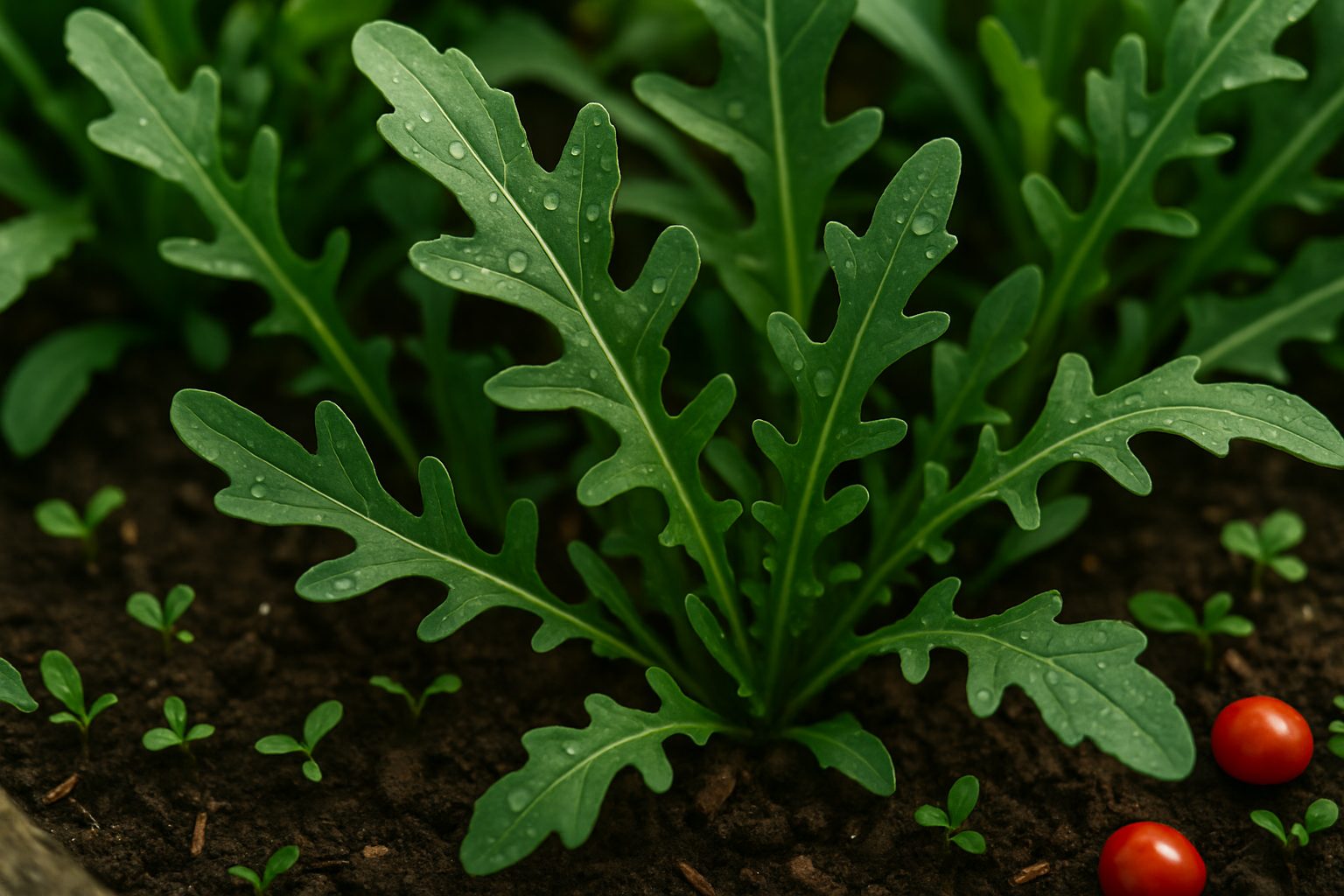
Raw arugula leaves are a staple in salads and gourmet kitchens for good reason—they pack both flavor and nutrition into every bite. Originating from the Mediterranean region, arugula (also known as rocket, rucola, or roquette) has been enjoyed for centuries in countries like Italy, Greece, and Egypt.
It commonly grows in temperate climates across Europe, North America, and parts of Asia, thriving in both wild and cultivated gardens. Unlike the soft, rounded leaves of butter lettuce or romaine, raw arugula leaves are more slender and deeply lobed, giving them a distinct, dandelion-like appearance. Their deep green color hints at the peppery kick and slight nuttiness that set arugula apart from milder greens.
This bold flavor adds vibrancy to salads, sandwiches, and even pizzas, where its unmistakable spiciness can shine. While lettuces often bring a gentle crunch and subtle sweetness to the plate, arugula’s piquancy is why chefs and home cooks love tossing it raw into dishes for an instant flavor upgrade.
Historically, arugula was prized not only for its taste but also its role in traditional medicine and ancient feasts—Romans even considered it an aphrodisiac! Today, its culinary star continues to rise around the globe, appearing everywhere from Italian pasta bowls to Middle Eastern flatbreads.
If you’re looking to liven up your next meal, consider the bold personality of raw arugula leaves; their unique combination of history, taste, and texture makes them a must-try among leafy greens.
Nutritional Content of Arugula
Arugula, known for its peppery flavor, is a nutritional powerhouse packed into a low-calorie package, making it a favorite among health-conscious eaters. A two-cup serving contains just about 10 calories, yet delivers a wealth of essential vitamins and minerals.
It’s especially high in vitamin K, which is important for bone health and blood clotting—just one serving provides more than your daily requirement. Arugula is also rich in vitamin A, which supports vision and immune function, and vitamin C, known for its antioxidant properties and role in maintaining skin health.
In terms of minerals, arugula offers good amounts of calcium, potassium, and magnesium, all vital for heart, muscle, and nerve function. Beyond vitamins and minerals, arugula contains powerful phytonutrients like glucosinolates and flavonoids—compounds that may help fight inflammation and provide some protection against certain cancers.
Because it delivers so much nutrition with so few calories, arugula is considered nutrient-dense. This means you can fill your plate with greens that support strong bones, better immunity, and more energy—without worrying about unwanted calories.
A practical tip: toss a generous handful of arugula into your salads, sandwiches, or even blend it into smoothies to easily boost your daily intake of these valuable nutrients.
Health Benefits of Arugula
Arugula isn’t just a flavorful addition to salads—it packs a surprising nutritional punch with real health benefits supported by research. Rich in vitamins A, C, and K, arugula plays a key role in heart health by helping to reduce inflammation and support blood vessel function, thanks to its antioxidants like beta-carotene and vitamin C.
Its high vitamin K content is essential for strong bones, supporting calcium absorption and helping to lower the risk of osteoporosis. Arugula is also a digestive ally, delivering fiber that promotes gut health and regularity. Plus, it’s easy to mix into daily meals—try tossing a handful into pasta or an omelet for a fiber boost.
Several studies suggest that arugula’s glucosinolates, natural plant compounds unique to cruciferous vegetables, may help lower the risk of certain cancers by supporting the body’s detoxification processes. The leafy green is rich in folate, which is critical for pregnant women to help prevent neural tube defects. Its low glycemic index makes it a diabetes-friendly option that won’t spike blood sugar, offering steady energy for those managing diabetes or metabolic issues.
Beyond these perks, arugula bolsters the immune system thanks to its vitamin C content and phytochemicals that enhance your body’s natural defenses. For anyone aiming to make simple, healthy swaps, replacing iceberg lettuce with arugula is an easy way to get more antioxidants like lutein and zeaxanthin, which also protect eye health.
Whether you’re seeking to support your heart, bones, or immune system—or looking to add more disease-fighting power to your plate—arugula is a small but mighty green that’s easy to enjoy in everyday meals.
Arugula Compared to Other Greens
When it comes to leafy greens, arugula stands out for its distinct peppery bite and tender, slightly jagged leaves. Compared to spinach, which offers a milder, slightly earthy flavor with smooth, soft leaves, arugula’s bold taste can bring salads and sandwiches to life, but might be overpowering in subtle dishes where spinach shines, such as delicate omelets or blended smoothies.
Butter and romaine lettuces are even milder, with crisp or buttery textures and a gentle sweetness that make them crowd-pleasers for most palates but less exciting when you want a punch of flavor. Mizuna, another lesser-known green, is closest to arugula in spirit, offering mild spice and a softer, frilly leaf, so it can be swapped in when you want a bit of zest without going full peppery.
Nutritionally, arugula is rich in vitamin K, vitamin C, and a variety of antioxidants, rivaling spinach, which is famous for its iron and vitamin A but can sometimes contribute to oxalate buildup in those prone to kidney stones. Arugula’s calcium and potassium are solid, though in slightly lower amounts than powerhouse spinach.
In practice, arugula is ideal as a salad base when you want something fresh with a kick, tossed onto pizzas for added depth, or stirred in at the end of pasta dishes. However, if you need a green to serve as a neutral backdrop, wilt gently, or blend into smoothies without overwhelming the taste, spinach or classic lettuces usually work better.
For people torn between arugula and spinach, it often comes down to personal preference on flavor: do you crave a spicy, lively edge or a smooth, adaptable blank canvas? If possible, try mixing arugula with milder greens to get the best of both worlds—peppery notes balanced by soft, sweet textures.
Culinary Uses and Preparation Tips
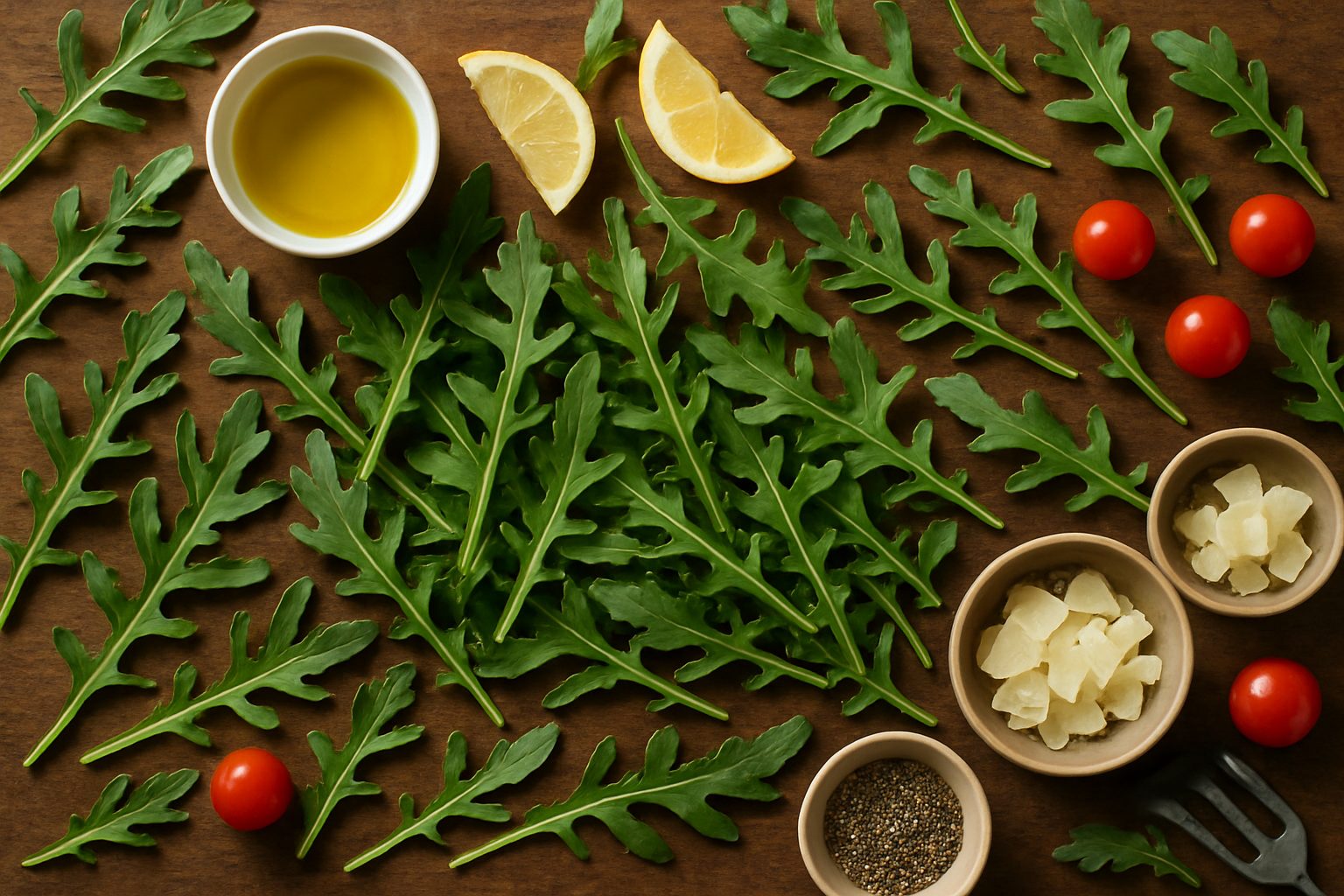
Arugula is a versatile green that adds a peppery punch to a wide range of dishes, whether used raw, cooked, or simply as a garnish. For a quick, flavorful salad, toss fresh arugula leaves with cherry tomatoes, shaved Parmesan, olive oil, and a squeeze of lemon—simple yet delicious.
Its tenderness and bite make it a fantastic bed for grilled chicken, shrimp, or roasted veggies. In pastas, arugula can be stirred in just before serving so it wilts without losing its vibrant color; try it mixed with penne, sautéed garlic, and a sprinkle of chili flakes.
Pizza lovers can elevate their pie by adding a handful of fresh arugula right after baking—the residual heat gently softens the greens without making them soggy. You can also blend arugula with nuts, garlic, and olive oil for a zesty pesto that pairs well with sandwiches or pasta.
When shopping, look for arugula with crisp, bright green leaves and avoid bunches with yellowing or slimy spots. Once home, store the greens in a loosely closed plastic bag lined with a paper towel to absorb moisture. For best freshness, keep the bag in your refrigerator’s crisper drawer and wash the arugula just before using.
If you find yourself with an abundance, you can revive slightly wilted arugula by soaking it briefly in ice water or freeze washed and dried leaves for later use in cooked dishes like soups and pestos. With its bold flavor and flexibility, arugula is an easy way to add dimension to everyday meals.
Safety, Side Effects, and Allergies
While leafy greens like spinach and kale offer many health benefits, it’s important to be aware of possible side effects and situations that call for caution. Some people may experience mild digestive upset, such as bloating or gas, especially when eating these vegetables raw or in large quantities.
Those with a history of kidney stones should be particularly cautious with spinach and beet greens, as they are high in oxalates—natural compounds that can contribute to stone formation. Additionally, greens from the brassica family (like kale, bok choy, and collards) contain goitrogens, which may interfere with thyroid function when consumed excessively, especially by individuals with underlying thyroid conditions.
Another point to consider is pesticide residue, which is commonly found on conventionally grown leafy greens. Washing them thoroughly and choosing organic options when possible can help reduce this risk.
If you have allergies to certain vegetables or are on blood-thinning medications like warfarin, consult your doctor before making significant changes to your diet, as the high vitamin K content in these greens can impact medication effectiveness.
For most people, gradually introducing a variety of greens—both cooked and raw—paired with plenty of water minimizes discomfort and maximizes nutrient absorption. To stay safe, stick to 1–2 cups of cooked or raw leafy greens per day, rotate your choices (don’t eat just one type every day), and monitor how your body responds.
Pregnant women, those on medication, and people with kidney or thyroid disorders should speak with their healthcare provider for personalized advice before including larger amounts of greens in their diet.
Growing Your Own Arugula
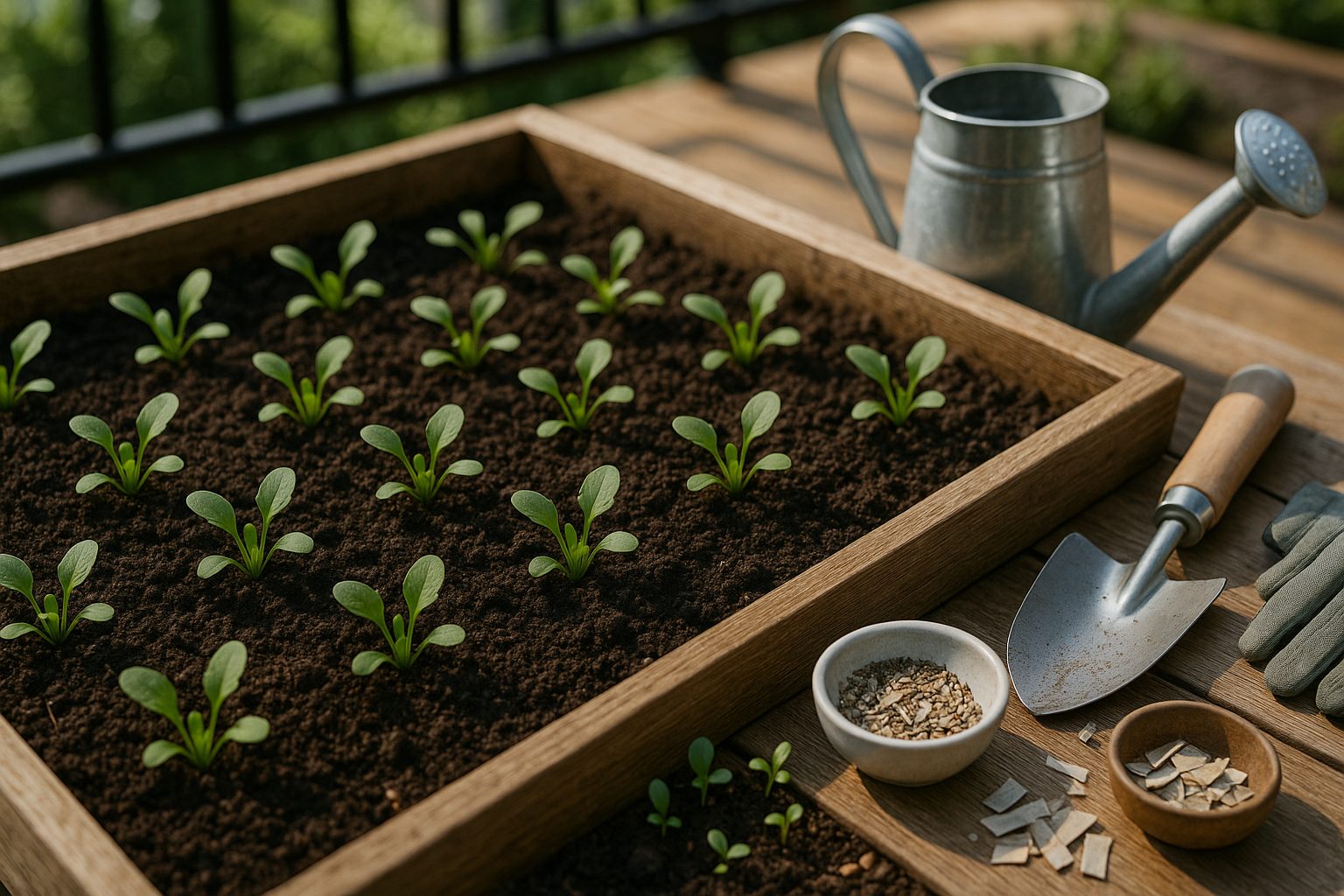
Growing your own arugula is surprisingly easy and rewarding, whether you’re working with a backyard garden or just a sunny balcony container. Arugula prefers cool weather, so plant seeds in early spring or late summer for the best results.
Sow seeds about a quarter inch deep directly into well-draining soil, spacing them an inch apart—with rows about a foot apart. Water regularly to keep the soil moist, but be careful not to overwater, as arugula is prone to rot. Thin out seedlings once they’re two inches tall to prevent overcrowding, aiming for about four inches between plants.
For a continuous harvest, try succession planting by sowing new seeds every two to three weeks. Popular arugula varieties include:
- Astro, which is milder and slower to bolt.
- Wild arugula (Diplotaxis), which offers a more peppery kick and is more heat-tolerant—great choices if you live in warmer climates.
Keep an eye out for flea beetles, the most common arugula pest, and use row covers if they become a problem. harvest leaves when they reach three to four inches for the best flavor—older leaves can turn bitter. Regular picking encourages fresh growth, so snip outer leaves and let the center continue to produce.
With just a little care, you’ll have a steady supply of fresh, zesty greens right at your fingertips.