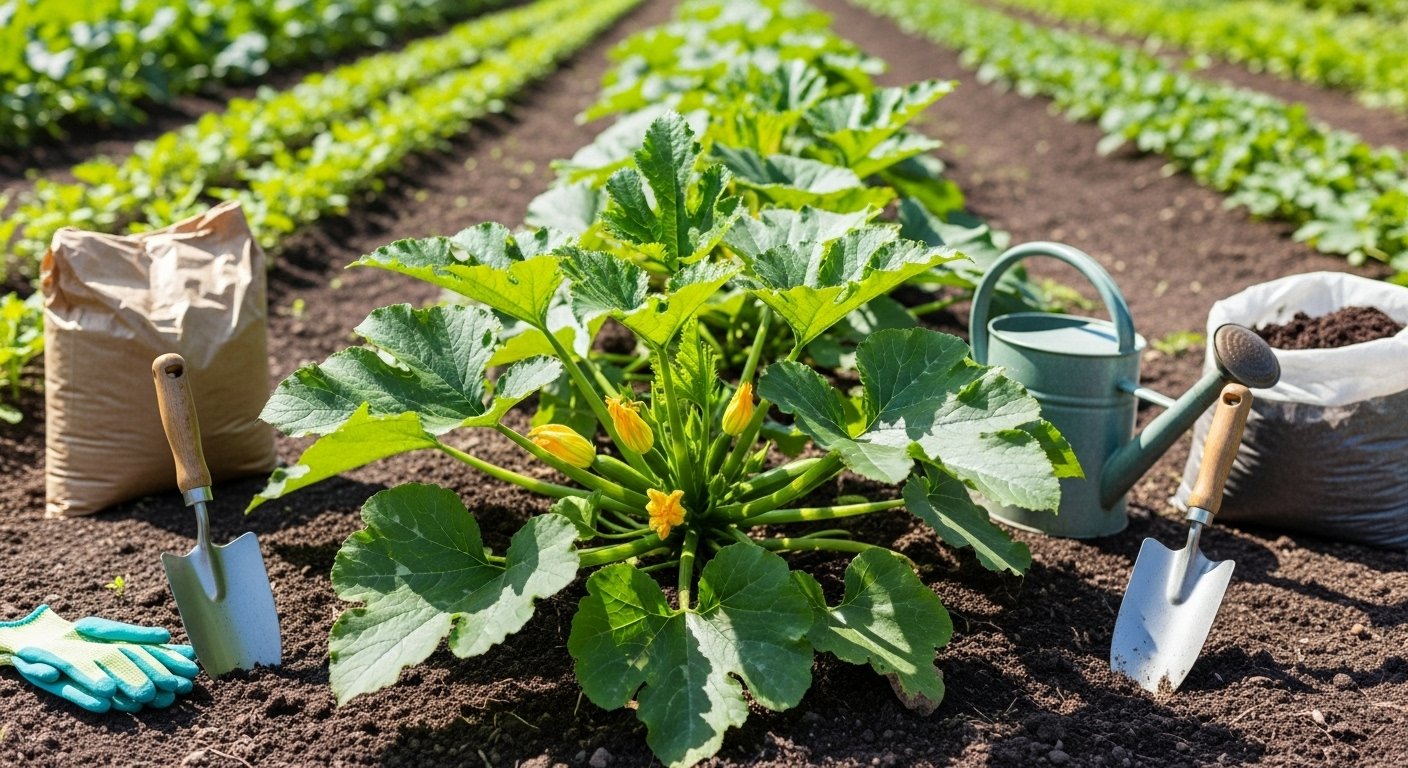
Introduction to Growing Zucchini
Prepping a zucchini bed is the essential first step for any gardener hoping to grow a bumper crop of this summer favorite. Zucchini, a fast-growing member of the squash family, has become a staple in home gardens thanks to its incredible yield, ease of cultivation, and versatility in the kitchen—from classic zucchini bread to grilled slices and even zoodles.
Home gardeners love zucchini because it rewards basic care with a steady, abundant harvest all season long. Plus, with just a few plants, even beginners can quickly enjoy delicious results and experiment with countless recipes.
In this blog post, we’ll walk you through how to create the ideal environment for your zucchini plants, including important soil preparation tips, guidance on bed location and spacing, watering best practices, and common mistakes to avoid. Whether your goal is to maximize productivity, simplify garden maintenance, or savor fresh zucchini all summer, you’ll find actionable advice and real-world examples to help you succeed.
Let’s dig in and set the stage for your tastiest and most productive zucchini season yet!
Choosing the Right Time and Place to Plant Zucchini
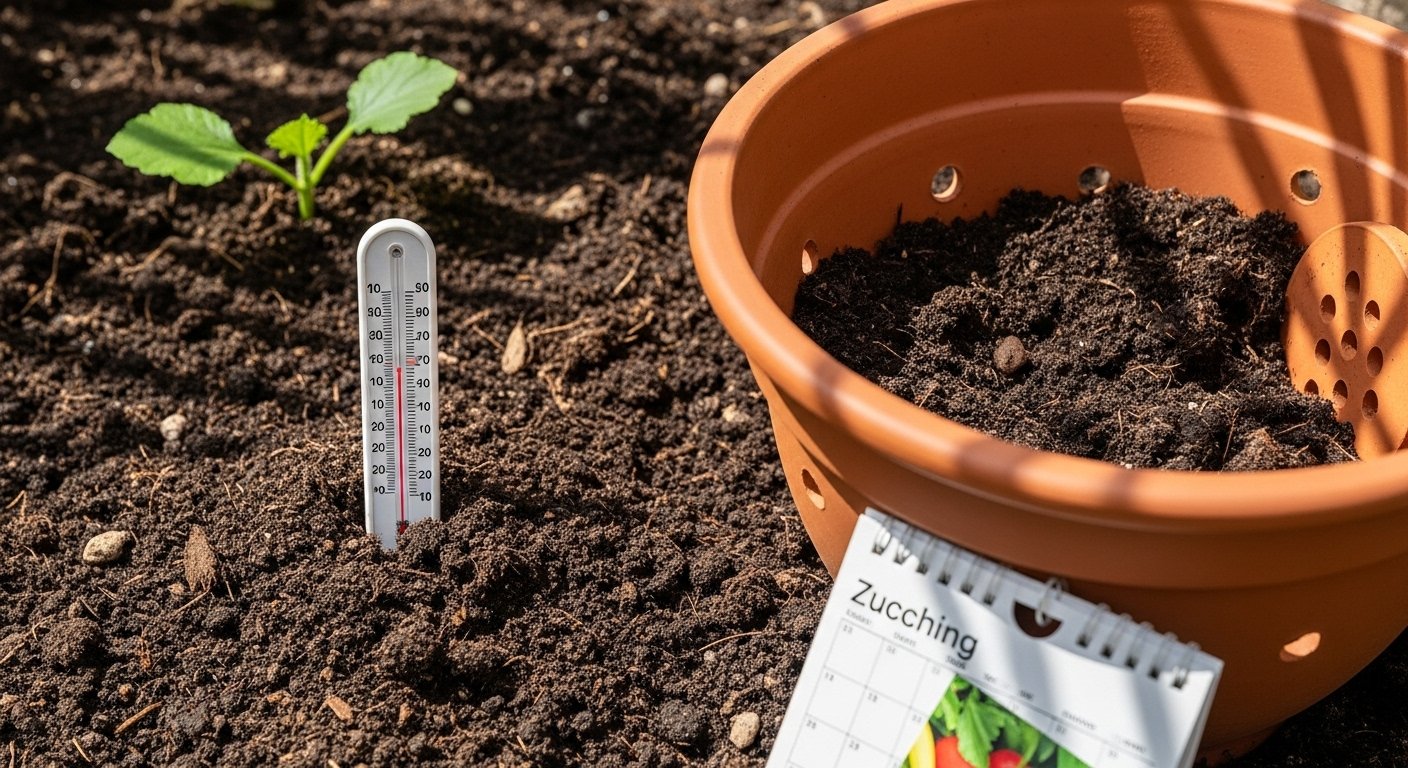
Planting zucchini at the right time and place is key to a successful harvest. Zucchini is sensitive to frost, so plan to sow seeds or transplant seedlings outdoors only after your area’s last expected frost date—usually when nighttime temperatures consistently stay above 50°F (10°C). Soil temperature should also reach 60°F (16°C) to encourage strong, healthy growth; a simple soil thermometer from a garden store can help you check this.
Zucchini thrives in locations that receive at least six to eight hours of direct sunlight daily, so select a garden spot with full sun and minimal shade. Soil quality matters too: plant zucchini in loose, fertile soil rich in organic matter, like compost, and ensure it drains well to avoid waterlogged roots. Raised beds or mounded rows can help improve drainage, especially if your yard has heavy clay or tends to stay wet after rain.
If space is tight, zucchini also grows well in large containers—at least 18 inches wide and deep—with plenty of drainage holes. Container gardening lets you control soil quality and sun exposure but remember to water more frequently, as pots dry out faster than garden beds.
Whether you choose an in-ground plot or a roomy container, give each plant plenty of space—zucchini vines can spread, so leave about three feet between plants to promote airflow and reduce disease risk. By waiting for warm temperatures, picking a sunny spot, and ensuring good soil and drainage, you’ll set the stage for a bumper zucchini crop.
Preparing Soil and Planting Zucchini
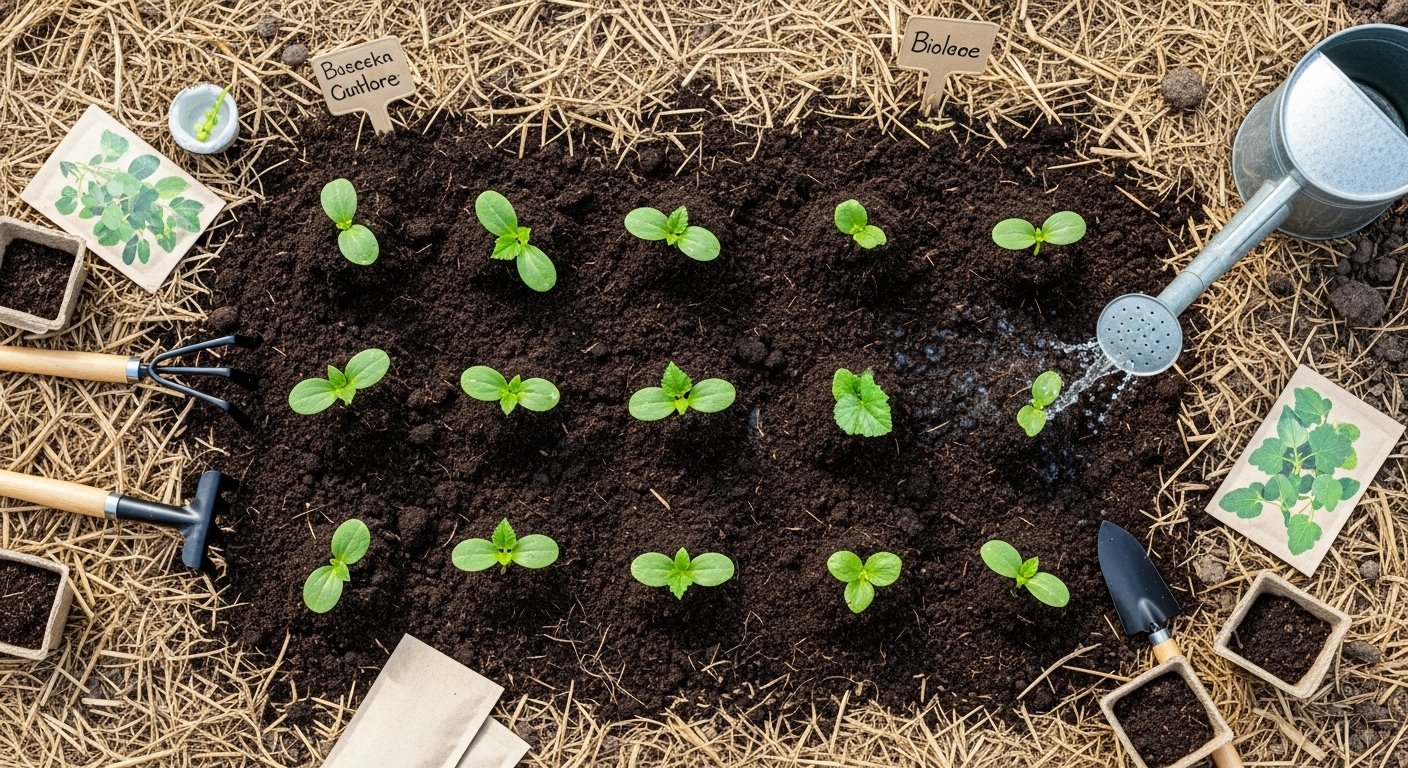
Growing robust zucchini starts with the right soil preparation. Aim for a slightly acidic to neutral soil pH, ideally between 6.0 and 7.0, to help zucchini plants access nutrients efficiently.
Before planting, enhance your garden bed by mixing in 2-3 inches of well-rotted compost. Compost not only boosts fertility but also improves drainage—crucial since zucchini dislikes soggy roots. If your soil is heavy clay or very sandy, amend it further with organic matter to create a loamy, friable texture.
When it comes to planting, you can start zucchini from seed directly outdoors or use transplants. Direct seeding is easiest: plant seeds about 1 inch deep in the soil, spacing them 2-3 feet apart to give the sprawling plants ample room. For transplants, set sturdy seedlings at the same depth as in their pots, also spacing them generously.
If you plant seeds in clusters or hills, thin them after sprouting so only the strongest two or three seedlings remain per hill—this prevents crowding and ensures healthy growth.
Zucchini has shallow roots and needs consistent moisture, especially during seedling establishment. Water gently and thoroughly, keeping soil evenly moist but never waterlogged. During the first few weeks, check soil every day or two; it should stay damp to a finger’s depth.
As the plants grow, mulch around them to conserve moisture and suppress weeds. With these steps, you set the stage for a healthy, high-yield zucchini harvest.
Zucchini Care: Watering, Fertilizing, and Supporting Growth
Caring for your zucchini starts with proper watering, which changes as your plants grow. Early on, especially right after transplanting or sprouting, keep the soil consistently moist but not soggy—about an inch of water per week is ideal. As the plants establish and start to flower, consider increasing this to two inches during particularly hot, dry spells.
Water at the base of the plant in the morning to avoid wetting the leaves, which helps prevent fungal diseases and pesky root rot. Mulching with straw or compost around the base will further lock in moisture and shield roots from excess water.
When it comes to fertilizing, zucchini responds well to balanced, slow-release granular fertilizers—apply before planting and again when plants begin to set fruit. For an organic approach, well-rotted compost or a handful of worm castings mixed into the soil at planting provides a natural nutrient boost, while a diluted fish emulsion feed every few weeks keeps plants healthy.
Supporting your zucchini is also essential for bigger yields and disease prevention. While bush varieties are typically fine on their own, staking vining types with bamboo poles or sturdy tomato cages will keep foliage upright and fruits off damp ground.
Pinch back excessive foliage and prune away any damaged or diseased leaves weekly to promote airflow, especially in dense plantings, helping prevent mildew and rot. Make it a habit to inspect your plants every few days—quickly removing spent flowers and yellowed leaves can make a noticeable difference in plant vigor and harvest quality.
By fine-tuning these care practices for your space, you’ll avoid common zucchini problems and enjoy healthy, productive plants all season long.
Managing Pests and Diseases
Zucchini plants are popular in home gardens, but they can attract a range of pests and diseases if not carefully managed. Common insect pests include cucumber beetles, squash bugs, and aphids, all of which feed on leaves and stems, causing stunted growth or even plant death if left unchecked.
One effective organic solution is handpicking beetles and squash bug eggs early in the morning when they’re sluggish. Spraying a mild, soapy water mix can dislodge aphids, and introducing beneficial insects like ladybugs or lacewings helps keep pest populations under control without using harsh chemicals.
Zucchinis are also vulnerable to powdery mildew, a white, powdery fungal growth on leaves, and bacterial wilt, which causes sudden vine collapse. Preventing these diseases starts with good garden hygiene:
- Rotate crops each season
- Avoid overhead watering
- Ensure proper plant spacing for air circulation
- Promptly remove affected parts to limit spread
Applying organic fungicides such as neem oil can help manage early powdery mildew. Be on the lookout for early warning signs like pale, curling leaves, sticky residue, or spots and powdery patches on foliage—catching these early prevents larger outbreaks.
Integrating pest management principles is crucial: monitor plants regularly, encourage natural predators, use barriers like row covers to protect young seedlings, and avoid unnecessary pesticide use that can harm beneficial insects.
By combining vigilant observation with natural prevention and targeted treatments, you’ll help your zucchini thrive all season long with minimal environmental impact.
Tips for Bigger Harvests and Healthy Plants
Getting the most from your garden isn’t just about planting more—timing and technique matter just as much. For optimal flavor, harvest fruits and veggies at their peak: tomatoes should come off the vine when fully colored but still firm, while leafy greens taste best just before they mature.
Picking regularly also encourages new growth; for example, snipping herbs and beans often keeps plants productive longer. To ramp up yields, try succession planting—after one crop finishes, immediately fill the space with another, such as replacing early peas with fast-growing lettuce.
Another smart move is companion planting: pairing crops like basil and tomatoes can boost growth, deter pests, and attract beneficial pollinators. Don’t ignore plant stress signals either; yellowing leaves or dropped flowers often point to issues like inconsistent watering or overcrowding. Address these quickly:
- Mulch to retain moisture
- Thin overcrowded seedlings
- Provide afternoon shade for delicate plants during heat waves
For better pollination—and therefore more fruit—gently shake flowering plants like peppers or tomatoes to help pollen transfer, or plant pollen-attracting flowers nearby to draw bees. A little observation and a willingness to tweak your approach can turn a good harvest into a great one.
Storing, Eating, and Enjoying Zucchini
Zucchini is a versatile veggie that’s easy to store and enjoy all year round. For short-term storage, keep whole, unwashed zucchini in a perforated plastic bag in the refrigerator; they’ll stay fresh for up to a week.
If you want to store zucchini longer, slice or grate it, blanch for two to three minutes, then freeze in airtight containers—this preserves nutrients and texture for use months later. You can also make zucchini pickles or relishes for a tangy preserved option.
When it comes to meals, zucchini shines thanks to its mild flavor and quick-cooking nature. Try adding raw slices to salads, tossing spiralized zucchini with pesto for a light “zoodle” pasta, or grilling halves for a smoky side. Stir grated zucchini into muffins or omelets for an easy veggie boost, or layer it into lasagna for a lighter twist.
Nutritionally, zucchini is packed with vitamins A and C, potassium, and fiber—promoting healthy skin, digestion, and immunity. Because it adapts to so many dishes, don’t be afraid to experiment: combine it with herbs, cheeses, or your favorite spices to discover new family favorites.
Zucchini’s flexibility makes it a fridge staple that’s as nutritious as it is delicious.
Final Thoughts and Troubleshooting FAQs
Starting your own zucchini garden can feel overwhelming at first, but remember that even seasoned gardeners face hiccups along the way. If you notice yellowing leaves, don’t panic—this often means your plant needs more consistent watering or could use a nutrient boost. Check the soil and consider adding compost.
Lack of fruit might be due to poor pollination; try gently shaking the flowers or planting pollinator-friendly flowers nearby to attract bees. Overcrowding is another common issue: zucchinis need plenty of air and elbow room, so thin out seedlings early and remove excess leaves to avoid mildew and encourage healthy growth.
The key is to observe your plants regularly, make small adjustments, and not be discouraged by setbacks—every problem is just a learning opportunity. If you’re stuck, reach out in the comments below with your questions or share your own tips.
With a little patience and hands-on care, you’ll be harvesting your own zucchinis before you know it, and the satisfaction of enjoying homegrown veggies makes every challenge worthwhile. So, roll up your sleeves and give zucchini gardening a try—your future self (and your dinner plate) will thank you!