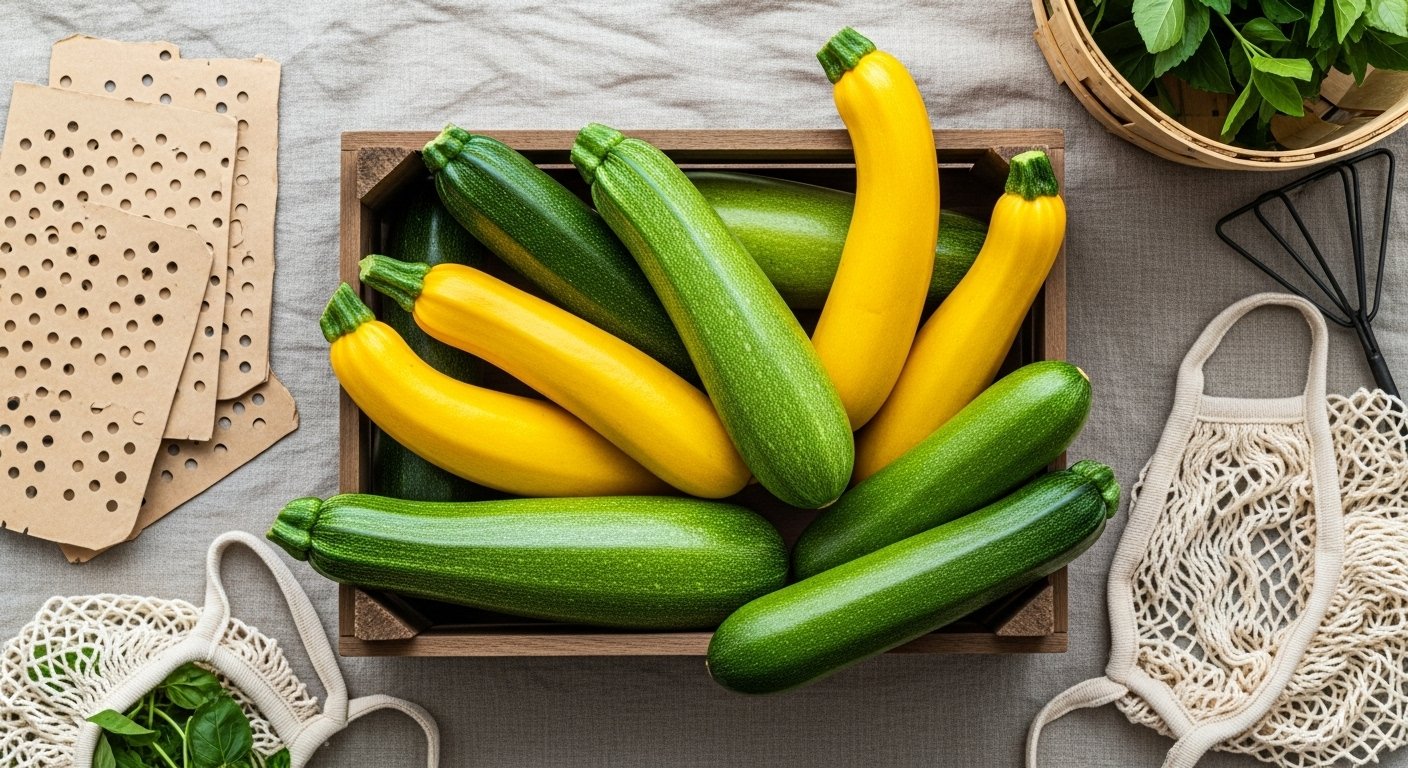
Choosing the Freshest Zucchini and Summer Squash at the Store
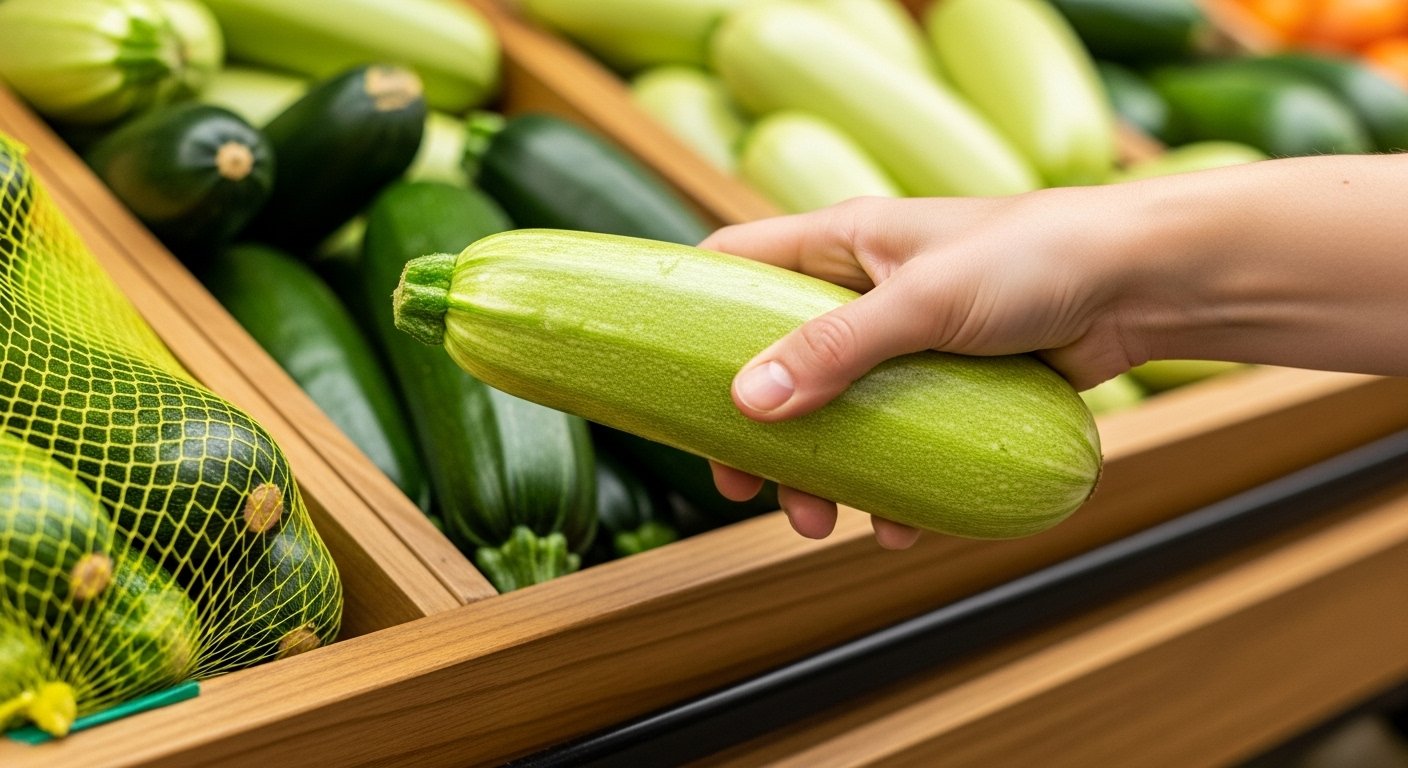
Knowing how to store fresh zucchini starts with choosing the best produce at the store. To ensure your zucchini and summer squash last as long as possible—whether you plan to keep them in the fridge or a root cellar—look for squash that feels firm when gently squeezed. Bright, vibrant colors are a clear sign of freshness.
Inspect the skin closely; it should be smooth and free of nicks, blemishes, or soft spots. Avoid any squash that feels spongy, shows signs of shriveling, or has dark, sunken areas, as these can signal old or damaged produce that won’t keep well.
High-quality zucchini not only tastes better but also stores longer, so take a few extra moments to examine each piece. Opt for small to medium-sized squash, as these tend to be more tender and flavorful.
By being selective at the store, you lay the foundation for successful storage, helping your zucchini stay crisp and delicious for days or even weeks. With these tips, you’ll get the most out of your garden-fresh or store-bought summer squash.
The Right Way to Store Whole Zucchini and Summer Squash
To keep whole zucchini and summer squash fresh longer, store them in the refrigerator’s crisper drawer, ideally at around 40°F (4°C). The crisper drawer provides a slightly more humid environment that helps prevent the squash from shriveling, while still allowing enough airflow to avoid mold.
Instead of sealing the squash in airtight plastic, use a perforated plastic or mesh produce bag. This allows excess moisture to escape and ensures the squash can breathe, reducing the risk of rot. It’s best not to wash zucchini or summer squash before storing; extra moisture on the skin can promote mold and spoilage. Simply brush off any dirt before refrigerating, and wash just before use.
If you don’t have a perforated bag, poke a few holes in a regular plastic bag to encourage ventilation, or leave the bag slightly open. Check your squash every couple of days for soft spots or condensation inside the bag, since excess moisture is the enemy of longevity.
With these simple tricks, you can extend the shelf life of your zucchini and summer squash by up to a week, helping you avoid waste and always have fresh veggies ready to use in your favorite recipes.
Storing Cut or Used Zucchini and Summer Squash
After cutting zucchini or summer squash, it’s important to store the unused portions properly to keep them fresh and safe to eat. Place cut halves or slices in an airtight container or wrap them tightly in plastic wrap before putting them in the fridge—this helps prevent them from drying out and absorbing odors from other foods.
Generally, cut raw zucchini and summer squash will last about 3 to 4 days in the refrigerator. Keep an eye out for signs of spoilage like a mushy or slimy texture, off smells, or spots of mold—these mean it’s time to toss them.
If you’ve cooked the squash, store the leftovers in a clean airtight container and aim to use them within 2 to 3 days for the best texture and taste, since cooked zucchini tends to soften and spoil more quickly than raw.
For extra freshness, avoid washing the cut pieces until right before use, as moisture can speed up their decline.
Freezing Zucchini—Best Methods and Uses
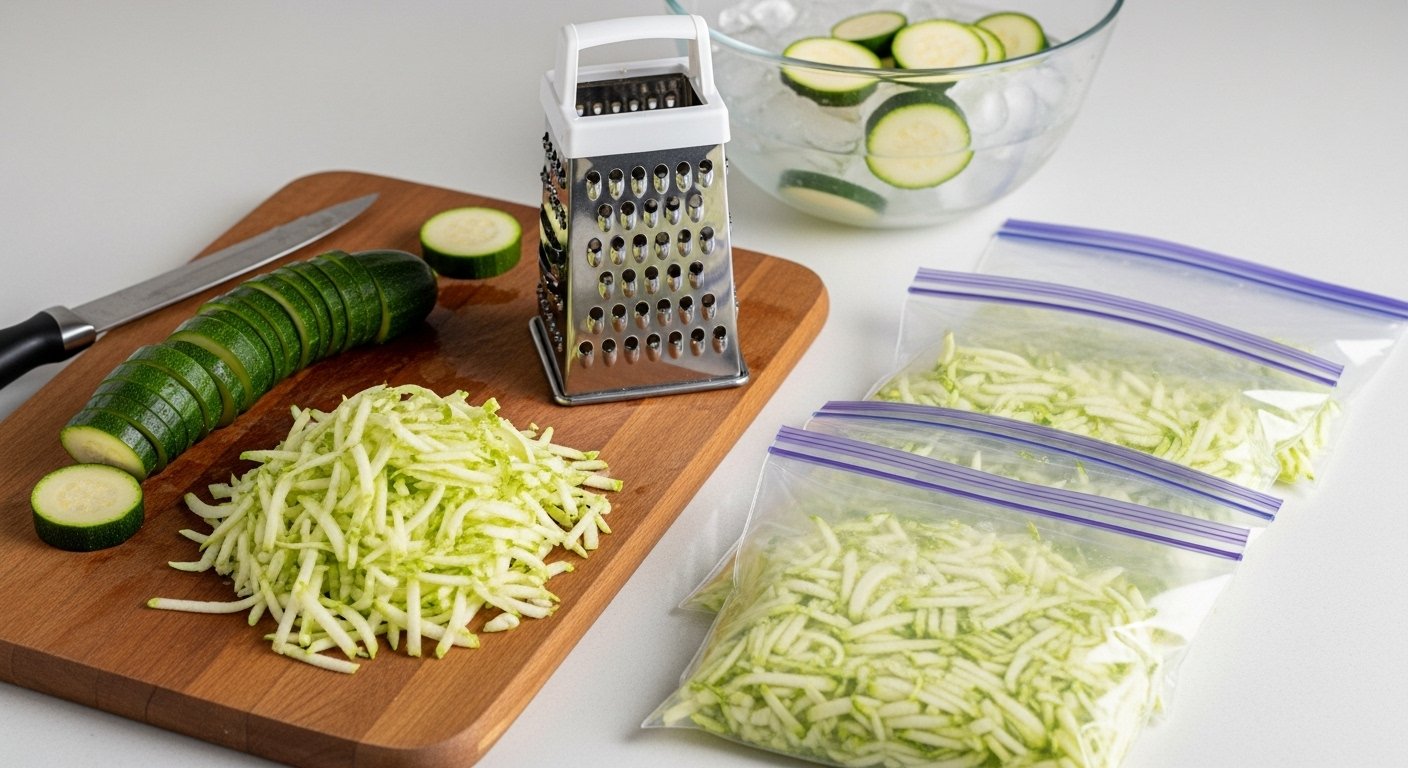
Freezing zucchini is a great way to cut down on food waste and ensure you always have this versatile veggie on hand for soups, breads, and stir-fries. To get started, wash your zucchini thoroughly and trim both ends.
If you’re freezing slices, cut the zucchini into half-inch rounds. For baking or fritters, you can shred it using a box grater or a food processor.
Either way, blanch slices by boiling them for about 2 minutes, then plunge them into an ice bath; this helps preserve both texture and color. Shredded zucchini doesn’t require blanching—just squeeze out the extra moisture with a clean towel after shredding.
Avoid freezing zucchini noodles or zoodles, as they turn mushy once thawed.
Once prepped, pack your zucchini into airtight freezer bags or containers, removing as much air as possible to prevent freezer burn. Lay bags flat in the freezer for faster freezing and easy stacking. Label each package with the date for best rotation.
When you’re ready to use zucchini, simply thaw slices in the fridge for stews or casseroles, or add shredded zucchini directly from the freezer to batters for breads or muffins—no need to thaw. This way, you maximize the taste and texture for each use.
How to Make Zucchini Last Longer
To keep zucchini fresh longer, start by making sure it’s completely dry before storing—excess moisture encourages mold and spoilage. Store zucchini whole and unwashed in the crisper drawer of your fridge, where air circulation helps prevent rot.
Regularly check for soft spots or signs of spoilage; if you spot any compromised pieces, remove them right away to stop the spread.
Choosing the right storage container also matters:
- Paper bags work well because they absorb moisture and allow for airflow, but they can tear easily.
- Plastic bags hold in humidity and may make zucchini slimy if not left partially open, so poke a few holes for ventilation.
- Glass containers keep things organized but can trap too much moisture unless lined with a dry paper towel.
To avoid waste, get creative with leftovers—add diced zucchini to stir-fries, bake it into muffins, or try quick pickling slices for a crunchy snack. If you’re overloaded, consider blanching and freezing zucchini for soups or stews later.
Spotting Spoiled Zucchini—When Is It Time to Toss?
Knowing when zucchini has gone bad is key to protecting your health and enjoying fresh ingredients. The clearest sign of spoiled zucchini is a mushy or slimy texture; if it feels soft or leaks liquid, it’s time to toss it.
An off or sour smell is another giveaway—fresh zucchini should have a mild, pleasant scent, so any musty or rancid odor is a big red flag. Check for mold, which appears as fuzzy spots in white, black, or green; even small amounts mean the whole zucchini should go.
Discoloration like dark or sunken spots also signals spoilage and shouldn’t be ignored. To keep zucchini fresh, store it unwashed in a breathable bag in your refrigerator’s crisper drawer and use it within a week.
If you notice only a small area that seems questionable but the rest looks fine, it’s tempting to cut it away, but err on the side of caution—when in doubt, throw it out. Food safety always comes first.
Simple Ways to Use Up Extra Zucchini and Squash
If your fridge is overflowing with zucchini and squash, don’t let them go to waste—there are plenty of quick, tasty ways to use them up.
For an easy side, slice and toss with a bit of olive oil, then roast or grill until golden and tender. Hungry for something crisp? Coat slices lightly in flour and pan-fry for a satisfying snack.
Zucchini can also be grated into salads for crunch or added to soups and stir-fries for a boost of nutrients. Get creative by baking moist zucchini bread or mixing cubes into casseroles and pasta dishes.
If you still have extra, freeze shredded zucchini in small portions; it’s perfect to thaw later for baking or sauces.
By experimenting with these ideas, you’ll not only add variety to your meals but also help minimize food waste—making the most of every last zucchini in your kitchen.