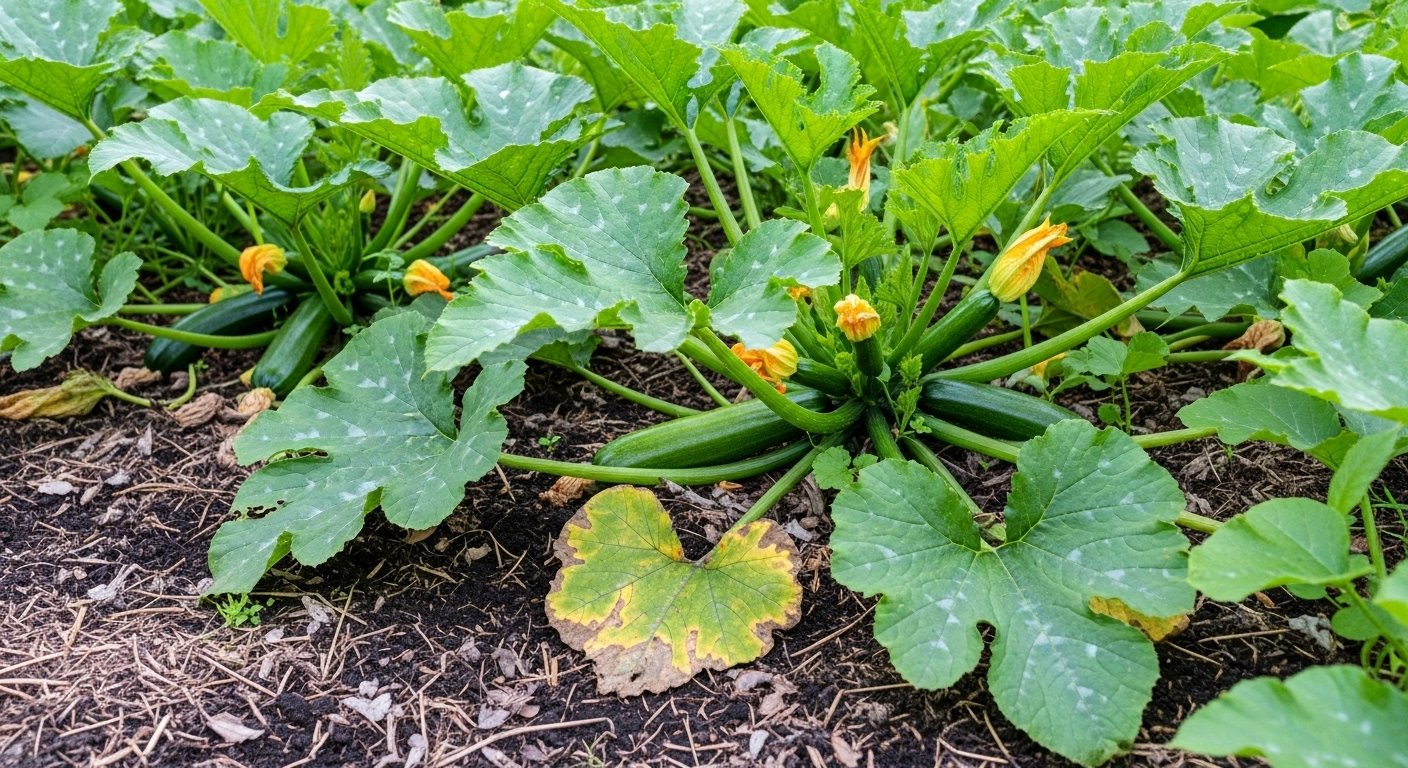
Getting Started with Zucchini
If you’re interested in composting zucchini plants, it probably means you’ve already enjoyed a season of growing this popular summer squash. Zucchini is beloved by home gardeners for its rapid growth, impressive yields, and the way one or two plants can keep a kitchen stocked for weeks. With their soft skins and mild flavor, zucchini can slip into everything from moist breads to stir-fries and pickles, making them almost indispensable in summertime cooking. Plus, they’re one of the easiest vegetables to grow, perfect for gardening beginners without a lot of space or experience.
Zucchini Types
There are two main categories to consider when choosing which kind of zucchini fits your garden best: bush and vining. Bush types, such as ‘Black Beauty’ or ‘Raven,’ are compact, making them an ideal pick for small raised beds or even containers on a sunny patio. Vining or sprawling varieties like ‘Costata Romanesco’ need a bit more space to spread but can produce even more fruit and are great options for larger garden plots. Both types come in heirloom and hybrid options—heirlooms like the striped ‘Cocozelle’ often deliver unique flavors and looks, while hybrids may offer improved disease resistance or more uniform results.
Growing Tips
Before you plant, it helps to know that zucchini plants can get surprisingly large, often stretching out two to three feet in all directions. They prefer full sun and well-drained soil, and with good watering habits, they’ll usually start producing fruit in as little as 40–60 days after planting. Most gardeners find that late spring through early fall is peak zucchini harvest time, with plants putting out more fruit than you might expect.
As you plan your garden, consider your kitchen needs and space—one or two plants are often more than plenty! By the end of the season, when the plants begin to fade, understanding whether you can compost old zucchini plants is the next step in completing the zucchini gardening cycle sustainably.
Choosing the Right Location and Preparing Your Soil
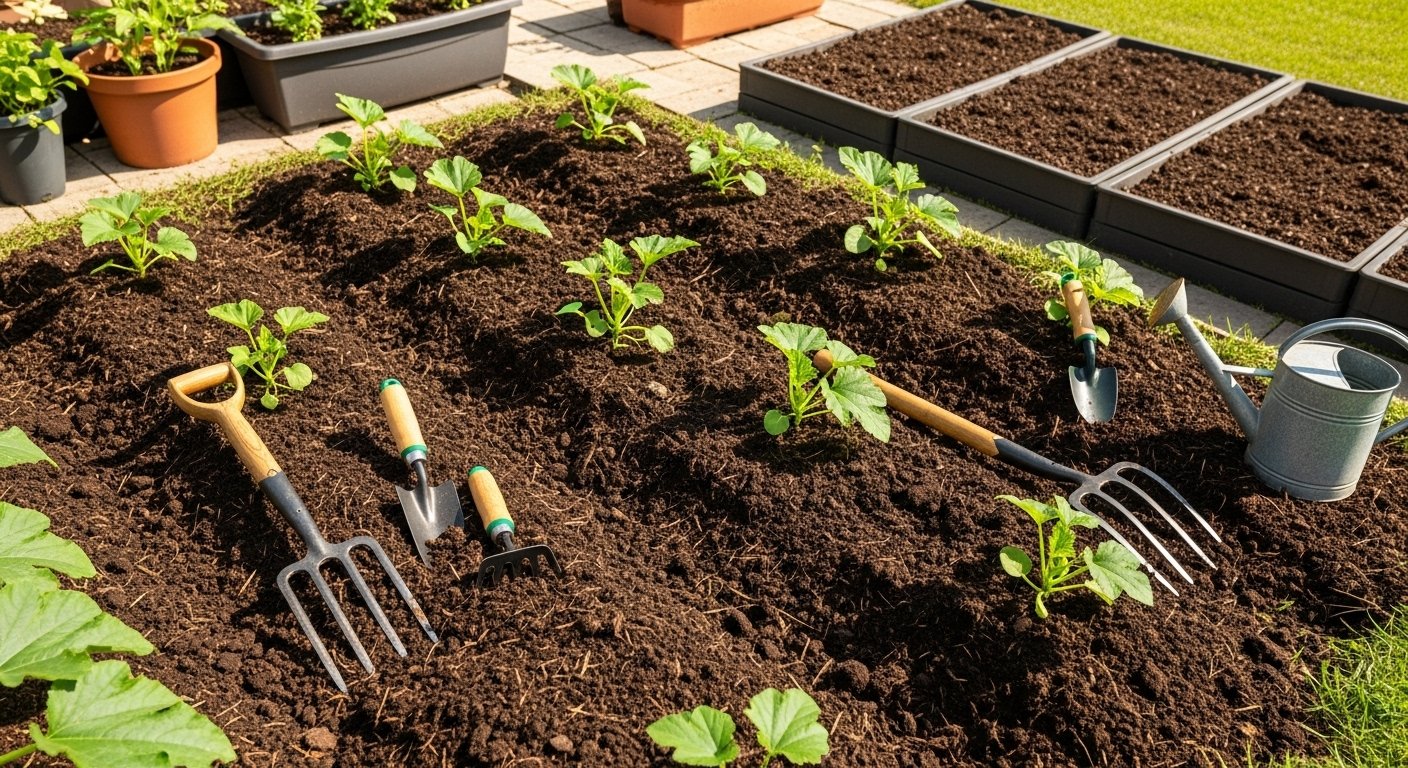
Selecting the perfect spot in your garden is the first step toward a successful harvest. Most fruit and vegetable plants thrive in full sun, so look for an area that receives at least six to eight hours of direct sunlight each day. It’s also wise to pick a location shielded from strong winds, as harsh gusts can damage plants and dry out the soil. Proximity to a reliable water source will make regular watering much easier, especially during hot summer months.
Once you’ve identified your site, check the soil—good garden soil is well-draining, rich in organic matter, and slightly acidic to neutral, with a pH between 6.0 and 7.0. To prepare your plot, start by clearing away grass, weeds, and debris. Use a garden fork or tiller to loosen the soil at least 8 to 12 inches deep, breaking up large clumps for better root growth.
Next, mix in compost, well-rotted manure, or other organic amendments to improve fertility and texture—about two to three inches spread across your soil works well. For those with less space or poor native soil, raised beds and containers offer flexible options. Fill them with a high-quality soil mix designed for vegetables and add compost each season to maintain nutrients.
Even patios and balconies can become productive gardens with the right-sized containers placed in sunny spots—just make sure containers have drainage holes and water more often since they dry out quicker than in-ground beds. Whichever route you choose, investing extra time in selecting your location and preparing your soil will set the stage for healthier plants and bigger harvests all season long.
Sowing and Planting Zucchini: Step-by-Step Guide
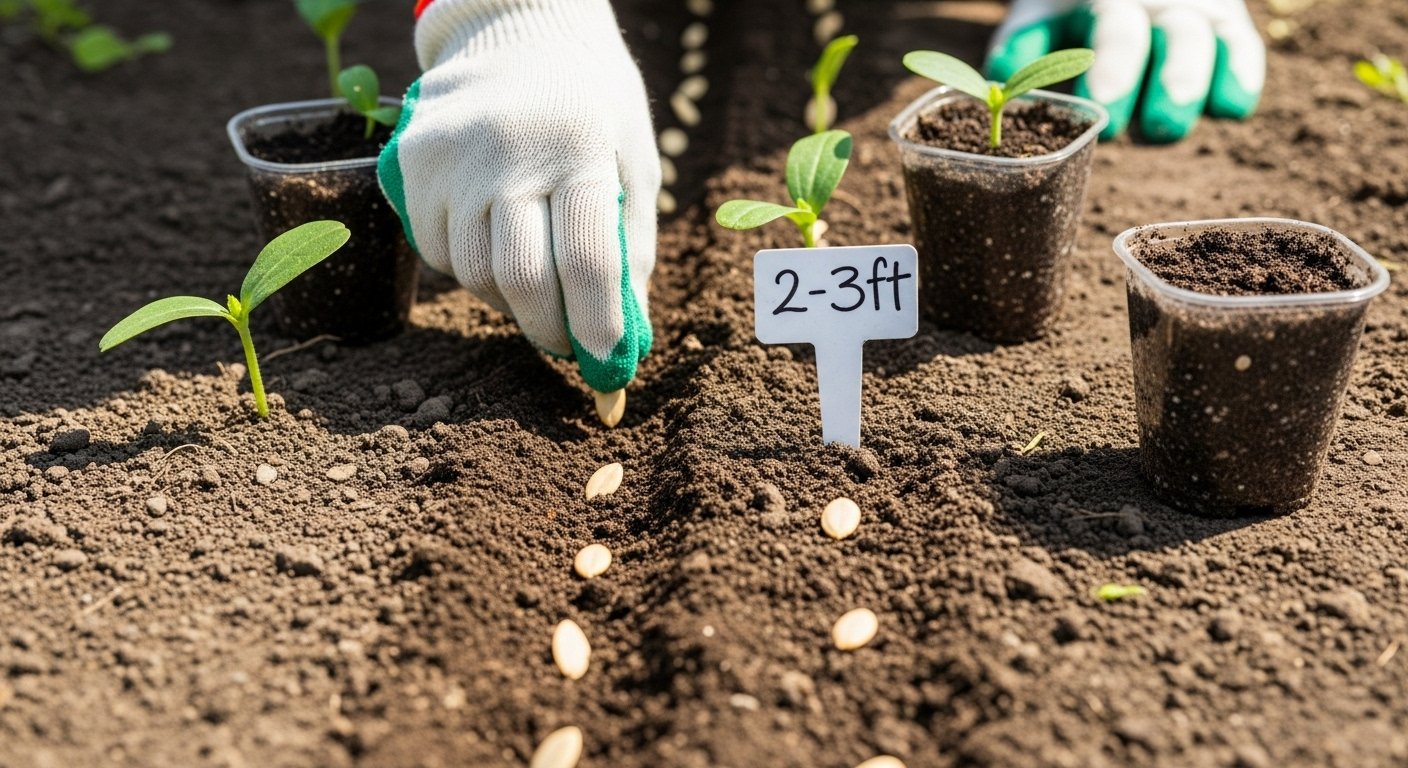
Getting started with zucchini is simple, but timing is key for a strong harvest. In cooler climates with short growing seasons, start seeds indoors about two to four weeks before your area’s last expected frost. Just tuck each seed about an inch deep into small pots and keep them warm and moist.
If you’re lucky enough to garden in a warm climate or after the frost threat has passed, direct sowing outdoors works well. Plant seeds directly into rich, loosened soil about one inch deep and two to three feet apart.
This generous spacing is vital—zucchini plants grow large and spreading, and close planting can lead to poor airflow and a higher risk of diseases like powdery mildew.
For transplanting starts, wait until both soil and air temperatures remain consistently above 60°F (15°C). Then gently move seedlings outdoors, being careful not to disturb the roots. Place them two to three feet apart in rows that are at least three feet wide, which minimizes crowding and keeps the leaves dry and healthy.
A common mistake is planting too early, crowding plants, or sowing seeds too shallowly—zucchini roots need a bit of depth for the best anchoring.
To maximize your harvest, try succession planting: sow new seeds every two to three weeks until midsummer. This way, as older plants slow down or succumb to pests, younger ones keep producing, giving you a steady supply of zucchini all season long.
Whether starting indoors or out in the garden, remember that proper spacing and attention to sowing depth can make all the difference in healthy plants and plentiful zucchini.
Caring for Zucchini Plants: Watering, Feeding, and Maintenance
Maintaining healthy zucchini plants revolves around a handful of core care practices: consistent watering, smart feeding, and attentive garden maintenance. Zucchinis thrive with regular moisture, needing about an inch of water each week, so check the soil often—if the top inch feels dry, it’s time to water deeply at the base rather than overhead, which helps prevent disease.
Watch for signs of drought stress like wilting leaves, slowed fruit growth, or yellowing edges, and consider adding a 2–3 inch layer of organic mulch, such as straw or shredded leaves, to regulate soil moisture and reduce how often you’ll need to water.
Fertilizing is another key step, but timing and type matter—start with a balanced, all-purpose fertilizer at planting, then switch to a low-nitrogen blend when flowers appear. Too much nitrogen leads to lush leaves but little fruit, so look for NPK ratios where the middle and last numbers (phosphorus and potassium) are higher than nitrogen, supporting flower and fruit development.
As zucchinis grow, their large vines and heavy fruit sometimes sprawl; gently staking or supporting main stems helps prevent breakage and keeps fruits clean. Try simple wooden stakes tied loosely with garden twine or repurpose tomato cages to keep plants upright—just be careful not to damage the stems.
Pruning plays an important role, especially in humid climates. Use clean, sharp scissors to snip away crowded or damaged leaves weekly. This opens up space, improving airflow and reducing the chance of powdery mildew, which loves damp, stagnant conditions. Remove any yellow or shriveled leaves near the plant base first, but always leave enough healthy foliage to feed the growing fruit.
Watch for problems like yellowing leaves (which may signal too much water or a nutrient imbalance) or fruits rotting on the ends—a sign of blossom-end rot often caused by inconsistent watering or calcium deficiency.
Squash bugs and powdery mildew are also common; handpick bugs early in the morning and treat mildew by removing infected leaves and improving airflow. Regularly check under large leaves for hidden pests and eggs.
By tuning in to these everyday care tasks, you’ll set the stage for a bumper crop of fresh, healthy zucchini all summer long.
Disease and Pest Management for Healthy Zucchini
Keeping your zucchini plants healthy starts with understanding the most common diseases—powdery mildew, blossom end rot, downy mildew, and bacterial wilt. Powdery mildew appears as a white, powdery coating on leaves and thrives in humid, crowded conditions; downy mildew creates yellow or brown patches, while bacterial wilt causes sudden leaf wilting and is often spread by cucumber beetles. Blossom end rot shows up as dark, sunken spots on fruits, typically from inconsistent watering or calcium deficiency.
To prevent these issues, practice crop rotation each year to disrupt disease cycles, and avoid planting zucchinis where cucurbits grew last season. Give each plant space—at least 2-3 feet apart—to promote airflow and reduce humidity. Choose disease-resistant varieties whenever you can and always water at the soil level to keep leaves dry, as wet foliage makes it easy for pathogens to take hold.
Dealing with Insect Pests
Insect pests can be just as challenging, so keep an eye out for the main culprits: squash bugs, cucumber beetles, aphids, and vine borers.
- Squash bugs: Gray-brown with flat, shield-shaped bodies, often gathered in clusters on stems and leaves.
- Cucumber beetles: Small, yellow-green beetles with stripes or spots.
- Aphids: Tiny, soft-bodied insects that form dense colonies under leaves.
- Vine borers: Larvae that tunnel into stems, causing wilting and plant collapse.
For organic control, hand-pick visible squash bugs and eggs, and use row covers to block adult beetles and borers early in the season (just remove covers during flowering for pollination). Pesticide soaps or neem oil sprays can help suppress aphids. If you notice sawdust-like frass near the base of stems, cut them open and remove any vine borer larvae promptly. Yellow sticky traps are effective for monitoring flying pests like cucumber beetles.
Integrated Pest Management (IPM) for Zucchini
Successful disease and pest management relies on integrated pest management (IPM)—a strategy combining prevention, regular monitoring, and targeted intervention to minimize chemical use and protect beneficial insects.
Set aside time each week for a quick garden walk-through: check the tops and undersides of leaves for symptoms or clusters of pests. Early morning is best, when insects are slow-moving. If you spot problems, act quickly but flexibly—remove infected leaves, harvest affected fruits to stop spread, and add mulch to limit soil splash and pathogen movement. Only resort to organic-approved pesticides as a last step, and time applications when pests are most vulnerable (like spraying aphids during early infestations).
By combining these practical steps with vigilance, you’ll dramatically reduce losses from diseases and pests while supporting a thriving zucchini harvest all summer long.
Harvesting Zucchini for Peak Flavor
For the best-tasting zucchini, timing your harvest is crucial. The ideal zucchini is typically 6 to 8 inches long and about 2 inches thick—roughly the size of a small flashlight. Harvesting at this size ensures the flesh is tender and the seeds haven’t become tough or bitter.
During the peak growing season, zucchini can double in size almost overnight, so daily checks become essential to catch them before they grow too large. When it’s time to pick, use a sharp knife or pruning shears, cutting the stem about one inch above the fruit. Avoid pulling or twisting, as this can damage the plant and affect future yields.
Regular harvesting not only keeps the plants producing but also improves fruit quality. Zucchinis left on the vine too long signal the plant to stop making more fruit, so picking frequently means a steady supply of tender squash.
After picking, handle zucchini gently—their delicate skin bruises easily. Place harvested fruit in a single layer in a basket or shallow box rather than piling them up, and avoid dropping or tossing them around. If you’re harvesting in the heat, bring zucchinis indoors quickly to halt further ripening and maintain their fresh texture.
With these mindful habits, you’ll enjoy bountiful, flavorful zucchini all season long.
Storing and Preserving Your Zucchini Bounty
Once you’ve harvested your zucchini bounty, storing it properly helps maintain its flavor and freshness. For short-term storage, keep whole, unwashed zucchini in a perforated plastic or paper bag inside your refrigerator’s crisper drawer. This minimizes moisture and keeps them crisp for up to one week.
If you’ve sliced or shredded zucchini, place it in an airtight container or a sealed zip-top bag lined with a paper towel to absorb excess moisture.
For longer storage, freezing is a great option: simply slice or shred the zucchini, blanch it briefly in boiling water, cool, drain, and pack into freezer bags. Frozen zucchini can be used months later in soups or breads.
Pickling is another fun method. Slice the zucchini and submerge it in a mixture of vinegar, water, and spices, then store in the fridge for tangy snacks.
You can also dehydrate zucchini slices in a dehydrator or a low oven to make crunchy chips, or try water-bath canning using your favorite relish or chutney recipe—just be sure to follow safe canning guidelines.
To use up extra zucchini creatively, grate it into savory fritters or muffins, bake it in moist zucchini bread, or add it to soups, stews, and pastas for a nutritional boost. Don’t be afraid to toss raw ribbons into salads or spiralize them in place of noodles for a light summer meal. Zucchini’s versatility truly makes it easy to enjoy your harvest all year long.
Frequently Asked Questions and Troubleshooting
Many gardeners often face issues like fruit rot or poor flower pollination, but the good news is that most problems have simple solutions. For example, fruit rot usually happens due to excess moisture or poor air circulation. To help your plants, water at the base, avoid overcrowding, and mulch to keep soil levels even.
If your flowers aren’t setting fruit, it could be due to low pollinator activity. Try planting bee-friendly flowers nearby, or gently brush the flowers with a small paintbrush to transfer pollen. Some gardeners also find that watering in the morning and adding companion plants, like marigolds, can improve fruit health and pollination.
Don’t get discouraged if things don’t work right away—gardening is as much about experimenting as it is about following rules. Keep a notebook of what you try and note when you get better results.
Connecting with local gardening groups can be really helpful, since regional climates bring unique challenges and creative solutions. Facebook groups or your local cooperative extension are great places to find advice.
If you want step-by-step guides or more in-depth help, sites like the National Gardening Association or university extension websites offer detailed troubleshooting charts and visual guides for specific crops.
Most importantly, remember that every garden—and gardener—is unique. Share your successes and what’s worked for you; your tips might be exactly what another grower needs to solve their own stubborn problem.