Why Hand Pollinate Zucchini?
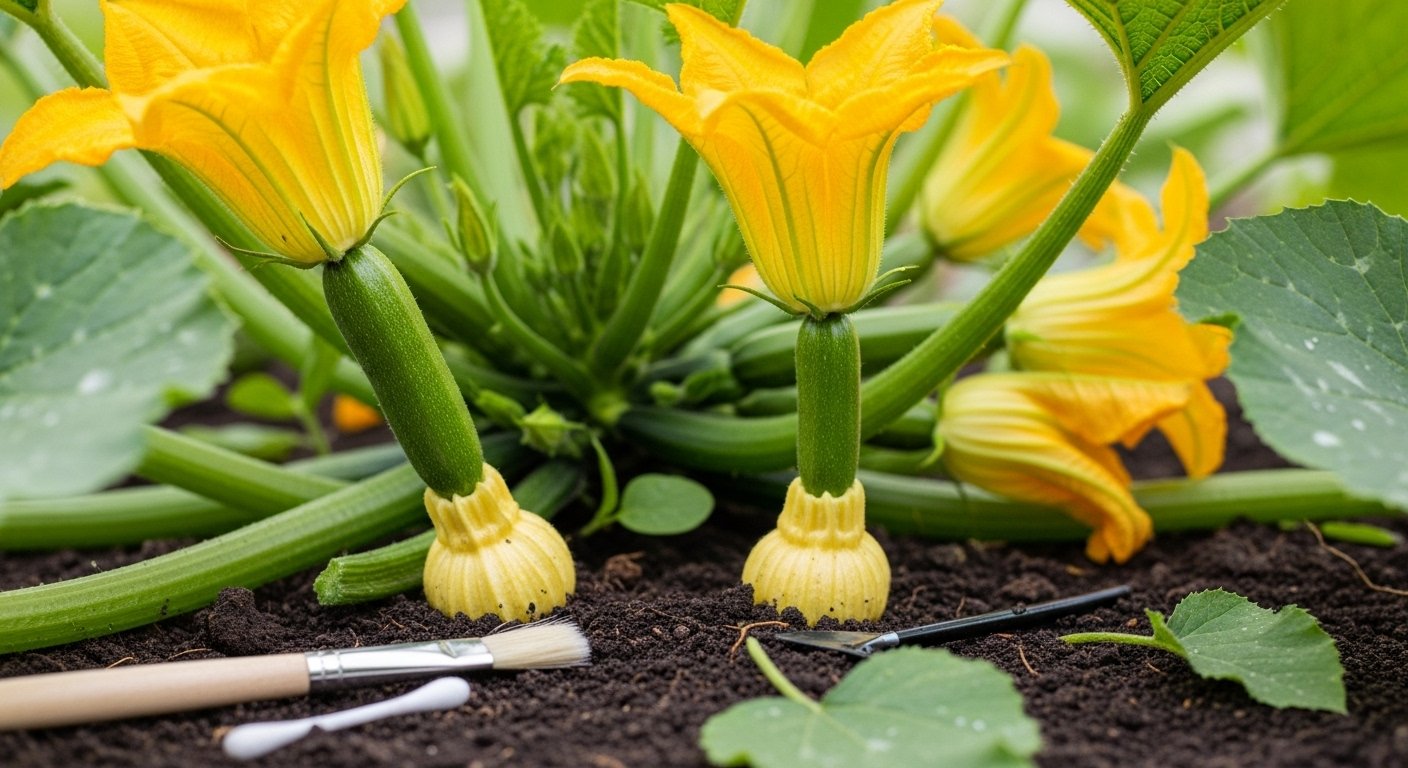
zucchini pollinators play a critical role in turning bright yellow blossoms into hearty summer harvests. However, many gardeners are surprised to find fewer zucchinis, oddly shaped fruits, or even zucchinis with shriveled ends rotting away. These are classic signs of poor pollination.
Natural pollinators—mainly bees—transfer pollen from male to female flowers, triggering fruit development. Yet, several common issues can disrupt this process: a limited bee population, rainy or windy weather that keeps bees away, or an imbalance in the timing of male and female blooms.
If you notice your zucchini plants produce lots of flowers but few healthy fruits, or you spot malformed zucchinis with soft, rotting ends, poor pollination is likely the cause. Luckily, hand pollinating zucchini is a simple, effective solution that can dramatically improve yields, especially in small plots or greenhouse environments where natural pollinators are scarce.
By transferring pollen using a soft brush or even a cotton swab from a male flower to a female one, you’re giving every blossom a fighting chance. It’s an easy and satisfying way to boost your summer crop and make sure limited pollinator activity doesn’t hold your zucchini harvest back.
Whether you’re growing on a balcony or in an urban garden, mastering the art of hand pollination can make all the difference in your quest for abundant, perfectly formed zucchinis.
Identifying Male and Female Zucchini Flowers
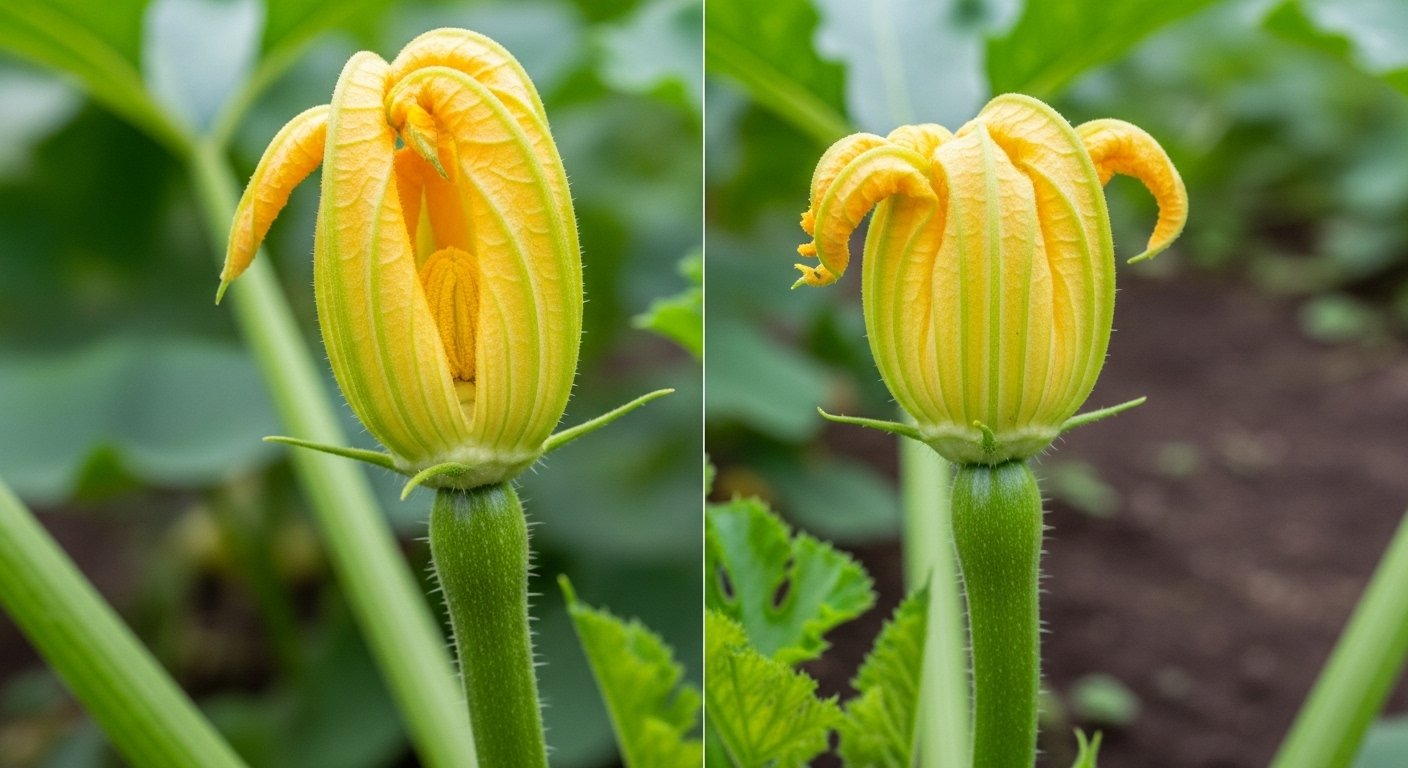
Spotting the difference between male and female zucchini flowers is easier than you might think once you know what to look for. Male flowers typically show up first. They grow on long, slender stems and feature a single, pollen-covered stamen in the center but lack any swelling behind the petals.
In contrast, female flowers grow on much shorter stems and have a miniature zucchini—the ovary—just behind the bloom, making them easy to spot if you crouch down and look closely. Female flowers also reveal a multi-lobed stigma in the center that’s ready to catch pollen.
Timing is important: male flowers open a few days to a week before female flowers, which allows pollinators to discover the plant before the female blooms need fertilizing. You need both types for successful zucchini harvests because male flowers provide pollen, while female flowers become the fruits once pollinated. Without males, females will simply wither, and without females, there’s nothing to pollinate.
To improve your chances of fruit set, avoid removing too many blooms for cooking, and consider hand-pollination using a small paintbrush to transfer pollen from male to female flowers, especially during periods of low bee activity.
By keeping an eye on these subtle but important differences, you’ll help ensure a bumper crop of zucchinis from your garden.
When and How to Hand Pollinate Zucchini
Hand pollinating zucchini can make a big difference in your yield, especially if bees and other pollinators are scarce in your garden. The best time to hand pollinate is early in the morning, when zucchini flowers naturally open wide and the pollen is freshest.
Look for flowers that are fully open and lively; male flowers are long and thin with just a stamen, while female flowers have a small, bulb-like zucchini at the base and a stigma inside.
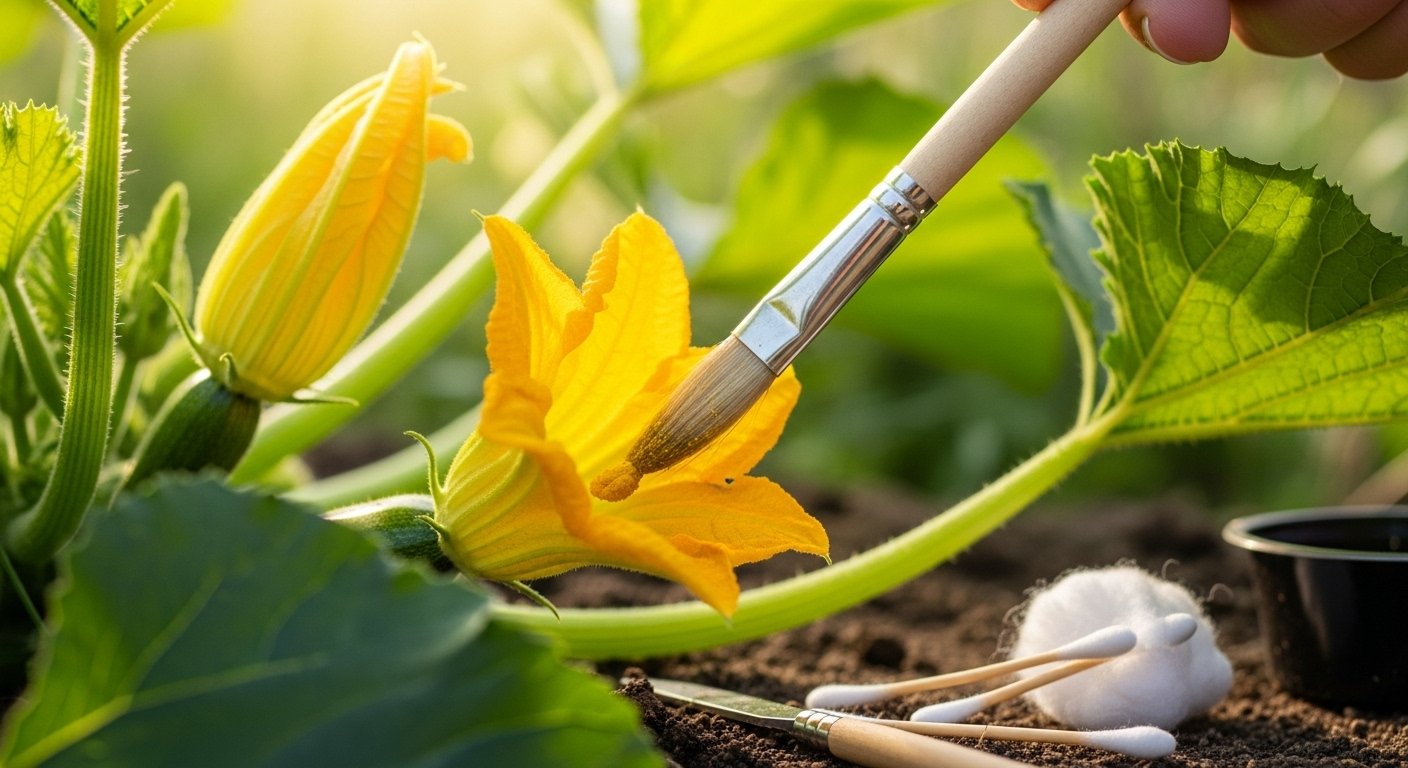
To hand pollinate, start by using a soft, dry paintbrush or cotton swab to gently collect the yellow pollen from the center of a male flower—just touch and swirl the tip around the stamen. Next, transfer the pollen by lightly brushing the stigma in the middle of a female flower.
If you don’t have a tool handy, you can pick a male flower, peel back the petals, and directly touch the stamen to the female stigma, making sure the pollen comes into contact with all the surfaces.
Always handle the flowers gently to avoid damaging the delicate stigma and pollen grains. For best results, repeat the process with a few different male flowers to maximize pollination success, ensuring each female flower receives plenty of pollen.
After pollination, you should see the tiny zucchini start to swell in a couple of days—a clear sign your efforts paid off! Hand pollinating just a few minutes each morning can turn your zucchini patch into an abundant harvest, even without steady bee activity.
Troubleshooting Common Hand Pollination Issues
Hand pollination can be a great way to boost fruit set in your garden, but it sometimes comes with challenges. One common problem is finding only male or female flowers on your squash plants. Early in the season, plants often produce a flush of male flowers before any females appear, so don’t worry—just keep checking daily, as females should follow within a week or two.
Conversely, if there are only females or a gap in flower production, make sure your plants are healthy by providing consistent water and balanced fertilizer. If you hand pollinate and still notice fruit dropping or failing to develop, the issue might be low pollen production. Try picking pollen from several fresh male flowers in the morning, when it’s most viable, and use a small brush or cotton swab for a thorough job.
Weather can also play a sneakier role; pollination is less successful when it’s too humid, rainy, or very hot. If possible, hand pollinate early in the morning before temperatures spike or conditions become too moist.
Pests like beetles or ants may eat flowers or interfere with the process, so check for damage and gently discourage critters with safe barriers or by removing them by hand.
Lastly, remember that squash species in the same family—like zucchinis, pumpkins, and some gourds—can cross-pollinate if grown nearby. If saving seeds or wanting true-to-type fruit next season, keep different varieties at least ½ mile apart, or cover and isolate blooms before hand pollination, then bag the flowers after pollination to keep them pure.
By troubleshooting these common issues and being vigilant, you’ll give your garden the best chance for a bountiful harvest.
Saving and Processing Zucchini Seeds
Collecting zucchini seeds from mature fruits is a rewarding way to preserve your favorite varieties, but it takes a little know-how to ensure success. First, after you’ve hand-pollinated your zucchini flowers, let the fruit mature fully on the vine—don’t pick them at the usual harvest size. Instead, wait until they grow large, the skin hardens, and the color deepens, usually well past the eating stage.
Once you harvest the mature zucchini, cut it open lengthwise and scoop out the seeds. For the best germination rates, separate the seeds from the pulp and place them in a small jar with enough water to cover. Let this mixture ferment at room temperature for 2-3 days, stirring daily; this step breaks down the slimy seed coating and prevents disease.
When you see a thin film on the surface and some seeds sinking to the bottom, rinse everything thoroughly in a fine-mesh strainer. Spread the clean seeds on a plate or paper towel in a single layer to dry somewhere airy and out of direct sunlight. Turn them over every day or two for about a week until they are completely dry.
Store the dried seeds in a labeled paper envelope or glass jar in a cool, dark place. With proper storage, seeds can stay viable for up to 5 years.
Remember, to keep your zucchini variety true to type, always grow only one variety at a time or space different types at least 500 feet apart. Zucchinis cross-pollinate readily—saving seeds without isolation can result in unpredictable fruits next season.
Best Practices for Storing and Labeling Seeds
Properly storing and labeling your seeds can make a big difference in how long they last and how successful your garden will be. To keep seeds viable for the next planting season, aim to store them in a cool, dry, and dark place—think a closet, basement, or even the back of your fridge.
Moisture and temperature swings can cause seeds to sprout or mold prematurely, so airtight containers like glass jars with tight lids, resealable plastic bags, or specialty seed envelopes are great choices. For extra protection, include a small packet of silica gel to absorb any lingering moisture.
Always label your seeds clearly with the variety name, harvest or purchase date, and any helpful notes, using waterproof markers or printed labels; this prevents confusion later, especially if you save multiple types of seeds each season.
For an extra layer of organization, consider using a spreadsheet or a seed storage notebook to keep track of your inventory and germination rates.
If you’re planning to store seeds long-term, resources like seed vaults or online guides from local agricultural extensions can offer extra tips to ensure your collection stays healthy for years.
Companion Planting Tips to Support Pollination
To boost pollination and overall health in your zucchini patch, try companion planting with flowers and herbs that attract bees, butterflies, and other helpful insects. Planting nasturtiums, marigolds, borage, and calendula around your zucchini can lure in pollinators while naturally repelling some garden pests.
Herbs like basil, oregano, and dill are also excellent choices since they not only draw pollinators but can subtly enhance the taste of nearby vegetables.
Avoid placing zucchini close to crops like pumpkins, cucumbers, or melons. These plants are closely related and can compete for pollinators, leading to lower yields for all. Additionally, keep zucchini away from potatoes, which may harbor pests like squash bugs.
When laying out your garden, consider planting in small clusters rather than long rows so pollinators can visit flowers more efficiently. Staggering your pollinator-attracting plants among your zucchini ensures insects don’t have to travel far, increasing the chances of successful pollination.
If possible, include a water feature or a shallow dish with pebbles to give pollinators a safe place to drink, making your garden an even more attractive spot for them to return again and again.