Introduction
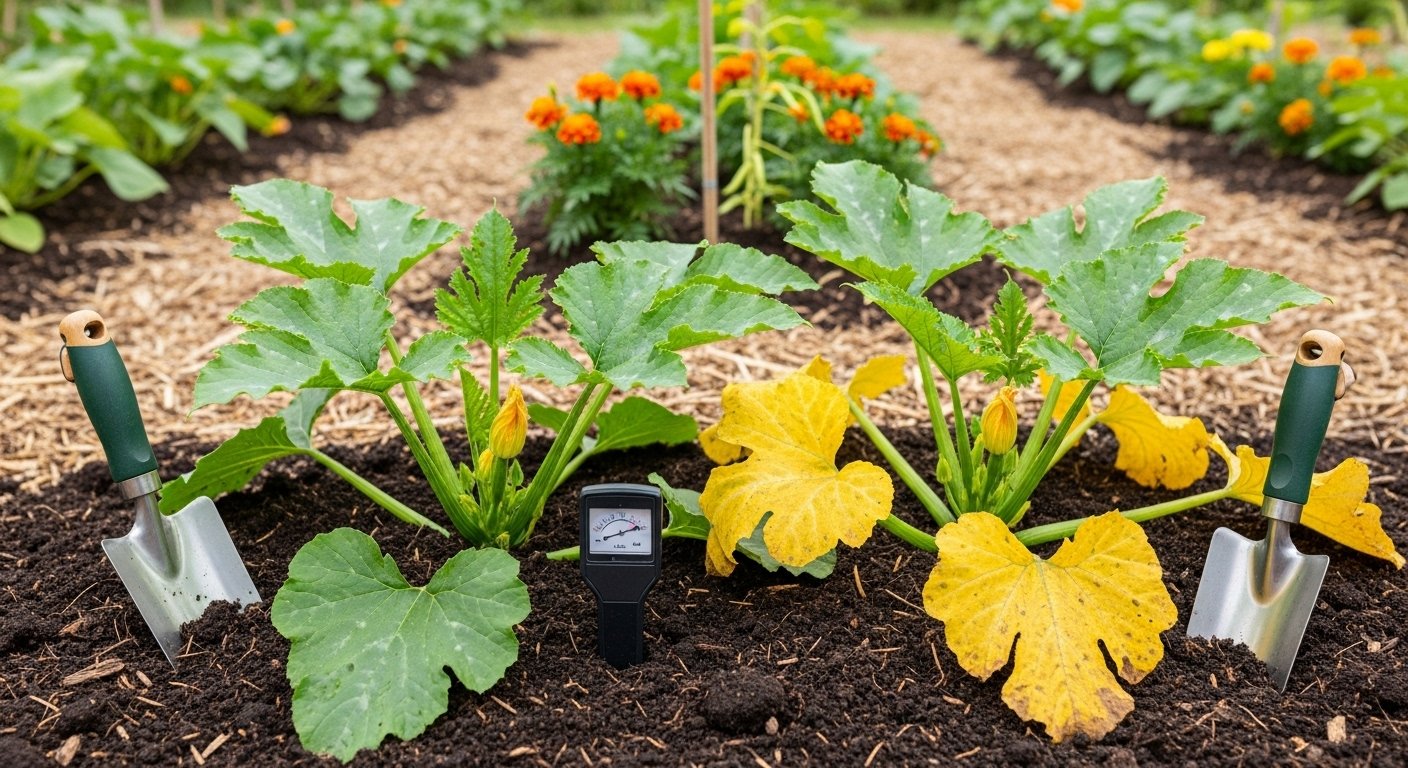
Yellow zucchini leaves are a common frustration for home gardeners who love growing this prolific crop. Zucchini is a favorite in vegetable patches everywhere because it’s easy to grow, produces bountiful harvests, and can be used in everything from stir-fries to breads. But when those lush, green leaves start turning yellow, even experienced gardeners can feel worried. Will the plant bounce back, or is the zucchini harvest at risk?
Yellowing leaves don’t just affect how your garden looks—they can signal nutrient deficiencies, watering problems, pest troubles, or diseases. The good news is that most issues have practical solutions once you know what to look for.
In this article, we’ll dig into the most common causes behind yellow zucchini leaves, show you how to diagnose each problem, and offer straightforward treatment options that actually work. We’ll also share tips for keeping your plants healthy and green throughout the growing season.
Whether you’re dealing with a small container zucchini or a sprawling backyard crop, learning how to spot, fix, and prevent yellowing leaves can mean the difference between a disappointing harvest and a summer full of zucchini.
Main Causes of Yellow Zucchini Leaves
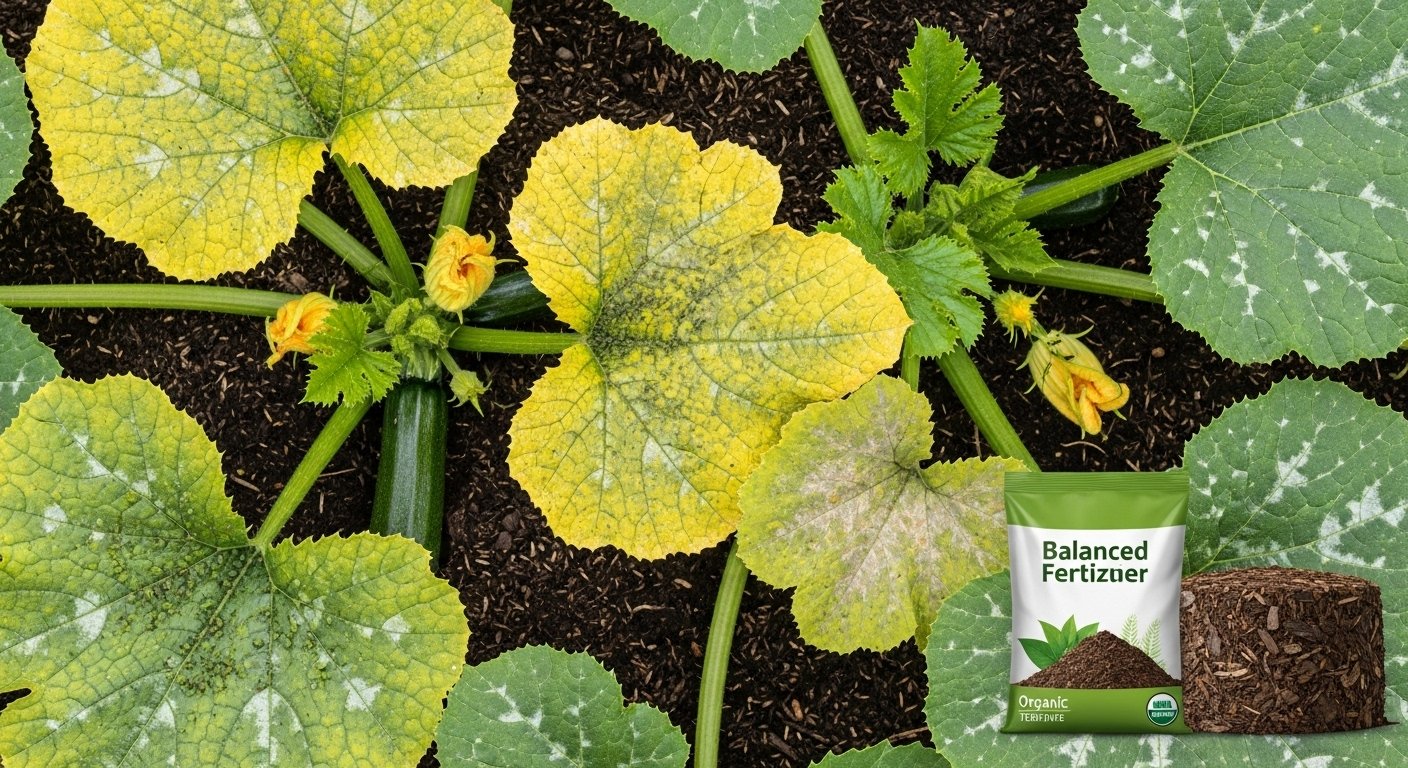
Yellow zucchini leaves can leave gardeners scratching their heads, but the causes are often straightforward once you know what to look for. One common culprit is improper watering—too much water can suffocate roots, causing yellowing from root rot, while too little water stresses the plant and leads to dry, pale leaves. A quick soil check with your finger or a moisture meter can help you gauge if watering is the issue.
Nutrient deficiencies, especially in nitrogen and iron, are frequent offenders too: if new leaves yellow first, suspect iron; if older leaves are paling, it’s often a nitrogen problem. Regular feeding with a balanced vegetable fertilizer or an organic option like compost can keep plants healthy.
Don’t overlook pests like aphids and spider mites, which can cluster underneath leaves, sucking out plant sap and leaving yellow speckles or mottling. Diseases such as cucumber mosaic virus or powdery mildew also cause discoloration—keep an eye out for additional symptoms such as misshapen leaves or powdery white patches.
Environmental stress plays a big role, too; zucchini planted in poor soil, exposed to rapid temperature swings, or subjected to inconsistent watering are much more likely to show yellow leaves. Sometimes, several of these factors are at play at once, making it harder to pinpoint one cause.
A holistic approach—inspecting plants regularly, using good-quality soil, maintaining even moisture, and checking for pests—can help you tackle yellowing before it gets out of hand and restore your zucchini plants to health.
Diagnosing the Yellowing: How to Spot the Problem
When you notice your plant’s leaves turning yellow, a close inspection can reveal a lot about the cause. Start by observing the yellowing pattern—if the yellow is uniform across the entire leaf, it often points to nutrient deficiencies or overwatering, whereas yellowing only along veins or in patches may hint at specific soil or root problems.
Hold leaves up to good light and check for spots, which could mean a fungal disease or insect damage. Take a moment to gently flip leaves over and inspect the undersides and stems for pests like aphids, spider mites, or fine webs—these critters sometimes hide out of immediate sight.
It’s equally important to examine the root of the issue: if you spot mushy stems or a rotten smell from the soil, that could mean overwatering or poor drainage, while crisp, brittle leaves combined with yellowing usually signals underwatering. Disease often shows itself as rapid yellowing with irregular brown or black spots, sometimes paired with a fuzzy or slimy texture.
One effective habit is keeping a gardening journal or diagnostic checklist—note changes like watering frequency, fertilizer use, new pests, or even recent weather swings. This habit not only helps you identify patterns and possible triggers but also serves as a handy reference if you need advice from a local nursery or gardening forum.
By staying observant and organized, you’ll become more confident in diagnosing and addressing yellowing leaves before the problem gets out of hand.
Effective Treatments for Yellow Zucchini Leaves
When you notice your yellow zucchini leaves starting to lose their lush green color, it’s often a sign that your plants need a little extra care.
First, check your watering habits—zucchini prefers consistent moisture, but soggy roots can lead to yellowing. Water deeply once the top inch of soil feels dry, and avoid splashing leaves to prevent fungal spread.
Improving drainage is just as important; if water pools around your plants, consider raising your garden bed, loosening the soil, or mixing in sand or organic matter like compost to help excess moisture escape.
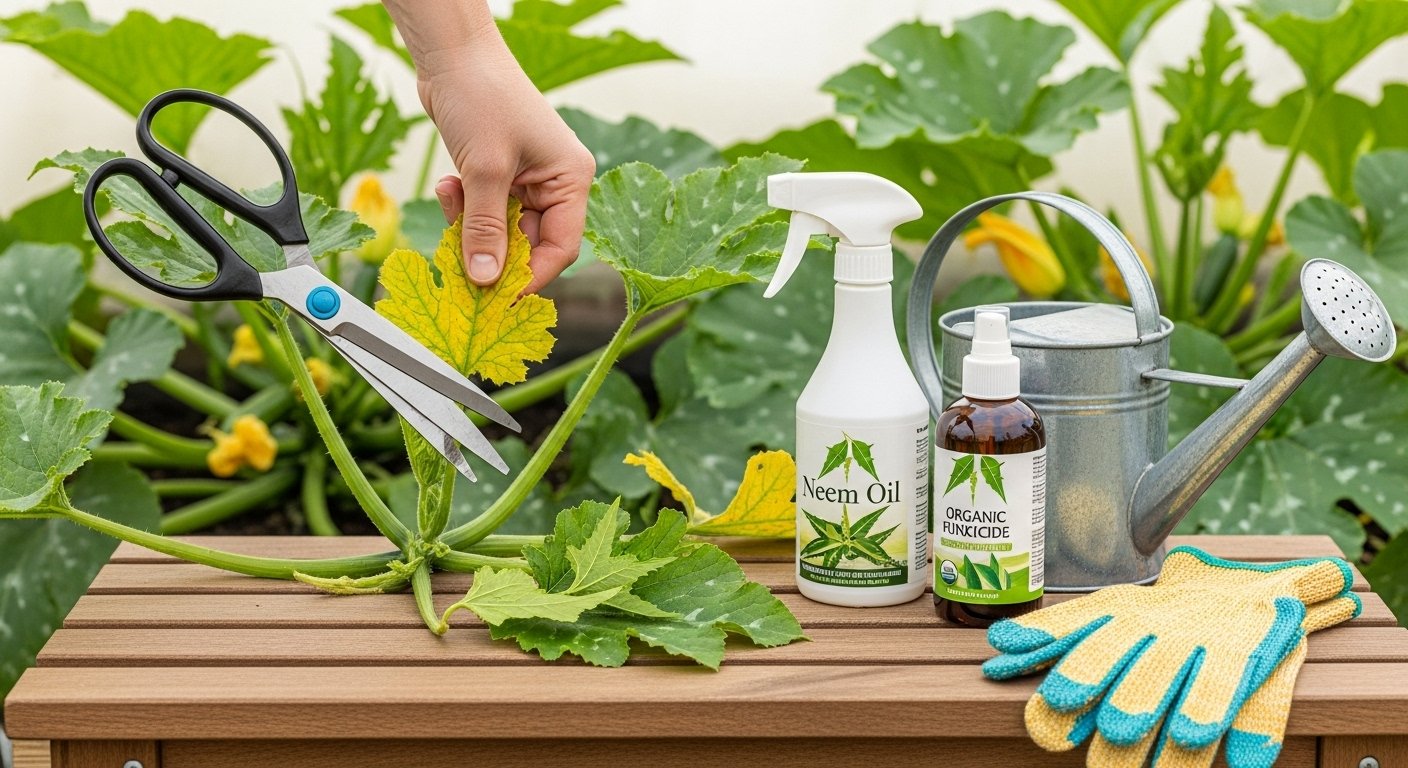
Next, check for pests like aphids or squash bugs hiding under leaves. Try organic controls such as neem oil, insecticidal soap, or even introducing ladybugs that naturally eat harmful insects.
For fungal diseases like powdery mildew, opt for organic fungicides containing potassium bicarbonate or copper, applying only to affected leaves.
Boost soil health, as nutrient deficiencies can be a root cause—topdress with homemade compost or a balanced fertilizer (like a 10-10-10 NPK mix) to provide essential nutrients. Be sure to follow package instructions for fertilizers to avoid overfeeding.
If any leaves are more than half yellow and limp or covered with spots, it’s wise to trim them off with clean, sharp scissors to prevent the problem from spreading—just cut at the base and dispose of infected material away from your compost pile.
By combining these steps, you can help your zucchini bounce back, producing healthier, greener growth for the rest of the season.
Prevention: Keeping Your Zucchini Plants Healthy
Keeping your zucchini plants healthy starts with consistent, deep watering—aim for about one inch per week, and try to water at the base of the plant to reduce leaf diseases. Mulching around your zucchini with organic materials like straw or shredded leaves helps lock in soil moisture, keeps roots cool, and suppresses weeds, making maintenance easier.
Feed your plants with a balanced fertilizer every few weeks during the growing season; something like a 10-10-10 or a compost tea works well to support robust fruiting. It’s smart to rotate where you plant zucchini each year, especially if you’ve dealt with pests or diseases before—this disrupts the life cycles of common culprits like squash vine borers and powdery mildew.
Choosing disease-resistant varieties like ‘Dunja’ or ‘Sungreen’ gives you a head start on healthy growth. Finally, keep an eye out for the first signs of trouble: check under leaves at least twice a week for pests like squash bugs or aphids, and remove affected foliage promptly.
Early action is often the difference between a bumper crop and disappointment, so being proactive really pays off with zucchinis.
The Role of Companion Planting in Zucchini Health
Companion planting is a time-tested gardening technique where different plants are grown together to help each other thrive. For zucchinis, the right companions can boost growth, deter pests, and even improve flavor.
Planting nasturtiums and marigolds around your zucchini acts as a natural bug repellent—nasturtiums attract aphids away from young zucchini leaves, while marigolds emit a scent that drives away nematodes and beetles. Beans are also a smart choice: they fix nitrogen in the soil, giving zucchinis valuable nutrients to grow stronger and more productive. If you’re working with limited space, tuck bush beans nearby and let their benefits extend to your zucchini beds.
However, not every neighbor is a good fit—avoid planting zucchinis close to potatoes, as they compete for nutrients and can encourage blight. Similarly, keep zucchinis away from pumpkins and other squash, since their growth habits can crowd each other and make it tougher to spot pests in dense foliage.
By choosing the right plant partners, you’ll create a healthier, more resilient zucchini patch—without relying on harsh chemicals or complicated maintenance routines.
When to Seek Help: Serious or Persistent Problems
Not all garden problems can be fixed with DIY solutions, so it’s important to know when to seek professional help. Watch out for warning signs like sudden wilting, yellowing that spreads quickly, or black spots on leaves and stems—these often signal severe disease or a major pest infestation.
If you notice plants declining rapidly overnight, or if treatments like pruning or fungicide haven’t made a difference, it’s time to connect with local extension services or a certified gardening expert. These professionals can help diagnose the problem accurately, suggest targeted treatments, and sometimes even visit your garden for a closer look.
Acting quickly is key—serious issues can spread fast, threatening not just one plant but your entire garden. Don’t wait until the damage is widespread; early intervention usually means easier solutions and healthier plants in the long run.
If you aren’t sure who to call, search for your area’s Cooperative Extension office or a reputable nursery. They often offer free advice or low-cost diagnostic services, helping you protect your garden before minor issues become costly disasters.
Conclusion
Early detection of issues and understanding the variety of factors that can affect your zucchini plants are key to achieving a healthy, bountiful harvest. Whether it’s combating pests, improving soil quality, or adjusting your watering habits, taking proactive steps makes all the difference.
Follow the recommended strategies outlined here—like regular plant inspections, providing enough space for air circulation, and rotating crops each season—to help your zucchini thrive. Don’t forget, every garden is unique, and sometimes troubleshooting takes a little trial and error.
If you have questions or want to share your own tips and experiences, leave a comment below. Engaging with fellow gardeners can provide valuable insights and help create a supportive community for everyone passionate about growing their own zucchini.