“`html
Introduction to Growing Zucchini
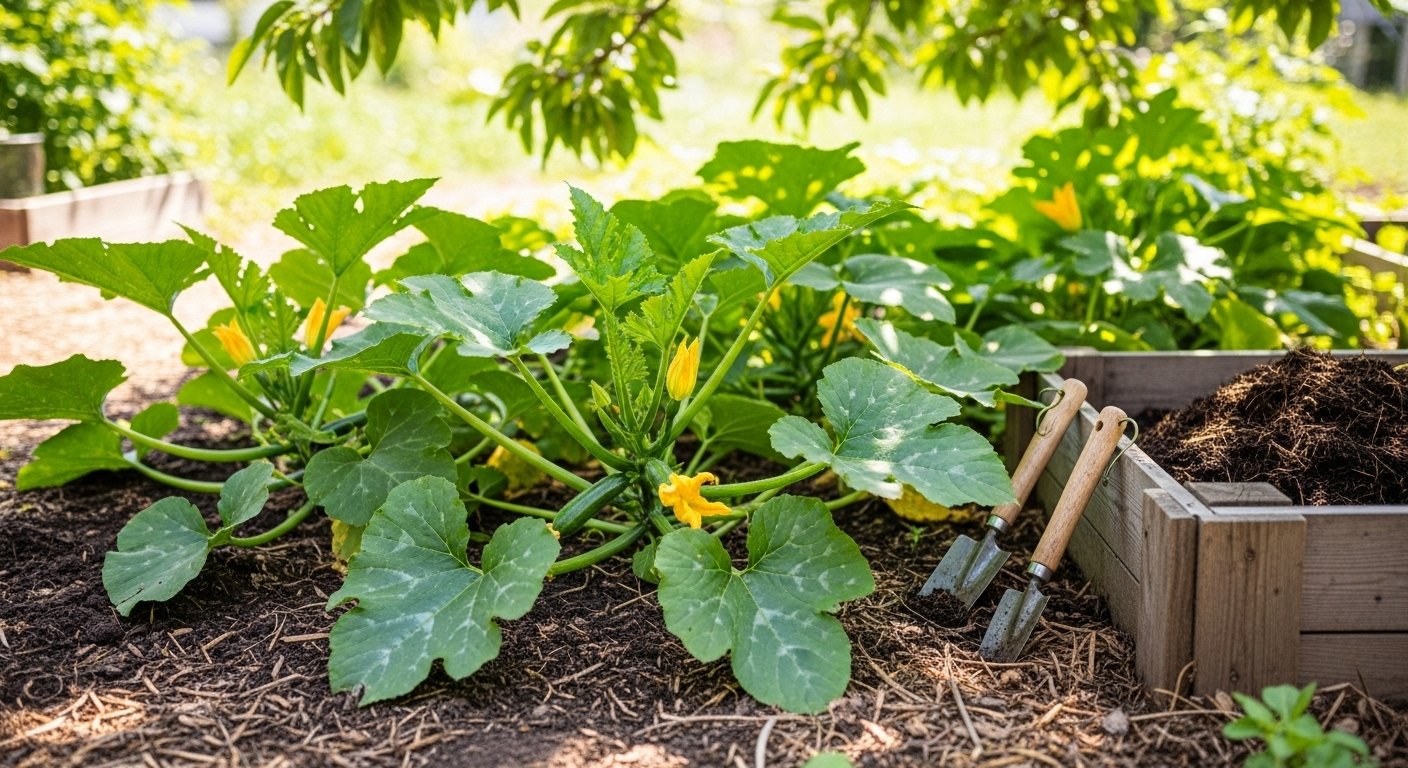
If you’ve ever wondered whether you can grow zucchini from store-bought zucchini, you’re in good company. Zucchini is one of the easiest and most rewarding vegetables for home gardeners, whether you’re working with a few pots on your balcony or a full backyard plot. Not only does zucchini grow quickly, but a single plant can yield a surprising bounty all season long, making it a favorite for both new and experienced gardeners alike.
Why should you grow zucchini? The reasons are plenty. Zucchini is incredibly versatile in the kitchen—perfect for grilling, sautéing, baking, or even enjoying raw in salads. Its vigorous growth means you won’t wait long to see results—these plants can go from seed to harvest in as little as two months. Plus, their generous productivity ensures you’ll have enough to share with friends and neighbors or to try new recipes you’ve always wanted.
In this article, you’ll learn step-by-step how to grow zucchini from store-bought zucchini, including how to save seeds, prepare soil, plant, and care for your seedlings. We’ll cover tips to overcome common challenges like pests and powdery mildew, and share pointers to maximize your harvest. Whether your goal is a few fresh zucchinis for summer grilling or an abundance to preserve, you’ll find practical advice for every stage. Let’s unlock the secrets to turning a humble store-bought zucchini into a lush, fruitful garden crop!
“`
Choosing Zucchini Varieties & Seeds
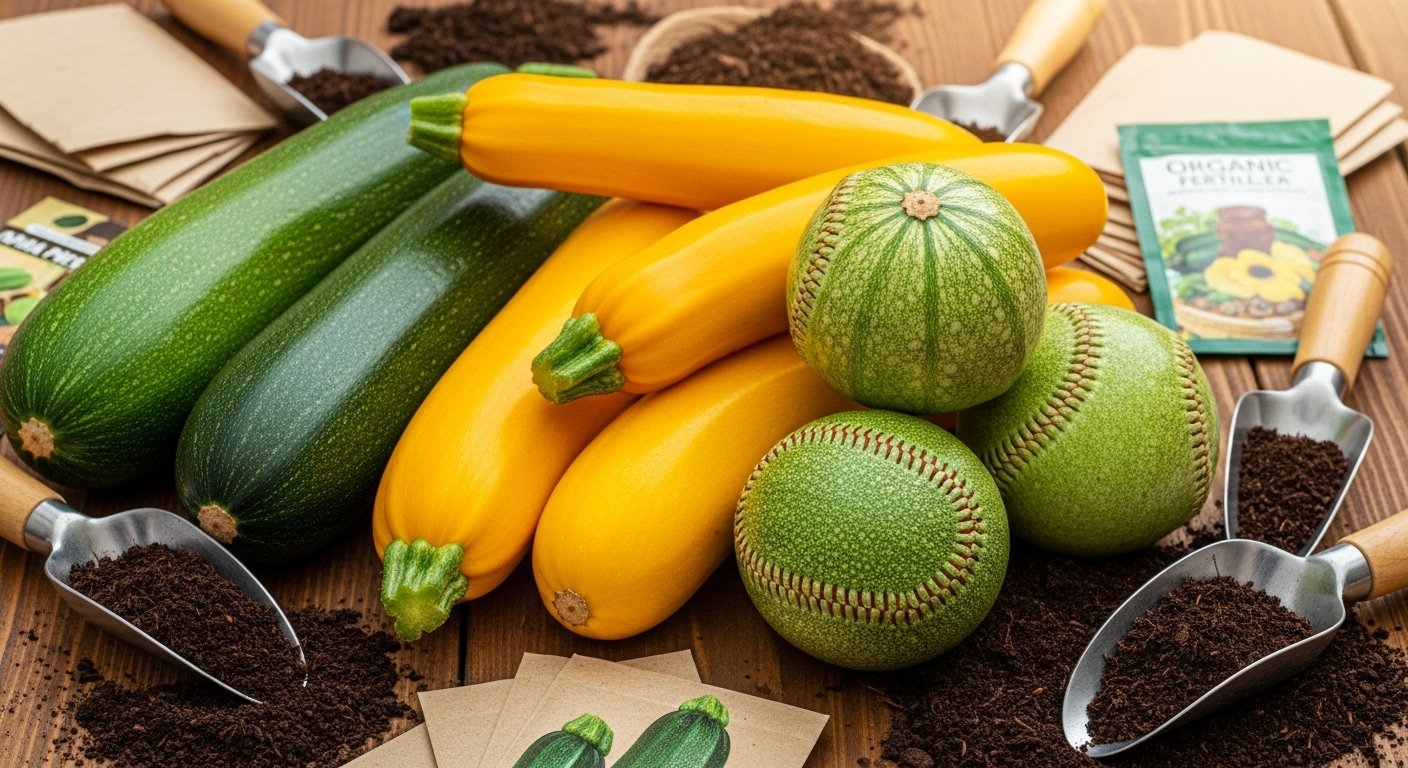
When it comes to growing zucchini, selecting the right variety and seeds can make a big difference in both your garden’s success and the flavors on your plate. Green zucchini, like the classic ‘Black Beauty,’ is beloved for its smooth skin, tender texture, and reliability in most gardens—perfect if you’re looking for a steady, generous producer.
Yellow zucchini, sometimes called golden zucchini, tends to be a bit sweeter and milder in flavor, with a striking color that brightens up salads and stir-fries. For something different, try a round variety such as ‘Eight Ball’; these plump, baseball-sized zucchinis are ideal for stuffing and make for a fun presentation.
When choosing seeds, consider your climate and space—some varieties, like ‘Raven,’ perform well in cool, short seasons, while bush types such as ‘Patio Star’ are great for containers or small spaces. If you have hot, humid summers, look for seeds labeled as disease-resistant, as zucchini can be prone to powdery mildew and other issues.
For flavor and tradition, heirloom seeds are a good bet; they often offer unique tastes and colors, though they may lack some disease resistance found in hybrids, which are bred to produce reliably and resist common ailments. Always source your seeds from reputable nurseries or seed companies to ensure quality and purity; this helps avoid disappointment with low germination or mixed results.
As for using seeds from store-bought squash, it’s usually not recommended—zucchini sold in stores is often harvested before seeds mature, and even if they do sprout, you can’t be sure what variety will grow, especially if the original plant was a hybrid. For best results, stick with packets from trusted sources, matching your choice to your preferred flavor, look, and the conditions in your garden.
Preparing the Soil & Planting Location
Getting the soil and spot right sets your zucchini up for success. Zucchini thrives in loose, well-drained soil that’s rich in organic matter, so start by working lots of compost or aged manure into your garden beds. Aim for a soil pH between 6.0 and 7.5; most garden centers offer simple soil test kits if you’re unsure about your levels.
Fertility is key—zucchini are heavy feeders—so healthy, nutrient-rich soil will produce bigger, tastier harvests. If your garden has dense clay or poor drainage, try planting in raised beds; fill these with a mix of garden soil, compost, and perlite to improve aeration and drainage.
For container growing, choose a pot at least 18 inches wide and deep, and always use high-quality, well-draining potting mix. Zucchini plants demand full sun—at least 6 to 8 hours daily—so pick a location that’s bright and warm throughout the day.
They also sprawl, needing at least 3 feet between plants, or you can encourage them to grow up a trellis if space is tight. Consider your microclimate: avoid low-lying spots where cold air collects, since zucchini prefer warm soil and are sensitive to frost.
Shield plants from strong winds by planting near a fence or using a windbreak if necessary, but don’t restrict air circulation, as crowded, damp conditions invite disease. By giving careful thought to your soil and site, you’ll build the foundation for a healthy, productive zucchini crop.
When and How to Plant Zucchini
Planting zucchini at the right time sets the stage for a successful harvest. In most climates, sow zucchini seeds outdoors after the last frost date, when soil temperatures consistently reach 60°F (16°C) or warmer—usually late spring in cooler areas and as early as mid-spring in mild or warm regions.
For gardeners in short-summer zones, starting seeds indoors about 2-4 weeks before your last expected frost gives plants a head start; just be sure to transplant them after all danger of frost has passed.
When sowing directly outdoors, plant seeds 1 inch deep and space them 2-3 feet apart in rows or hills, as zucchini plants need room to sprawl. If starting indoors, plant seeds in biodegradable pots to avoid root disturbance during transplanting. Water consistently and keep the soil moist but not soggy.
Zucchini rarely require staking or pruning, but in tight gardens, a small cage or stake can help keep the large leaves off the ground and improve airflow. Direct sowing is easy and produces robust plants, while transplanting allows for earlier yields, especially in cooler spring regions.
To enjoy a steady zucchini harvest all summer, try succession planting: seed small batches every 2-3 weeks through early summer. This staggered approach means you’ll have fresh squash on hand long after the first fruits appear, eliminating late-season overwhelm and reducing the risk of missing a perfect picking window.
Caring for Zucchini Plants
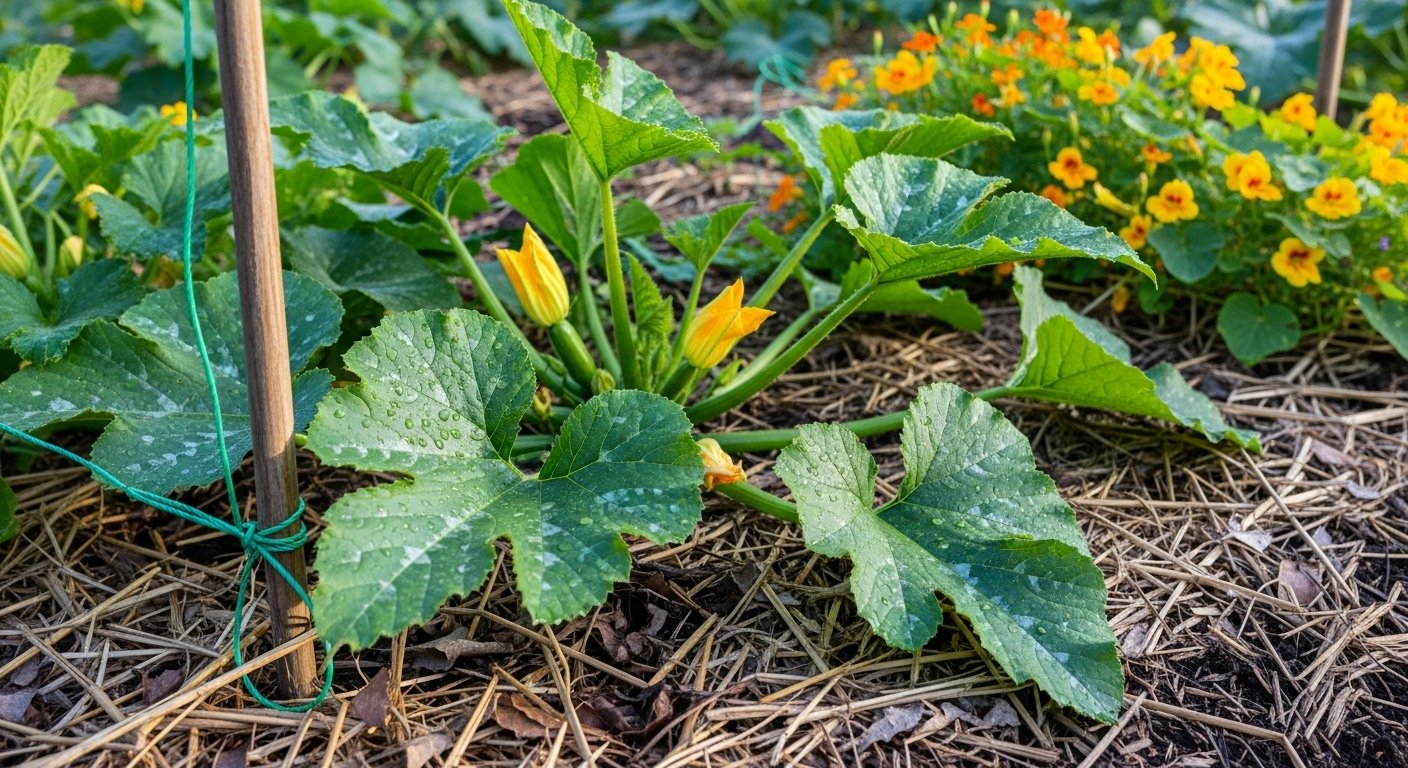
Keeping your zucchini plants happy starts with a smart watering routine—aim to water deeply about once a week, allowing the top inch of soil to dry out between sessions, especially in hot weather. Early morning is best, so foliage dries quickly and stays less susceptible to disease.
Mulching with straw or shredded leaves helps retain moisture, suppresses weeds, and keeps soil temperatures even, making zucchini roots much happier.
For fertilization, mix compost into the soil at planting time and side-dress with a balanced fertilizer (such as 10-10-10) every three to four weeks as the plants grow.
Pruning off the oldest, lower leaves not only redirects energy into fruit production but also improves airflow, reducing the risk of powdery mildew—just use clean pruners and cut close to the stem.
Training sprawling vines by gently guiding them along trellises or keeping the main stems tidy can further boost airflow and make harvesting easier.
Companion Planting
Companion planting works wonders; growing zucchini near nasturtiums, calendula, or marigolds helps repel squash bugs and beetles, while planting with beans and peas gives a nitrogen boost for lusher growth.
Dealing with Common Issues
- Blossom End Rot: Ensure your soil drains well, keep watering consistent, and add crushed eggshells or garden lime if a calcium boost is needed.
- Powdery Mildew: Space your plants adequately and avoid wetting the leaves. If you spot a white, powdery coating, try removing affected leaves, improving air circulation, and spraying a homemade solution of baking soda and water.
- Pests: Regularly check for pests, handpick invaders like squash vine borers, and rotate your planting beds each year to curb disease buildup.
By following these practical steps, your zucchini patch will reward you with healthy, robust plants that produce all season long.
Managing Pests & Diseases
Zucchini plants attract a few persistent pests and diseases, but with a little vigilance, you can keep your harvest healthy and abundant. Common troublemakers include squash bugs, which hide under leaves and suck the sap, causing wilting and yellowing; vine borers, whose larvae tunnel inside stems and cause sudden collapse; and tiny aphids that cluster on new growth and spread plant viruses.
Regularly inspect the undersides of leaves for egg clusters or insects, and deal with them by hand-squishing, spraying with a strong jet of water, or using insecticidal soap for aphids. For vine borers, wrap the base of stems in aluminum foil or garden fabric early in the season to prevent adults from laying eggs, and bury part of the vine in soil so it can root and survive if attacked.
Diseases like powdery mildew, which shows up as white, powdery spots on leaves, and bacterial wilt, which causes wilting and plant death, are also common. To prevent these, space plants to improve air flow, water at the base to keep foliage dry, and rotate crops each year to reduce pathogen buildup. Choose disease-resistant zucchini varieties when possible and promptly remove plant debris at season’s end.
Organic options such as neem oil, horticultural oils, and beneficial insects like ladybugs and parasitic wasps help control pests without harming pollinators or the environment. Practice integrated pest management by combining regular monitoring, encouraging natural predators (like birds and ladybugs), and using organic sprays only when necessary.
If your zucchini plants look yellow or stunted, check the soil: overly wet conditions can cause root rot, while poor pollination leads to misshapen fruit. Hand-pollinate flowers with a small paintbrush and avoid letting water pool around roots. Finally, keep the garden clean and remove any affected leaves to prevent disease spread.
With these approaches, you’re set to troubleshoot most zucchini woes and keep pests and diseases firmly in check.
Harvesting and Using Zucchini
Zucchini is at its best for harvesting when it reaches about 6 to 8 inches long—smaller fruits are more tender and flavorful, while oversized ones can become seedy and tough. To check if it’s ready, look for glossy, firm skin and avoid letting plants hide under leaves where they can grow enormous in just a couple of days.
Use a sharp knife or garden shears to snip the stem about an inch above the squash to avoid damaging the plant, and pick zucchini every day or two during peak season for continuous production. Frequent picking encourages plants to keep producing and helps prevent oversized fruit, which can be a magnet for pests and disease.
When you have more zucchini than you can eat, store unwashed fruits in a plastic bag in the refrigerator’s crisper drawer for up to a week—they lose moisture quickly, so keeping them dry but cool is key.
Creative Ways to Use Extra Zucchini
- Slice it into salads
- Grate it into muffins or pancakes
- Spiralize into noodles
- Grill thick slices as a side dish
Preservation Tips for Surplus Zucchini
If you find yourself overrun with zucchini, freezing is simple:
- Blanch sliced rounds for a couple of minutes
- Cool them in ice water
- Pat dry
- Store in freezer bags for use in soups, stews, or baking later
Pickling is another fun way to preserve the summer abundance—try making zucchini chips or refrigerator pickles to add some tangy crunch to winter meals.
By checking your plants often, harvesting regularly, and finding creative uses and preservation techniques, you can enjoy every bit of your zucchini harvest and cut down on garden waste.
Frequently Asked Questions & Final Tips
Many beginners wonder if zucchini can really thrive indoors—good news: with enough light, consistent watering, and a container that’s at least 12 inches deep, even a sunny windowsill or grow light can yield a healthy crop.
When picking a container, look for drainage holes to avoid soggy roots, and consider self-watering planters for extra ease.
Another common question is whether supermarket zucchini seeds will work. While they might sprout, for best and most reliable results, use seeds from a reputable gardening supplier.
If you want to save seeds for next season, let a few zucchinis fully mature and dry on the vine; scoop, rinse, and thoroughly dry the seeds before storing them in a cool, dry place.
Don’t forget the basics:
- Use quality potting mix.
- Feed your plants every few weeks with a balanced fertilizer.
- Hand-pollinate flowers indoors with a soft brush if fruits don’t seem to set.
Remember, learning what works for your home takes a bit of experimentation—don’t be afraid to try different spots for light, adjust your watering schedule if leaves look droopy, or test out companion planting even in pots.
Most of all, have fun and enjoy the satisfaction of harvesting fresh zucchini right from your own home. Every gardener’s journey is unique, so embrace each success and lesson along the way.