Introduction
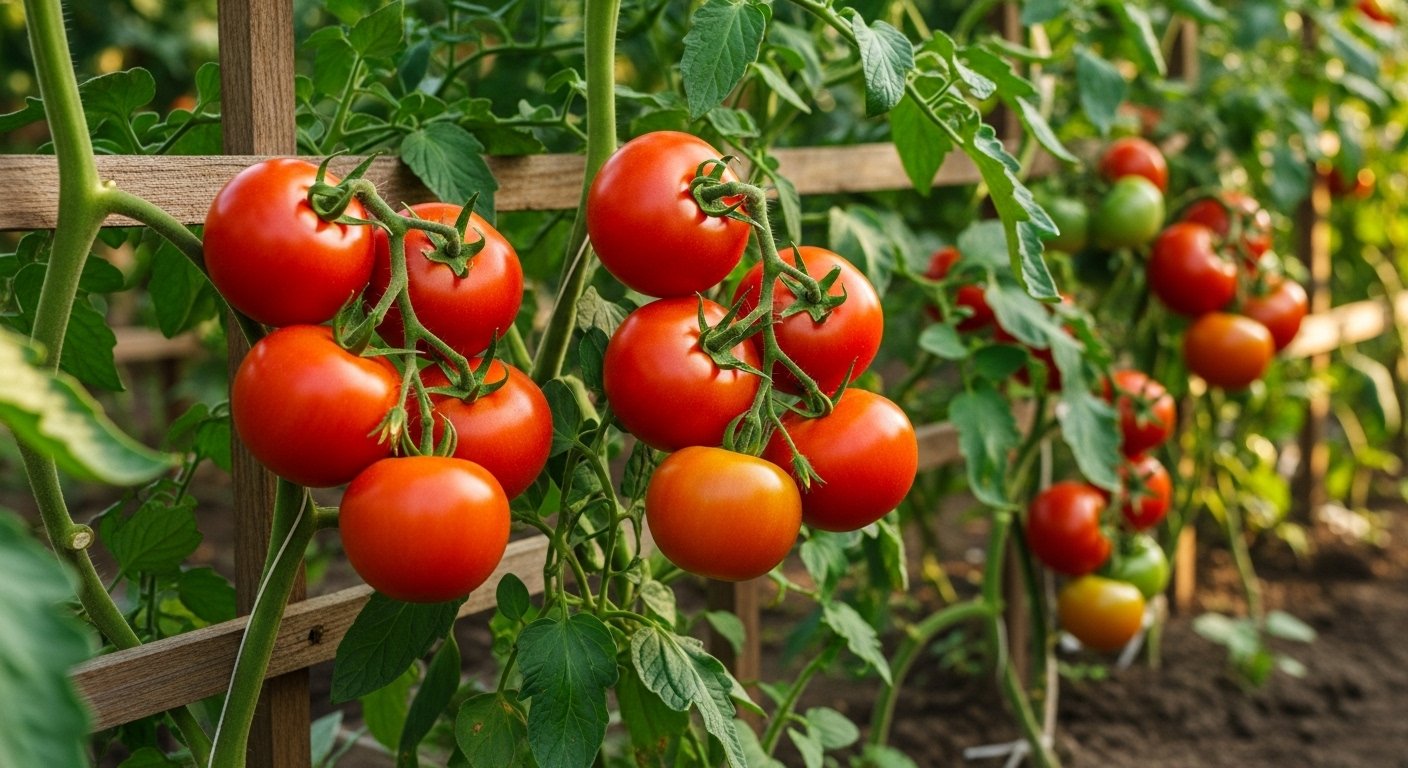
Tomatoes are a favorite among home gardeners and professional chefs alike, prized for their juicy flavor and versatility in everything from summer salads to classic pasta sauces. Yet, despite their popularity, these vibrant red fruits are surprisingly sensitive while growing—especially when it comes to tomato watering problems.
Whether you are a beginner planting your first tomato patch or a seasoned gardener chasing the perfect harvest, you’ve likely faced the challenge of figuring out exactly how much water your tomatoes need. Overwatering can cause roots to rot and leaves to wilt, while underwatering leads to stunted plants and mealy fruit. Even a few days of inconsistent watering can invite issues like blossom end rot, cracking, or yellowing foliage.
In this article, we’ll dive into the most common tomato watering problems, how to spot the telltale signs of overwatering versus underwatering, and simple steps you can take to keep your plants thriving. Along the way, you’ll discover practical tips—like checking soil moisture by touch or adjusting your watering schedule based on the weather—that can help prevent these headaches before they start.
Get ready to give your tomatoes the right care, right when they need it.
Recognizing Tomato Leaf Problems
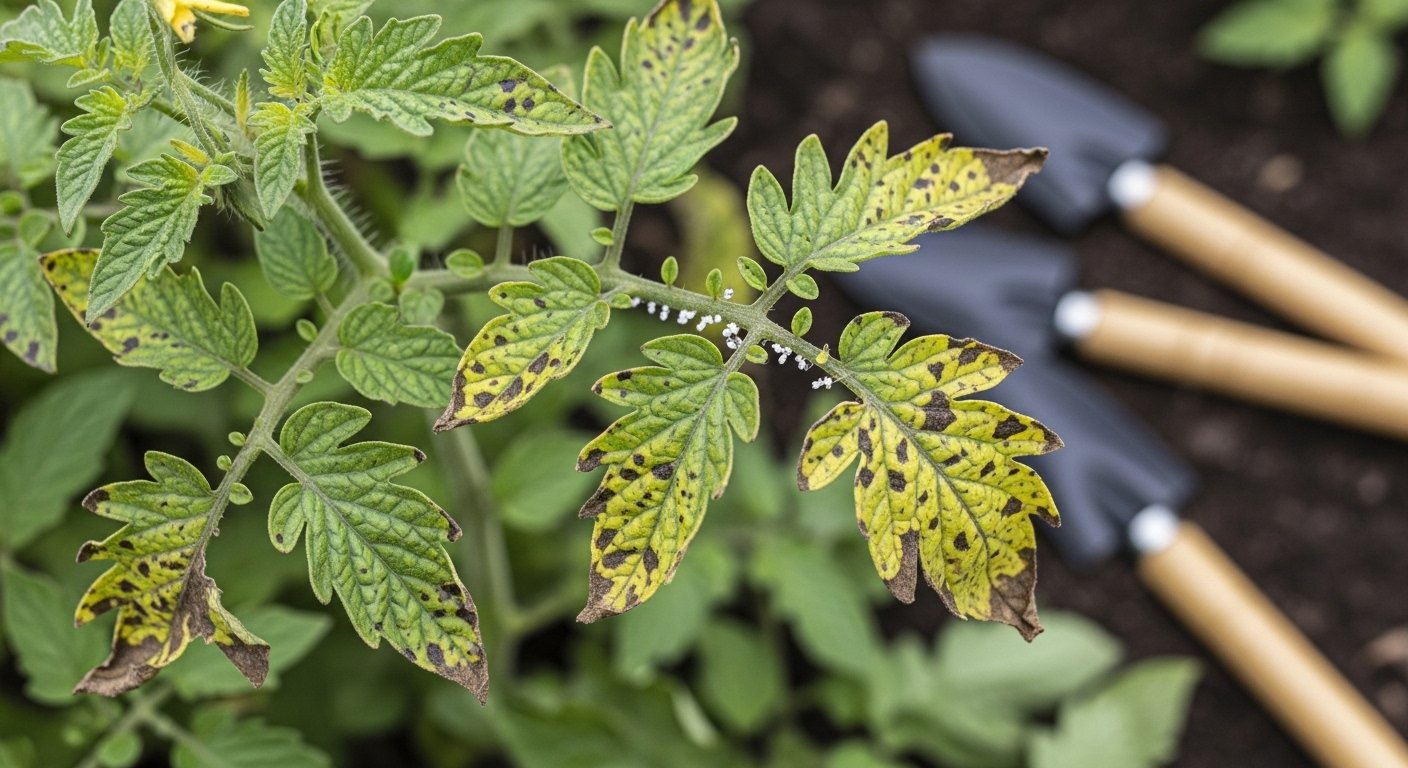
Tomato plants often give you clues through their leaves that something’s wrong, so watch closely for common symptoms like spots, blotches, yellowing, purple hues, curling, distortion, or holes.
Small brown or black spots can signal early blight or fungal infections, while pale yellowing might indicate a lack of nutrients such as nitrogen or magnesium. Purple leaves, especially on younger plants, sometimes point to a phosphorus deficiency. Curling and twisting can show up when temperatures swing or if the plant is struggling with water—either too much or too little. Distorted leaves are a red flag for insect activity like aphids or whiteflies, as are holes chewed by caterpillars or beetles.
To tell if a problem is minor or serious, look for patterns: a few leaves with holes or spots usually aren’t alarming, but rapid spread, wilting, or stunted growth hint at a bigger issue like disease or pest infestation that needs quick action.
For a quick check, gently turn leaves over—if you spot clusters of tiny bugs or eggs, you’re likely dealing with pests. If symptoms appear suddenly after a cold snap, harsh sun, or overwatering, environmental stress is probably the cause and will often resolve with improved care.
Frequent monitoring helps catch issues early so you can nip them in the bud and keep your tomatoes thriving.
Tomato Stem & Fruit Disorders
Tomato plants are prone to a variety of stem disorders that can impact both their health and productivity. Cracking along the stem often indicates rapid growth after heavy rainfall or overwatering following a dry spell, causing the tissues to split under pressure. To prevent this, try to keep soil moisture even by watering deeply and consistently.
Lesions and dark, sunken spots may signal fungal or bacterial infections, such as bacterial canker or fusarium wilt. To curb disease spread, sanitize garden tools frequently and remove affected stems early.
Discoloration, especially browning or blackening on the stem, can point to vascular diseases that restrict nutrient flow and may eventually kill the plant. Choosing disease-resistant tomato varieties is a valuable preventive measure.
Fruit disorders are just as common and disappointing for growers. Discoloration on tomatoes, like yellow shoulders or blotchy ripening, often results from uneven sun exposure or improper nutrition. Ensure plants receive enough potassium and prune just enough leaves to allow light in while avoiding sunscald.
Cracking on tomato fruit—such as splits around the stem or concentric rings—usually happens when fruit absorbs water too quickly after a dry period. Regular watering is key to preventing this.
Misshapen fruits can develop due to temperature swings during flower set or calcium deficiency, which also causes blossom end rot. Consider mulching and using tomato-specific fertilizers to address these issues.
Many of these problems stem from erratic watering, poor cultural practices, or pathogen infections. Monitoring plants regularly, watering deeply but infrequently, and maintaining good garden hygiene will help you grow healthier, more productive tomato crops.
Whole Plant Challenges: Wilting, Stunting, and Decline
When your entire plant starts showing signs like wilting, stunted growth, or sudden decline, it’s a clear call for urgent attention. These whole-plant symptoms often point to deeper issues beneath the surface.
Fungal infections such as root rot (caused by pathogens like Phytophthora) can choke off the plant’s ability to take up water, leading to droopy leaves and yellowing across the whole plant. Bacterial diseases, such as bacterial wilt, may also cause similar widespread decline, especially when warm, wet conditions help bacteria thrive.
Sometimes, the culprit isn’t a pathogen but root disorders—like compacted or waterlogged soil—that suffocate roots and prevent nutrient uptake. Environmental stresses including extreme heat, irregular watering, sudden cold snaps, or transplant shock can mimic disease symptoms and send the entire plant into decline.
To diagnose the real problem quickly, start with a hands-on inspection:
- Gently tug on the plant to check root firmness.
- Look for discoloration, mushiness, or a foul smell—classic signs of root rot.
- Inspect the stem base for lesions or oozing, which can indicate bacterial or fungal infection.
- Consider recent weather, watering habits, and whether the plant may have outgrown its pot or garden spot.
For more certainty, you can submit soil and tissue samples to a local extension service or plant diagnostic lab. Acting fast on these clues—by improving drainage, adjusting watering, or pruning infected roots—can often stop further damage and save the plant.
Environmental & Cultural Factors
Tomatoes thrive when several key environmental and cultural factors are carefully managed. First, sunlight is crucial—tomato plants need at least six to eight hours of direct sun daily to produce healthy fruit and resist disease. Choose a planting site with unobstructed sunlight for the best results.
Temperature also plays a major role; tomatoes prefer daytime temperatures between 70°F and 85°F, with nighttime temperatures above 55°F. If nights are chilly, consider using row covers to protect young plants.
Soil quality cannot be overlooked. Rich, loose soil that’s well-drained and amended with compost gives roots the ideal start. Before planting, mix in organic matter and perform a simple soil test; tomatoes grow best in slightly acidic to neutral pH (6.2–6.8).
Proper watering is essential, especially since inconsistent moisture can lead to problems like blossom end rot and fruit cracking. Water deeply at the base of each plant 1–2 times a week instead of light daily sprinkles. Using a soaker hose or drip irrigation helps keep foliage dry and reduces disease risk.
Mulching with straw, dried grass clippings, or shredded leaves helps conserve soil moisture, keep roots cool, and suppress weeds—just be sure to keep mulch a few inches away from the stem to prevent rot.
Feed tomato plants regularly with a balanced fertilizer or compost tea, especially once they start flowering and setting fruit.
By paying close attention to these factors, gardeners can optimize growing conditions and prevent common issues like wilting, poor fruit development, and pest infestations—resulting in a healthier, more productive tomato harvest.
Preventing and Treating Tomato Problems
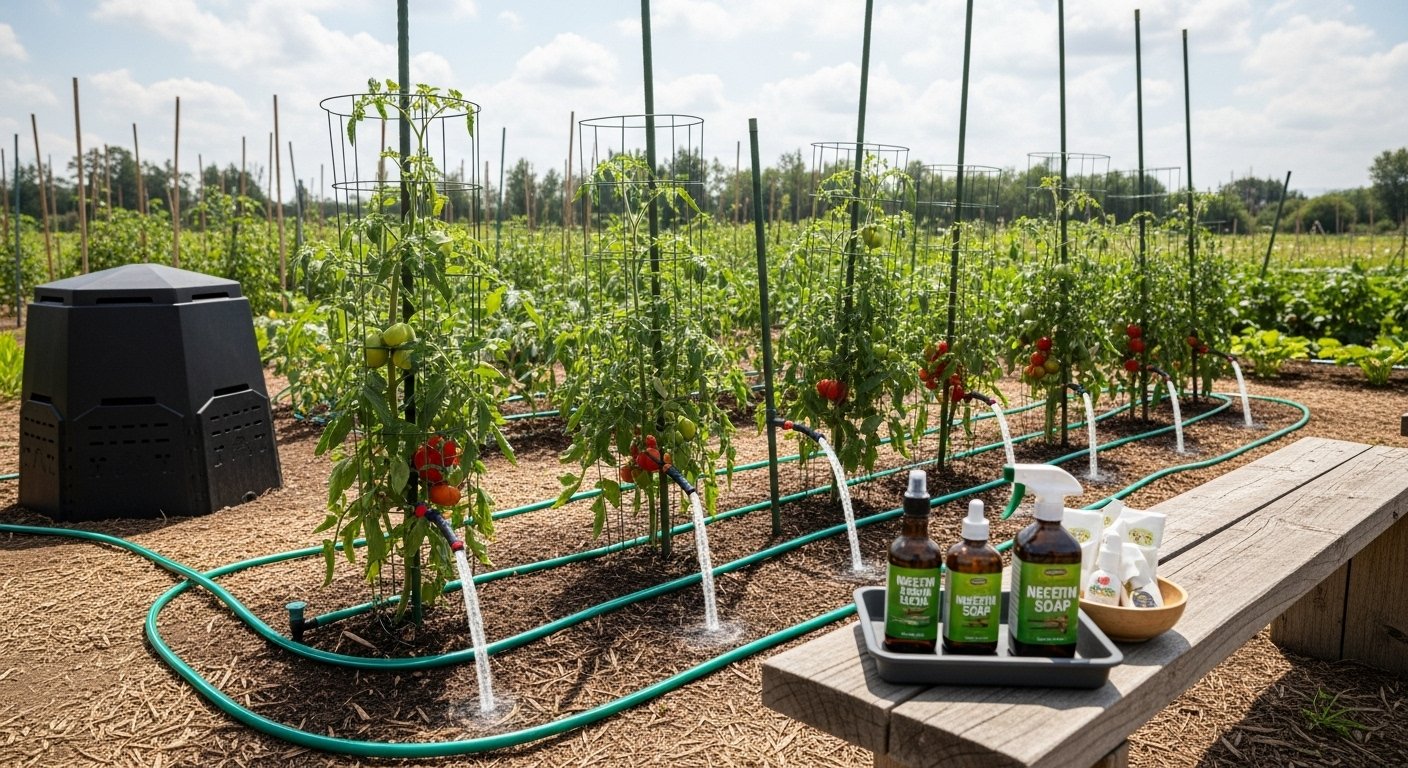
Keeping tomato plants healthy starts with smart, proactive gardening habits. Practicing crop rotation—planting tomatoes in a different spot each year—helps break the cycle of soil-borne diseases and pests. Be diligent about garden hygiene: clear away old leaves, fruit, and dead plants promptly to reduce hiding places for troublemakers like blight and aphids.
Choosing disease-resistant tomato varieties can make a big difference, offering natural protection against common problems without extra effort. When issues do crop up, organic options like handpicking pests, using insecticidal soap, or spraying neem oil are kinder to beneficial insects and the broader environment.
In contrast, conventional treatments—like chemical fungicides or pesticides—often work faster and require less frequent application, but they can impact pollinators and soil health if overused. Not every tomato issue demands immediate action, though. For minor pests or mild leaf spots, healthy plants can often recover on their own with good care and consistent watering.
Reserve intervention for severe infestations or rapid disease spread; otherwise, embrace nature’s ability to balance itself over time. By combining preventive steps, savvy plant selection, and the right mix of treatment approaches, you’ll give your tomatoes their best chance to thrive all season long.
“`html
Harvesting and Next Steps
Knowing exactly when to harvest your tomatoes can make all the difference in flavor and shelf life. Look for vibrant, even coloring that matches the variety—red, yellow, or purple—along with a slight give when you gently squeeze the fruit. Leave tomatoes on the vine until they’re almost fully ripe for the best taste, but if pests, cracking, or storms threaten, it’s fine to pick them just as they start to color and let them ripen indoors on a sunny windowsill.
Use clean garden shears or simply twist the fruit off with a gentle motion to avoid damaging the plant. After harvesting, sort tomatoes by ripeness; keep ripe ones at room temperature away from direct sunlight and avoid refrigerating them unless they’re extremely overripe, as cold damages their texture and flavor. For green or slightly underripe tomatoes, line them in a shallow box with newspaper to finish ripening.
If you notice signs of disease or damage, separate affected fruit to prevent spreading issues during storage—lightly wiping off any dirt, but never washing tomatoes until you’re ready to eat them.
Post-harvest, jot down notes about which varieties did best, what pest or disease issues cropped up, and how your irrigation or staking methods worked. These quick records are a goldmine for tweaking your planting plans and boosting next year’s results, helping you remember which tweaks led to your juiciest, healthiest crop.
“`
Conclusion
Early detection and management of problems in your tomato garden can be the difference between a bountiful harvest and heartbreak. Acting quickly when you spot pests, diseases, or watering issues allows you to stop minor setbacks before they turn into major disasters.
Taking the time to inspect your plants regularly—checking leaves for spots, watching for wilting, and noting any uninvited insects—helps you catch warning signs early and keeps your tomatoes healthier all season long. Remember, even experienced gardeners face challenges, but with the knowledge you’ve gained here, you’re already on the path to growing delicious, thriving tomatoes.
Don’t hesitate to try simple solutions like pruning away infected leaves, adjusting watering routines, or introducing beneficial insects. You’ll see firsthand how small steps produce big results. Keep learning by connecting with local gardening groups, following trusted gardening blogs, or exploring university extension resources from organizations like your local Master Gardeners.
Every tomato season is a chance to grow as a gardener—observe what works, learn from your challenges, and celebrate your successes. Apply what you’ve learned today, and enjoy the satisfaction of healthy plants and homegrown tomatoes all summer long.