Introduction
If you’ve ever asked yourself what not to plant near tomatoes, you’re far from alone. Companion planting—the practice of strategically placing certain crops together for mutual benefit—is a popular technique among gardeners who want to maximize their harvests and grow stronger, healthier plants.
When it comes to tomatoes, choosing the right neighbors matters more than you might think. Not all plants get along, and some can actually hinder tomato growth, invite pests, or even change the flavor of your favorite juicy red fruits in unexpected ways. Planting incompatible neighbors can lead to increased disease risk, poor yields, and extra frustration at harvest time.
In this article, we’ll take a close look at the worst companion plants for tomatoes, explaining why certain vegetables, herbs, and flowers are best kept far away from your tomato patch. With simple tips and easy-to-follow explanations, you’ll learn how to avoid common garden mistakes and create a thriving, flavorful tomato bed.
Let’s discover which plants you should never pair with tomatoes, and how smart companion planting can make all the difference in your garden’s success.
Understanding Companion Planting for Tomatoes
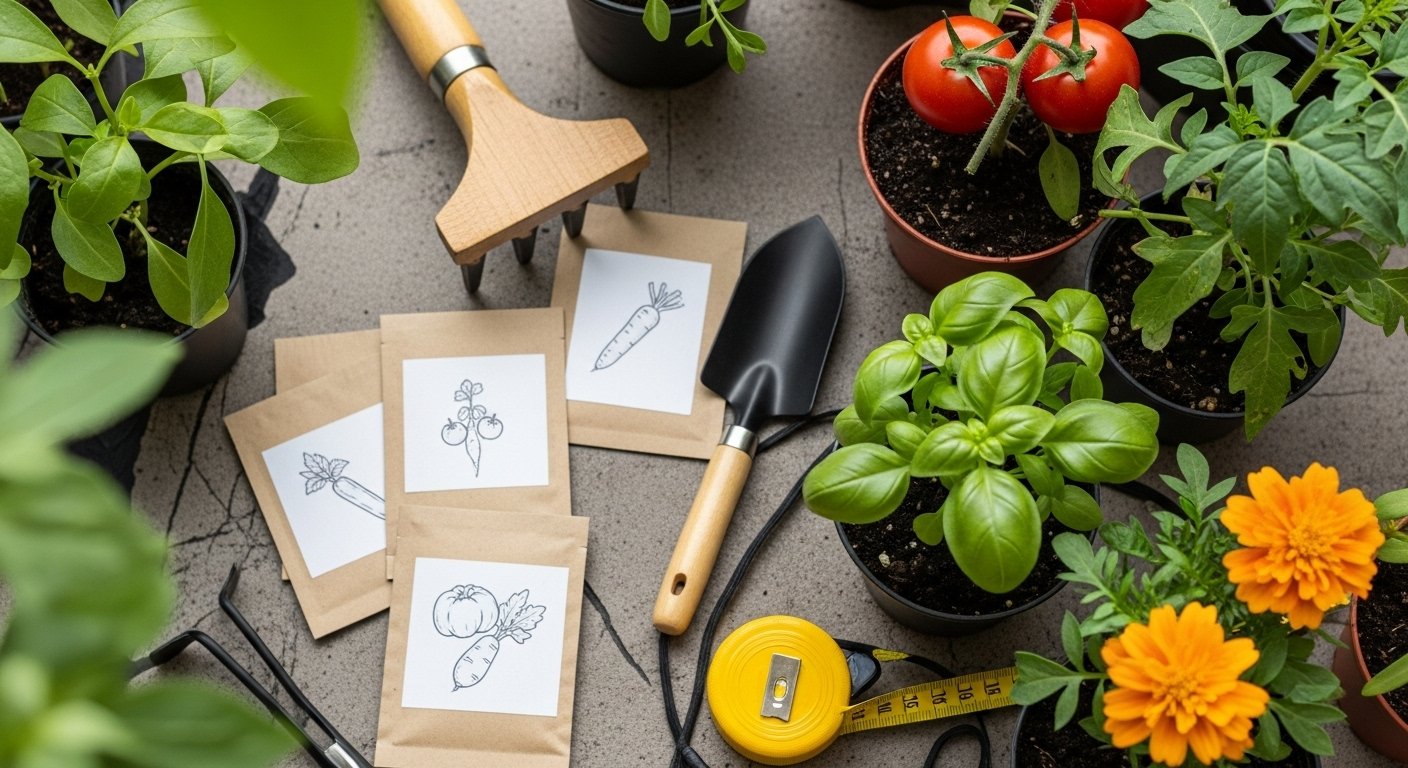
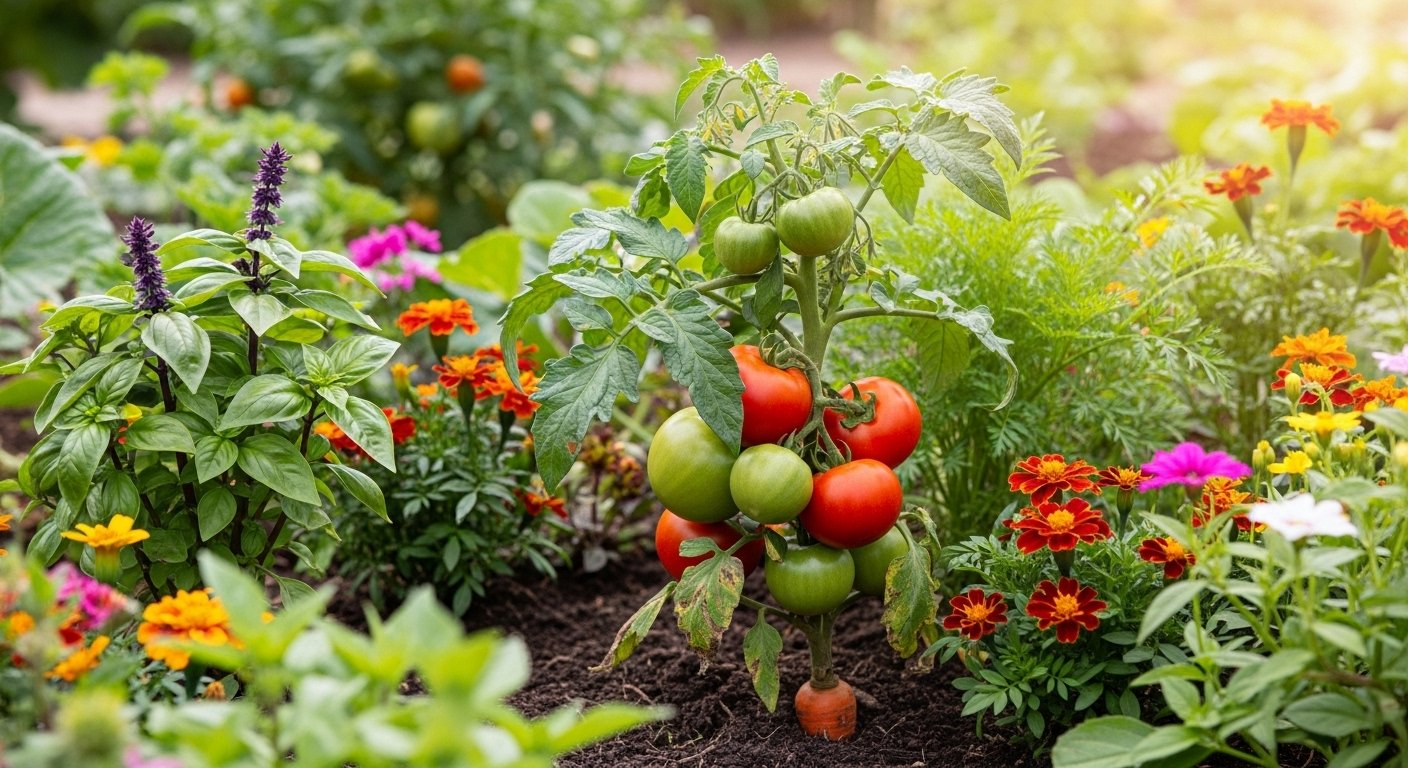
Companion planting is the practice of growing different plant species close together to benefit one or both crops. It’s especially popular in vegetable gardening with tomatoes. By choosing the right companions, you can help your tomatoes thrive—basil, for instance, is believed to repel pests like tomato hornworms, while marigolds may reduce harmful nematodes in the soil.
Good companions can also:
- Attract helpful pollinators
- Improve soil health
- Maximize limited garden space
However, not all pairings are beneficial. Incompatible companions such as cabbage or corn can compete with tomatoes for nutrients, water, and sunlight, leading to weaker plants and reduced yields. Some plants may even encourage the spread of disease or attract pests; for example, planting potatoes next to tomatoes increases the risk of blight spreading between them.
Because of these risks, intentional garden planning is crucial. Before you put seedlings in the ground, map out which plants will sit next to your tomatoes, considering their sunlight, space, and water needs. Research proven combinations and avoid common pitfalls to foster a healthier garden ecosystem and make the most of your tomato harvest. Even a little planning goes a long way in creating a productive, vibrant garden space.
Top Plants to Avoid Planting Near Tomatoes
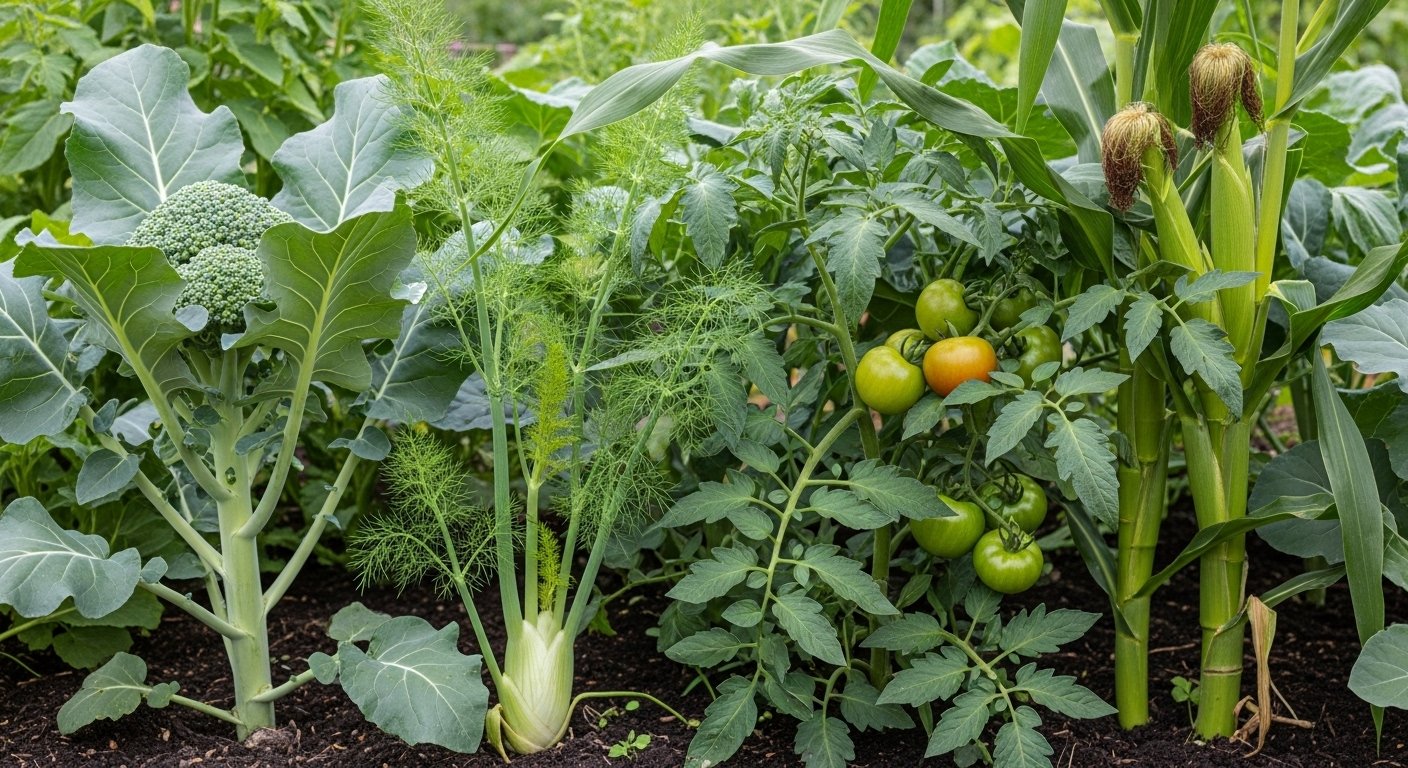
Planting the right companions around your tomatoes can make a big difference, but there are some plants you’re better off keeping at a distance.
Fennel is a prime example; it releases chemicals into the soil that stunt tomato growth, a phenomenon called allelopathy. Likewise, potatoes may seem harmless, but they’re prone to the same diseases as tomatoes—most notably blight—which can easily spread and devastate both crops.
Corn poses a different challenge by inviting pests like the corn earworm, which doesn’t mind munching on tomatoes too. Members of the cabbage family, including broccoli, kale, and cabbage itself, also compete aggressively for nutrients in the soil, making it tougher for tomatoes to thrive and possibly slowing their growth.
Eggplant is another risky neighbor since it belongs to the same nightshade family as tomatoes; both can fall victim to similar insect pests and soil-borne issues, compounding potential problems.
For a healthier tomato patch, try to keep these less-friendly plants in another part of your garden, and focus on proven companions like basil or marigold to help your tomatoes truly shine.
How Problem Plants Impact Tomato Growth
Problem plants can make it much harder for your tomatoes to thrive by introducing various stressors right in your own garden. Certain crops, like potatoes, attract pests that also love tomatoes—potato blight is a prime example, as this fungus spreads easily between the two and can quickly wipe out both crops. Other neighbors, like corn, can draw in corn earworms, which don’t mind making your tomatoes a snack, too.
Competition for water and nutrients is another big problem. Plants like broccoli or cabbage develop large root systems and eagerly soak up moisture and minerals that tomatoes need for healthy growth, resulting in weaker, less productive tomato plants.
Some problem plants even sabotage tomatoes chemically. Fennel is notorious for this—its roots release allelopathic compounds that inhibit the germination and growth of nearby plants, including tomatoes. Gardeners sometimes notice stunted growth or yellowing leaves when tomatoes are planted next to fennel, a clear sign they’re not getting what they need.
To protect your tomatoes, it’s smart to separate them from known troublemakers and pay attention to what you plant nearby, giving your crop the best shot at a healthy, abundant harvest.
Other Lesser-Known Poor Tomato Companions
While most gardeners know to avoid planting tomatoes near brassicas or potatoes, there are other, less-talked-about plants that also make poor companions. For example, dill is often recommended for the vegetable patch, but once it matures, it can actually stunt tomato growth due to biochemical interactions—so keep it well away or harvest it before it flowers.
Okra might seem harmless, but it grows fast and tall, hogging sunlight, moisture, and nutrients your tomatoes need to thrive. Similarly, cucumbers tend to sprawl and can compete with tomatoes for resources. Plus, both are susceptible to some of the same pests, increasing the risk of an infestation.
Walnut trees, especially black walnuts, release a chemical called juglone from their roots and fallen leaves, which is toxic to tomatoes and can seriously inhibit their health and production if planted anywhere nearby. Finally, ground cherries are a fun addition to many gardens, but they can attract pests like whiteflies and aphids, which love to hop over to tomato plants.
Generally, it’s smart to give these plants their own space, away from your tomato beds, to avoid stunted growth, resource competition, or an uptick in tomato troubles caused by pests or plant toxins.
Common Companion Planting Myths
Companion planting comes with plenty of time-honored advice, but not everything you hear is grounded in science. For example, it’s a myth that all herbs are beneficial next to tomatoes; while basil might boost growth or flavor, other herbs like fennel can stunt tomato development.
Another misconception is that all nightshades, such as tomatoes, peppers, and eggplants, thrive when planted together. In reality, these crops compete for the same nutrients and are vulnerable to similar pests and diseases, so crowding them can actually increase your garden’s problems.
While gardeners have passed down wisdom for generations, much of it is anecdotal—think “marigolds repel all bugs,” when in fact, their effect is limited. To get the best results, look for companion planting pairings backed by university extension studies or trusted gardening organizations, and treat folklore as a starting point rather than a guarantee.
At the same time, don’t be afraid to experiment in your own space: keep notes on what works with your soil, climate, and crops. Blending a willingness to try new things with proven strategies will help you find companion combinations that truly work for your garden, rather than relying on one-size-fits-all advice.
Smart Planning: What to Plant with Tomatoes Instead
When planning your tomato garden, choosing the right companions can make a big difference in your harvest. Basil is a classic partner—gardeners swear that planting basil near tomatoes not only helps repel troublesome insects like aphids and whiteflies but can also enhance the tomatoes’ flavor.
Marigolds are another proven ally; their cheerful flowers attract pollinators while their scent discourages nematodes and certain beetles that might harm your tomato plants. Carrots, with their deep roots, aerate the soil beneath tomato plants, fostering better drainage and root health. Nasturtiums serve as a trap crop, luring aphids and other pests away from your tomatoes, plus their blooms are edible and add color to salads.
For the healthiest garden, rotate your crops each year—don’t plant tomatoes in the same spot to avoid soil-borne diseases. Space plants thoughtfully, keeping good airflow and providing enough sunlight. For example, place lower-growing carrots at tomato roots, basil and marigolds along borders, and climbing nasturtiums at the ends of rows.
This deliberate layout maximizes pest protection and pollinator activity, helps your tomatoes thrive, and keeps your garden vibrant and productive.
Conclusion
Avoiding harmful companion plants is crucial for keeping your tomato plants healthy and productive. Certain plants, like brassicas and corn, can compete with tomatoes for nutrients or attract pests that damage your crop.
By being mindful of what you plant next to your tomatoes, you can reduce the risk of diseases and improve your chances of a good harvest. Remember, every garden is unique—factors like your local climate, soil conditions, and even the layout of your plot can affect which pairings work best.
Observing your own garden’s reactions can be just as valuable as following general advice. Don’t hesitate to experiment and see what works best in your specific space.
If you have a tip or an experience to share about tomato companion planting, please drop a comment below. Your insights could help fellow gardeners grow healthier, more bountiful tomatoes!