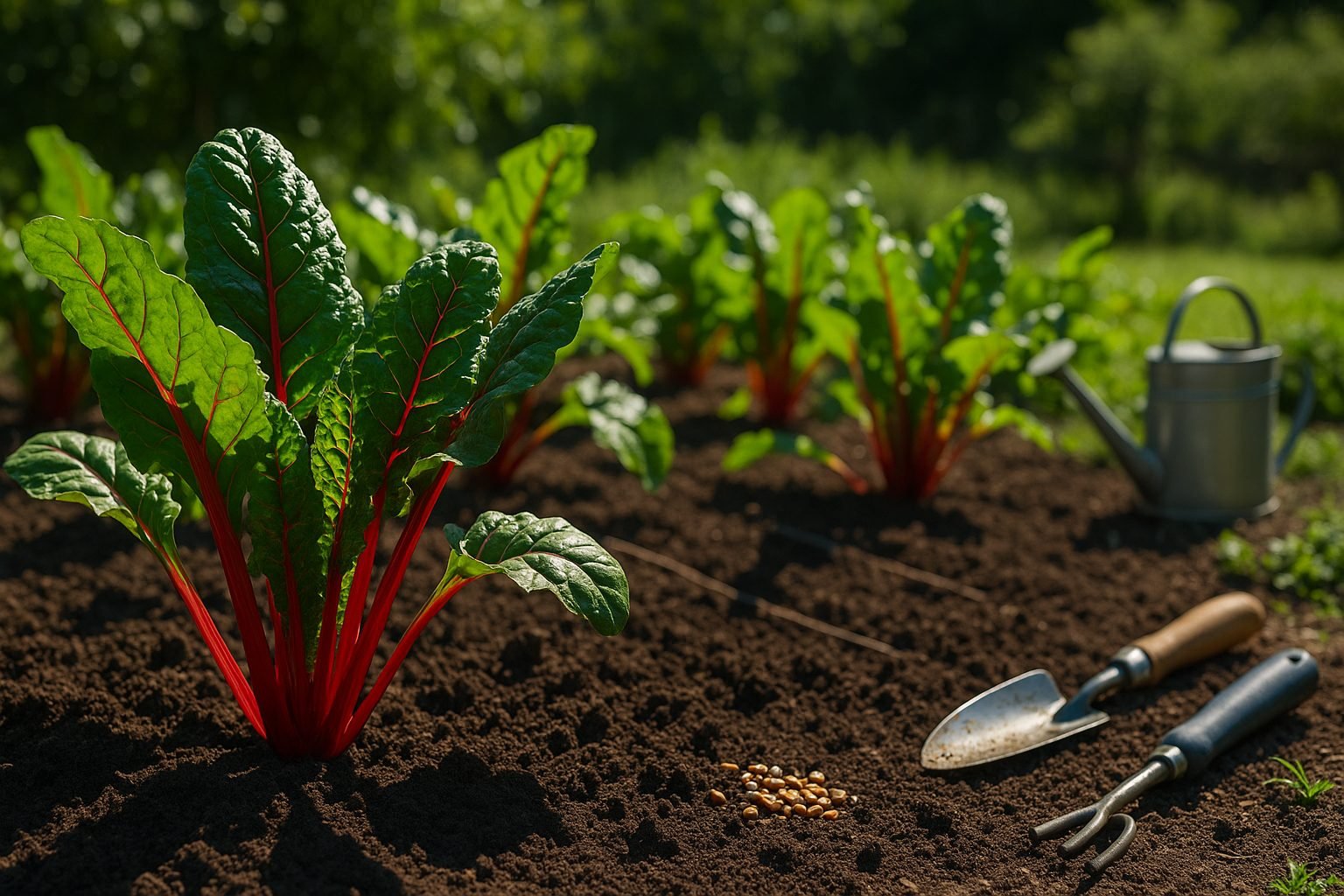
Introduction
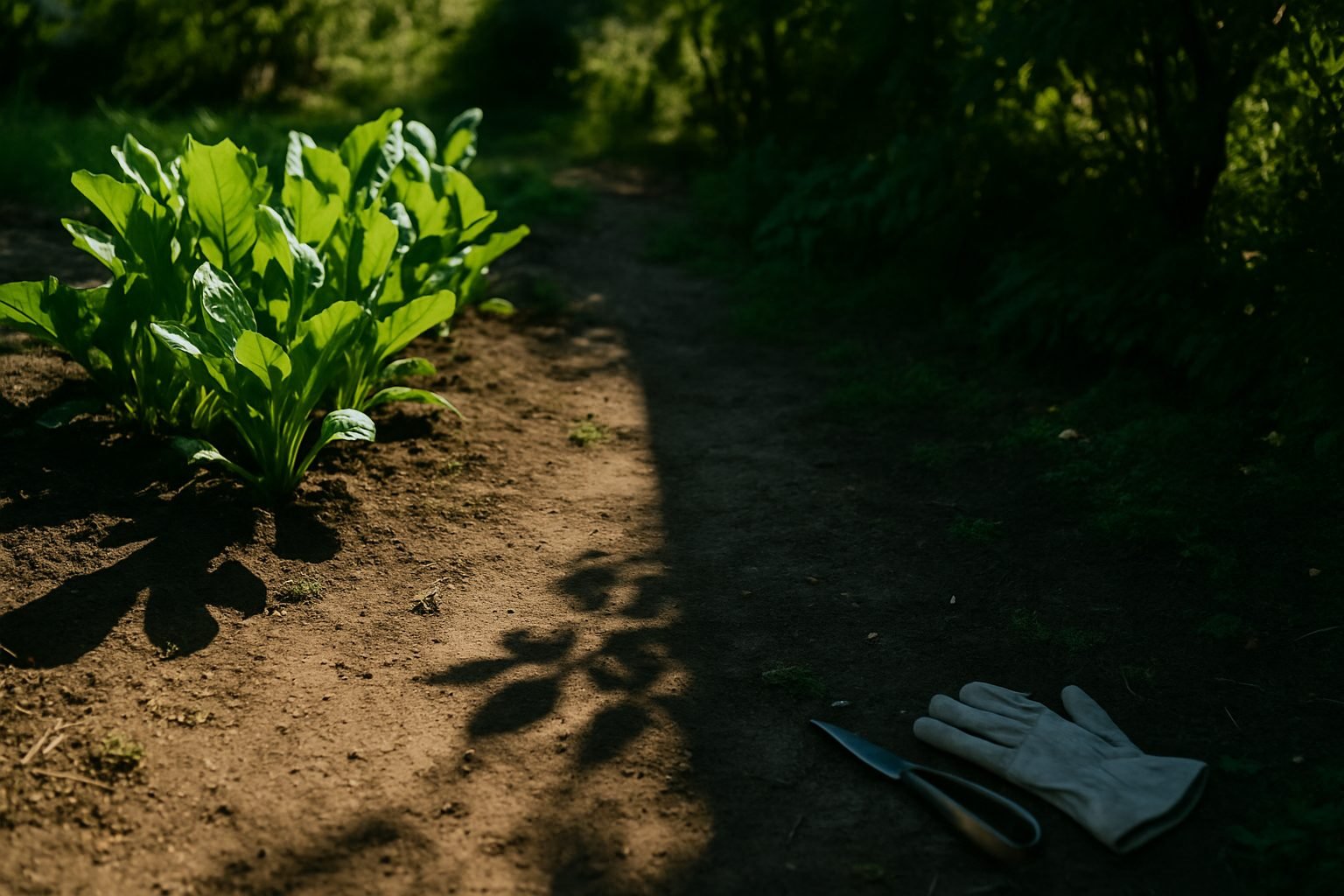
If you’re growing swiss chard in your home garden, you already know it’s a versatile leafy green that thrives in a variety of climates and dishes. One of the most common questions gardeners ask is about watering Swiss chard correctly. Watering is more than just a task on your gardening to-do list — getting it right is essential for strong growth, lush leaves, and a steady harvest. Overwatering can cause root rot, while underwatering results in limp, underdeveloped plants.
In this article, we’ll explain exactly how often you should water Swiss chard, considering important factors like weather, soil type, and growth stage. You’ll discover practical tips, including how to perform a simple soil moisture test and how to adjust your watering routine during hot spells or rainy periods. Whether you’re a first-time gardener or an experienced grower aiming for healthier, tastier chard, this guide offers clear insights to help your Swiss chard thrive all season long.
Understanding Swiss Chard’s Water Needs
Swiss chard is a leafy green that thrives with consistent, moderate moisture to support its rapid growth, broad leaves, and juicy, edible stems. Throughout its growth cycle, Swiss chard uses water mainly to fuel photosynthesis and nutrient transport—both essential for developing those vibrant, healthy leaves you want to harvest.
The plant’s roots spread horizontally and stay fairly shallow, so Swiss chard draws most of its moisture from the upper soil layers. Plus, its large, tender leaves lose water quickly through evaporation, which is why this veggie depends on regular watering, especially during hot or dry spells.
A healthy Swiss chard plant stands upright, with firm stems and glossy, lush leaves. Any signs of wilting or dullness usually mean the plant needs more water. On the other hand, overwatering can cause yellowing leaves, root rot, or limp stems that don’t perk up even when the sun returns.
To find the right balance when watering Swiss chard, check the soil about an inch deep: it should feel moist but not soggy. If it’s dry or cracking, water more often; if it feels very wet or sticky, scale back. Taking a few moments to monitor both the soil and your chard’s leaves will help you gauge exactly how much water your plants need throughout their growth.
How Often Should You Water Swiss Chard?
Watering Swiss chard effectively means finding the right balance between providing enough moisture and avoiding soggy, waterlogged roots. Generally, Swiss chard prefers consistently moist—but not saturated—soil. For most climates, watering once or twice a week is enough, though the exact frequency depends on local weather and the plant’s growth stage.
In cooler climates with regular rainfall or during early growth, you might only need to water once a week. However, in hotter, windier areas or during midsummer heat, watering every two to three days may be necessary to keep the soil from drying out completely.
Instead of following a strict schedule, check the soil moisture before watering. Stick your finger about an inch into the soil near the base of your plants—if it feels dry at that depth, it’s time to water.
When growing Swiss chard in containers, keep in mind that pots dry out faster than garden beds, especially in full sun or windy locations. In these cases, daily checks are important, and watering may be needed every other day or even daily during extreme heat.
For ground-planted Swiss chard, using mulch helps conserve soil moisture and reduces how often you need to water. Always adjust your watering based on weather changes, the plant’s size, and how quickly your soil drains.
Overwatering can be as harmful as underwatering, causing root rot and nutrient leaching. Avoid sticking to a rigid watering routine; instead, let the plant and soil guide you. Paying attention to the leaves can also help—wilting, yellowing, or limp foliage often signals too much or too little water.
By tuning in to these cues, you’ll keep your Swiss chard thriving and productive with just the right amount of hydration.
Factors That Affect Watering Frequency
The frequency of watering Swiss chard can vary widely depending on several key environmental factors. Temperature plays a major role—warm, sunny weather causes soil moisture to evaporate quickly, so you’ll likely need to water more often during the heat of summer. On the other hand, cool or cloudy days slow evaporation, letting you hold off a bit. Rainfall is a natural supplement: if your region receives regular rain, you’ll only need to water to fill in the gaps during dry spells.
Soil type is equally important; sandy soils drain rapidly, meaning Swiss chard in such beds needs more frequent watering than those in moisture-retentive loam or clay. Sunlight intensity also matters, as chard grown in full sun dries out faster than chard in partial shade.
For seedlings, keep the soil consistently moist—about the feel of a wrung-out sponge—since their tiny roots are especially prone to drying out. Newly transplanted chard is also sensitive and should be watered more frequently for the first week or two as it establishes. As the plants mature, you can gradually shift to deeper, less frequent waterings that encourage roots to grow down in search of moisture.
Keep an eye out for plant signals: limp, droopy leaves during the hottest part of the afternoon may be normal, but if they don’t perk up by evening, it’s time to water. Conversely, yellowed or soft, mushy leaves can signal overwatering, especially if the soil feels soggy.
Mulching around your Swiss chard plants with straw or shredded leaves helps regulate soil moisture and temperature, reducing how often you have to water. By tuning into these environmental cues and observing your plants’ responses, you can find the right watering rhythm for healthy, productive Swiss chard.
Best Practices for Watering Swiss Chard
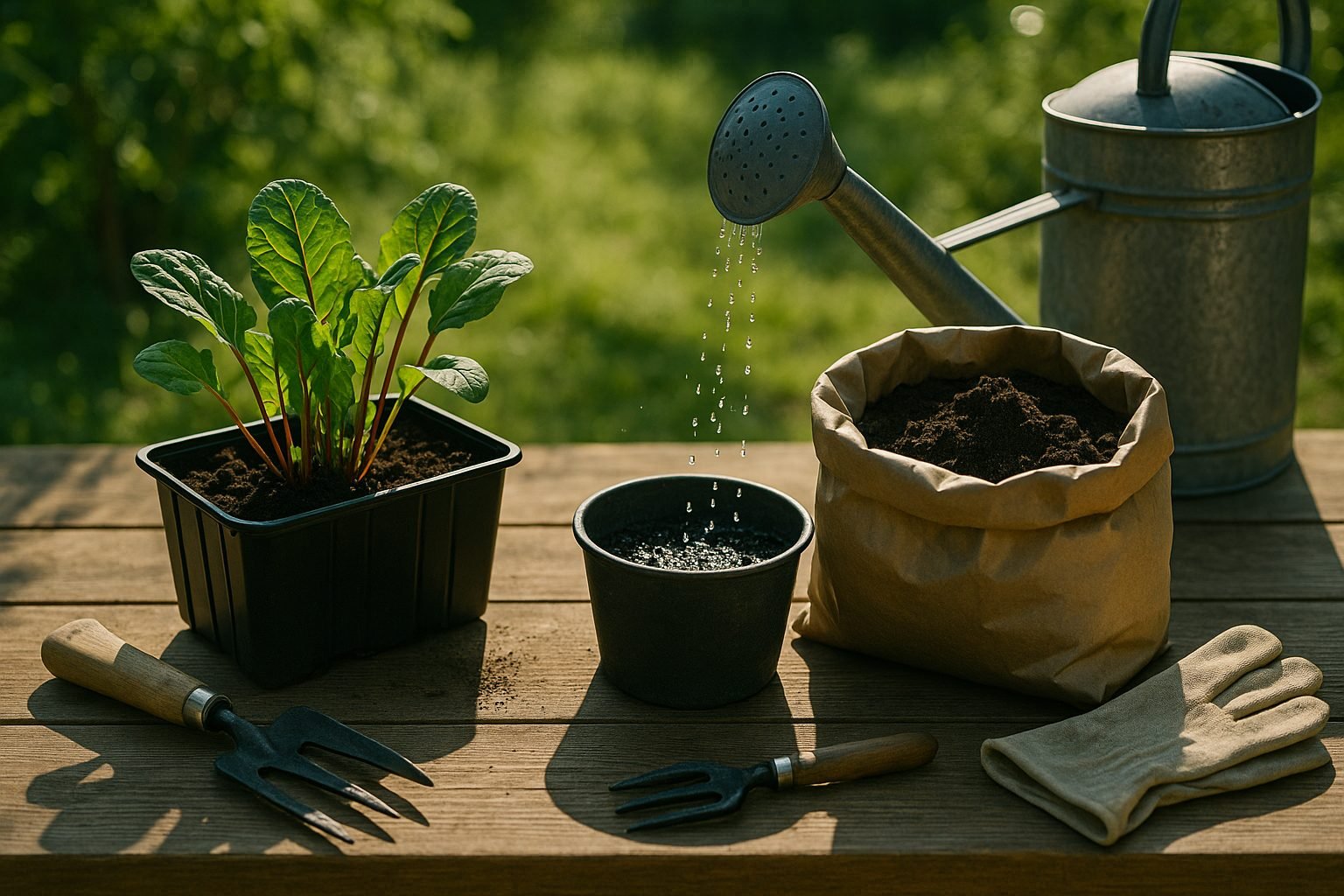
When it comes to watering Swiss chard, consistency and technique are key to keeping your plants healthy and vibrant. The best time to water is early in the morning, allowing the leaves to dry before evening and reducing the risk of fungal diseases. Aim for a deep, thorough watering rather than frequent shallow sprinkles—this encourages the roots to grow deeper, making the plants more resilient during dry spells.
Swiss chard generally thrives with about 1 to 1.5 inches of water per week, but always check the soil before watering. Insert your finger about two inches into the soil; if it feels dry at that depth, it’s time to water. Using a soaker hose or drip irrigation is ideal, as this delivers water directly to the root zone and keeps leaves dry, further reducing disease risk.
Mulching around your Swiss chard with straw, shredded leaves, or compost is a smart move. Mulch helps keep the soil consistently moist by minimizing evaporation, suppresses weeds, and adds organic matter to the soil over time. To prevent issues like root rot, avoid letting your garden beds stay soggy—good drainage is essential.
If you’re growing chard in containers, make sure your pots have drainage holes and never let them sit in a saucer full of water. By following these best practices for watering Swiss chard, you’ll provide just the right amount of moisture to support a strong, productive harvest all season long.
Common Watering Mistakes and How to Avoid Them
When it comes to watering Swiss chard, some common mistakes can easily sabotage your harvest. One of the biggest errors is shallow watering—giving your plants just a light sprinkle so only the surface soil gets wet. This encourages shallow roots, making the plants less resilient during dry spells. Instead, water deeply so moisture reaches the root zone; aim for the top 6-8 inches of soil to feel damp after watering.
Another common issue is letting the soil dry out completely between waterings. Swiss chard prefers consistent moisture, so waiting until the soil is bone-dry stresses the plants and can cause leaves to wilt or turn bitter. To prevent this, check the soil every few days and water when the top inch feels dry, especially during hot summer spells.
Overhead watering is another frequent mistake—watering from above can leave leaves wet, increasing the risk of fungal diseases and leaf spotting. A better approach is to water at the base of the plant, delivering moisture directly to the roots while keeping the foliage dry. Using a soaker hose or drip irrigation is ideal, but if you’re using a watering can, direct the spout close to the soil.
With these adjustments in watering Swiss chard, you’ll keep your plants healthy and thriving all season long.
Troubleshooting: Recognizing and Fixing Water Problems
Recognizing water-related issues early is key to successful watering Swiss chard and growing healthy plants. Underwatering usually shows up as wilting, dry, or crispy leaves, with plants looking limp during the hottest parts of the day. In severe cases, leaf edges may brown or curl. Overwatering, on the other hand, often causes yellowing leaves, especially near the base, and can lead to soft, mushy stems or root rot if the soil stays soggy for too long.
To correct underwatering, check if the soil is dry an inch or two below the surface. If it is, water deeply at the soil level until the ground is moist but not waterlogged. Mulching around your Swiss chard can also help retain moisture, especially during hot weather.
For overwatered plants, allow the soil to dry out. If the soil is compacted or drains poorly, consider loosening it or mixing in organic matter to improve drainage. Remove any yellow or rotting leaves and, if needed, gently dig up the plant to inspect the roots. Healthy roots should be white and firm. If you find brown, mushy roots, trim away the damaged parts and replant in fresh, well-draining soil.
As a preventive measure, always monitor the weather: Swiss chard needs more water during hot, dry spells and less during cool, rainy periods. Get in the habit of checking soil moisture regularly, rather than following a fixed watering schedule. The needs of Swiss chard can change quickly with the weather, so flexibility is key for lush, vibrant growth.
Conclusion
Watering Swiss chard may seem simple, but paying attention to the details can make a big difference in a healthy, bountiful harvest. Generally, Swiss chard requires about 1 to 1.5 inches of water per week, whether from rainfall or irrigation. It’s important to check the soil regularly—if the top inch feels dry, it’s time to water. Gardeners in hot or windy climates may need to water more frequently, while those with heavy, moisture-retaining soils can cut back.
Mulching around your plants helps keep the soil moist and reduces how often you need to water. Remember, your specific garden conditions—such as soil type, temperature, and sunlight—should guide your watering routine. Every garden is unique, so feel free to adjust these tips to fit your setup. If you have questions or want to share your own watering Swiss chard tips, drop a comment below and join the conversation!