Introduction
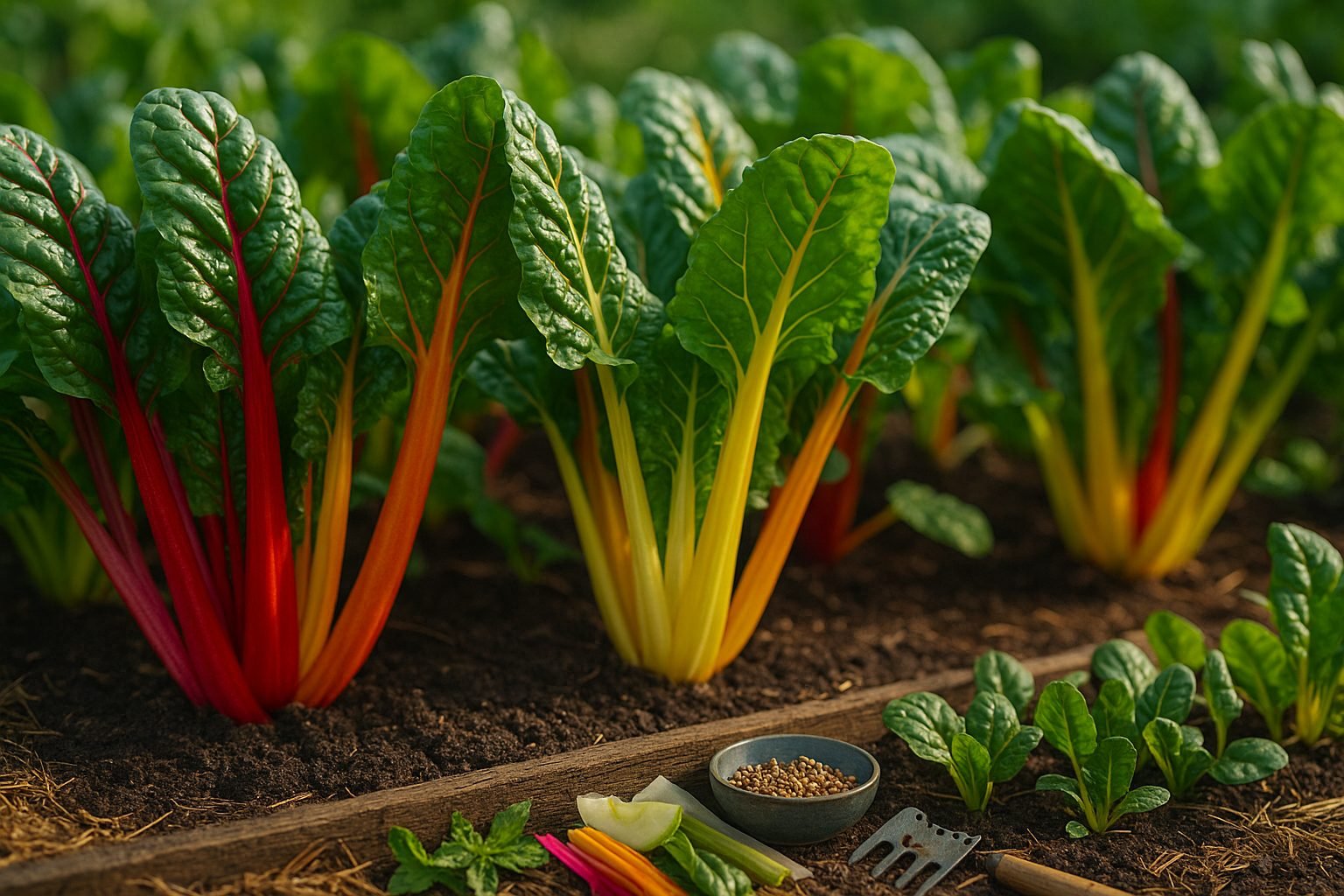
The best swiss chard varieties offer vibrant color, reliable yields, and delicious flavor, making Swiss chard a favorite among home gardeners everywhere. With its broad, glossy leaves and colorful stems ranging from ruby red to golden yellow, this leafy green not only brightens up garden beds but also adds diverse nutrients to your plate.
Swiss chard is prized for its versatility—toss it into salads, sautés, soups, or even stir-fries. But with so many types available, from the classic ‘Fordhook Giant’ to the eye-catching ‘Bright Lights’ and tender heirlooms, choosing the right variety for your needs can feel overwhelming.
In this article, we’ll guide you through the best Swiss chard varieties for home gardens, offering practical selection tips based on growing conditions, flavor preferences, and intended culinary uses. Whether you’re after disease resistance, stunning color for your edible landscape, or leaves that stay tender in the summer heat, you’ll find a chard type perfectly suited to your garden.
Ready to transform your plot into a lush, leafy haven? Let’s explore top Swiss chard varieties and how to make the most of them in your kitchen!
What Makes Swiss Chard Special?
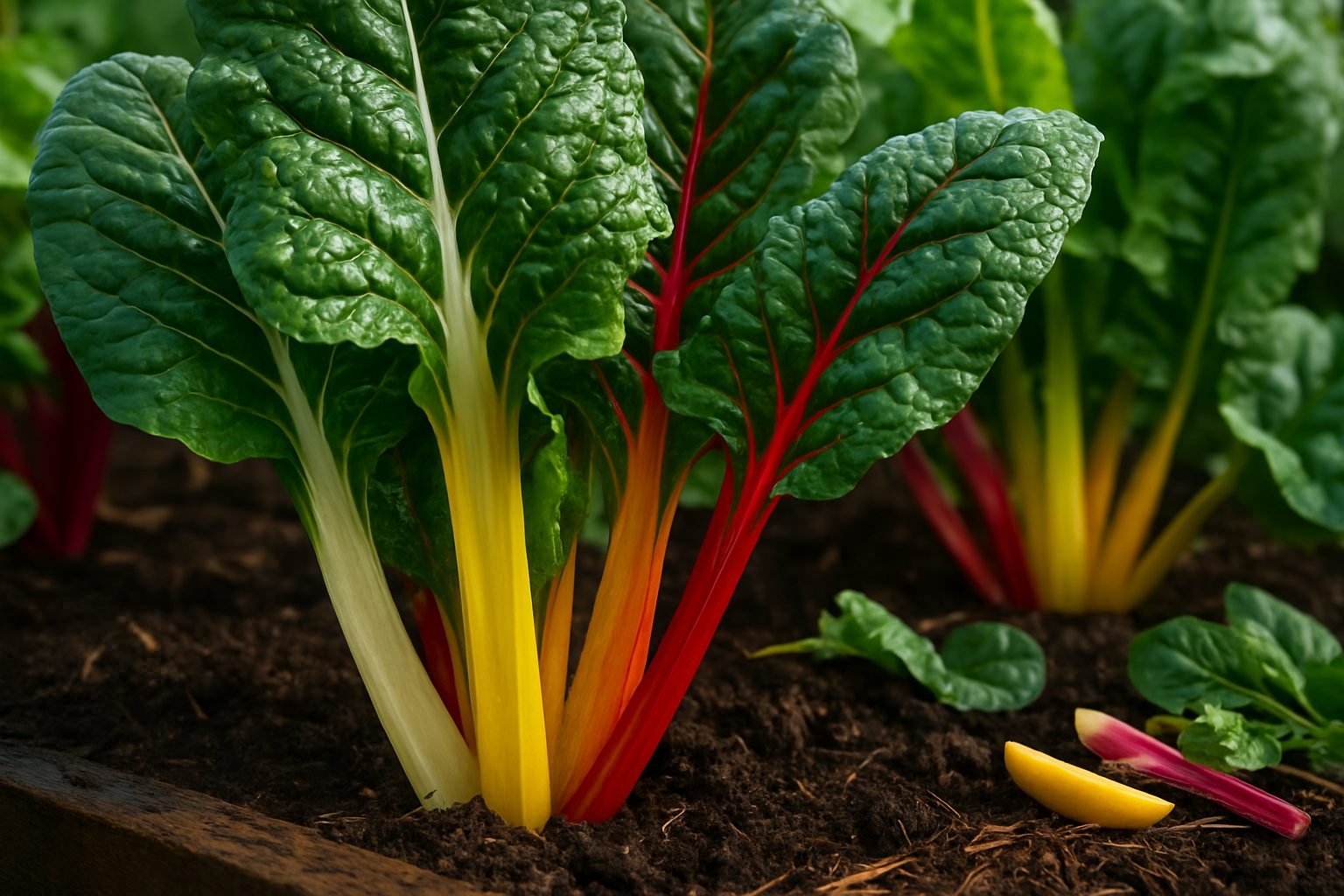
Swiss chard is a leafy green vegetable known for its vibrant stalks that range from deep red to golden yellow, adding a colorful touch to any meal or garden. Unlike spinach, which has tender, dark green leaves and a milder flavor, Swiss chard features sturdy, crinkled leaves with slightly earthy and salty notes, offering both nutrition and visual appeal.
It’s impressively rich in vitamins A, K, and C, as well as magnesium and iron, making it an excellent choice for those looking to boost their vegetable intake. Gardeners love Swiss chard because it’s easy to grow, resilient in various climates, and provides continuous harvests—just trim a few leaves at a time, and the plant keeps producing all season long.
In the kitchen, Swiss chard shows off its versatility. You can sauté the stems like celery or toss the leaves into soups, pastas, and omelets. Its sturdy texture holds up well to both cooking and raw dishes, unlike spinach, which wilts quickly.
Swiss chard is also different from beet greens, which are more tender and have a milder flavor. Chard is cultivated primarily for its greens rather than its root, making it unique in that regard.
Thanks to its combination of nutrition, beauty, and adaptability, Swiss chard has been a staple in Mediterranean kitchens for centuries—especially in Italian, Greek, and Turkish recipes. Plus, its easy cultivation means home gardeners can enjoy a continuous supply even in small spaces or container gardens.
Top Swiss Chard Varieties to Grow
Swiss chard offers a rainbow of choices for gardeners, making it both a practical and beautiful crop for any edible landscape. One standout variety is ‘Bright Lights’, prized for its vibrant mix of yellow, orange, pink, red, and white stems—perfect for adding pops of color to salads and garden beds alike. It’s a favorite among home growers for its mild flavor and ornamental appeal.
For those who prefer a classic, ‘Fordhook Giant’ is an heirloom variety that boasts broad, dark green leaves and thick, white stalks. It handles heat well and is known for its tender, juicy stems and robust flavor, making it a workhorse in the vegetable patch.
‘Ruby Red’, also known as ‘Rhubarb Chard’, features striking crimson stems and deep green leaves with red veins. This variety isn’t just a showstopper—it also brings a slightly earthy sweetness that shines in sautés or as cooked greens.
If you want even more variety, seek out ‘Rainbow’ chard mixes, which combine seeds of different colored stems for maximum diversity in a single planting. Golden-stemmed types like ‘Golden Sunrise’ and pink-stemmed selections offer unique flavors and eye-catching appeal, especially when paired with other greens.
When comparing heirlooms like ‘Fordhook Giant’ or ‘Ruby Red’ to newer hybrids such as ‘Bright Lights’, you’ll notice heirlooms usually have a more traditional, sometimes stronger flavor, while hybrids are bred for consistent color, increased vigor, and bolt resistance. In the garden, hybrids might edge out heirlooms for productivity and resilience, but many gardeners appreciate the historical connection and nuanced flavors heirlooms provide.
No matter your choice, Swiss chard is easy to grow, thrives in various climates, and rewards you with a continuous harvest—just cut the outer leaves and let the plant keep producing all season long. Choose a mix of colors for both beauty and nutrition, and enjoy experimenting with different varieties to find your favorites.
How to Choose the Right Chard for Your Garden
Selecting the right chard for your garden starts with considering your local climate—certain varieties, like ‘Fordhook Giant,’ thrive in cooler temperatures and are hardy against light frost, making them ideal for early spring or fall plantings. If your area tends to be warmer, try ‘Lucullus’ or ‘Perpetual’ chard, which can handle higher temperatures without bolting quickly. Disease resistance is another key factor; for gardeners plagued by common pests or fungal issues, look for varieties specifically bred for durability, such as ‘Bright Lights’ or ‘Rainbow,’ both known for resisting common leaf spot problems.
Growth habit matters too—some chards, like ‘Ruby Red,’ grow more compactly and fit well in small raised beds or containers, while larger types like ‘Fordhook Giant’ need more space but yield enormous leaves perfect for family meals. Visual appeal is an added bonus: rainbow-hued stems from the ‘Bright Lights’ mix bring vivid color to both your garden and plate, making them a favorite for edible landscaping.
Consider Leaf Texture and Size
When comparing chard types, leaf texture and size can influence your choice based on intended use. Tender, baby leaves from any chard variety are great for fresh salads, but varieties like ‘Bright Lights’ or ‘Pink Passion’ offer particularly mild flavors and striking colors for mixed greens. For cooking, opt for types with thicker, larger leaves and sturdy stems—‘Fordhook Giant’ or ‘Lucullus’ excel in sautés, soups, and casseroles since their texture holds up well during cooking.
Microgreen enthusiasts should consider fast-growing types like ‘Barese’ or ‘Rhonda,’ which produce flavorful, petite leaves quickly for garnishes or snacking.
Mix and Match for a Diverse Harvest
Ultimately, mix and match based on your garden’s needs—growing two or three varieties lets you enjoy a continuous and diverse harvest while taking full advantage of chard’s adaptability and visual charm.
Growing and Caring for Swiss Chard
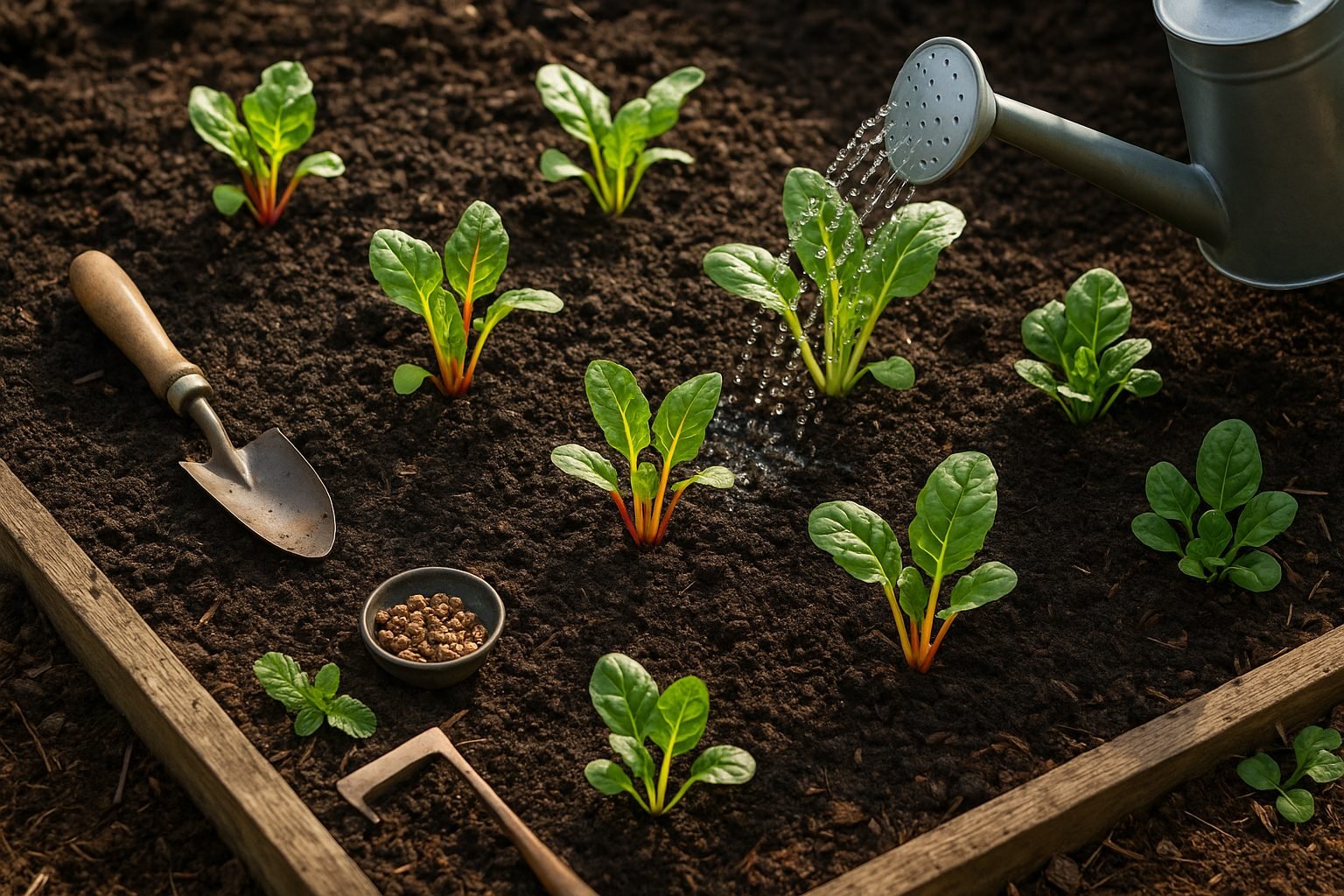
Swiss chard is a resilient, colorful green that’s surprisingly easy to grow, making it a favorite for both beginner and experienced gardeners. To get started, choose a sunny location—Swiss chard thrives in full sun but can also tolerate partial shade, especially in hot climates. Prepare the soil by mixing in plenty of organic matter like compost, ensuring it’s loose, well-draining, and slightly acidic to neutral in pH.
Sow seeds half an inch deep, spacing them about 4 to 6 inches apart; thin seedlings once sprouted so mature plants aren’t crowded. Regular watering is key, especially in dry spells—chard prefers consistently moist soil but doesn’t like standing water, so mulch can help retain moisture and suppress weeds. Every few weeks, feed with a balanced, water-soluble fertilizer or side-dress the plants with compost for steady growth.
Watch for common pests like leaf miners and aphids—removing affected leaves, using organic sprays, or planting nearby pest-repelling flowers (like marigolds) can help. Disease is rarely an issue if you avoid overhead watering and provide good air circulation.
For harvesting, snip off the outer leaves when they’re about 8 to 12 inches tall, allowing the center leaves to keep growing. This “cut and come again” method encourages the plant to continually produce fresh leaves for months, so you can enjoy a steady supply of tender, nutrient-packed greens all season long.
Culinary Uses and Creative Ideas
Harvesting leafy greens at the right stage can make a big difference in both flavor and texture. For delicate salads, pick young, tender leaves early in the morning when they’re at their crispest—these work perfectly tossed fresh with a squeeze of lemon and olive oil.
Older, larger leaves are best for cooking since their sturdier texture holds up well to heat. Sauté them quickly in olive oil with garlic for a speedy side, or steam and toss with a splash of balsamic vinegar for extra zing.
Don’t be afraid to get creative:
- Use raw leaves as a fresh wrap for rice and veggies.
- Blend them into smoothies for a nutrient boost.
- Crisp them up in the oven for homemade veggie chips.
Leafy greens pack a punch nutritionally—they’re rich in vitamins A, C, and K, plus minerals like iron and calcium—so adding them to sandwiches, omelets, or pasta not only boosts flavor but also your daily intake of essential nutrients.
For picky eaters, pureeing cooked greens into soups or sauces is an easy way to sneak in extra vitamins without noticing the flavor shift.
However you use them, nurturing your leaves from garden to table lets you experiment with freshness and enjoy peak nutritional benefits in every meal.
Exploring Rare and Unique Chard Varieties
If you’re a gardener with a taste for the unusual, trying rare chard varieties can add color and character to your plot. Instead of sticking to standard Rainbow or Fordhook chard, consider ‘Barese’—an Italian dwarf chard with tender, glossy, spinach-like leaves perfect for small spaces or containers. ‘Pink Lipstick’ catches the eye with slim, magenta stalks, while ‘Peppermint’ chard offers vivid pink-and-white stripes for a truly striking addition to salads.
For those interested in heat tolerance, ‘Perpetual Spinach’ chard (not actually spinach!) thrives long into summer without bolting, making it a low-maintenance choice for warm climates. These rare varieties often require the same basic care as common chard—well-drained soil, moderate fertilizer, and regular harvesting to promote new growth—but dwarf or specialty types appreciate a bit of afternoon shade and consistent moisture, especially in hotter regions.
Finding seeds for these unique cultivars may take a little digging; check out specialty seed companies like Baker Creek Heirloom Seeds, Seed Savers Exchange, or Adaptive Seeds. Local gardening groups or online forums can also be great sources of hard-to-find chard seeds, as many enthusiasts are happy to swap or share.
By growing rare chard, you’re not only expanding your garden’s palette but also helping preserve these special cultivars for the next generation of home growers.
Conclusion
Choosing the right varieties is key to a thriving, productive garden—so don’t hesitate to explore beyond the basics. Opt for disease-resistant or climate-adapted types for easier success, and remember that each variety brings its own flavors, colors, and textures to your kitchen.
Try growing a mix of classic staples and unique heirlooms to keep both your harvest and meals exciting. Even a small bed or a few containers can become a showcase for new tastes and garden beauty.
If you’re ready to branch out, check out online seed catalogs, gardening forums, or your local extension office for recommendations and support. No matter your space or experience, you’ll find endless ways to enjoy gardening and add fresh inspiration to your table.