Sweet Potato Vine Basics
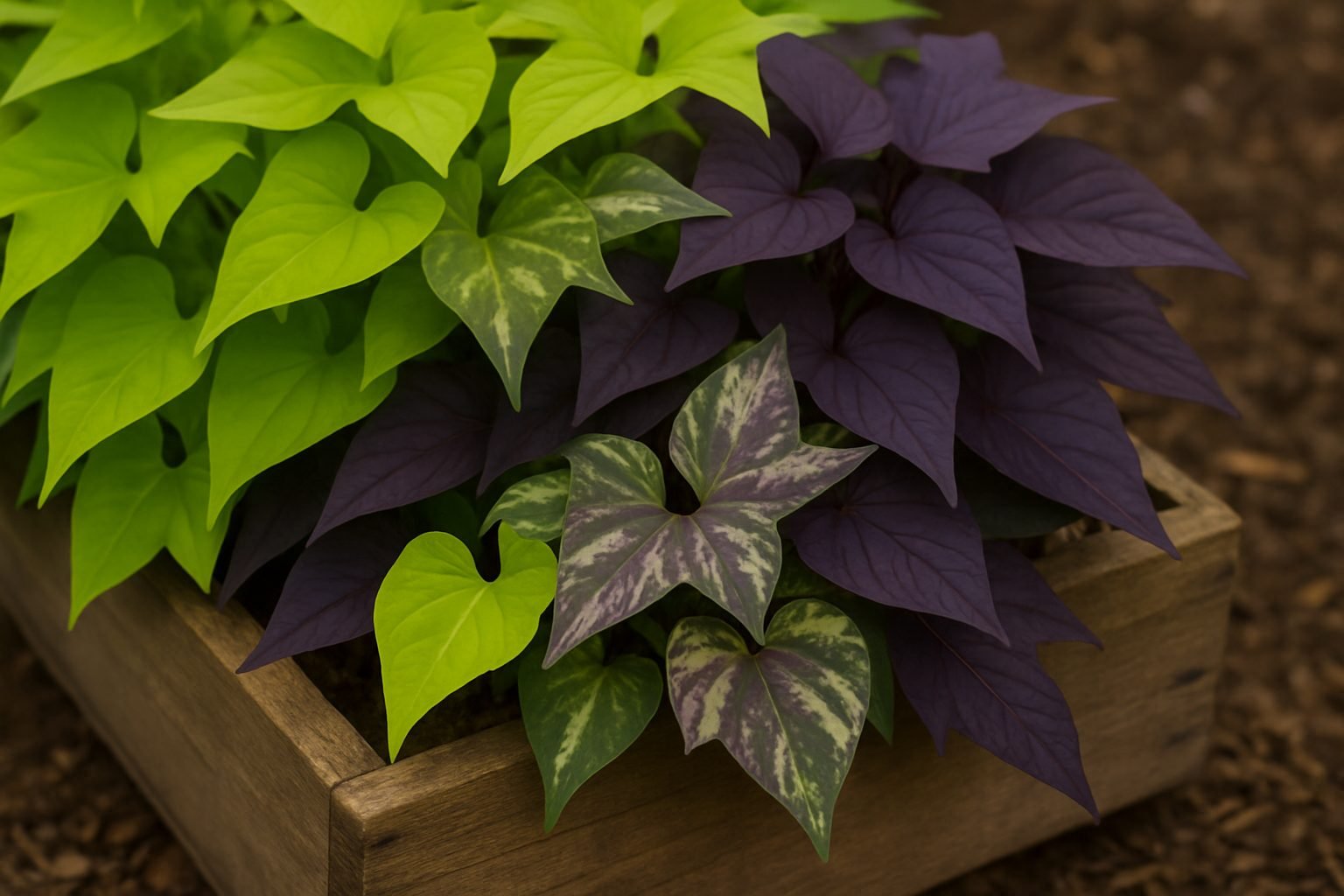
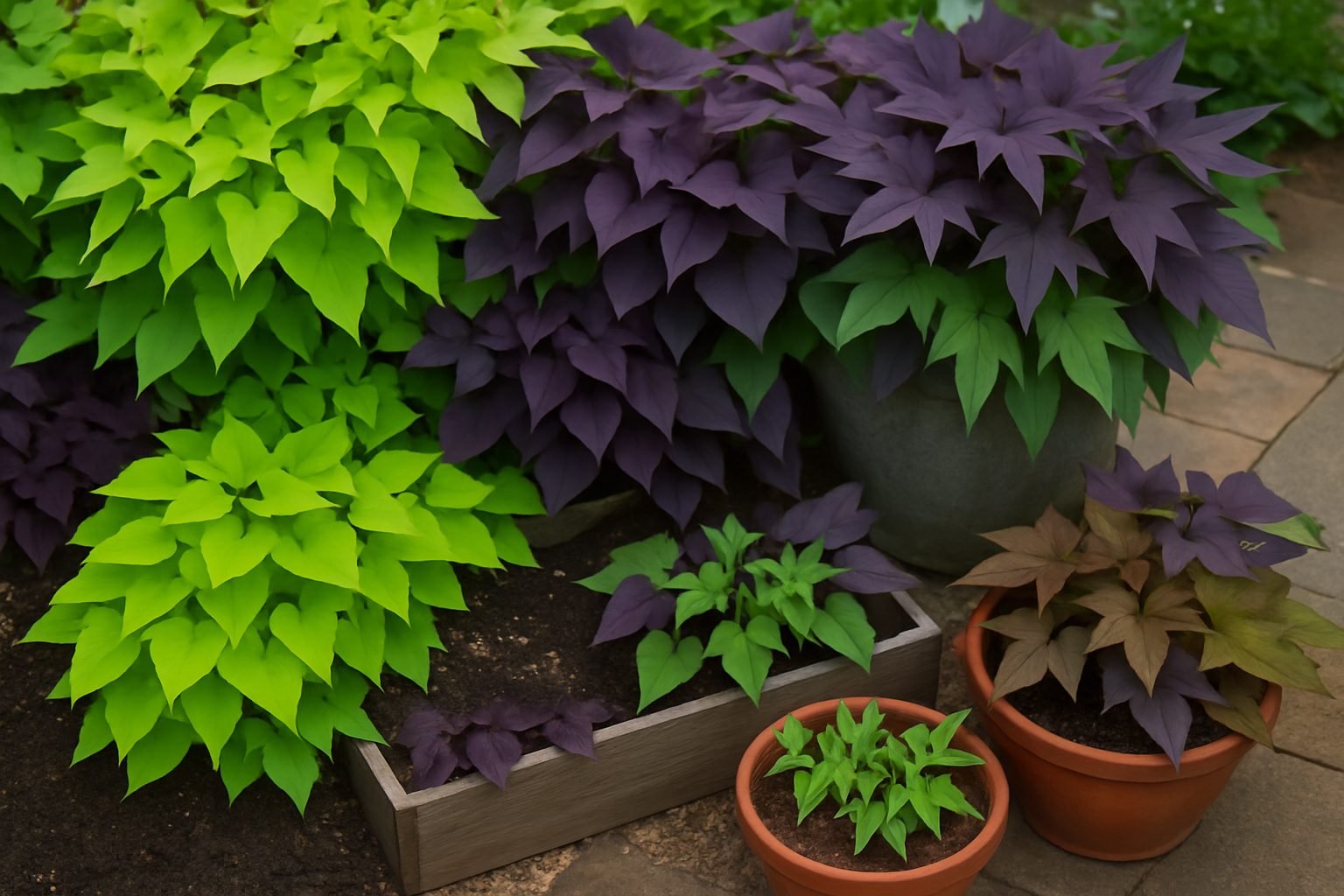
If you’re searching for answers about sweet potato vine problems, you’re already familiar with the dazzling appeal of the ornamental sweet potato vine—those lush, heart- or deeply lobed leaves that spill effortlessly from window boxes and hanging baskets. Unlike the edible tuber-producing varieties, these vines are prized for their vibrant foliage, which comes in a spectrum of colors from bright chartreuse and deep purples to rich burgundies, sometimes even sporting dramatic variegated patterns.
Their trailing, spreading growth habit makes them a favorite for covering ground quickly or cascading over the edges of containers, adding texture and color wherever they grow. Gardeners love how these vigorous vines can transform patios, mixed flower beds, or even a plain wall into a showpiece. They thrive just as easily in garden plots as they do in pots or hanging baskets.
But when healthy growth is replaced by stunted leaves or discolored stems, it’s frustrating—especially when you know just how captivating the sweet potato vine can be at its best. Let’s explore the basics of care and common issues so you can keep your sweet potato vine lush, vibrant, and problem-free all season long.
Popular Types and Varieties
Ornamental sweet potato vines are celebrated for their dramatic foliage, offering a palette that ranges from bright chartreuse to deep purples and bronze shades. One of the most popular varieties, ‘Marguerite’, stands out with vivid lime-green leaves that bring instant brightness to shady corners or mixed containers.
In contrast, ‘Blackie’ features striking, deeply lobed leaves in an almost black-purple hue, perfect for adding depth and a moody touch to garden beds or hanging pots. Another favorite, ‘Sweet Caroline Bronze’, sports unique bronze-colored leaves and compact growth, making it a versatile choice for small spaces or as a trailing accent in planters.
The ‘Sweet Caroline Raven’ variety also delivers bold, nearly black foliage but with a finer texture and more delicate leaf shape compared to ‘Blackie’. For gardeners who prefer a more classic look, ‘Tricolor’ offers a splash of cream and pink variegation over green leaves, ideal for mixing with other pastel bedding plants.
When choosing the right variety, consider your intended use:
- Vining, fast-growing types like ‘Marguerite’ and ‘Blackie’ quickly fill large beds or spill beautifully over retaining walls, making them top picks for groundcover.
- Compact or mounding varieties such as ‘Sweet Caroline Bronze’ work well as colorful fillers in containers or window boxes where space is limited.
Leaf shape is also important: deeply lobed varieties create a more dramatic effect, while heart-shaped types offer a softer, classic appeal. Mixing several varieties can add texture and visual interest to any garden design, but for a bold impact, opt for clusters of a single standout type.
Remember, all ornamental sweet potato vines thrive in full sun to part shade and are prized for their low maintenance, making them an easy choice whether you’re crafting a lush landscape or designing vibrant patio planters.
Planting and Growing Conditions
For healthy, vibrant vines, aim to provide a site with full sun—at least six hours of direct sunlight daily—though many vine varieties can also tolerate partial shade if needed. Choose a location with well-draining, fertile soil; amending heavy clay or sandy areas with compost can significantly improve growth.
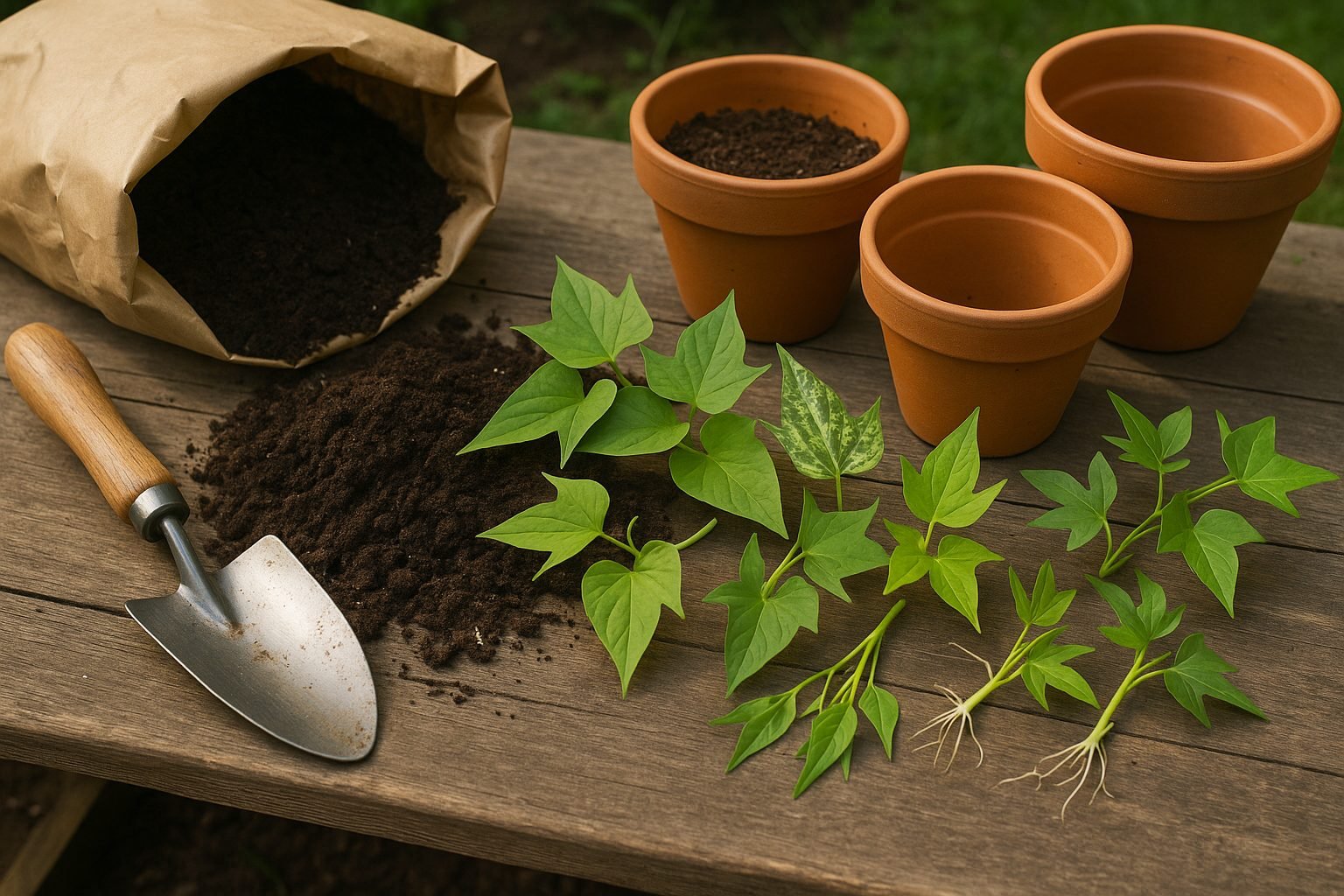
Vines thrive in moist but not waterlogged soil, so consistent, even watering is key, especially during the first growing season as roots establish. For garden beds, begin by loosening the soil to a depth of at least 12 inches and mixing in organic matter. Dig a hole twice as wide as the root ball, remove the plant gently from its pot, and position it so the crown is level with the soil surface. Backfill with soil, firm it gently, and water thoroughly.
In containers, pick a pot with drainage holes and fill it with high-quality potting mix; plant at the same depth as it was in the nursery container and water in well. Spring is generally the best time for planting—after the danger of frost has passed—so roots can develop before the heat of summer.
Space vines according to their mature spread, usually 12 to 36 inches apart; check the label for specifics. To retain moisture and reduce weeds, add a two-to-three-inch layer of mulch around the base, keeping it a few inches away from the stems to prevent rot.
During the growing season, water deeply once or twice a week, letting the soil dry slightly between waterings—avoid frequent shallow watering, which leads to weak roots. Fertilize with a balanced, slow-release plant food in early spring, and if growth seems sluggish, supplement with liquid feed mid-season.
Regularly guide shoots to their supports for even coverage and prune as needed to promote airflow. With attention to these details, your vines will flourish with lush foliage and abundant blooms or fruit.
Essential Care and Maintenance
Caring for a sweet potato vine is simple with a few thoughtful routines. Water your vine when the top inch of soil feels dry to the touch—usually every 3-5 days during warm months and less often in cooler seasons. Always use pots with drainage holes to prevent soggy roots.
Overwatering is a common issue; watch for yellowing leaves or mushy stems, which signal excess moisture. If you notice these signs, adjust your watering schedule or improve drainage.
Feed your vine monthly from spring through early fall with a balanced liquid fertilizer diluted to half strength. Skip fertilizing in winter when growth slows down.
Pruning and Propagation
To keep your sweet potato vine bushy and tidy, pinch or trim back leggy stems just above a leaf node. This encourages the plant to branch out and stay compact. Controlling its spread is as simple as regular pruning, especially for vines grown in small spaces or containers.
If you want to propagate new plants, snip a healthy 6-inch stem just below a leaf node. Remove the lower leaves and place the cut end in a jar of water—roots will appear within a week. Once they’re about an inch long, you can plant the cutting in soil.
Potting and Overwintering
Potting is flexible; choose a roomy container with good drainage and use a light soil mix. Repot your vine every 1-2 years or when roots become crowded, ideally in early spring.
Sweet potato vines can’t survive freezing temperatures. If you live in a cold climate, move pots indoors before frost or take cuttings to overwinter on a sunny windowsill until spring.
With these simple steps, your sweet potato vine will remain healthy, lush, and easy to enjoy year-round.
Dealing with Pests, Diseases, and Common Problems
Keeping your plants healthy means staying vigilant against common pests and diseases. Aphids and spider mites often appear as tiny clusters on leaves or stems, leaving behind sticky residue or fine webbing. You can remove them by spraying with a gentle solution of water and mild soap, or use neem oil as a safe, natural deterrent.
Fungal problems like powdery mildew and root rot may show as white, powdery spots or mushy, brown roots. Reduce risk by watering the soil directly, avoiding leaf wetness, and ensuring good airflow around your plant. If disease strikes, trim affected leaves promptly and consider applying a fungicide labeled safe for houseplants.
Environmental stresses can also mimic signs of pests and disease. Drooping leaves might signal underwatering, overwatering, or even a sudden change in temperature. Discoloration, such as yellowing, may indicate nutrient deficiencies or too much direct sunlight.
To address these issues:
- Check soil moisture with your finger before watering.
- Rotate your plant every week for even light exposure.
- Make sure it’s not in the path of cold drafts or intense afternoon sun.
Regularly inspect leaves and stems, and don’t be afraid to quarantine a suffering plant until you identify the cause. Small, consistent care steps—like cleaning leaves, repotting when roots outgrow their pot, and fertilizing during active growth—will make your plant more resilient to everyday problems. Catching and treating issues early keeps your plant healthy and your space vibrant.
Creative Uses and Landscape Ideas
Sweet potato vine is a versatile and eye-catching addition to any garden, thriving in both sunny and partially shaded spots. Its vibrant, heart-shaped leaves—ranging from chartreuse to deep purple—make it a perfect choice for a variety of creative landscaping projects.
For a striking border edging, plant sweet potato vines along pathways or garden beds; their fast-growing, trailing habit quickly softens hard lines while adding lush color. In mixed container arrangements, pair the vine with upright or flowering plants like petunias, coleus, or tall grasses for a dynamic, layered look.
Another great idea is companion planting: sweet potato vine complements sun-loving blooms such as lantana, marigold, and salvia, while also thriving alongside shade-tolerant companions like impatiens and hostas.
To create a focal point, let sweet potato vines cascade from a hanging basket or a tiered planter, placing them where their dramatic foliage can steal the show. Try mixing foliage colors and textures—combining chartreuse ‘Marguerite’ with the deep burgundy ‘Blackie’ and silvery dichondra creates a spectacular contrast in your beds or containers.
For edible landscapes, use sweet potato vines at the feet of taller vegetables or sunflowers, where they’ll suppress weeds and cover bare soil.
Whether your style is cottage-inspired or modern, this adaptable plant amps up the aesthetics by filling gaps and providing a burst of color throughout the season. With regular trimming, it’s easy to manage their spread and keep garden designs clean and intentional.
Ultimately, sweet potato vine’s ability to thrive in diverse light conditions and its playful combinations with other plants make it a must-have for gardeners looking to enhance both beauty and texture in any outdoor space.
Frequently Asked Questions
Many beginners wonder if their chosen plant is edible—not all container-friendly plants are safe for consumption, so always double-check the plant species before tasting.
Choosing the right container is crucial; generally, bigger is better. Aim for at least 12 inches in diameter for most herbs and vegetables to allow healthy root growth.
If your plant isn’t blooming, check the light levels—most flowering plants need 6+ hours of sunlight. Try moving it to a sunnier spot and avoid over-fertilizing, which can lead to lush leaves but no flowers.
When overwintering, hardy varieties may only need mulch or a move to a sheltered area, while sensitive plants often require being brought indoors near a sunny window.
Be aware that some plants, such as mint or certain ornamental grasses, can become invasive even in containers. Trim aggressively and occasionally repot with fresh soil to keep them contained.
Always read gardening tags or guides specific to your plant for the best results, and don’t hesitate to experiment as you find what works for your unique space.