Introduction
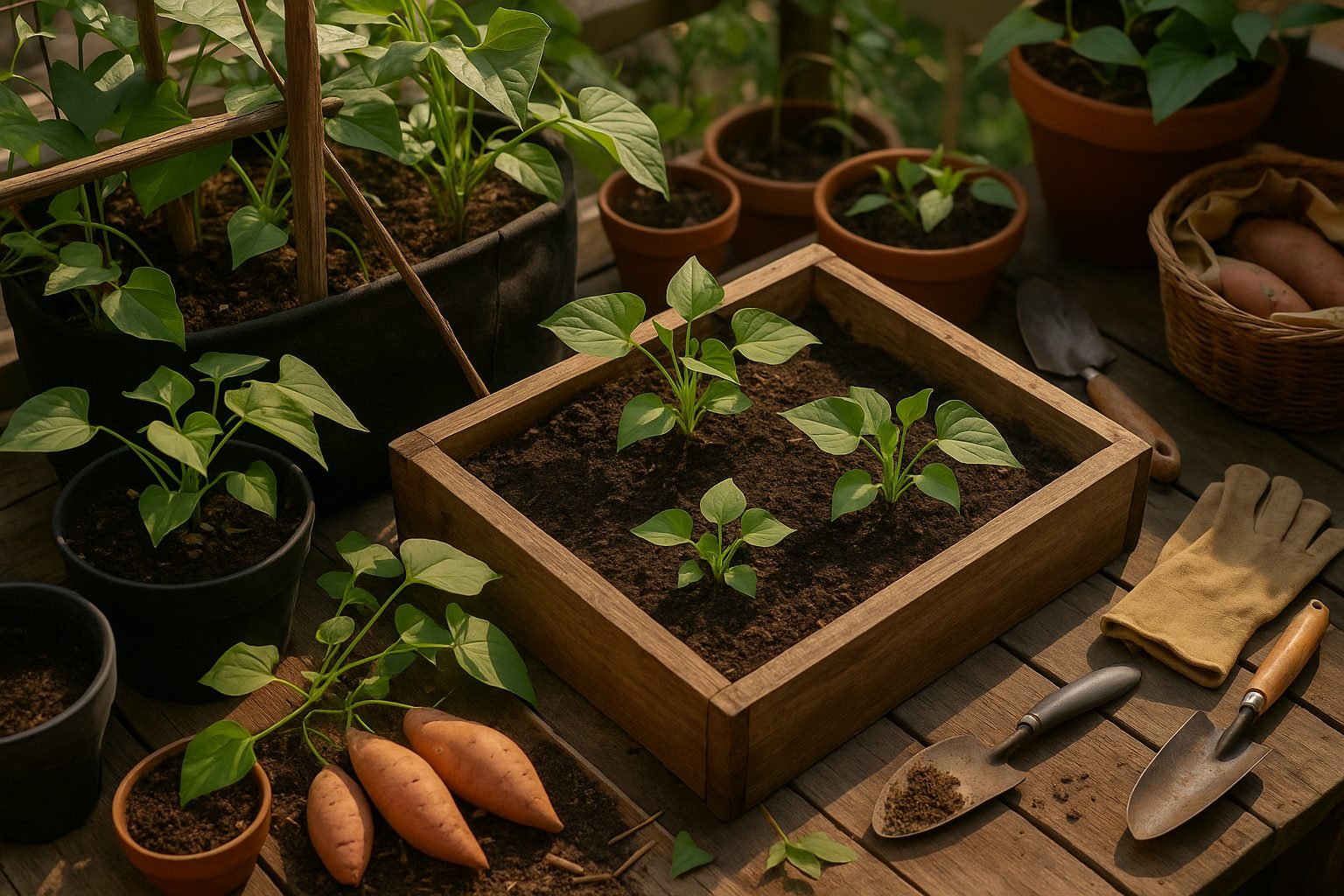
Sweet potato small space growing is quickly becoming a favorite solution for urban gardeners who want both beauty and bounty. Sweet potato vines are loved not only for their nutritious roots but also for their heart-shaped leaves and vibrant green or purple foliage, making them popular as both ornamental plants and food sources. However, if you live in an apartment or have a backyard that’s barely more than a patio, the sprawling nature of these vines can be challenging.
The good news? With the right training techniques, you don’t need to sacrifice precious space to enjoy lush sweet potato greenery and even harvest homegrown tubers. In this post, we’ll explore clever, space-saving methods to guide sweet potato vines upward or along compact supports. Whether you have a sunny balcony, a tiny garden bed, or a few containers on your windowsill, you’ll find tips to encourage healthy, attractive growth without letting your sweet potato patch run wild. Get ready to transform even the smallest space into a sweet potato haven!
Choosing the Right Sweet Potato Variety
When considering sweet potato small space growing, selecting the right variety is key to maximizing both your yield and enjoyment. Compact or bush types like ‘Bush Porto Rico’ and ‘Vardaman’ are specifically bred for limited growth, making them ideal for container gardens, patios, or sunny balconies. These edible varieties produce delicious tubers and, with proper care, stay manageable without sprawling uncontrollably.
On the other hand, ornamental sweet potatoes, such as those in the Ipomoea batatas family like ‘Marguerite’ or ‘Blackie,’ are valued mainly for their striking foliage in shades of chartreuse, purple, or variegated patterns. While these ornamental types generally yield smaller, sometimes inedible roots, they add instant visual appeal to small garden spaces and hanging baskets.
If you’re growing sweet potatoes for food, choose recognized edible varieties with a compact or bush habit. These fit well in containers as small as five gallons, provided they receive full sun and have well-draining, loose soil. For visual interest, ornamental varieties do well in window boxes or vertical planters, but keep in mind they won’t produce harvestable tubers like their edible counterparts.
When purchasing sweet potato slips (young plants), look for ones with healthy, vibrant leaves and a strong root system. Avoid slips that show signs of wilting, dark spots, are tightly packed, or have tangled roots, as they may struggle to thrive once transplanted. Starting with robust slips gives your small-space sweet potato garden the best chance for success, whether you’re growing for an edible crop or colorful foliage.
Prepping Your Space — Containers, Supports & Essentials
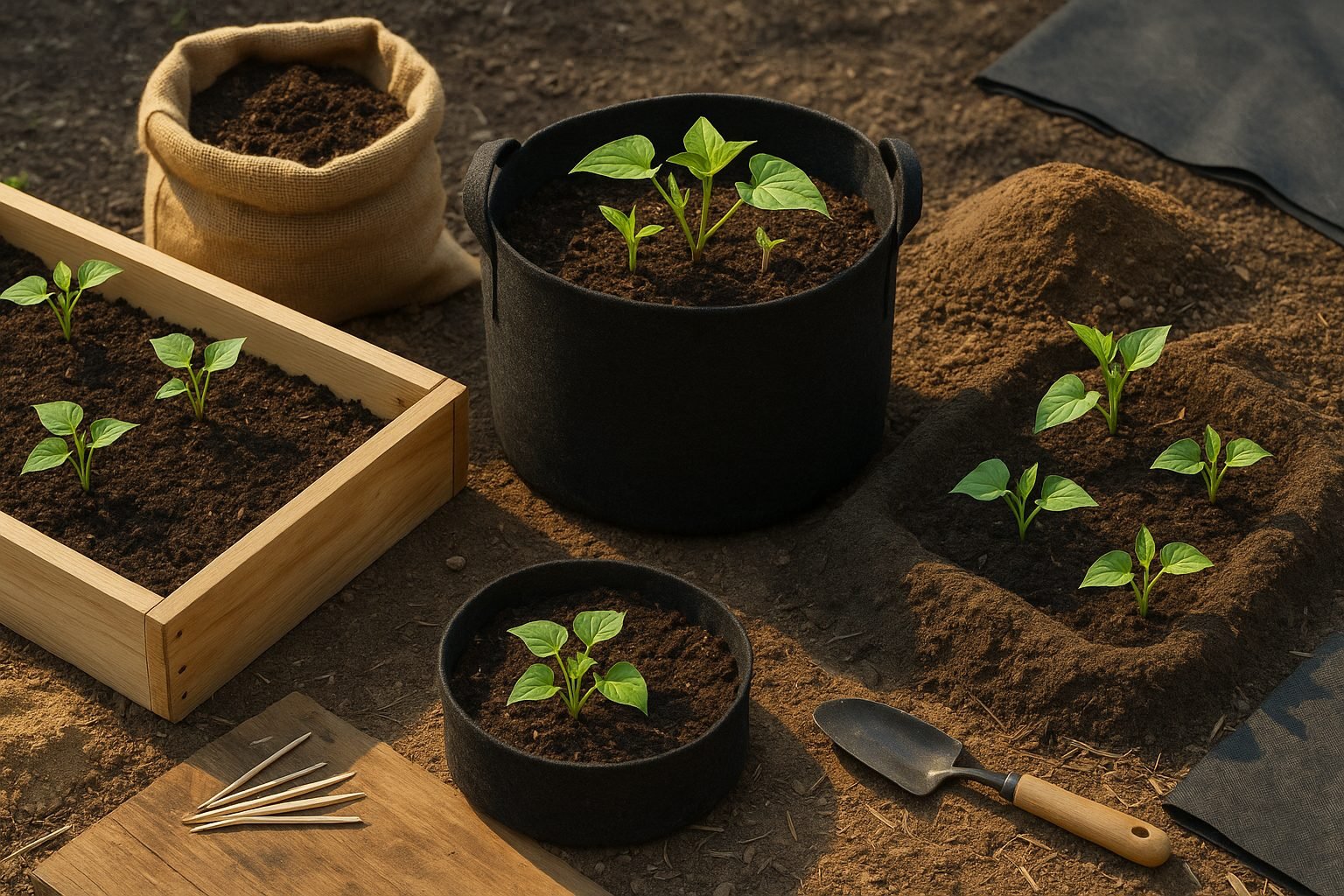
For successful sweet potato small space growing, the right setup makes all the difference. When choosing containers, opt for pots or grow bags that hold at least 15–20 gallons of soil per plant—about 18 inches in diameter and depth is ideal for both root and vine development. Fabric grow bags are especially great because they offer breathability and built-in drainage, which sweet potatoes love. Plastic and ceramic pots work well too, as long as they have plenty of drainage holes to prevent waterlogged roots.
Since sweet potato vines love to climb, vertical supports help maximize yield and add visual appeal in tight spaces. Consider installing a sturdy trellis in your container—wooden lattice panels, metal grid trellises, or even repurposed tomato cages give the vines something to cling to. On balconies or patios with walls, adhesive wall hooks paired with garden twine can guide wandering stems upward and keep foliage neat. For smaller setups, over-the-railing planters combined with simple bamboo stakes provide enough structure for light training.
A light, fluffy, and nutrient-rich soil mix helps these vigorous vines thrive. Start with a blend of two parts high-quality potting soil, one part compost or well-rotted manure, and one part coconut coir or perlite for aeration. Avoid heavy garden soil—it tends to compact and hold too much moisture. Good drainage is critical; ensure containers have multiple holes and consider adding a layer of coarse gravel or broken pottery at the bottom to protect roots from sogginess.
Place your containers in a sunny spot—sweet potatoes prefer at least six to eight hours of direct sunlight daily. South- or west-facing patios, balcony ledges, or rooftop gardens usually provide the ideal exposure for these sun-loving vines. Rotate containers every few weeks if the light is uneven to encourage lush, even growth. With the right preparation, your small space can become a productive home for sweet potato beauty and bounty.
Planting Techniques for Limited Areas

Growing sweet potatoes in small spaces is not only possible but can also be highly productive with the right techniques. Start by selecting a large container—ideally at least 15-20 gallons and 12-18 inches deep—to give the tubers plenty of room to develop. Fill your pot or raised bed with loose, well-draining soil enriched with compost.
If you have a small garden bed, plant sweet potato slips about 12 inches apart to minimize competition for nutrients. When planting slips (rooted cuttings), bury them so that at least two nodes are below the soil while the top leaves stay above the surface. This encourages strong rooting and healthy vine growth.
To maximize vertical space, set up a sturdy trellis or allow the vines to spill over a balcony or railing so the foliage can thrive without crowding nearby plants. Consider companion planting by adding shallow-rooted herbs or bush beans along the edges. These won’t compete with the tubers underground but can help shade the soil and deter pests.
For an innovative twist, try stacking two large containers: start your slips in the bottom one, and as the foliage fills out, place another container on top with cutouts for the vines to trail through. This method creates more growing space without taking up much additional ground area.
With these efficient sweet potato small space growing techniques, you can harvest a generous crop even on a patio or in a compact garden patch.
Training and Directing Growth for Sweet Potato Small Space Growing
Training sweet potato vines for small space growing is all about strategic guidance and gentle encouragement. Start by choosing strong, vertical supports like trellises, bamboo stakes, or even balcony railings—these will help you make the most of vertical space. As your vines grow, use soft plant ties, strips of old cloth, or rubber-coated twist ties to loosely secure the vines to the support. Avoid tying them too tightly to prevent stem damage; instead, create loose figure-eight loops that allow room for growth.
As the vines lengthen, gently weave or drape them along the support, redirecting runners to fill gaps and avoid overcrowding. Regular attention is key—check the vines every few days to adjust their direction or secure new growth. To keep your sweet potato plants bushy and manageable, pinch off the vine’s terminal bud when it reaches 12–18 inches. This encourages branching instead of endless stretching, resulting in fuller, lusher foliage.
Prune overly long vines by cutting just above a leaf node, which helps redirect energy into healthy growth and tuber production. When tangling occurs (common in tight spaces), gently untangle vines starting from the tips and working back toward the main stem. If you encounter breakage, trim off the damaged section cleanly, and if the piece is long enough, try rooting it in water to propagate a new plant.
Manage overgrowth by regularly trimming and preventing vines from smothering each other or their leaves. With consistent, attentive training and occasional pruning, your sweet potato small space growing journey will stay tidy, productive, and visually appealing—even on a compact balcony or patio.
Care and Maintenance for Healthy Vines
Proper care and maintenance are key to successful sweet potato small space growing. Start by establishing a consistent watering routine—sweet potato vines thrive in evenly moist, well-draining soil. Whether you’re using containers or small beds, check the soil moisture regularly, especially during hot weather, and water when the top inch feels dry. Avoid overwatering, as this can cause root rot; make sure your pots have drainage holes.
During the growing season, apply a diluted liquid fertilizer every 2–4 weeks. Choose one that’s low in nitrogen to prevent excessive leafy growth at the expense of tuber development. Keep an eye out for common pests such as aphids, spider mites, and whiteflies. For infestations, use insecticidal soap or neem oil, and consider sticky traps for problem areas.
Sweet potatoes need at least six hours of direct sunlight daily, so place your containers on a sunny balcony, patio, or windowsill. Rotate containers occasionally to ensure even light exposure. Since vines grow quickly and like to climb, provide a support system like a simple vertical trellis, obelisk, or taut string attached to a railing—perfect for small spaces. As the vines grow, gently wind tendrils around the supports and pinch off any excess growth to keep the plants tidy.
As the seasons change, bring your pots indoors before the first frost if temperatures drop below 50°F (10°C). Indoors, place them near a bright window, reduce watering, and stop fertilizing during winter dormancy. You can also overwinter tubers by trimming back the foliage once it dies, cleaning the tubers, and storing them in a cool, dry place until spring replanting.
With attentive care, you can enjoy lush, healthy sweet potato vines all year round, even in the smallest spaces.
Creative Ideas for Enjoying Sweet Potato Vines
Sweet potato vines are not just valued for their lush beauty—they can also be trained into stunning patterns that maximize your balcony or patio space. For sweet potato small space growing, try creating a living wall by attaching wire grids or trellises to vertical surfaces and training the vines to climb upward. This transforms a plain wall into a green tapestry that adds shade and visual interest.
Spirals are another playful option: simply wind the vines around a tall stake or obelisk, adding height and a sculptural touch to a small corner. Hanging baskets work beautifully too—let the trailing vines cascade gracefully over the sides or gently loop them back into the basket for a fuller effect.
If you’re growing edible varieties, selectively harvest tender leaves by snipping just a few from each vine weekly. This keeps the plant healthy and productive. For tubers, wait until the end of the season to carefully dig around the base, leaving some roots undisturbed to allow the plant to continue growing if desired.
Many urban gardeners prove that you don’t need a sprawling backyard to thrive. Some in-city growers use multi-tiered plant stands, repurposed shoe organizers, or wall-mounted baskets to maximize vertical space. DIY enthusiasts often build trellis ladders from scrap wood or create geometric frames from old metal rods, combining functionality with flair.
With a bit of creativity and regular care, sweet potato vines become a practical and playful feature for any compact outdoor space.
Conclusion
Training sweet potato vines for small space growing is all about smart planning and creativity. Start with compact containers, use vertical supports like trellises or stakes, and regularly guide the vines to keep them tidy and productive. Pruning and gentle redirection also help maximize both foliage and tuber growth in limited areas.
Remember, each setup is unique, so experiment with different techniques and enjoy watching your vines thrive! If you’re curious about more urban gardening tips, check out our related guides, and feel free to share your own experiences or questions in the comments below.