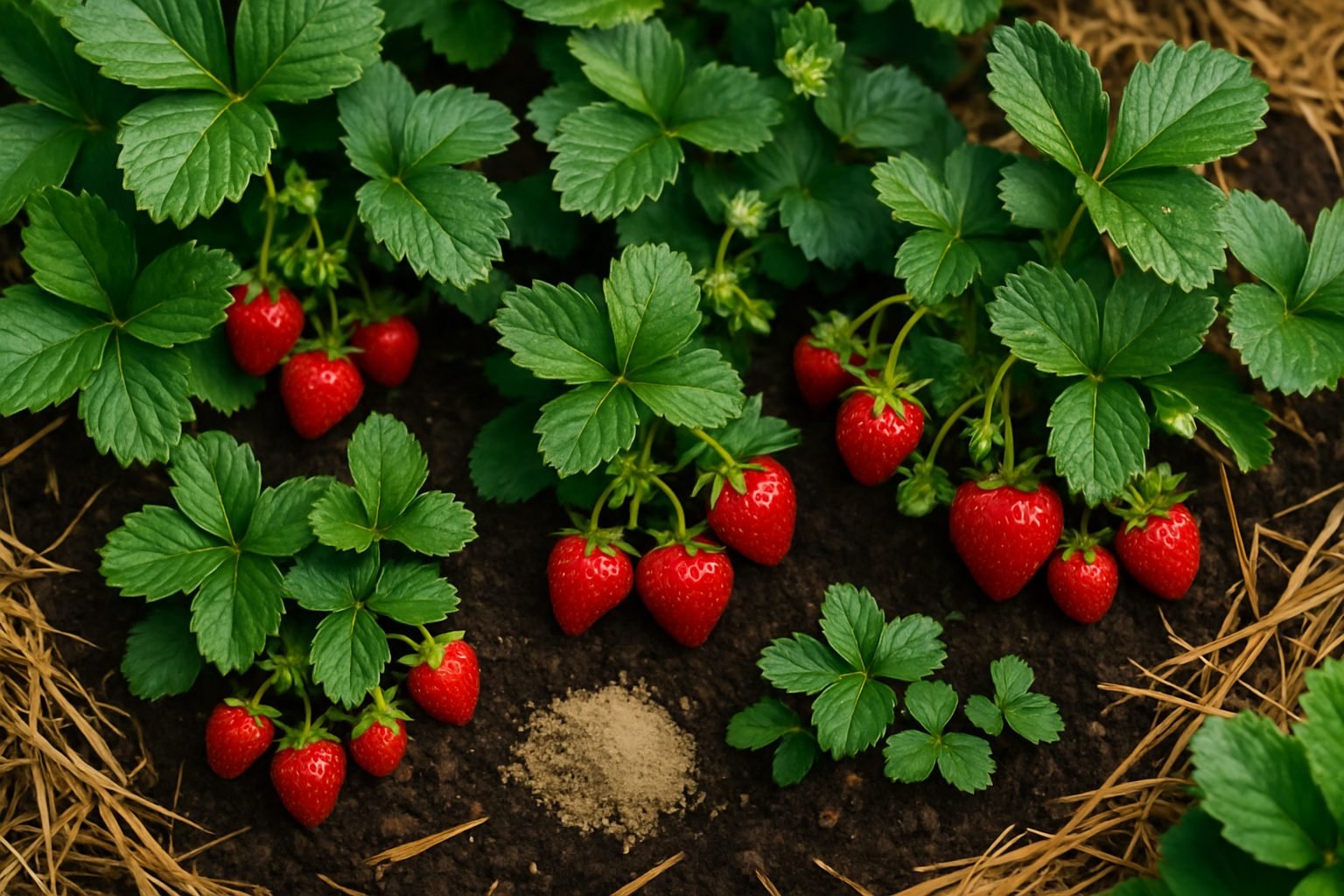
Understanding Strawberry Water Needs
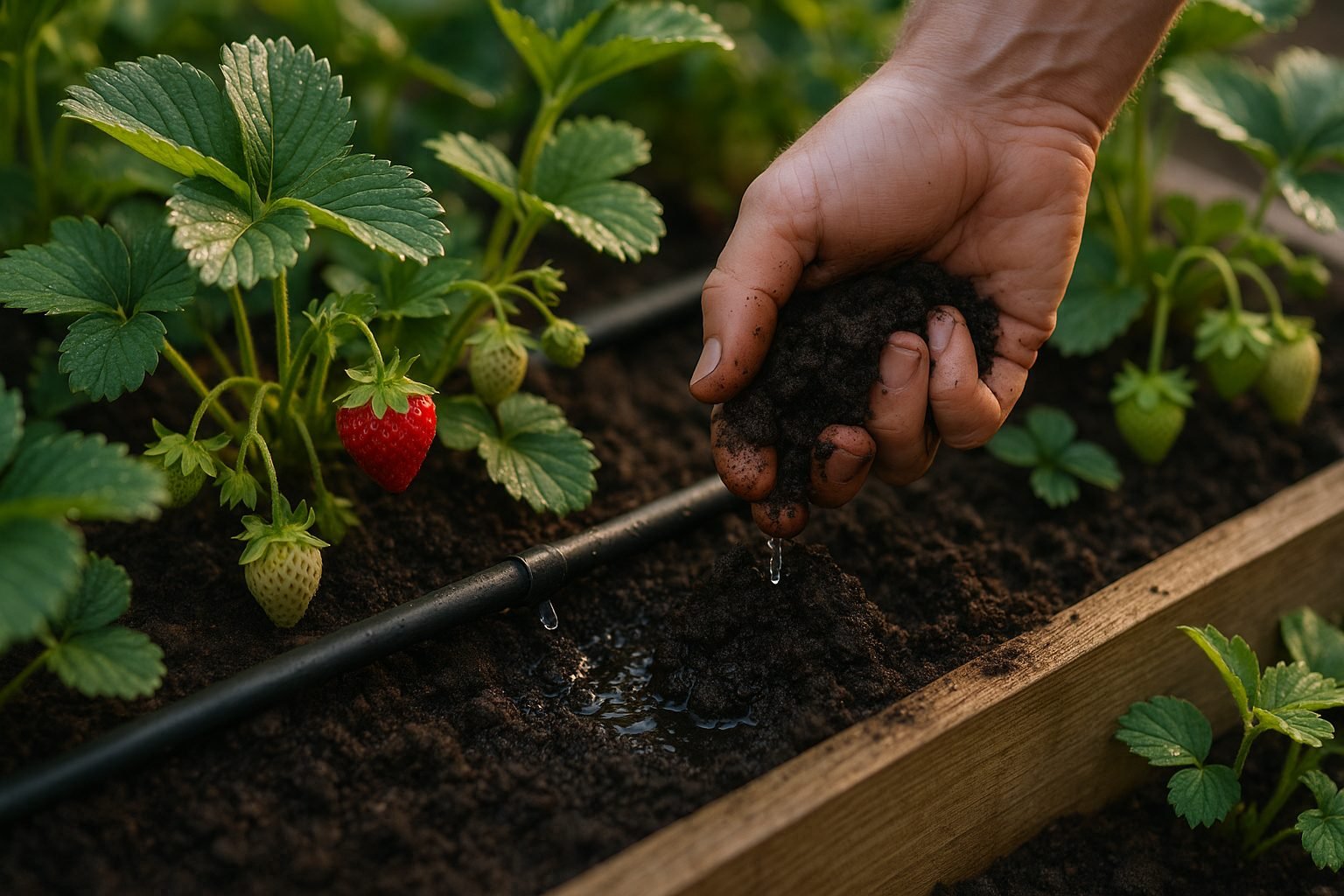
Knowing how often to water strawberries is key to nurturing a harvest that’s sweet, juicy, and abundant. Strawberries, with their shallow root systems, depend heavily on consistent moisture to reach their full potential—both in terms of lush foliage and plump, flavorful fruit. Without enough water, plants may wilt, their leaves turn dry and crisp, and the berries themselves stay small or develop tough skins. Too much or too little water, and you risk missing out on that perfect, vibrant crop.
For garden beds, strawberries generally require about 1–1.5 inches of water per week, delivered slowly and deeply to keep the root zone evenly moist but not soggy. Container-grown strawberries often need checking much more frequently—sometimes every day during hot spells—since pots dry out faster and strawberries hate to be parched.
It’s important to adjust your watering routine as strawberries transition through their growth stages. In early spring, when plants are just waking up and putting out new leaves, moderate watering helps establish healthy roots without saturating the cold soil.
As your strawberries enter their flowering and fruiting phases, their thirst spikes—they need steady, extra moisture to swell those berries and avoid splitting or poor development. During fruit production, keeping the soil evenly damp (never waterlogged) ensures the berries grow flavorful and full. On the flip side, be careful with overwatering, especially late in the season or in humid weather, which invites fungal issues and root rot.
An easy real-world trick: press your finger into the soil near your strawberry plants. If it feels dry an inch down, it’s time to water; if it’s still moist, hold off. Whether you’re growing strawberries in a backyard plot or on your patio in pots, uncovering the right watering rhythm is a rewarding step toward the sweetest results.
When and How Often to Water Strawberries
The best time to water strawberries is early in the morning, ideally just after sunrise, when temperatures are cooler and sunlight is gentle. This allows moisture to soak into the soil before the midday heat causes evaporation, and it also gives plant leaves time to dry, helping prevent fungal diseases like powdery mildew.
For most strawberry plants, aim to provide about one inch of water per week, but adjust the frequency based on your specific conditions. During hot summer months or especially dry weather, check your patch every couple of days and be prepared to water two to three times a week, especially for young transplants or newly fruiting plants. In cooler weather or for mature, established strawberries, once a week may be sufficient.
A simple way to check if it’s time to water is to stick your finger about an inch into the soil; if it feels dry at that depth, it’s time to give your plants a drink. Gardeners in sandy soil areas may need to water more often, while those with clay soil can usually wait a bit longer between watering.
Always aim to water at the base of the plants, keeping the leaves as dry as possible. This will help your strawberries thrive and reduce the risk of disease.
Factors Affecting Watering Schedule
The right watering schedule for your garden depends on several factors, starting with soil type. Sandy soils, for instance, drain water quickly and often require more frequent watering since moisture escapes fast. In contrast, clay soils hold onto water longer but can become compacted, making it easy to overwater and starve roots of oxygen. Loamy soil strikes a balance, retaining moisture without getting soggy, which is ideal for most plants.
Weather conditions also play a big role: hot, sunny days evaporate soil moisture quickly, meaning you’ll need to water more often, while cool, cloudy, or humid weather keeps soil damp for longer periods. Humidity can slow down evaporation, helping your garden stay hydrated; low humidity, on the other hand, dries out soil rapidly.
The physical structure of your garden matters, too. Mulch acts as a blanket, trapping moisture and reducing the need to water as frequently—using it around plants can make a big difference during hot spells. Raised beds may dry out more quickly than in-ground gardens, especially if they’re made from wood or metal that heats up in the sun.
Location is another key factor: gardens exposed to wind or full sun lose moisture faster than those in sheltered, partial-shade spots.
For best results, get to know your garden’s unique conditions and check soil moisture a few inches below the surface before watering. This combination of factors helps you avoid both under- and overwatering, keeping your plants healthier and saving water.
Best Techniques for Watering Strawberries
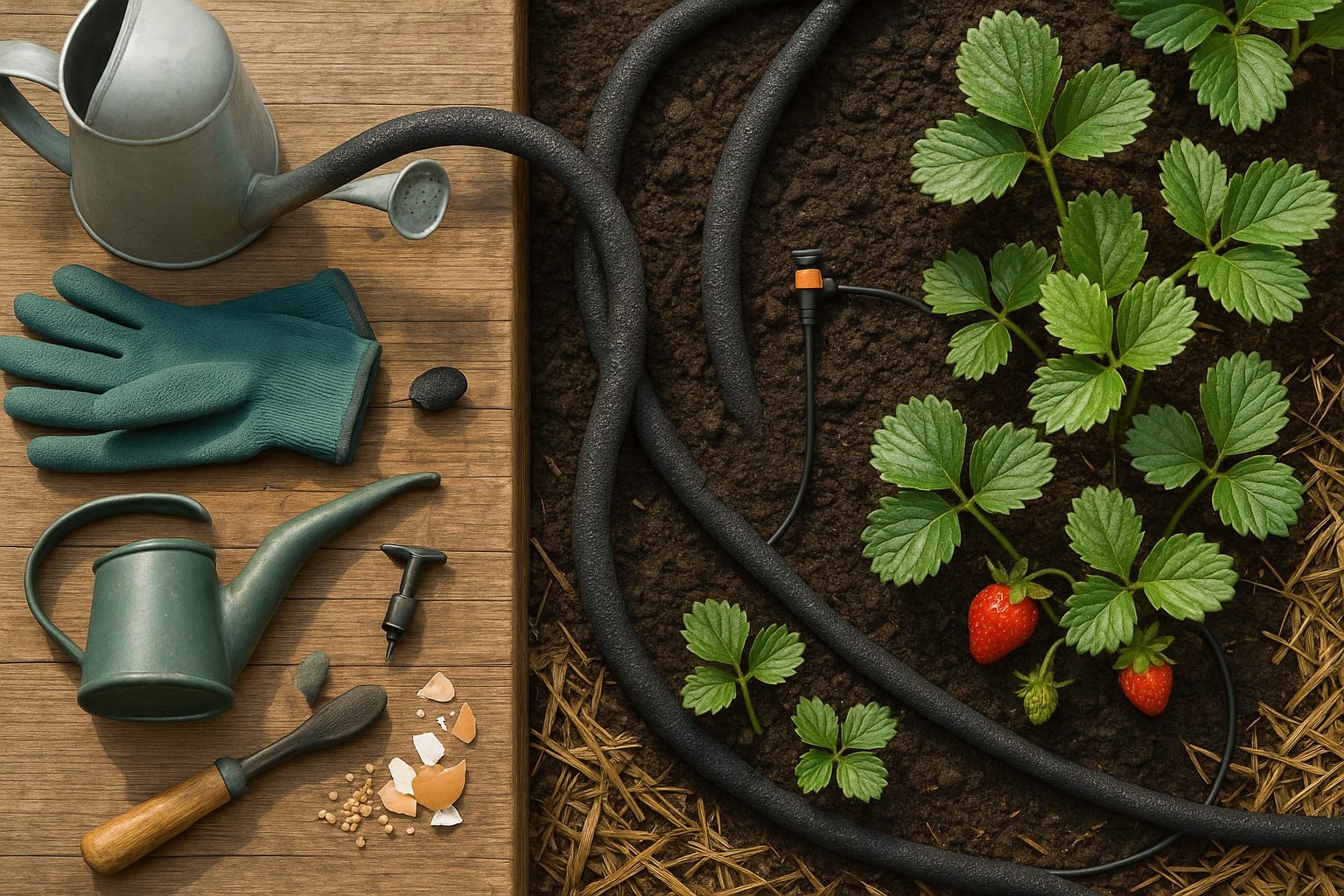
When it comes to watering strawberries, choosing the right method can make a big difference in plant health and fruit yield.
Hand watering is flexible and lets you control where the water goes, which is ideal for small gardens or containers. However, it can be time-consuming, and it’s easy to splash water on the leaves—something you want to avoid, since wet foliage encourages fungal diseases like powdery mildew.
Soaker hoses are a great middle ground; they slowly release water along their length and sit right on the soil, soaking roots efficiently without drenching the leaves. They’re well-suited for in-ground beds or long rows, though setup can be tricky in oddly shaped beds.
Drip irrigation is the gold standard for strawberries, especially for larger patches. It delivers water right at the soil line, exactly where strawberry roots need it most, and keeps leaves bone dry, greatly reducing the risk of disease. However, installing a drip system costs more upfront and requires some planning.
No matter which method you use, always water early in the day to prevent extra moisture from lingering overnight on fruit or foliage.
For strawberries in containers, hand watering with a small spout or a gentle showerhead works best—just aim directly at the base of each plant.
In raised beds or traditional rows, lay soaker hoses or drip lines alongside plants and cover with mulch to help retain moisture and prevent evaporation.
Consistent soil moisture yields juicier strawberries and healthier plants, so keep an eye on soil dampness and adjust your routine as temperatures rise.
Recognizing Signs of Overwatering and Underwatering
Spotting the difference between overwatering and underwatering your strawberries can be tricky, but keeping an eye on a few key signs makes it much easier. If your strawberry plants show yellowing leaves, limp stems, or persistently soggy soil, you’re likely dealing with overwatering—especially if you notice a faint, unpleasant odor hinting at root rot.
Sometimes, the leaves might even droop or wilt despite the soil feeling wet, a sure signal the roots are drowning rather than thirsting. On the flip side, underwatered plants look quite different: their leaves become dry, crispy, and may curl at the edges. You might also notice the berries fail to develop properly or remain small and shriveled. Wilting here often comes with bone-dry soil around the roots, not moisture.
To troubleshoot, gently dig into the soil about an inch down:
- If it’s very wet, ease up on watering and ensure your pots or beds have good drainage.
- If it feels dry, increase your watering schedule—especially during hot spells—and consider mulching to retain moisture.
Remember, the goal is consistently moist—never soaked or bone dry—soil. Observing your plants each week can help you make small, smart adjustments before bigger problems set in.
Tips for Healthy, Productive Strawberry Plants
Consistent watering is essential for healthy, productive strawberry plants because their shallow roots dry out quickly, especially during hot weather. Without regular moisture, strawberries may develop small, bitter fruit or fail to produce at all. Aim to keep the top inch of soil evenly damp but not soggy.
Mulching around the plants with straw or wood chips helps maintain that crucial soil moisture, keeps the berries clean, and even discourages weeds. Always take the local weather into account—hotter, windier days will demand more frequent watering, while cool, rainy periods might mean you can hold back a bit.
If you’re growing strawberries in a container, remember they tend to dry out faster than garden beds, so check them daily. Pay attention to the size of your plants and their growing space: larger, established strawberry patches have deeper roots and may need a different watering schedule than young starts.
Most importantly, take a few minutes each day to observe your plants. Yellowing leaves, drooping, or dry soil can be signals that it’s time to adjust your care routine. By staying attentive and flexible, you’ll give your strawberries the best chance for a bountiful, delicious harvest.