Choosing the Right Soil for Strawberries
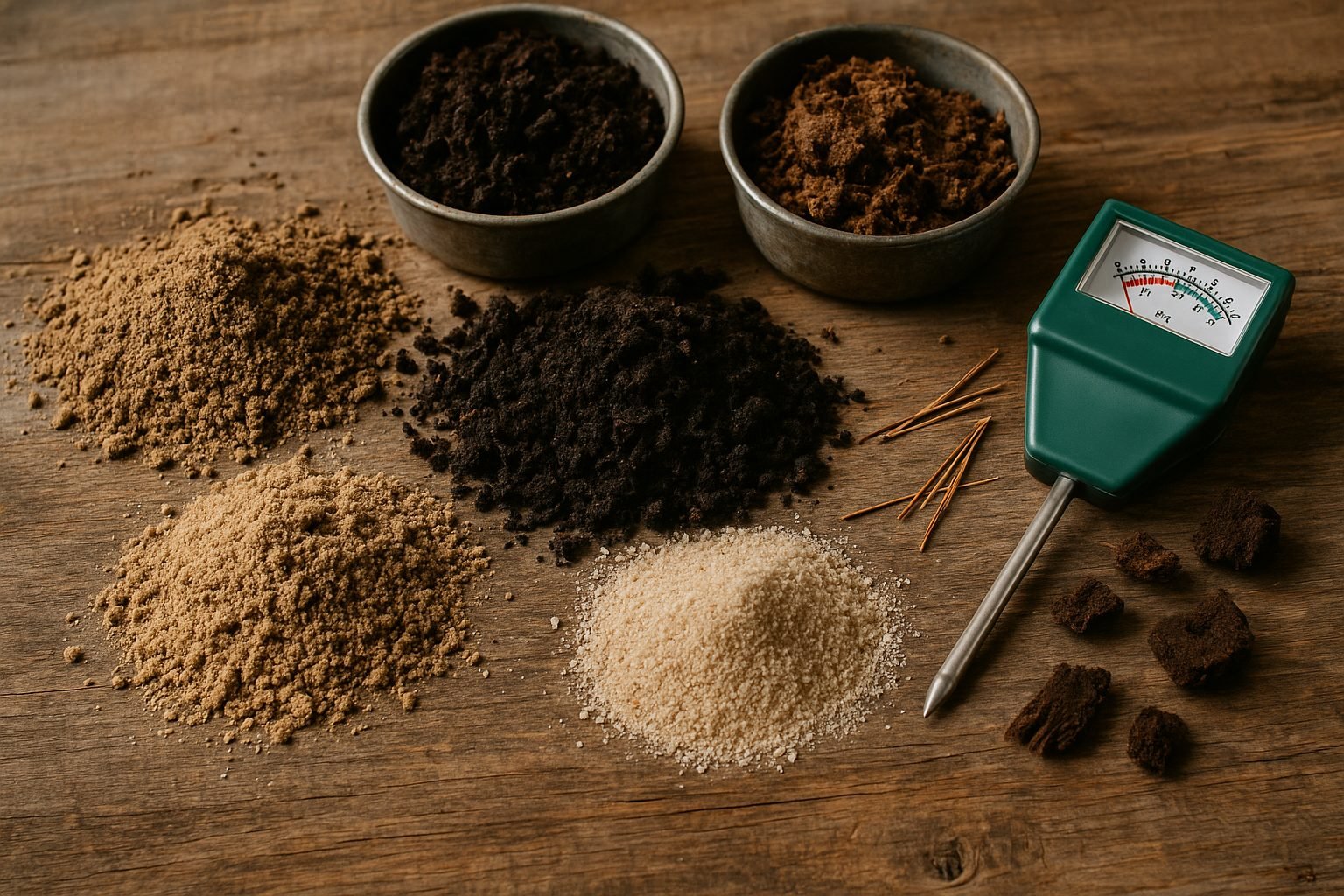
Finding the best soil for strawberries is the foundation of a sweet and successful harvest. Without the right soil mix, even the healthiest strawberry plants can struggle—yielding fewer berries, weaker growth, and more vulnerability to pests and disease.
So what makes the best soil for strawberries? These delicious fruits thrive in rich, loose, and well-draining soil that sits slightly on the acidic side, ideally with a pH between 5.5 and 6.5. Sandy loam is the golden standard, as it lets water drain freely while holding just enough moisture for the plants’ shallow root systems; heavy clay or compacted soils, meanwhile, suffocate roots and invite root rot.
The soil should also be loaded with organic matter: think compost, aged manure, or a high-quality bagged mix formulated for berries. This not only fuels lush growth and sweet fruit but also helps the soil stay light and aerated. If you’re making your own DIY mix, combine garden soil with generous amounts of compost and some coarse sand or perlite to improve drainage.
Store-bought options often list “for berries” or “for acid-loving plants”—always check the label for these hints. When you invest in the best soil for strawberries, you’ll notice sturdier plants, bigger berries, and fewer problems with wilting or disease. In contrast, poor soil—too dense, dry, or lacking nutrients—means pale leaves, fewer blossoms, and not much fruit come picking season.
Ultimately, treating your strawberries to the right soil is an easy, one-time effort that pays off year after year in plump, juicy berries and healthy, robust plants.
Essential Soil Characteristics for Strawberries
For the healthiest and most productive strawberry plants, start by focusing on soil texture—strawberries thrive best in loam or sandy loam soils. Loam is prized for its perfect balance of sand, silt, and clay, providing a mix that holds nutrients and moisture but still drains well. Sandy loam has a slightly higher sand content, which adds excellent drainage while retaining enough moisture for steady root access.
Avoid heavy clay soils; they tend to trap water and can suffocate roots. Purely sandy soils can dry out too quickly, stressing young plants. For the most robust growth, aim for slightly acidic soil with a pH between 5.5 and 6.5. You can easily check this with an inexpensive home pH test kit—if your soil is outside this range, amend it with garden lime to raise the pH or sulfur to lower it.
Proper drainage is absolutely critical; strawberries dislike “wet feet” and are quick to succumb to root rot in soggy conditions. If you have naturally heavy soil, consider planting strawberries in raised beds to boost water movement and root aeration. Incorporating generous amounts of organic matter, such as compost or well-rotted manure, further enhances soil structure and fertility.
This not only feeds strawberry plants but also encourages beneficial microorganisms that keep roots healthy. Furthermore, a crumbly, well-aerated soil structure helps roots expand freely and access oxygen, water, and nutrients more efficiently—key for supporting vigorous growth and abundant fruit.
Regularly adding organic matter also keeps the soil loose and prevents compaction, which is especially important if you walk between rows or use tools around your strawberry patch. Ultimately, taking the time to build and maintain optimal soil conditions pays off in sweeter berries, healthier plants, and less trouble with diseases.
How to Prepare Soil for Planting Strawberries
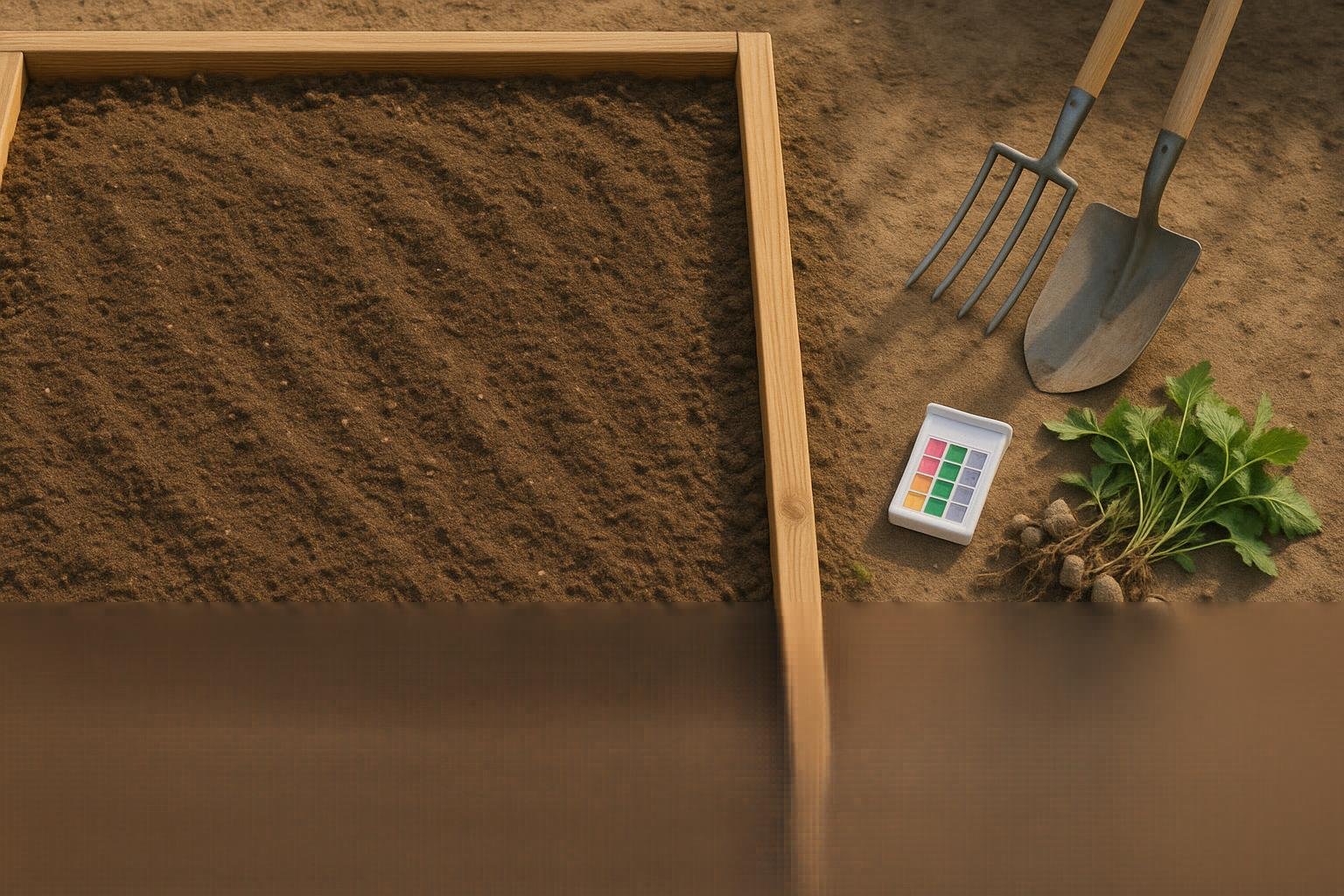
Preparing your soil before planting strawberries sets the stage for healthy, productive plants, whether you’re working with a garden bed or containers.
First, clear the area of any weeds, old plant debris, or rocks to prevent competition for nutrients and space. If you’re working in a garden bed, loosen the soil by tilling it to a depth of about 8–12 inches. This improves aeration and drainage—crucial for strawberry roots, which are prone to rot in soggy conditions.
For containers, fill them with a high-quality potting mix designed for fruiting plants, ensuring it drains well.
Next, test your soil’s pH using a simple home test kit or strips, which are widely available at garden centers. Strawberries thrive best in slightly acidic soil, with a pH between 5.5 and 6.5.
If your pH is too high (alkaline), lower it by mixing in organic materials like pine needles, peat moss, or elemental sulfur according to package directions. If it’s too low (overly acidic), add some finely ground agricultural lime.
With pH sorted, enrich poor or depleted soils by blending in two to three inches of well-rotted compost or aged manure; both add nutrients and enhance soil structure.
For particularly sandy or clay-heavy soils, work in organic matter like leaf mold or coconut coir, which increases water retention or drainage as needed.
Rake the amended soil smooth and consider building raised beds if drainage is a persistent issue.
Finally, let the prepared soil settle for a few days before planting, and give it a last check for weeds—pull up any stragglers by hand.
By investing extra effort at this stage, you’ll give your strawberry plants the healthy, rich foundation they need for robust growth and sweet, abundant harvests.
Fertilizing & Nutrient Management Strategies
Strawberries thrive when they receive a steady supply of essential nutrients, which can be divided into macronutrients and micronutrients. The macronutrients—nitrogen (N), phosphorus (P), and potassium (K)—support healthy leaf growth, strong root development, and vibrant fruit production. Strawberries also need smaller amounts of calcium, magnesium, and sulfur, plus micronutrients like iron, manganese, boron, zinc, and copper to prevent common deficiencies such as leaf yellowing or poor fruit set.
You can supply these nutrients in several ways:
- Synthetic fertilizers: These often come as balanced blends like 10-10-10 or strawberry-specific mixes, providing a quick nutrient boost and are easy to measure out.
- Organic options: Compost, well-rotted manure, fish emulsion, and bone meal gradually release nutrients, improve soil structure over time, and support healthy soil biology.
- Natural mineral sources: Some growers use greensand for potassium or rock phosphate for phosphorus.
Regarding fertilization schedules, strawberries benefit from a pre-plant fertilization—working nutrients into the soil before planting—but also need regular top-dressings as the season progresses, especially in early spring and just after flowering.
When using synthetic fertilizers, be mindful not to over-apply, as excess nitrogen can cause leafy growth at the expense of fruit. Organic fertilizers are generally gentler, reducing the risk of burning plants, but release nutrients more slowly, so consistency is key.
During the growing season, monitor your plants for signs of deficiency (like pale leaves or small fruit), and consider supplementing with foliar feeds if you notice problems—these are sprayed directly onto leaves for fast absorption.
Mulching with composted organic matter is another smart way to slowly replenish nutrients, retain soil moisture, and reduce weeds.
Finally, regularly test your soil so you know exactly what’s missing, rather than guessing. This way, you can tailor your nutrient management strategy to your garden’s unique needs and enjoy bigger, juicier strawberries all summer long.
Improving Soil Quality: Compost, Mulch, and Ongoing Care
Enriching your soil with regular additions of compost is one of the most effective ways to boost both fertility and structure for healthy strawberry growth. Compost not only adds essential nutrients that strawberries need—like nitrogen, phosphorus, and potassium—but also improves drainage and aeration, keeping the roots happy and well-oxygenated. Aim to spread a two- to three-inch layer of compost across your strawberry beds each spring and gently mix it into the top few inches of soil.
Alongside composting, mulching is a must. Using organic materials such as straw or shredded leaves forms a protective blanket that conserves soil moisture, suppresses weeds without chemicals, and shields delicate roots from temperature swings. Apply mulch after planting and replenish as needed, ensuring there’s a gap around plant crowns to prevent rot.
Ongoing Soil Care
Ongoing soil care is key to keeping strawberries healthy season after season. Water deeply and consistently, focusing on the root zone rather than overhead to minimize leaf diseases; early morning is the best time to water, allowing foliage to dry quickly. Each fall, remove spent mulch and debris to disrupt overwintering pests.
Test your soil every couple of years and amend it with organic matter if the pH drifts outside the ideal 5.5–6.5 range. Rotate strawberries to a new patch every three to four years to break insect and disease cycles. Watch for classic soil-related troubles like poor drainage—often responsible for yellowing leaves and root rot. If water pools after heavy rain, consider raised beds or mix sand and compost into heavy clay to boost drainage.
Dealing with Common Soil Pests and Diseases
Dealing with common soil pests and diseases means staying observant and proactive. Nematodes and root-feeding grubs can wreak havoc underground; if plants wilt unexpectedly or develop stunted growth, gently lift a specimen and inspect the roots for damage. Solarizing soil during a hot summer can reduce pest loads—cover the area with clear plastic for four to six weeks.
Fungal issues like Verticillium wilt can persist in soil for years, so dispose of infected plants and avoid replanting strawberries in the same spot. Finally, if you notice poor fruit set or strange leaf coloration, it could signal a nutrient imbalance or soil compaction; retest the soil and consider light tilling or adding more compost.
By staying attuned to your soil’s needs and making regular improvements, you’ll create a thriving home for your strawberries year after year.
Container Gardening and Common Soil Questions
For thriving container-grown strawberries, choosing the right soil mix is key—aim for a light, well-draining blend that holds moisture but never stays soggy. A top choice is a mix of quality potting soil, compost, and a little perlite or vermiculite to ensure good drainage. Avoid using heavy garden soil, which can compact and suffocate roots in containers.
If you’re tempted to use pure compost, remember that while it’s nutrient-rich, it’s usually too dense and can cause waterlogging, so always combine it with potting mix and drainage materials. Hydroponic growing is an option for strawberries and can deliver great yields, but it requires more equipment and careful monitoring of nutrient solutions—a rewarding challenge for gardeners who love experimenting with new methods.
Raised beds are also excellent for strawberries, especially if your garden soil is poor or space is limited. Fill the beds with a custom blend similar to container mixes for the best results.
To keep strawberries healthy in containers, fertilize every few weeks during the growing season with a balanced slow-release fertilizer or a diluted liquid feed—just avoid overdoing it, as too much nitrogen can lead to lots of leaves but fewer berries.
Common Fixes for Container Soil Problems
- Drill extra drainage holes
- Elevate pots on bricks or pot feet to prevent waterlogging
- Occasionally repot with fresh mix to avoid soil exhaustion
If space is tight, consider tiered planters or hanging baskets to maximize your harvest—even on balconies or patios.
Ultimately, success with container strawberries comes down to smart soil choices and regular care. Start with a breathable, rich mix, feed and water consistently, and your strawberries will reward you with sweet, homegrown fruit all season long.