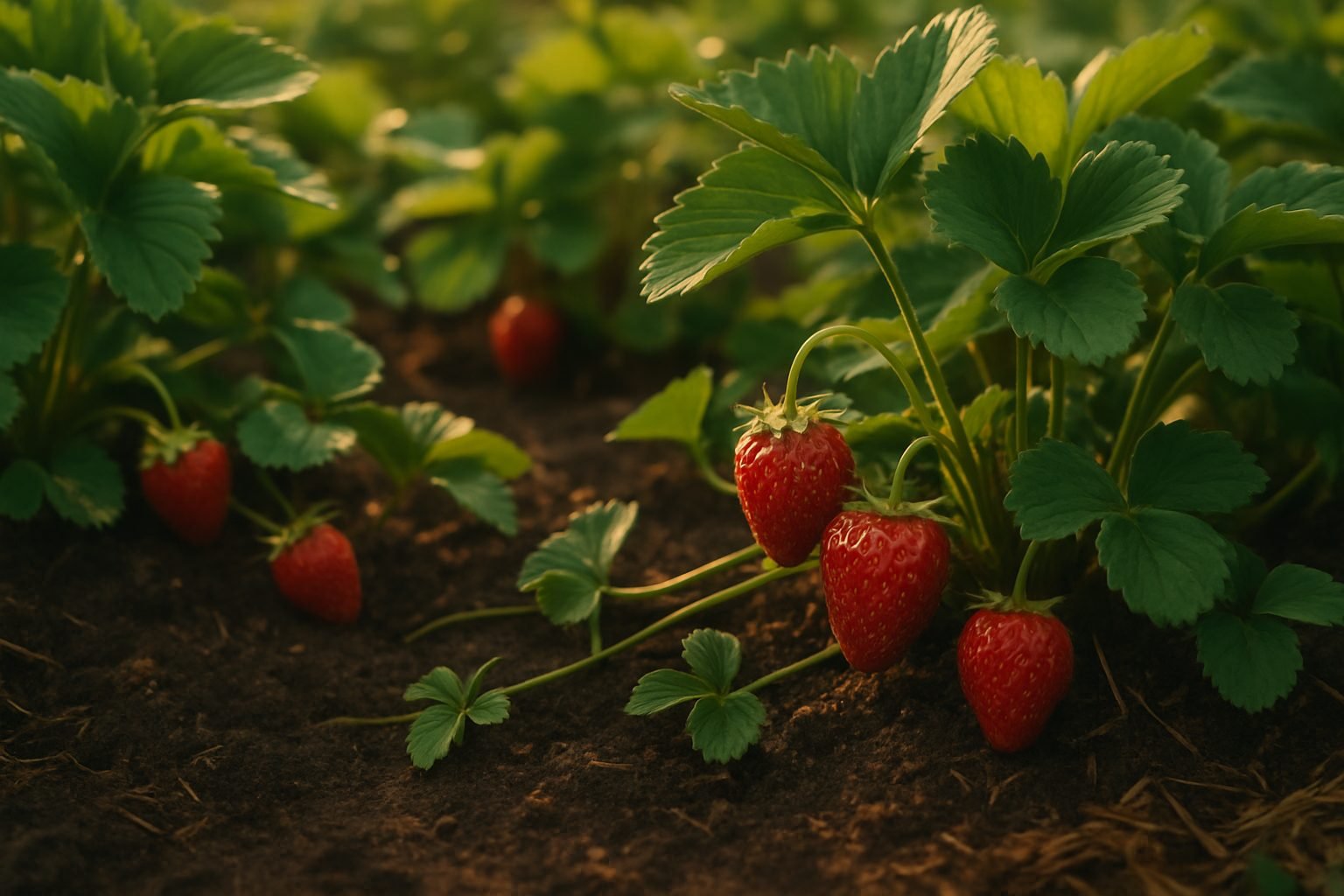
Essential Strawberry Basics
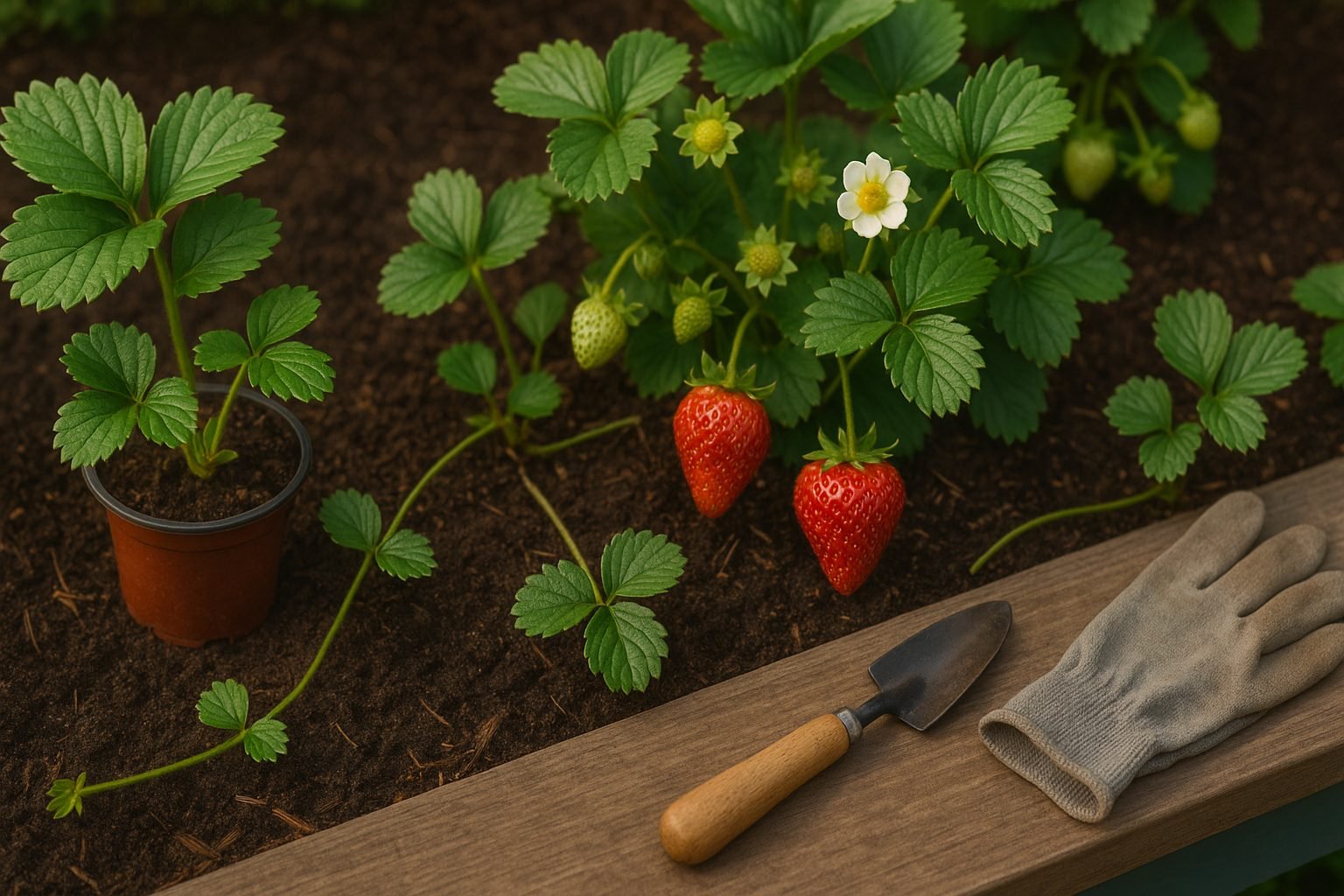
If you’ve wondered how to grow strawberries at home, you’re not alone—these sweet, juicy fruits are one of the most rewarding crops for beginner gardeners. Strawberries thrive in containers, raised beds, and traditional garden plots, making them a flexible and popular choice no matter your space or experience.
Before you plant your first berry, it helps to understand the basics—starting with the main types of strawberries. June-bearing varieties are known for producing one abundant crop each early summer, ideal if you’re dreaming of a bountiful harvest for jams or desserts. Everbearing strawberries deliver two to three smaller harvests—one in spring and another in late summer or fall—great for snacking throughout the warmer months. Day-neutral types are the true workhorses, fruiting continuously from late spring until frost, as long as temperatures stay moderate. Choosing the right type depends on your garden’s conditions and how often you want to pick berries.
Understanding the strawberry life cycle will help you set realistic expectations for your home harvest. After planting—either from bare-root crowns or young plants—strawberries spend their energy building strong roots and lush foliage. In their first year, many gardeners pinch off the blossoms to encourage a robust root system, leading to heavier yields in year two.
Flowers form, get pollinated (often with help from bees), and soon develop into tiny green berries that swell, turn white, and finally ripen into those classic red fruits. Throughout the growing season, strawberries send out runners—long stems that touch soil and form baby plants, allowing you to expand your patch naturally.
With a simple care routine—sunny location, well-draining soil, regular watering, and some mulch to keep weeds at bay—you’ll enjoy fresh berries and a productive patch for years to come. Homegrown strawberries not only taste sweeter, but growing them gives you an up-close look at the fascinating process from flower to fruit.
Choosing and Sourcing Strawberry Plants
When deciding how to start your strawberry patch, choosing between seeds, bare-root plants, runners, and potted plants can make a big difference—especially for beginners.
Growing from seed can be rewarding and offers a wide variety of options, but it requires patience. Germination can be tricky, and fruiting takes at least a year, so it’s best for gardeners who enjoy a challenge.
Bare-root plants are affordable and easy to mail order in bulk; they arrive dormant and, if planted early in spring, establish quickly. However, they require careful handling and immediate planting to avoid drying out.
Runners, also called “stolons,” are sections clipped from mature strawberry plants and are popular for home gardeners sharing starts. They transplant easily and clone the parent plant, but pests or diseases can carry over, so check for healthy stock.
Potted plants are the most foolproof option for beginners — they’re already growing with established roots and can produce fruit in the first season. However, they’re more expensive and often sell out quickly at garden centers.
For best results, source your plants or seeds from reputable nurseries or seed catalogs, preferably local to your region. This ensures the plants are disease-free and adapted to your climate. Time your purchase for early spring, just as nurseries receive fresh stock—ordering ahead reserves the best selections.
When selecting varieties, match your choice to your local climate and available space:
- June-bearing: Yield one big harvest, perfect for jams and freezing.
- Everbearing: Produce two or more crops for ongoing snacking.
- Day-neutral: Fruit continuously through most of the season.
Compact varieties work well in containers or small gardens, while sprawling types thrive in raised beds or traditional rows. Ask local gardeners or your county extension office for recommendations—they’ll know which types flourish in your area’s unique conditions.
Remember, healthy plants adapted to your space and needs are the key to baskets full of sweet, home-grown strawberries.
Soil Preparation and Planting
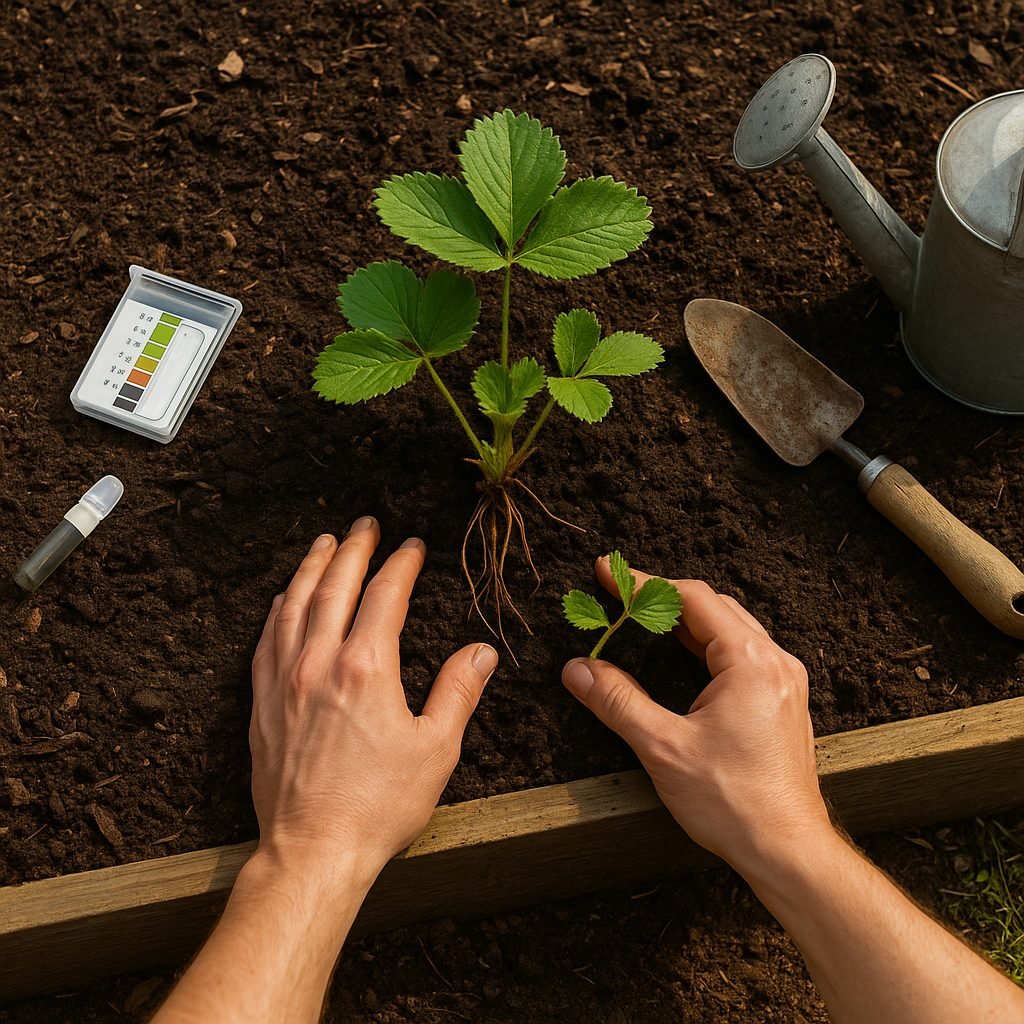
Getting your soil right is the foundation of a successful strawberry patch, whether you’re planting in the ground, raised beds, or containers. Strawberries thrive best in well-draining, loamy soil that’s rich in organic matter and maintains a slightly acidic pH between 5.5 and 6.5—this prevents nutrient lock-out and discourages common diseases.
Begin by testing your soil’s pH using a simple at-home kit; if it’s too acidic, incorporate a bit of garden lime, or if it’s too alkaline, mix in elemental sulfur. Good drainage is crucial, as wet roots lead to rot. For heavy clay soils, loosen the earth to at least 12 inches deep and mix in plenty of compost or well-rotted manure.
Raised beds can be a great solution for waterlogged yards. Fill them with a blend of topsoil, compost, and a small amount of sand or perlite for airiness. For in-ground beds, remove weeds and dig in two to three inches of organic matter like compost or leaf mold before shaping rows so water runs off and doesn’t pool around the roots.
Planting Strawberries
Planting strawberries takes a bit of care to set your patch up for strong growth and good yields. Space plants 12 to 18 inches apart in rows about 2 feet apart—this allows each plant room to spread and air to circulate, reducing disease risk.
Dig a hole large enough for the roots to fan out, then set each plant so its crown (the point where leaves emerge) sits right at soil level—not buried or exposed. Planting too deep causes rot, while too shallow leads to drying out. Firm the soil gently around the roots and water well.
A common mistake is overcrowding; crowded plants compete for light and nutrients and invite pests, so resist the urge to squeeze them in. Mulch with straw, pine needles, or shredded leaves to suppress weeds and keep fruit clean and dry, but keep mulch away from the crown to avoid rot.
Growing Strawberries in Containers
Even if you’re short on garden space, strawberries do well in containers—just choose a pot at least 12 inches wide with drainage holes. Use high-quality potting mix enriched with compost, and plant one to three strawberries per pot, making sure crowns are at soil level.
Hanging baskets or vertical planters help save ground space and let berries cascade for easy picking. Remember, container strawberries dry out faster than garden beds, so check soil moisture daily and water as needed, aiming to keep the soil consistently damp but not soggy.
With a little planning and the right setup, you can enjoy sweet homegrown strawberries almost anywhere.
Seed Starting & Propagation (Optional Path)
Growing strawberries from seeds can be rewarding, but it requires patience and the right technique. If you’re extracting seeds from fresh strawberries, gently mash a ripe berry and spread the pulp on a paper towel to dry. Once dry, rub off the seeds and store them in a cool, dry place.
Strawberry seeds need cold stratification to germinate well—simply place them in a damp paper towel inside a plastic bag in the refrigerator for about 2-3 weeks before planting. After stratification, sprinkle the seeds on the surface of moist seed-starting mix, barely covering them, and keep the tray in a warm spot with indirect sunlight. Expect germination in two to four weeks. Keep the soil evenly moist, but not soggy.
When the seedlings have at least two true leaves and all danger of frost has passed, transplant them outdoors, spacing them about 12-18 inches apart in nutrient-rich, well-drained soil.
Propagating Using Runners
Alternatively, you can propagate strawberries easily using runners or stolons—the long, leafless stems that grow from mature plants. Select healthy runners with small plantlets on the ends, let them root in the soil near the parent plant (pinning them down with wire or a small stone helps). Once well-rooted, snip the stems connecting them to the main plant and transplant to a new spot.
Using runners generally produces fruit-bearing plants more quickly than starting from seed. Both methods let you expand your strawberry patch; choose the one that best suits your patience and garden goals.
Everyday Plant Care & Problem Prevention
Caring for strawberry plants doesn’t have to be complicated—consistent attention goes a long way. Start by watering your strawberries early in the morning, soaking the soil while keeping the leaves dry to avoid fungal diseases. Aim for 1–1.5 inches of water each week, adjusting for rainfall.
Feed your plants with a balanced fertilizer or compost at the start of the season, then lightly top up after the first fruiting flush. Mulching with straw, pine needles, or shredded leaves helps keep roots cool, conserves moisture, and prevents weeds and soil-borne diseases from splashing onto the fruit.
To guard against pests and disease, check your plants weekly for signs of trouble like chewed leaves or gray fuzzy spots. Common pests include slugs, aphids, and spider mites—pick them off by hand or apply neem oil or insecticidal soap as needed. Protect ripening berries from birds and squirrels by laying lightweight netting over your beds.
You can also plant aromatic companions like basil, borage, or marigolds nearby to naturally repel pests and attract pollinators, boosting your harvest.
If your plants are fruiting poorly, make sure they receive at least six hours of sunlight daily and aren’t overcrowded—thin out runners and old foliage to improve airflow. Discolored or mushy berries might indicate overwatering, mineral imbalances, or fungal infections, so improve drainage and promptly remove affected fruit.
For stunted growth or yellowing leaves, test your soil for nutrient deficiencies, and refresh it with compost or organic amendments as needed. With these simple strategies, you can troubleshoot problems early and enjoy healthy, prolific strawberry plants all season long.
Harvesting and Storing Strawberries
Picking strawberries at their peak means looking for berries that are fully red with a glossy sheen and no green or white patches near the stem—ripe berries won’t ripen any further after harvest, so color is your best indicator. Gently grasp the stem just above the berry and pull with a slight twist to avoid bruising the fruit or damaging the plant.
For short-term storage, don’t wash strawberries until you’re ready to eat them. Keep them unstacked in a single layer on a paper towel-lined tray in the fridge for up to three days.
If you have a big harvest, freezing is simple:
- Hull and wash the berries.
- Spread them out on a baking sheet to freeze individually.
- Transfer to airtight freezer bags once frozen.
For those who like homemade treats, making strawberry jam is a rewarding way to preserve summer’s sweetness: simmer equal parts berries and sugar with a splash of lemon juice, then can according to safe home-canning guidelines.
After harvesting, support your strawberry plants for next year by snipping away spent leaves and run-down runners, keeping the bed weed-free, and adding a layer of mulch to protect roots from heat and disease. Healthy, well-cared-for plants will reward you with another bumper crop when the next season rolls around.
Simple Tips for Bigger Yields & Enjoyment
Boosting your strawberry harvest is easier than you might think with a few smart strategies. Start by practicing bed rotation every year; moving your strawberry patch helps prevent soil-borne diseases and keeps plants vigorous.
Don’t forget to remove runners—those long, trailing stems—throughout the growing season. While they’re cute, runners sap energy from the main plant and can lead to smaller yields.
Feeding your strawberries at the right times is key, too; use a balanced fertilizer in early spring and again after the first harvest to encourage strong growth and more fruit.
Try Companion Planting
For even healthier, more productive plants, try companion planting. Planting borage nearby can attract pollinators and reportedly improves berry flavor, while marigolds help deter pests organically. Lettuce and spinach are also good neighbors since they grow low and help with mulching and moisture retention without competing for sunlight.
Make the Most of Your Harvest
When your baskets fill up, enjoy those sweet homegrown berries beyond just eating them fresh. Try simple recipes like homemade strawberry jam or easy no-bake desserts to savor your haul.
Strawberries also make charming, heartfelt gifts; fill a small jar or basket for a neighbor, or freeze extra berries to blend into smoothies year-round. Sharing your bounty not only prevents waste but also brings a little extra joy to friends and family, making strawberry season something to look forward to each year.