Introduction
If you love growing your own vegetables, chances are you’ve encountered Swiss chard—a colorful, nutritious leafy green that thrives in many home gardens. But as those vibrant stems and lush leaves start to flourish, many gardeners ask: do you really need a trellis for Swiss chard? While trellises are essential for climbing veggies like peas and cucumbers, Swiss chard doesn’t always follow the same rules.
In this article, we’ll explore whether Swiss chard truly requires extra support, highlight scenarios where a trellis might be helpful, and share practical tips from experienced gardeners. Whether you’re short on space or aiming for bigger harvests, you’ll find easy ways to determine if a trellis for Swiss chard fits your garden setup. Stick around for clear answers and actionable advice to help your Swiss chard reach its full, leafy potential.
Understanding Swiss Chard Growth Habits
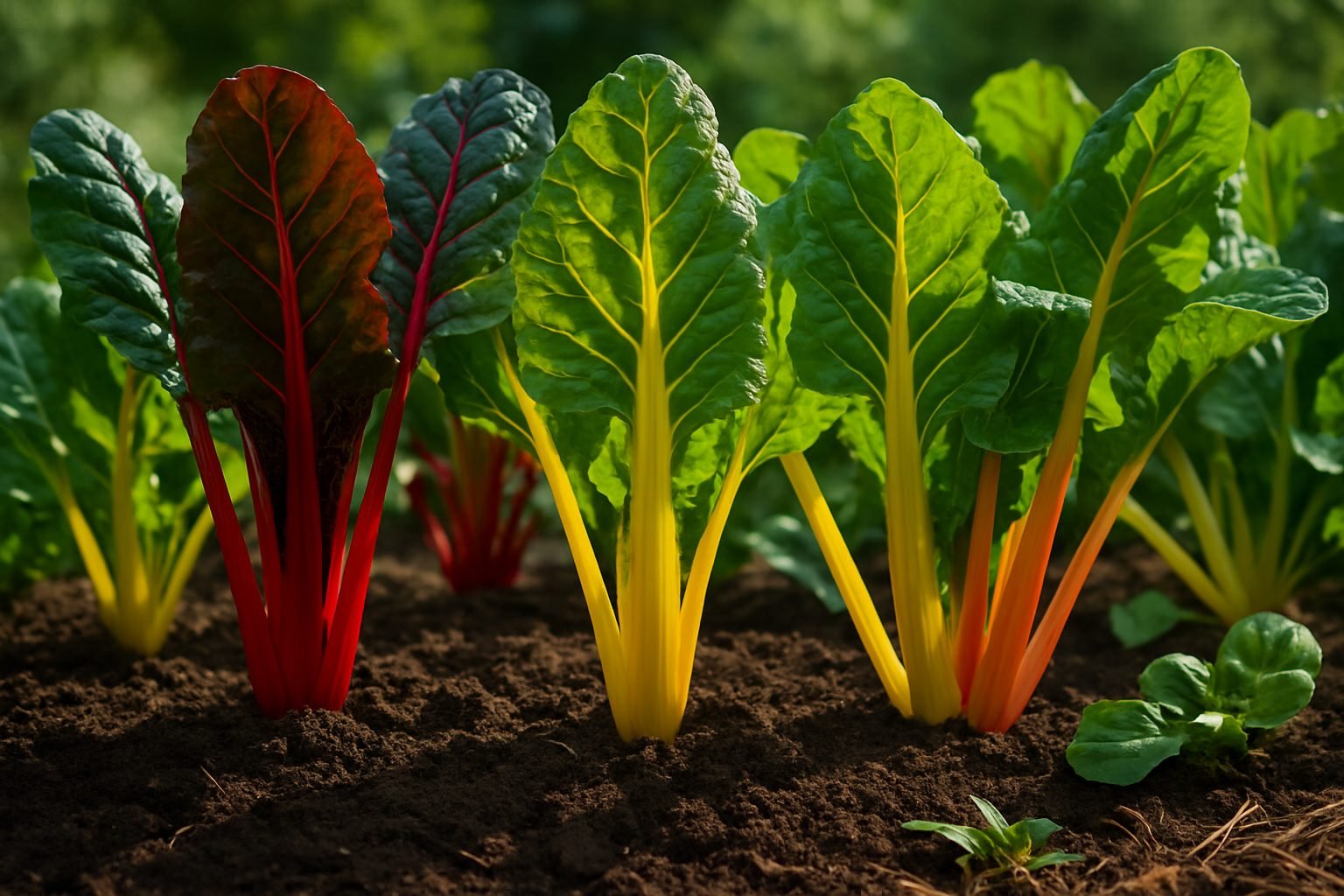
Swiss chard is a leafy green vegetable prized for its colorful stems and nutrient-rich leaves, making it both visually appealing and practical for home gardens. It typically grows upright and bushy rather than as a vining or climbing plant, so it doesn’t naturally rely on a trellis for Swiss chard support. Most plants reach about 12 to 24 inches tall, though some vigorous varieties can grow a bit taller under ideal conditions.
The large, broad leaves are held up by thick, fleshy stems that form a loose rosette at the base. Unlike pole beans, cucumbers, or peas—which use tendrils to climb nearby structures—Swiss chard stays relatively compact and supports itself well. Common varieties like ‘Bright Lights’, ‘Fordhook Giant’, and ‘Ruby Red’ share this upright habit. Although larger cultivars such as ‘Fordhook Giant’ might become a bit top-heavy when mature, especially in windy areas, they rarely need more than light staking in those conditions.
For most home gardeners, a dedicated trellis for Swiss chard isn’t necessary since the sturdy stems keep the plant upright. Instead, give each plant enough space—about 12 inches apart—to thrive without crowding. If your chard tends to flop over from overly rich soil or excessive watering, a simple support ring can help. However, in most gardens, Swiss chard grows perfectly well without any trellis or elaborate support system.
When (and Why) Would Swiss Chard Need Support?
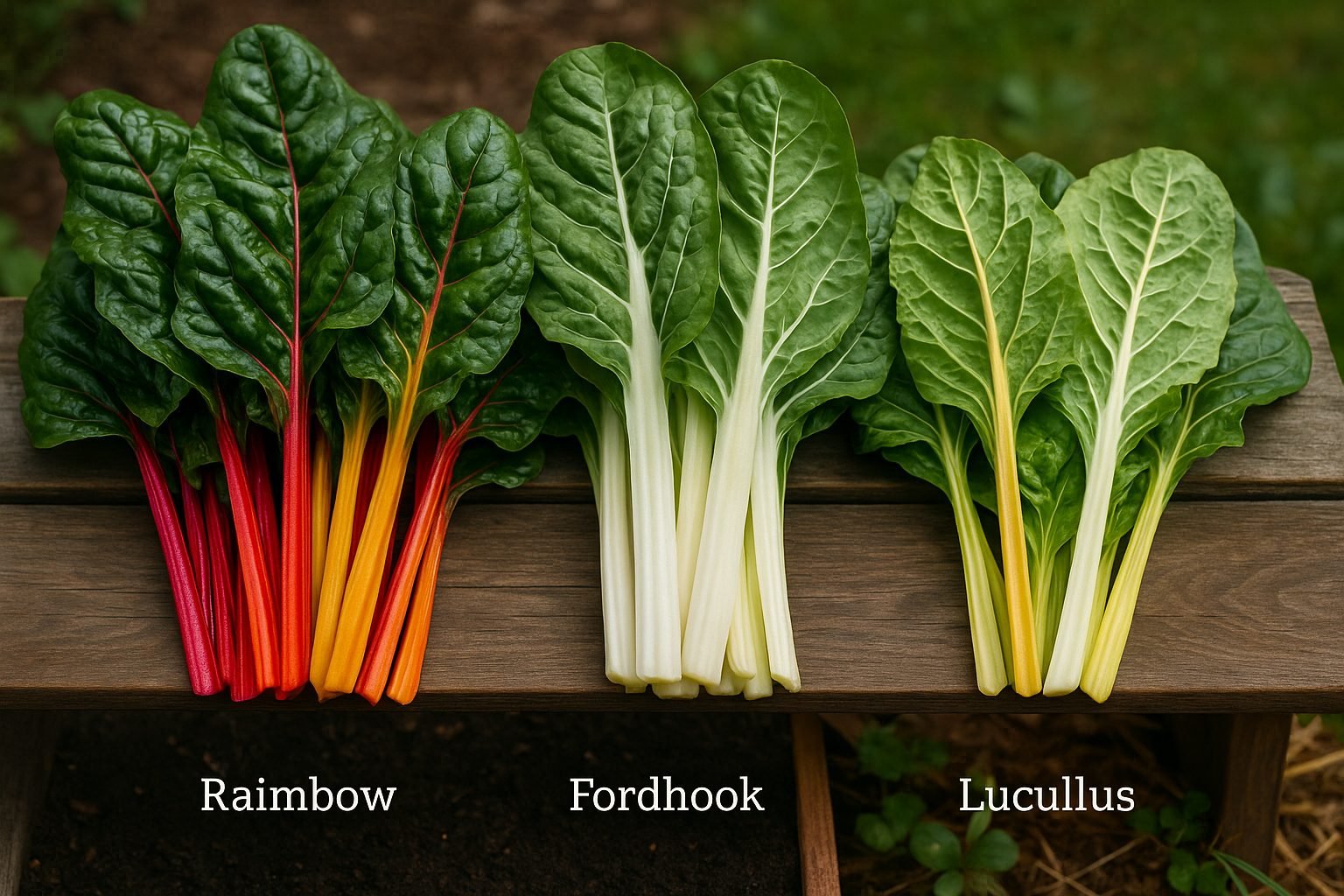
In most home gardens, swiss chard grows sturdy and upright on its own, but there are some uncommon situations where a trellis for swiss chard or other types of support can be helpful. For example, if you’re growing a particularly large variety like ‘Fordhook Giant,’ the broad leaves and tall stalks can become top-heavy and tend to flop over—especially after heavy rains or watering.
Windy locations can also cause problems; sustained gusts may bend or even snap the thick stems, leaving plants vulnerable to disease and reducing your harvest. If you sow your chard seeds densely, overcrowded plants might stretch and lean while competing for sunlight, which weakens their natural structure.
Even in raised beds or containers, vigorous and closely planted swiss chard can benefit from support if the outer leaves begin to droop and sprawl. To decide if support is necessary, watch for plants that fall over instead of standing upright, or leaves with tips resting on the soil where they might rot.
If you notice snapped stems or regularly have to prop up your chard after storms, consider placing small stakes or a simple string trellis around the row. A light, flexible tie attached just below the leaf cluster is usually enough—there’s no need for tall or rigid trellising like you’d use for beans. Regular harvesting of the outer leaves also helps reduce top-heaviness and keeps plants more compact.
By checking your patch after heavy weather and providing support only when necessary, you’ll keep your swiss chard both healthy and manageable.
Comparing Trellises, Stakes, and Other Support Options
Trellises, stakes, and other plant supports each play unique roles in the garden, depending on a vegetable’s natural growth habit. Trellises are typically large, vertical structures made from wood, metal, or plastic mesh designed to support climbing plants like peas, beans, or cucumbers, which use tendrils to latch on and grow upward. Stakes are simple vertical rods—often wooden or bamboo—inserted into the ground to support a single stem or loosely tied bundles of stalks. Other supports, such as tomato cages or hoop structures, surround the plant and help keep leaves and stems from sprawling onto the soil.
For Swiss chard, which grows as a leafy rosette with broad, sometimes heavy stems, the need for a trellis for Swiss chard is minimal compared to true climbers. Swiss chard naturally holds itself upright when healthy and spaced well but can flop under the weight of large leaves, especially after heavy rain or if overcrowded stems become leggy. In these cases, a full trellis is usually unnecessary—staking individual stems or using compact wire cages provides gentle, targeted support.
Simply placing a single bamboo stake next to the plant and loosely tying the main stalk with soft twine is often sufficient. Small tomato cages or short peony rings can also help corral multiple plants in a tight row. Ultimately, Swiss chard rarely needs elaborate supports; these simple methods effectively keep plants tidy, upright, and healthy without extra effort.
How to Grow Healthy, Upright Swiss Chard Without a Trellis
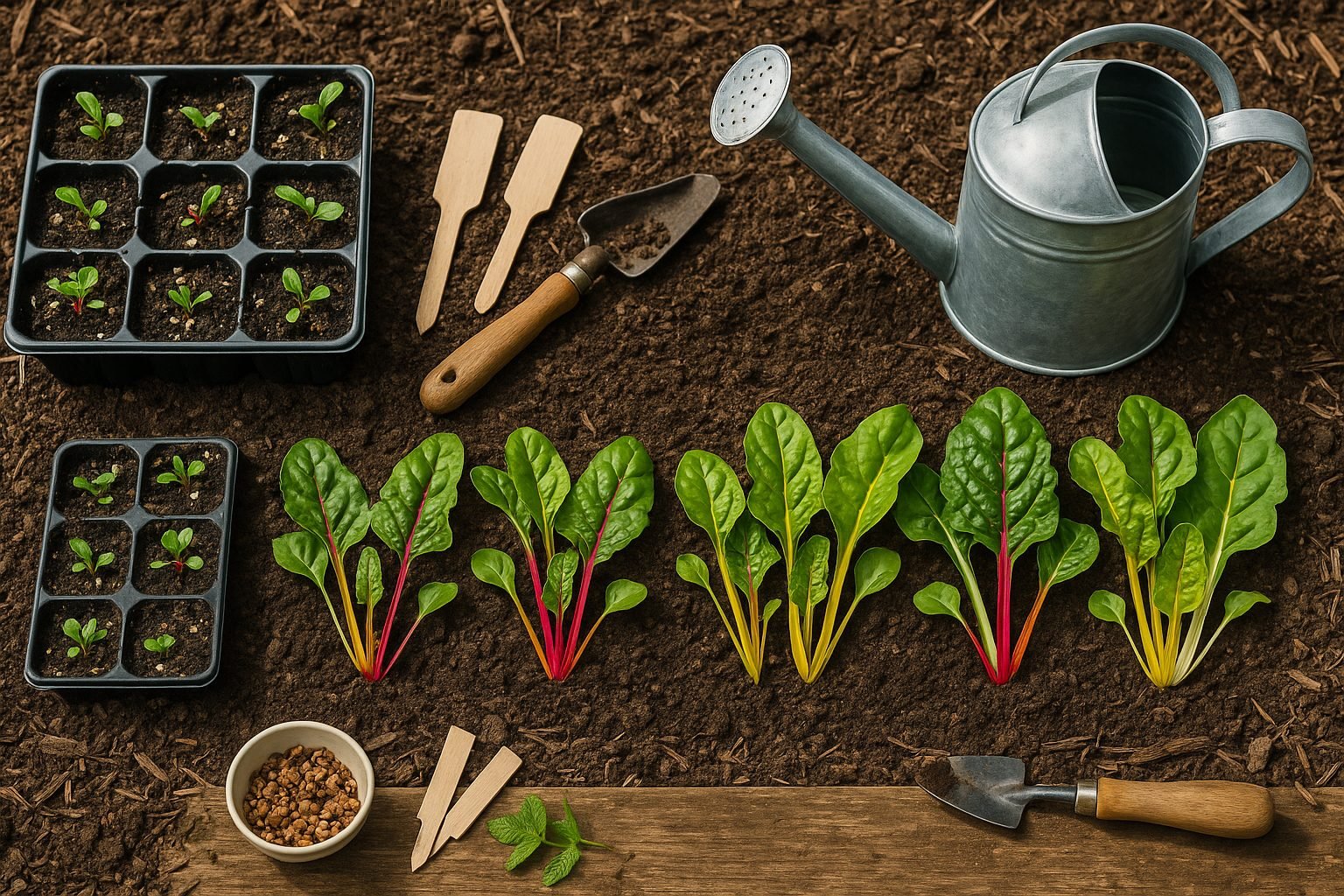
Growing healthy, upright Swiss chard without a trellis is completely doable with a few smart gardening tips. Start by planting your chard seeds in loose, well-draining soil enriched with compost—this creates a strong foundation for robust roots and sturdy stalks. Space each seedling about 8 to 12 inches apart to prevent overcrowding and allow the plants to grow tall rather than sprawling outward in search of sunlight. Water consistently, aiming for deep, even moisture instead of frequent, shallow watering. This encourages deep root systems that anchor the plant securely, making them less likely to topple in wind or heavy rain.
Thinning is crucial—once seedlings develop two true leaves, gently remove the weaker ones, leaving only the healthiest at the desired spacing. This maximizes space and ensures each plant receives enough nutrients and sunlight, promoting stronger growth. Add a layer of organic mulch, such as straw or shredded leaves, around the base of the plants. Mulch helps retain moisture, suppress weeds, and protect the soil from being washed away by heavy rain, which can harm delicate stems.
Proper harvesting also helps keep your Swiss chard upright. Regularly pick mature outer leaves while leaving the smaller, inner leaves to keep growing. Avoid cutting too many stems at once, as this can weaken the main plant. For extra protection against wind, plant Swiss chard near a natural windbreak, like a low fence or taller crops, to shield them from strong gusts. After heavy rains, you can gently mound soil around the plant bases to support any leaning stems. With these simple techniques, you’ll enjoy a thriving patch of upright, healthy Swiss chard—no trellis needed.
Common Swiss Chard Problems Mistaken for Needing a Trellis
Many gardeners notice issues like legginess, drooping leaves, or broken stems in their Swiss chard and mistakenly think that adding a trellis for Swiss chard will solve these problems. However, these symptoms usually stem from environmental or care-related factors rather than a lack of support.
Legginess, where plants grow tall and spindly, often occurs when Swiss chard isn’t getting enough sunlight. To fix this, move your plant to a sunnier spot or thin seedlings to reduce competition for light. Drooping leaves can indicate inconsistent watering—Swiss chard prefers evenly moist soil, so water regularly but avoid soggy conditions. Broken stems are more likely caused by animal traffic, heavy rain, or nutrient imbalances. Feeding your plants with a balanced fertilizer can strengthen their growth and resilience.
If heavy winds are a problem, use small stakes to support individual plants instead of installing a full trellis. By adjusting light exposure, maintaining steady moisture, and ensuring balanced nutrition, you can often resolve these issues without unnecessary trellising—helping your Swiss chard stay strong and healthy on its own.
Frequently Asked Questions: Swiss Chard Support & Maintenance
Gardeners often wonder if swiss chard really needs staking or a special trellis for swiss chard. In most home gardens, swiss chard is a self-supporting plant, especially when given enough space—about 8-12 inches between plants is ideal to allow airflow and robust growth. However, if your chard grows in a windy spot or if you’ve planted varieties with particularly large leaves or tall stems, some light support can help.
Instead of investing in a full trellis for swiss chard, you can use simple garden stakes or bamboo canes placed near the base of the plants and gently tie any leaning stems. This is especially useful after heavy rain or when harvesting large outer leaves, which can sometimes unbalance the plant.
If your chard starts flopping over, check for crowding or nearby competing plants—thinning or gently repositioning often solves the problem. Regular watering and feeding with compost or an all-purpose fertilizer will help stems grow strong enough to stay upright without constant support.
In summary, swiss chard rarely needs a full trellis, but a little practical support goes a long way, especially in windy weather or tightly packed beds.
Conclusion
In summary, a trellis for Swiss chard is usually not necessary, as these leafy greens tend to stand tall and sturdy on their own. However, providing occasional support with small stakes or cages can be helpful if your plants face strong wind, heavy rain, or especially large leaves.
Every garden is different, so take a moment to assess your growing conditions and be ready to offer support if your chard starts leaning or flopping. By staying attentive and applying these tips, you’ll keep your Swiss chard healthy and productive throughout the season.