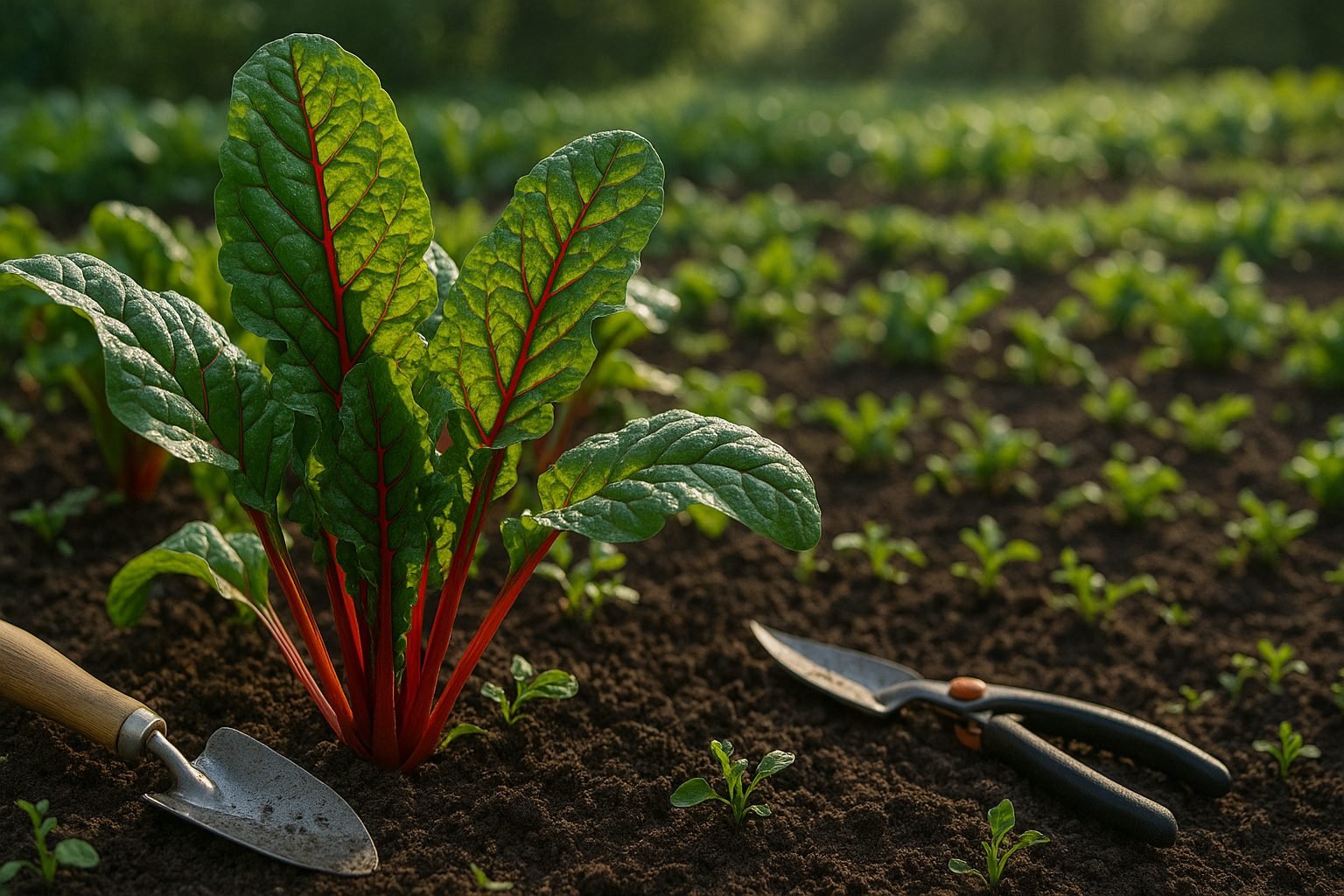
The Most Common Swiss Chard Diseases
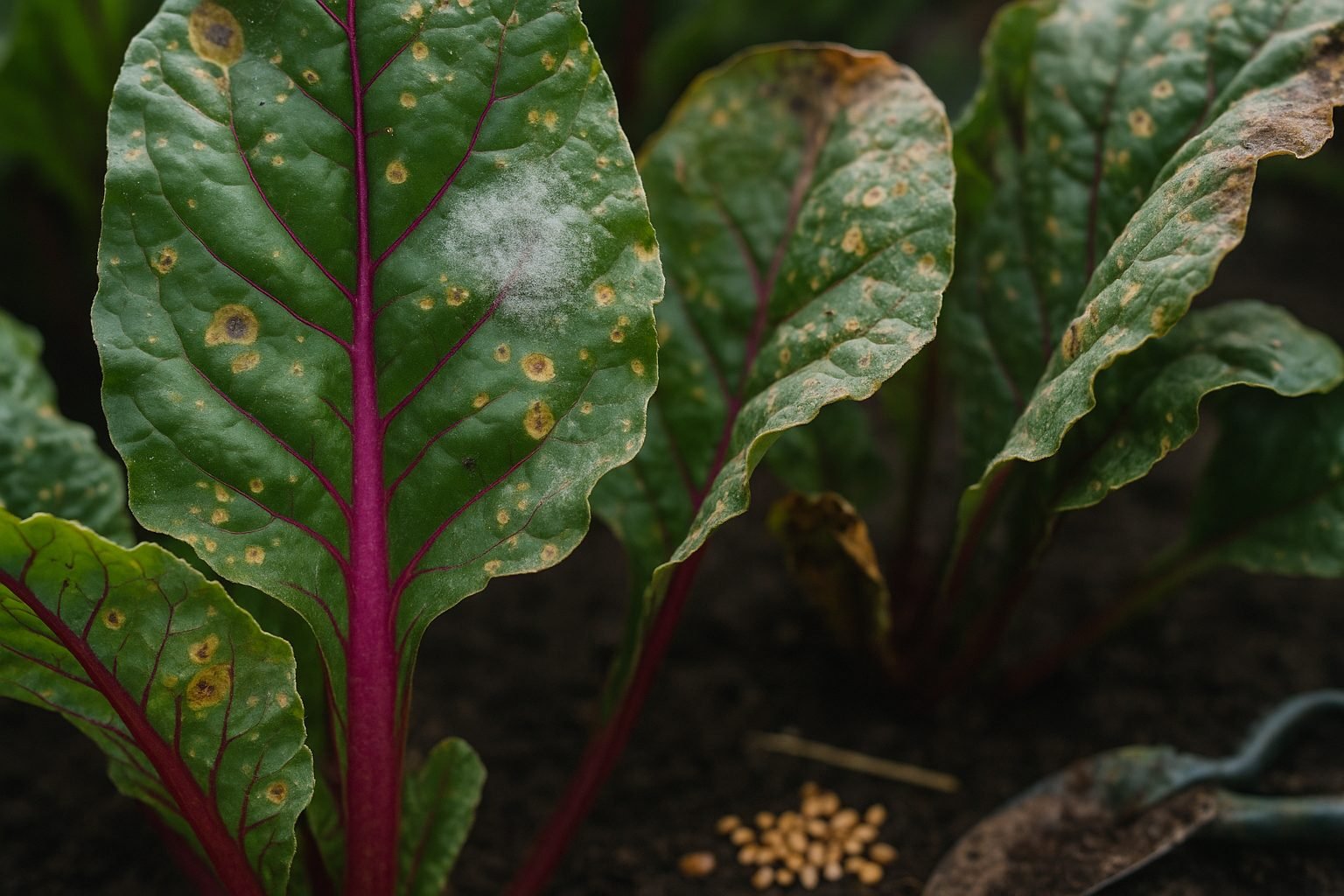
When it comes to growing vibrant greens, successfully navigating swiss chard diseases can make the difference between a thriving harvest and disappointment. Even the most attentive gardeners sometimes encounter issues like bacterial soft rot, leaf spot, or powdery mildew, as Swiss chard is susceptible to an array of bacterial, viral, and fungal diseases. Recognizing early symptoms—such as unusual leaf spots, yellowing, wilting, or fuzzy mold patches—can save your chard and the rest of your garden from a rapid decline.
Early detection is your greatest ally; for example, noticing water-soaked lesions or lopsided leaf growth lets you take immediate action, stopping outbreaks before they spread. Whether you’re dealing with common afflictions or rare problems like Beet curly top virus, knowing how to identify and treat these threats empowers you to keep your Swiss chard lush and productive all season long.
Causes and Risk Factors for Disease in Swiss Chard
Swiss chard, like many leafy greens, can fall victim to various diseases if certain risk factors aren’t managed carefully. One of the most common causes is poor air circulation—when plants are spaced too close together, humidity builds up around the leaves, creating a perfect environment for fungal pathogens. Excess moisture, whether from heavy rain, overwatering, or inadequate drainage, further encourages the growth of fungi and bacteria that thrive in damp conditions. Contaminated tools are another culprit; using the same clippers or gloves on healthy and sick plants without cleaning them can quickly transfer harmful organisms across your garden. Infected soil or seeds also pose a threat, as diseases like downy mildew and leaf spot can linger in the ground or be introduced with new plantings, silently spreading until symptoms appear.
Environmental stresses, such as sudden temperature fluctuations or prolonged drought, may not cause disease directly but can make Swiss chard much more vulnerable. Plants under stress have weakened immune systems and are less able to fend off pathogens. For instance, a hot spell followed by a cold snap can disrupt growth patterns, while dry periods can stunt roots and make leaves more susceptible to pests and secondary infections. It’s also worth noting that weakened plants are less likely to recover once infected, so minimizing environmental stress is crucial for healthy crops.
Diseases often hitch a ride into your garden in ways you might not expect. Old garden debris that wasn’t cleared from previous seasons can harbor spores and bacteria, re-infecting new plantings year after year. Nearby infected crops—whether they are Swiss chard or related beets and spinach—can be a source of disease, especially when wind or rain splashes contaminated soil onto leaves. Insects, particularly aphids and leaf miners, act as unwitting couriers, transmitting viruses and bacteria as they feed on multiple plants. To reduce risk, regularly remove dead plant material, rotate crops, and consider barriers or screens to keep pests in check.
Taking simple precautions—thoroughly sanitizing tools, practicing crop rotation, spacing plants for better airflow, and monitoring environmental conditions—can go a long way toward keeping your Swiss chard healthy and productive.
How to Prevent Swiss Chard Diseases in the Home Garden
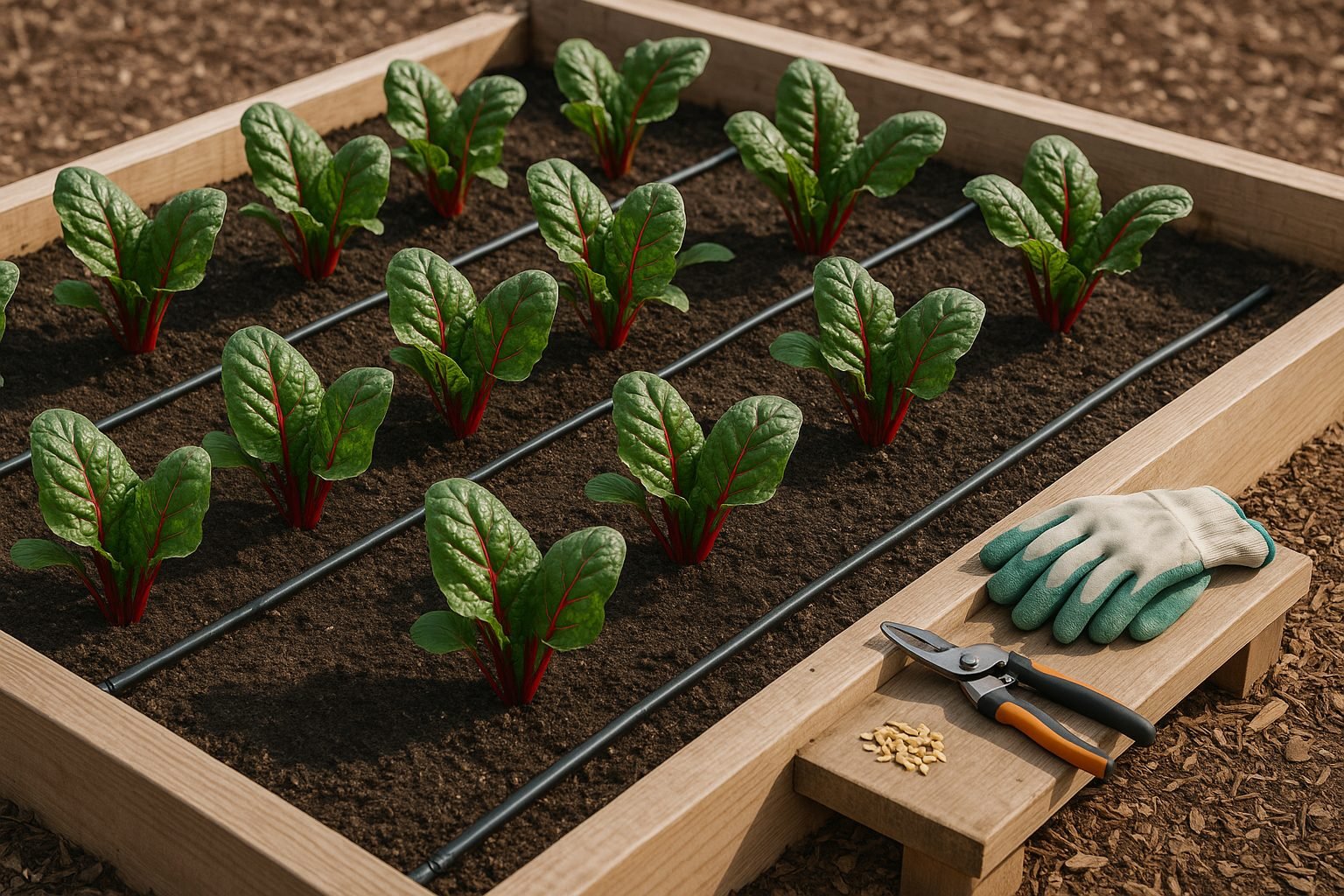
Preventing diseases in your Swiss chard patch starts with some tried-and-true cultural practices. Rotate your crops every year—avoid planting Swiss chard or other leafy greens like beets and spinach in the same spot for at least two to three years. This disrupts the life cycle of many soil-borne pathogens.
When buying seeds or transplants, always opt for disease-resistant varieties if available; these are bred to shrug off some of the most common threats, saving you headaches down the line.
Don’t forget about tool sanity—clean pruners, hoes, and trowels between uses, especially when moving from one bed to another, to prevent spreading spores or bacteria.
Gentle, early-morning watering at the soil level is another game changer. Soaker hoses or drip irrigation keep leaves dry (unlike overhead sprinklers), which is key, since lingering moisture on foliage is an open invitation to fungal diseases.
Give your Swiss chard plenty of space—aim for at least 12-18 inches between plants. This encourages good air circulation, helping leaves dry faster after rain or dew and cutting down on disease development.
Stay vigilant and inspect your plants regularly. As soon as you spot yellowing, spotted, or wilting leaves, remove them immediately with sanitized shears and toss them in the trash rather than the compost pile to avoid spreading disease. If an entire plant looks compromised, remove it promptly before the problem spreads to neighbors.
By following these steps—thoughtful planting, careful watering, thorough cleaning, and swift removal of trouble—you’ll set your Swiss chard up for a healthy, productive season.
Effective Treatment Options for Infected Swiss Chard
When dealing with infected Swiss chard, acting swiftly is crucial to prevent diseases from spreading throughout your garden. Start by regularly inspecting your plants for signs like yellowing leaves, spots, or wilting.
For mild fungal issues such as powdery mildew or leaf spot, try mixing one tablespoon of baking soda with a gallon of water plus a few drops of liquid soap. Spray this solution on the affected leaves once a week.
Neem oil is a versatile organic remedy effective against both fungal and bacterial problems. Just follow the label instructions and avoid spraying in direct sunlight to prevent leaf burn.
If the infection is widespread or persistent, commercial fungicides or bactericides may be necessary. Choose options labeled safe for edibles and apply according to the manufacturer’s directions.
Always remove any visibly diseased leaves immediately using clean, sharp scissors or pruners. Wipe the blades with rubbing alcohol between cuts to prevent spreading pathogens. Dispose of infected plant material in the trash—never the compost pile—to keep spores or bacteria from lingering and reinfecting your garden.
In severe cases where an entire plant is diseased beyond recovery—marked by stunted growth or widespread rot—it’s best to uproot and discard it completely to protect your healthy Swiss chard and nearby crops.
Rotate crops yearly and water at the base of plants to help limit disease in the future. By combining these practical home remedies and, when needed, chemical controls, you’ll help your Swiss chard thrive and reduce disease pressure season after season.
Pests and Other Problems Often Confused with Disease
It’s easy to mistake common garden pests and physiological problems for plant diseases, especially when the symptoms look similar. Pests like aphids and leaf miners can cause yellowing, distorted leaves, and even stunted growth—symptoms that are often confused with viral or fungal infections.
Aphids typically cluster in large groups on stems or leaf undersides, leaving behind sticky honeydew, while leaf miners create winding, white trails inside leaves as they feed. Meanwhile, nutritional deficiencies—such as a lack of nitrogen, magnesium, or iron—often lead to yellow leaves or poor growth but aren’t caused by pathogens.
These deficiencies usually affect older or lower leaves first and can be spotted by patterns like uniform yellowing (for nitrogen) or interveinal chlorosis (for magnesium or iron). To tell the difference, closely inspect your plants for visible insects, webbing, or frass (pest droppings) and consider the distribution of symptoms—diseases may spread in irregular patches, while nutrient issues show a more uniform pattern.
Integrated pest management (IPM) is your best ally, combining careful monitoring, encouraging beneficial insects, crop rotation, and targeted treatments only when necessary. At the same time, regular soil testing and appropriate fertilization help prevent issues that aren’t caused by pests or pathogens.
By learning to recognize the subtle signs and taking a balanced, proactive approach, gardeners can better protect their plants and avoid unnecessary pesticide use.
Harvesting and Using Swiss Chard Safely
After your Swiss chard plants recover from disease or pest issues, it’s vital to follow safe harvesting and handling practices to protect your health. Always start by inspecting the leaves—pick only those that look healthy and vibrant, avoiding any with visible mold, mushy spots, or lingering pests.
If some leaves are partially damaged but mostly intact, use kitchen scissors to trim off the affected sections. However, err on the side of caution and compost any heavily damaged portions.
Once indoors, rinse the leaves thoroughly under cool running water, gently rubbing the surfaces to dislodge soil and potential pathogens. For an extra level of safety, soak the chard for a few minutes in a bowl with a splash of white vinegar, then rinse again to minimize bacterial contaminants.
Pat the leaves dry with a clean cloth or use a salad spinner, as moisture encourages spoilage. Store Swiss chard in a loosely closed bag in the refrigerator; placing a dry paper towel inside can help absorb excess moisture and keep the greens fresher longer.
While Swiss chard is nutritious, it does contain oxalates, naturally occurring compounds that may be an issue for individuals prone to kidney stones. If you’re sensitive, limit large servings or rotate chard with other greens lower in oxalates. Cooking chard can also help reduce oxalate content.
By following these steps—carefully inspecting, washing, and storing—you’ll help ensure that your homegrown Swiss chard is safe, delicious, and ready for salads, sautés, and more.
Key Takeaways and Resources for Swiss Chard Growers
Preventing and managing disease in Swiss chard starts with a strong foundation: choose disease-resistant varieties whenever possible, and rotate crops yearly to interrupt pest and pathogen cycles. Make sure your soil drains well—soggy beds invite fungal issues like downy mildew—and avoid overhead watering, which can spread leaf spot.
Keep your garden tidy by promptly removing diseased leaves and disposing of plant debris at season’s end. Regularly inspect your chard for signs of trouble: yellowing, wilting, or spots can signal problems, and early intervention makes management much easier.
For trustworthy information, consult your local agricultural extension office, which often offers tailored advice and even diagnostic services. Simply search for “(your state) extension Swiss chard” online for quick access. Reputable online resources include university sites like the University of Minnesota Extension and the Cornell Vegetable MD Online, which provide up-to-date disease guides and integrated pest management tips.
Don’t forget, proactive care is the best defense: consistent monitoring, proper spacing, and thoughtful watering habits can keep disease at bay and ensure robust, healthy chard harvests all season long. By staying observant and acting swiftly at the first sign of trouble, you’ll safeguard your crop and maximize your garden’s productivity year after year.