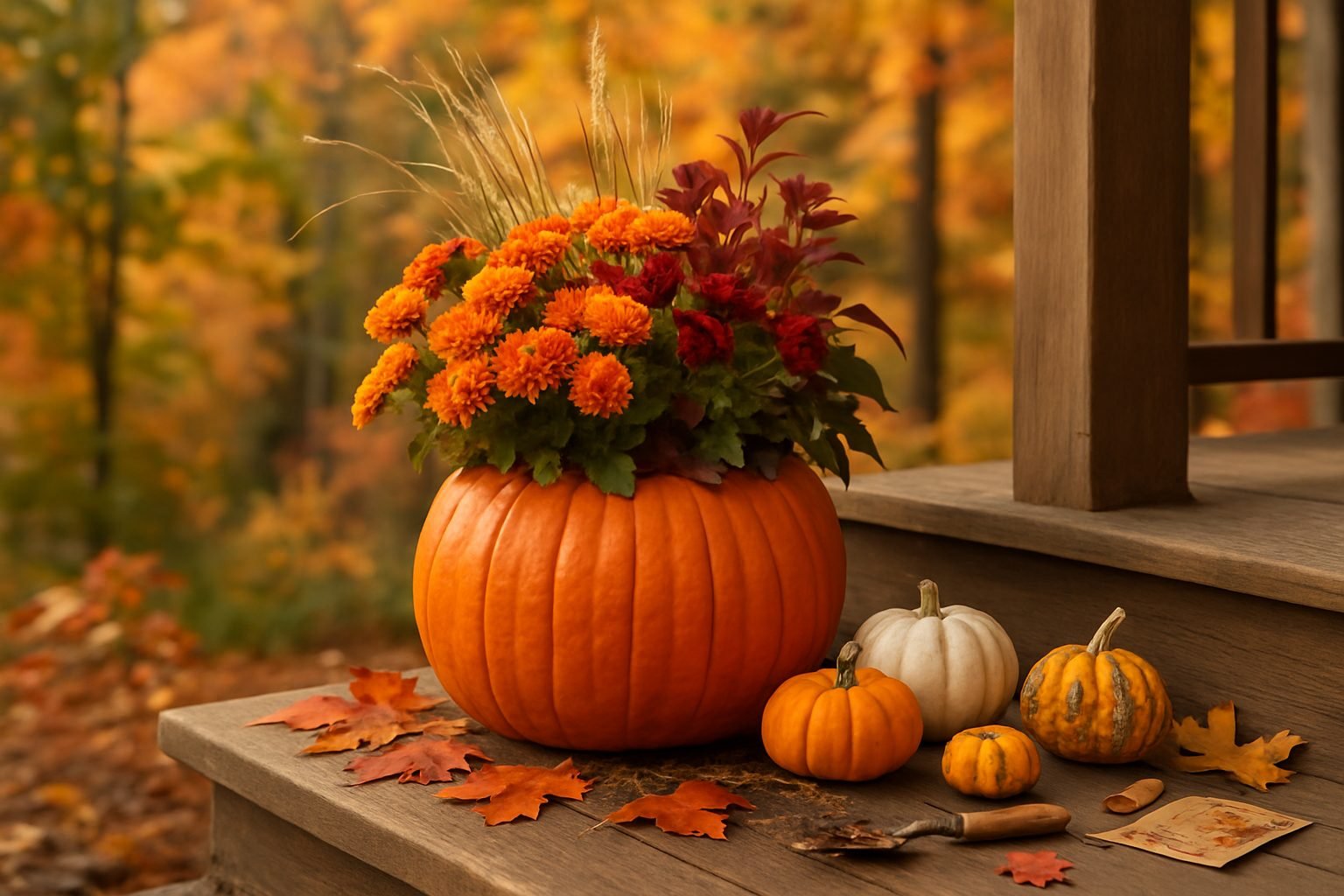
Why Make a Pumpkin Planter for Fall?
pumpkin planter DIY projects are one of the easiest and most delightful ways to give your fall décor an instant upgrade. With just a little creativity and some basic supplies, you can transform a humble pumpkin—real or faux—into an eye-catching planter that celebrates the beauty of autumn. Imagine greeting guests with a vibrant burst of mums or rustic ornamental grasses nestled inside a pumpkin pot on your porch, or placing a mini pumpkin planter on your dining table for a dash of festive charm. These planters aren’t just attractive—they instantly boost your home’s curb appeal and make your space inviting from the very first glance.
Versatility of Pumpkin Planters
What’s great about a pumpkin planter DIY is its incredible versatility. Whether you choose fresh pumpkins from the patch or sturdy, upcycled faux pumpkins, you can tailor each project to suit your style. Use them outdoors to spotlight your front steps, line a walkway, or dress up your mailbox for those crisp fall evenings. Bring them inside to brighten entryways, kitchen islands, or mantelpieces, filling them with everything from trailing ivy to aromatic herbs.
Perfect for Thanksgiving
Hosting guests for Thanksgiving? Pumpkin planters make perfect centerpieces—unique, whimsical, and surprisingly easy to customize with paint, stencils, or even a sprinkling of glitter.
Style and Fun
The real magic lies in how a simple pumpkin planter DIY fits seamlessly into almost any setting. You can go rustic with burlap and dried florals for a farmhouse vibe or sleek with monochrome paint for a modern touch. Plus, they’re a fun upcycling project for families or friends—gather everyone for a crafting session, and you’ll have festive décor and lasting memories all at once.
As autumn leaves drift down and sweater weather arrives, there’s nothing like a freshly made pumpkin planter to set the mood for the season and turn your home into a welcoming, cheerful retreat.
Choosing the Right Pumpkin & Flowers
When picking the perfect pumpkin for your fall planter, start by looking for one that feels heavy for its size, has no soft spots, and sports a sturdy stem—these signs mean it’s healthy and less likely to rot quickly. Opt for a flat-bottomed pumpkin to keep your arrangement stable, and consider the size: a medium or large pumpkin will give more room for flowers and a fuller display, while small pumpkins work well for table centerpieces.
Think about the shape too; round pumpkins suit traditional looks, while squat or tall varieties add a unique twist.
When it comes to flowers, mums are a classic choice thanks to their bold autumn colors and cold tolerance. For a modern touch, try nesting hardy succulents—they love the cool weather and need little maintenance. Autumn annuals like pansies, ornamental kale, or violas also work well, thriving in the season’s mild sunshine.
If you plan to plant directly in the pumpkin, scoop out the insides and poke a few drainage holes in the bottom; just remember, the pumpkin will start to break down after a week or two, especially if kept outdoors.
To make your planter last longer, tuck potted plants inside the hollowed-out pumpkin or line it with a plastic or coconut fiber liner before adding soil and flowers. This way, when your pumpkin begins to soften, you can simply lift out your arrangement and drop it into a new pumpkin or pot—keeping your fall display fresh all season.
How to Make a Pumpkin Planter, Step by Step
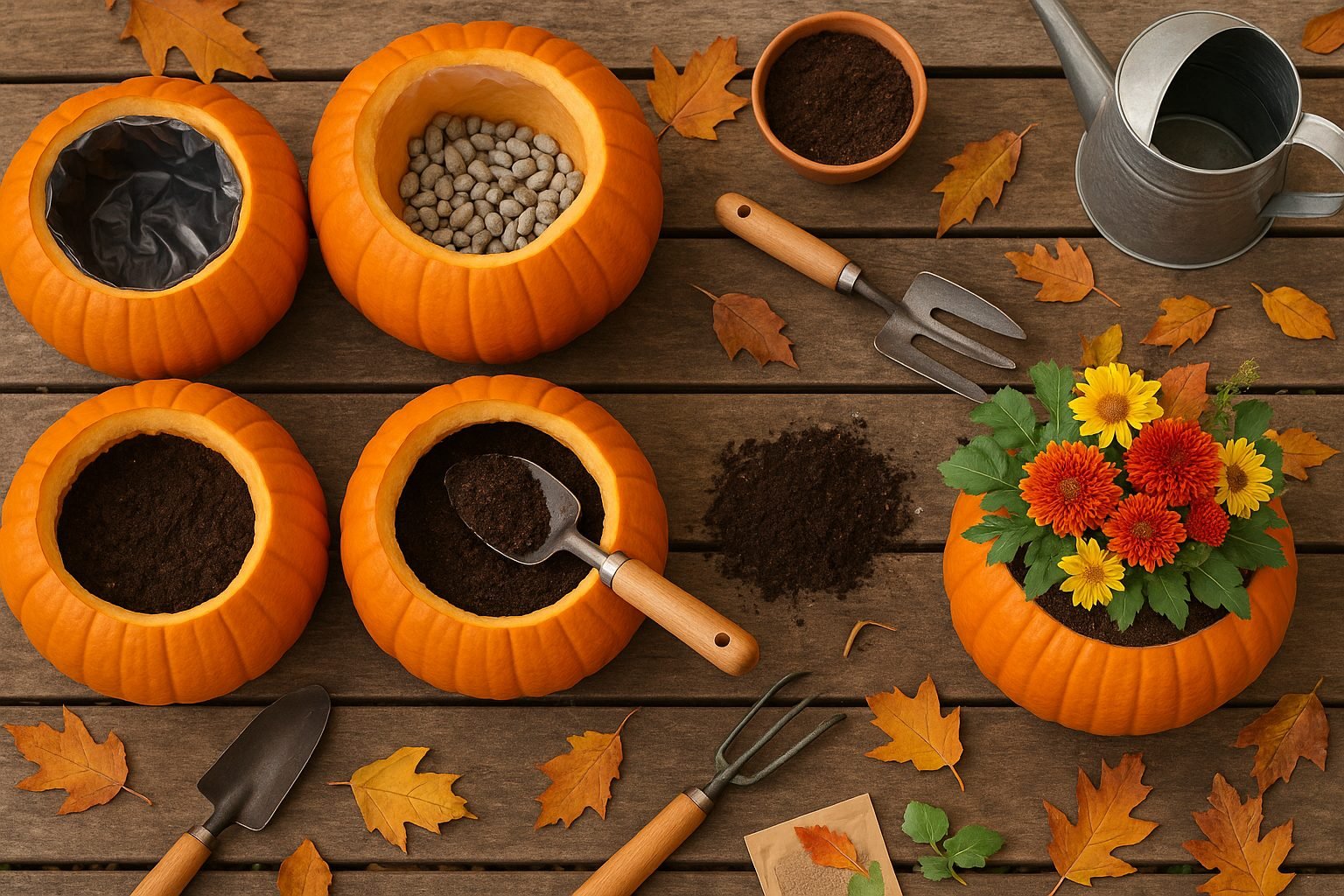
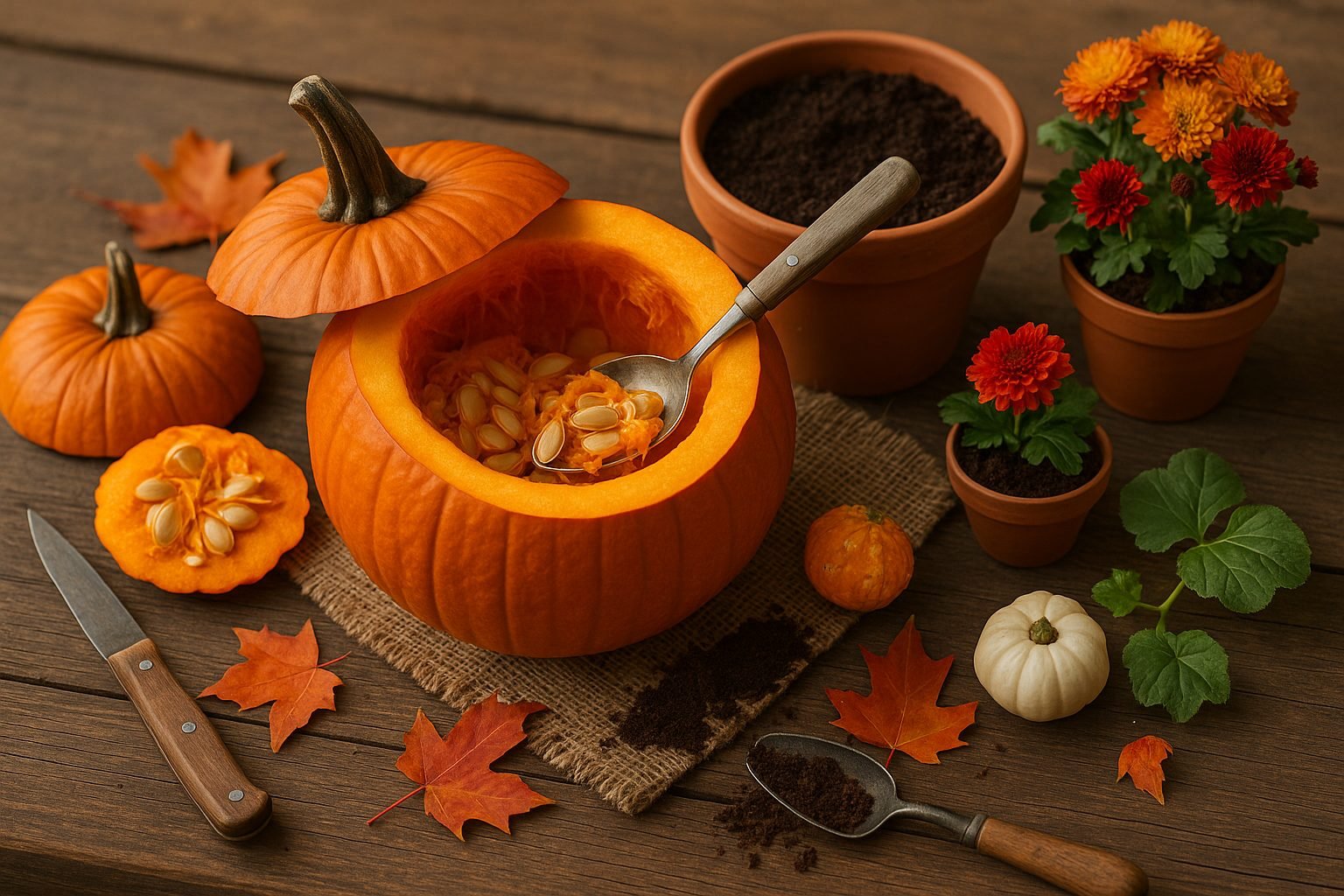
To create your own charming pumpkin planter, start by gathering your essential supplies: a medium-to-large pumpkin, a sharp knife, a sturdy scoop or spoon, fresh potting soil, your choice of flowers or decorative plants, and optionally, a plastic liner or some landscape fabric.
First, place your pumpkin on a stable surface and use the knife to carefully cut an opening at the top—about six inches in diameter—to fit your plant. Remove the top and scoop out all seeds and pulp, scraping the sides to create a clean, hollow cavity.
For healthy plants, drainage is key: poke a few small holes in the bottom of the pumpkin using your knife or a screwdriver to allow excess water to escape and help prevent root rot.
If you’re concerned about mess or want to slow down decomposition, line the hollow pumpkin with a plastic bag or landscape fabric. Then add a layer of gravel for extra drainage before filling it with potting soil.
Gently loosen the roots of your flowers or plants and position them in the soil. Add more soil around the edges and pat it down lightly to keep everything secure.
To help your pumpkin planter last longer, try brushing the interior with petroleum jelly or a diluted bleach solution (one tablespoon bleach to one quart water) before adding soil—this helps prevent mold and slows decay.
Placing your planter on a dish or tray protects surfaces from moisture. Also, keeping the planter out of direct sun, rain, and freezing temperatures will help prolong its freshness.
With these steps, you’ll have a festive and functional fall centerpiece for your porch or table—and you can even compost the pumpkin after the season’s over.
Fall Plant Care Tips for Your Pumpkin Planter
Keeping your pumpkin planter looking fresh all fall starts with understanding the water and light needs of the flowers you choose. If you’ve planted hardy mums, pansies, or ornamental kale, water them whenever the soil feels dry about an inch down—usually once or twice a week—but avoid soaking, since pumpkin planters don’t have drainage holes and excess moisture can lead to rot.
Place your pumpkin in a spot that gets at least four to six hours of sunlight daily; too much shade results in straggly, weak growth and dull blooms.
To prevent rot, line the inside of your hollowed pumpkin with a plastic container or a layer of plastic wrap before adding soil and plants. Elevate the whole planter on a shallow tray or bricks to allow airflow underneath, reducing moisture buildup and prolonging the life of your pumpkin.
Pest Control Tips
- Sprinkle cinnamon or crushed eggshells around the base of the planter to deter slugs.
- Check daily for signs of squirrels or insects.
- If critters become too pesky, a light misting of diluted peppermint oil often keeps them at bay.
As the fall weeks go by, swap out spent flowers for fresh seasonal picks: early in the season, stick with bright mums and pansies, then transition to cold-hardy plants like violas or even miniature evergreen branches as temperatures drop.
If your pumpkin starts showing signs of softening or mold, move the whole arrangement—plants and all—into a new hollowed pumpkin or festive pot to keep your autumn display thriving right through Thanksgiving.
This simple care routine helps your pumpkin planter last longer and lets you enjoy a steady rotation of colorful blooms all season.
Decorating Ideas & Display Inspiration
Pumpkin planters are a versatile and charming addition to your fall decor, easily fitting into both indoor and outdoor settings.
Outdoor Porch Display
For an inviting porch display, line your steps with pumpkin planters of varying sizes, interspersed with clusters of mini gourds, baskets of mums, and trailing autumn leaves to create a layered, cozy look. Battery-operated lanterns or string lights nestled among the pumpkins add a warm, welcoming glow in the evenings.
Indoor Centerpieces
Indoors, transform a pumpkin planter into an eye-catching table centerpiece by pairing it with brass candlesticks, eucalyptus sprigs, and a scattering of acorns or pinecones for a rustic, curated feel. Mix in complementary textures like burlap runners or wooden trays to ground the arrangement.
Festive Events and Weddings
For festive events or weddings, hollowed pumpkins make whimsical vessels for floral arrangements or guest card holders. Accent them with velvet ribbon, clusters of berries, and metallic details like copper vases or gold table numbers for an elevated touch.
Playing with Color
Don’t be afraid to play with color:
- Pastel pumpkins and pale gourds suit modern or elegant events.
- Deep oranges, burgundies, and greens evoke a more traditional autumn vibe.
Longevity Tips
To ensure your display stays fresh, use faux pumpkins and preserved leaves for longevity, or keep natural arrangements outdoors where the cooler air extends their life.
With a few thoughtful accents and a willingness to mix textures, pumpkin planters can seamlessly anchor any fall décor theme—from relaxed gatherings to formal celebrations.
What to Do with Your Pumpkin Planter After Fall
Once your pumpkin planter has wilted from its autumn glory, you have plenty of eco-friendly options for disposal. If the pumpkin hasn’t been painted or sealed, simply chop it up and add it to your compost pile—pumpkins are rich in nutrients and break down quickly, giving back to your garden soil.
For those without a compost bin, you can bury pieces directly in your flower beds or garden, where they’ll decompose and enrich the earth over winter.
If your pumpkin was home to flowers or succulents, gently loosen the roots and transplant them into your garden or a new pot. Water thoroughly and add a layer of mulch to protect the plants as they settle in.
Don’t toss any leftover materials—get creative with them!
- Dried stems and vines can become rustic accents for winter wreaths or holiday centerpieces.
- Any decorative stones or potting mix can be used in future planters.
- You might even save the pumpkin seeds to roast for snacks or use as wildlife-friendly treats, offering local birds a tasty winter bite.
By composting, repurposing, or recycling, you make sure nothing from your pumpkin planter goes to waste, and your home and garden keep benefiting long after fall is over.