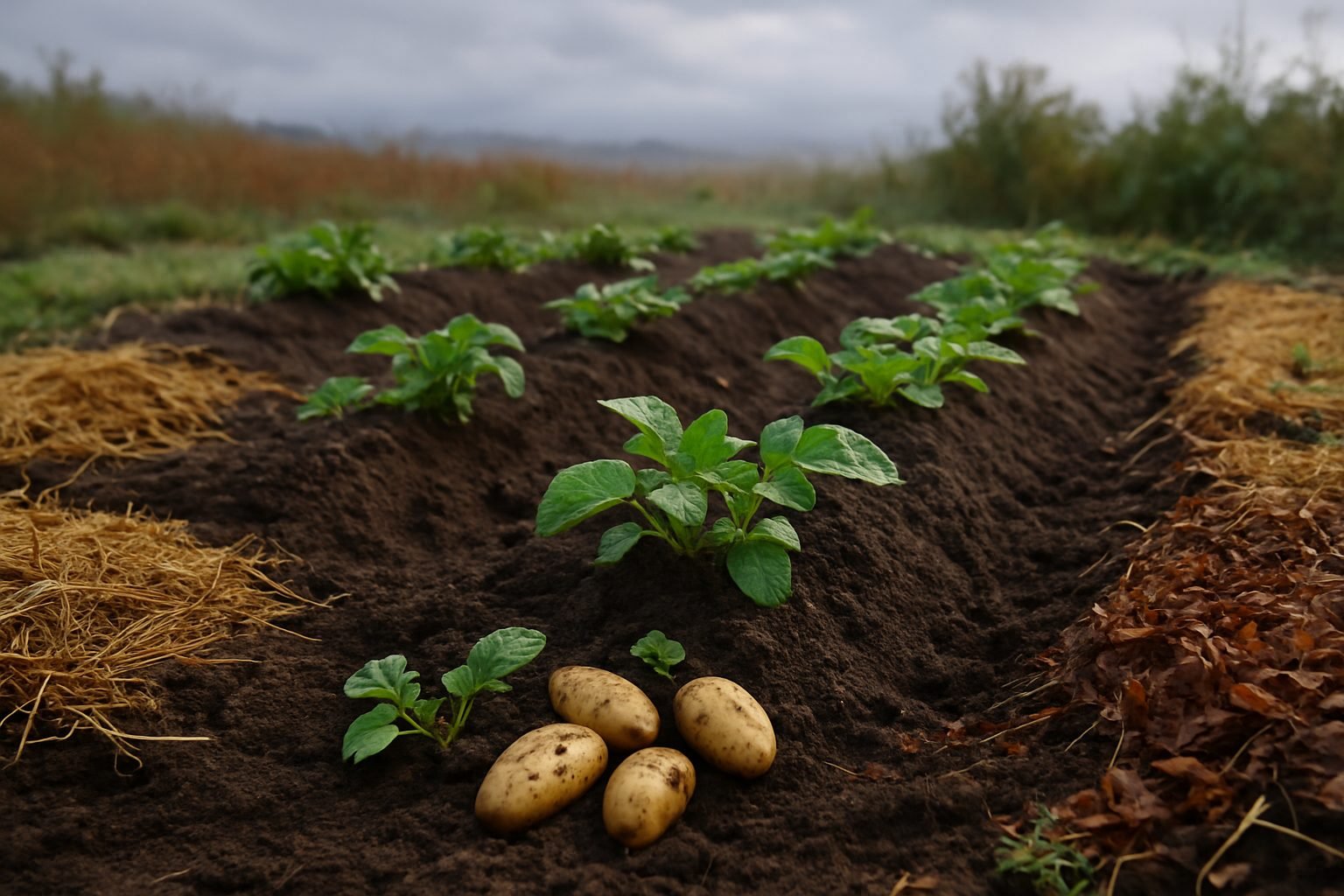
Understanding Potato Frost Tolerance
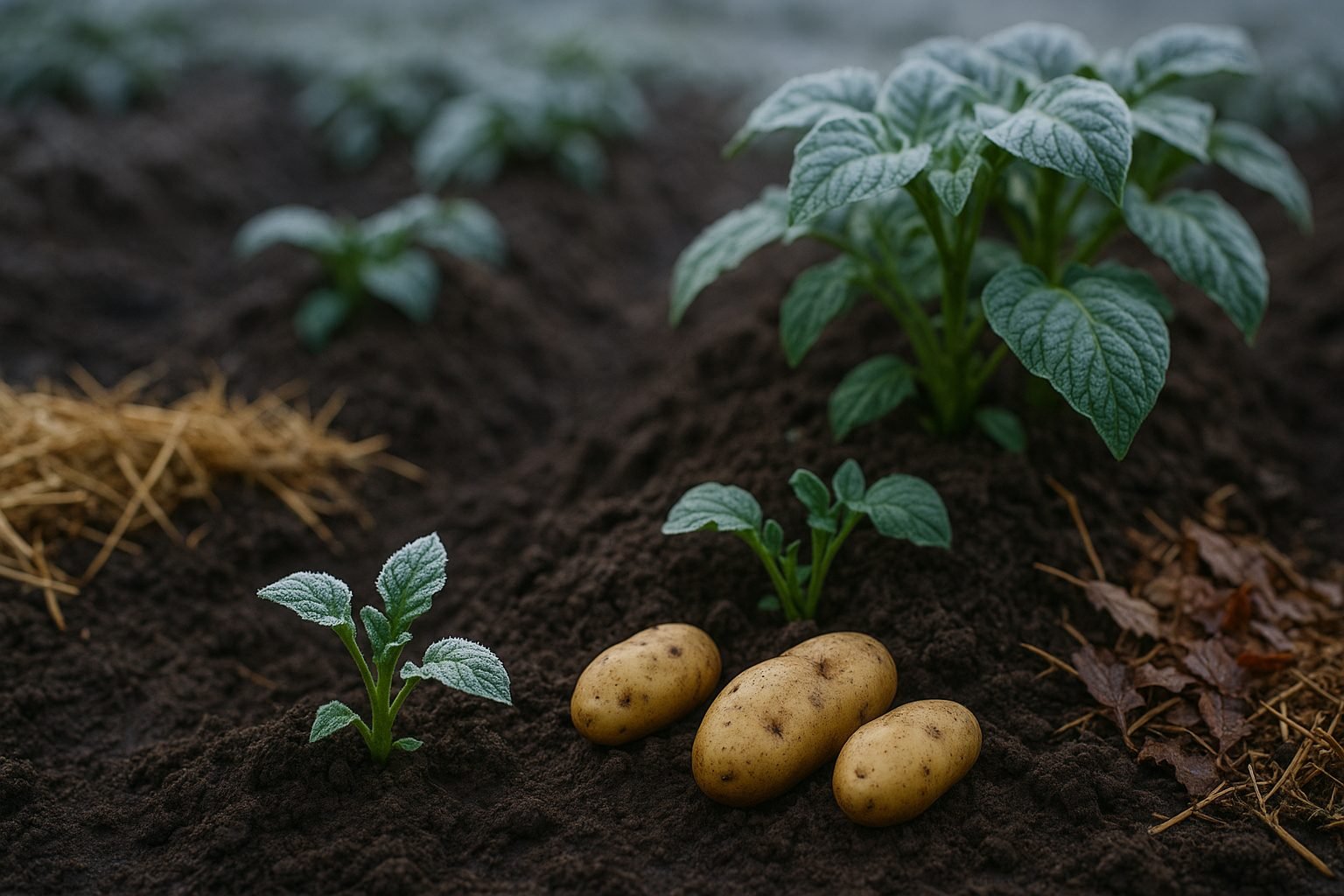
Understanding potato frost tolerance is essential for every gardener or farmer who relies on a healthy potato crop, especially since unpredictable cold snaps can threaten your harvest overnight. Not all potatoes handle chilly nights the same way—while young plants may seem tough, their frost tolerance is actually limited and varies by growth stage.
Seedlings and new shoots are the most vulnerable; even a light frost can singe their delicate leaves. Once plants mature, their foliage can tolerate slightly cooler temperatures, but they’re not invincible. Most varieties start showing signs of frost injury when temperatures dip below 29°F (-1.5°C) for just a few hours.
The effects of cold are twofold: a sudden frost will blacken leaves and halt photosynthesis, while a slow drop or extended exposure can chill underground tubers, leading to blackheart (a type of internal darkening) and soft, water-soaked spots. Potatoes that experience soil temperatures below 28°F (-2°C) are likely to suffer permanent tuber damage within a single cold night.
Therefore, if you’re expecting temperatures in the danger zone, consider real-world tips like mulching heavily, hilling up soil around the stems, or covering young plants with frost blankets as protective measures. Paying close attention to daily lows and being proactive when frost is forecasted will help you prevent a minor cold snap from wiping out months of hard work.
Choosing and Preparing the Right Seed Potatoes
Seed potatoes are simply potatoes selected specifically for planting, not eating, and they hold the key to a successful crop—especially if you’re growing in areas prone to late frosts. Quality matters: always start with certified seed potatoes from reputable suppliers, as these are guaranteed to be disease-free. This is crucial for resisting blights and viruses that can devastate young plants already stressed by chilly nights.
If you live in a region with unpredictable spring weather, look for hardy varieties like Yukon Gold, Red Norland, or Russet Burbank, all known for their tolerance to cooler soils and lingering frosts.
Preparing Your Seed Potatoes
Before planting, take a few easy preparatory steps to give your potatoes a strong head start. About two weeks before you plan to plant, place your seed potatoes in a cool, bright spot (out of direct sunlight) to induce “chitting”—letting them sprout stubby green shoots. This jumpstarts growth and improves your chance for earlier, healthier plants.
If your seed potatoes are on the larger side (bigger than an egg), you can cut them into pieces, making sure each chunk has at least one or two strong “eyes” (the little indents where sprouts emerge). Let the cut pieces dry for a day or two to form a protective callus, which helps prevent rotting in the soil.
With the right seed stock and just a little care in preparation, you’ll be amazed at how well your potato crop weathers the cold and rewards you with a robust early harvest.
Preparing Soil and Planting for Maximum Frost Protection
Maximizing frost protection for potatoes starts well before the cold arrives. It’s all about creating the right soil conditions and planting strategy. Good drainage is key—soggy soil holds cold air, encouraging frost to settle and chill your tubers.
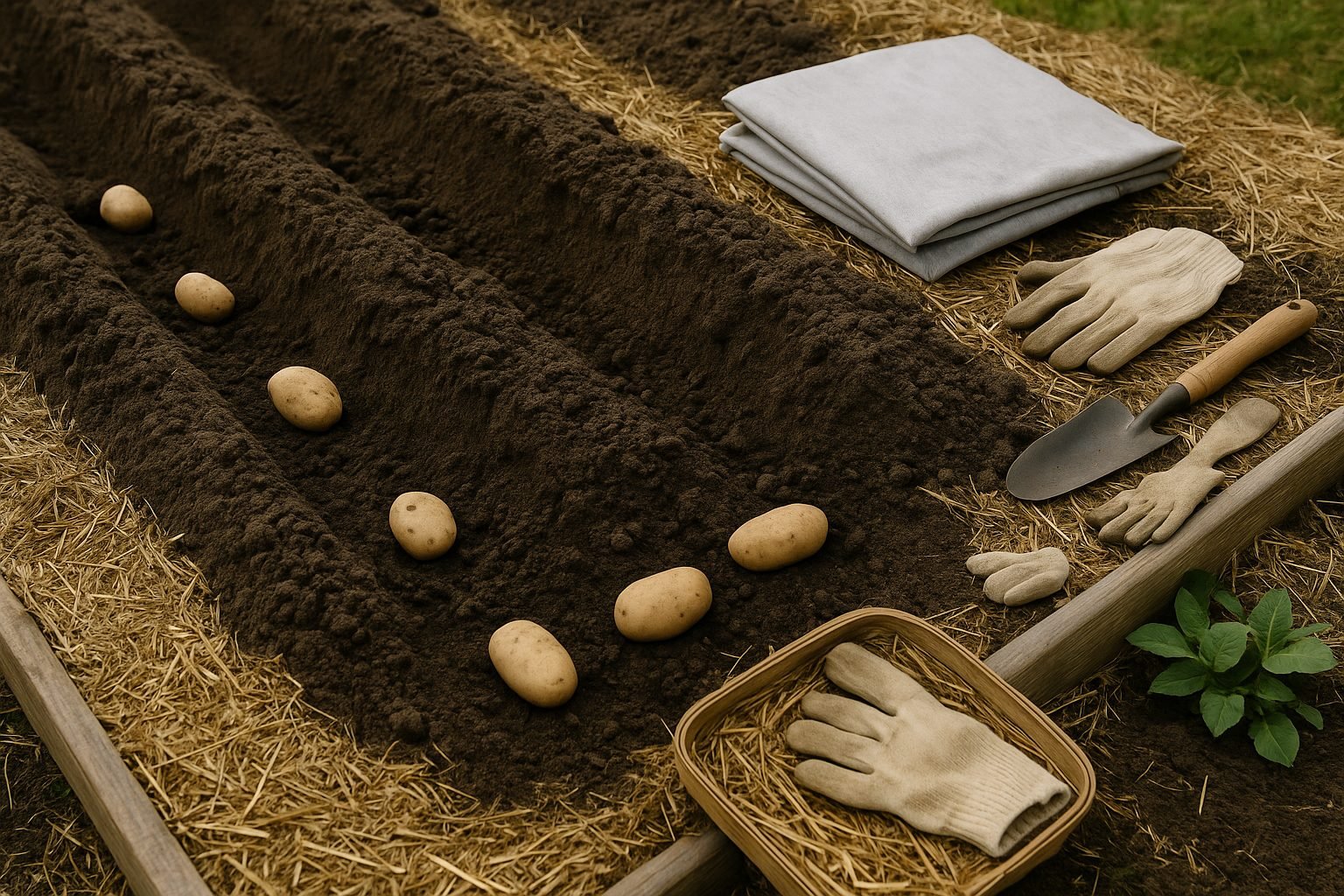
Raised beds or well-formed ridges about 6–8 inches above ground level improve drainage and keep soil warmer. Use compost or organic matter to boost your soil’s structure and warmth retention, as darker, rich soil absorbs and holds more heat during the day. Mulching with straw or shredded leaves after planting acts as insulation, protecting emerging shoots from chilling winds and sudden cold snaps.
When planting seed potatoes, place them 3–4 inches deep and leave 12–15 inches between plants. This spacing lets you “hill up” soil over the stems as they grow, forming protective mounds that shield developing tubers from frost and sunlight (which can turn them green and toxic). Hilling should begin when plants are 6 inches tall and be repeated as they grow—each time, pull loose soil up around stems, building ridges at least 8 inches high by season’s end.
Time your planting for one to two weeks before your area’s average last frost. Potatoes tolerate some cool, but young sprouts are vulnerable. Check local extension service guidelines for your frost dates, and if a late frost threatens, cover rows with frost cloth or old sheets overnight.
For container growers, opt for black pots (which absorb more heat), fill them with rich, well-draining mix, and cluster containers together for shared warmth. Move pots to a sheltered spot if frost is expected, and add extra mulch on top for insulation.
With smart prep and a little vigilance, you’ll give your potatoes the best defense against spring chills.
Recognizing and Preventing Frost Damage
Frost damage in plants often appears overnight, with clear warning signs such as drooping or wilted leaves, blackened and translucent patches, or stems and flower buds that feel soft or mushy to the touch. Early spring frosts can nip tender new growth, leaving recently sprouted plants looking stunted or singed, while damaging fall frosts typically affect mature plants, causing sudden browning and tissue collapse just as they’re preparing for winter.
Knowing the difference is crucial, as spring damage may limit the growing season, while fall frost signals the end for many annuals.
Preventing Frost Damage
Simple strategies can make a big difference in protecting your plants from frost damage:
- Cover sensitive plants with breathable materials like old sheets, burlap, or frost blankets overnight. These coverings trap ground warmth and prevent cold air from settling on foliage. Just remember to remove the coverings in the morning to avoid overheating.
- Water your plants deeply in the afternoon before a predicted frost. Moist soil retains heat better than dry soil, offering extra insulation to roots.
- Use mulch on garden beds or around young seedlings to add another layer of protection.
- If possible, position frost-vulnerable pots and containers close to the house or under large trees, where structures offer warmth or catch heat radiating from the ground.
Keeping an eye on local weather forecasts and acting quickly when frosty nights are expected will help you save plants from lasting damage and keep your garden thriving through the unpredictable shoulder seasons.
Caring for Potato Plants in Variable Weather
Caring for potato plants in unpredictable weather means staying proactive and adaptable. Regularly hilling soil or mulch around the stems provides extra insulation against temperature swings, helps suppress weeds, and supports healthy tuber growth.
Keep a close eye on weather forecasts, especially during spring and fall, when sudden cold snaps or heatwaves are common. Water consistently, ensuring the soil is moist but not soggy, since potatoes dislike waterlogged conditions. Container-grown potatoes may need more frequent checks, as pots dry out faster than garden beds.
If a surprise frost hits, don’t panic: wait until midday, then carefully trim away any blackened, wilted foliage so the plant can focus its energy on healthy growth. Gently cover damaged plants with a breathable fabric like an old sheet at night for a few days to prevent further shock. Recovery is possible if the tubers weren’t exposed and the plant still has green leaves.
For container potatoes, bring pots indoors or into a sheltered spot during cold nights. Remember, containers both heat up and cool down more quickly than the ground—meaning they need extra attention when temperatures are erratic. In-ground potatoes generally fare better during temperature swings, but both types benefit from a thick layer of straw or mulch for insulation.
By staying tuned in to weather changes and adjusting your care routine—whether watering, hilling, monitoring, or protecting—you’ll give your potatoes the best chance to thrive regardless of what the forecast brings.
Harvesting, Curing, and Storing Potatoes After Frost
To get the best harvest, it’s crucial to dig up your potatoes before the ground freezes. Frost can damage the tubers and lead to rot both during harvest and in storage. Keep an eye on the weather forecast in fall—ideally, you’ll want to harvest once the plant’s foliage has browned and died back, but while the soil is still above freezing.
If a light frost hits and the plants blacken, act quickly to harvest; deeper frosts can seep into the soil and harm the potatoes themselves.
After harvest, don’t wash the potatoes—instead, gently brush off excess dirt and let the skins toughen through curing. Cure your freshly dug potatoes by spreading them out in a single layer in a dark, humid space (about 85–90% humidity) at 50–60°F (10–15°C) for one to two weeks.
Good ventilation is key—consider using crates with holes or mesh shelves to allow airflow around all sides.
Once cured, move the potatoes to a cool, dark storage area such as a basement or root cellar, where temperatures stay around 40–45°F (4–7°C), and humidity remains high but with air movement to avoid mold.
Avoid storing your potatoes in the refrigerator or in airtight plastic bags, as these conditions trap moisture and promote rot. Instead, aim for paper bags, baskets, or open crates.
Regularly check stored potatoes for any signs of spoilage and remove affected tubers promptly to protect the rest.
Following these steps helps maximize freshness and flavor, so you can enjoy your homegrown potatoes throughout the winter.
Troubleshooting and Long-Term Success
Frost can catch even the most diligent gardeners off guard, leading to several common problems in potato crops. After a late spring or early fall frost, you might notice blackened or wilted leaves on your plants—clear signs that they’ve been nipped by the cold. Internally, frost-damaged tubers can develop dark, watery spots or a glassy appearance instead of their usual firm texture.
These hidden injuries often cause the potatoes to rot quickly in storage, so it’s important to inspect your harvest closely. If you discover mild frost damage, use those tubers first—they won’t keep well but are still safe to eat if cooked promptly. However, potatoes that are mushy, have a foul odor, or display extensive internal blackening should be discarded or composted to prevent any disease from spreading through your pantry or bin.
For long-term success, adopt a few proactive strategies:
- Rotate your potato crops each year to minimize soil-borne diseases.
- Plant in well-draining, rich soil amended with compost or organic matter to support strong, resilient plants.
- Choose potato varieties known for their frost resistance—these are often labeled in seed catalogs or at local nurseries.
- Keep frost cloth or row covers handy in case an unexpected cold snap is forecast—these simple tools can mean the difference between a lost and a thriving crop.
With a mix of careful observation, prompt action, and forward-thinking gardening practices, you can keep frost damage to a minimum and enjoy healthy potato harvests year after year.