Introduction
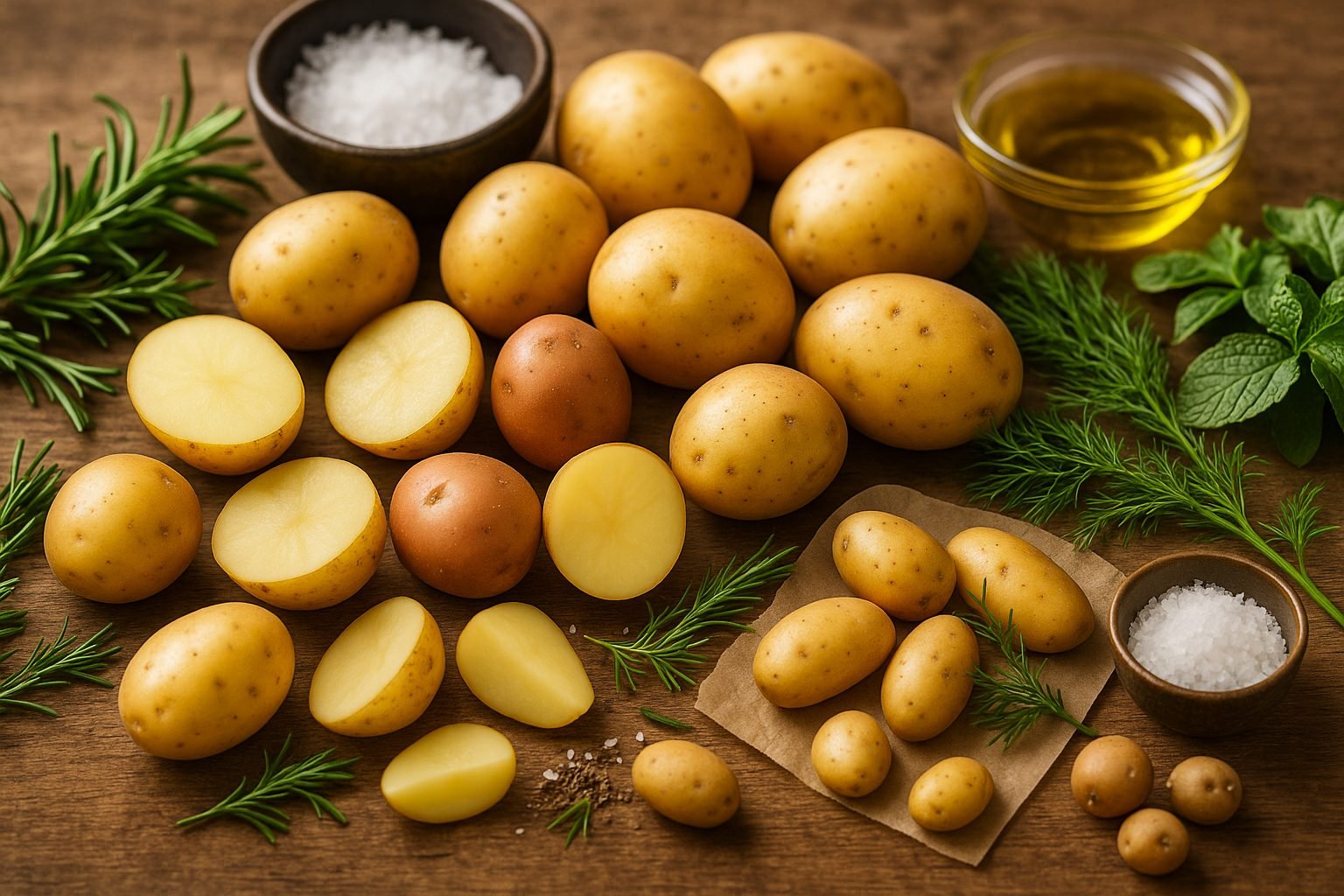
There’s something incredibly rewarding about digging into your garden and pulling up fresh, soil-dusted potatoes—nothing from the grocery store quite matches that just-harvested flavor. If you’re looking for delicious ways to use your crop, exploring garden potato recipes is the perfect place to start. Homegrown potatoes bring a sweet, earthy richness to every bite, elevating dishes both familiar and unexpected. Whether you’re whipping up creamy mashed potatoes, a crisp skillet hash, or a comforting baked casserole, the freshness shines through in every mouthful.
This post celebrates your harvest by sharing a variety of recipes—from time-honored classics like buttery roasted potatoes to creative twists like garden-fresh potato salads and inventive seasonal mains that put your spuds front and center. If you’ve ever wondered how to turn your garden haul into meals everyone will love, dive in for real-world inspiration, handy cooking tips, and dishes that make every potato feel special. Let’s celebrate your harvest with hearty, wholesome meals one bite at a time!
Selecting and Storing Homegrown Potatoes
Harvesting your homegrown potatoes at the right time makes all the difference in flavor and texture for your garden potato recipes. For the best results, wait until the plants’ foliage turns yellow and begins to die back—this signals that the potatoes are mature and their skins have toughened. Use a garden fork to gently lift the tubers from the soil, being careful not to pierce or bruise them, as damaged potatoes spoil faster.
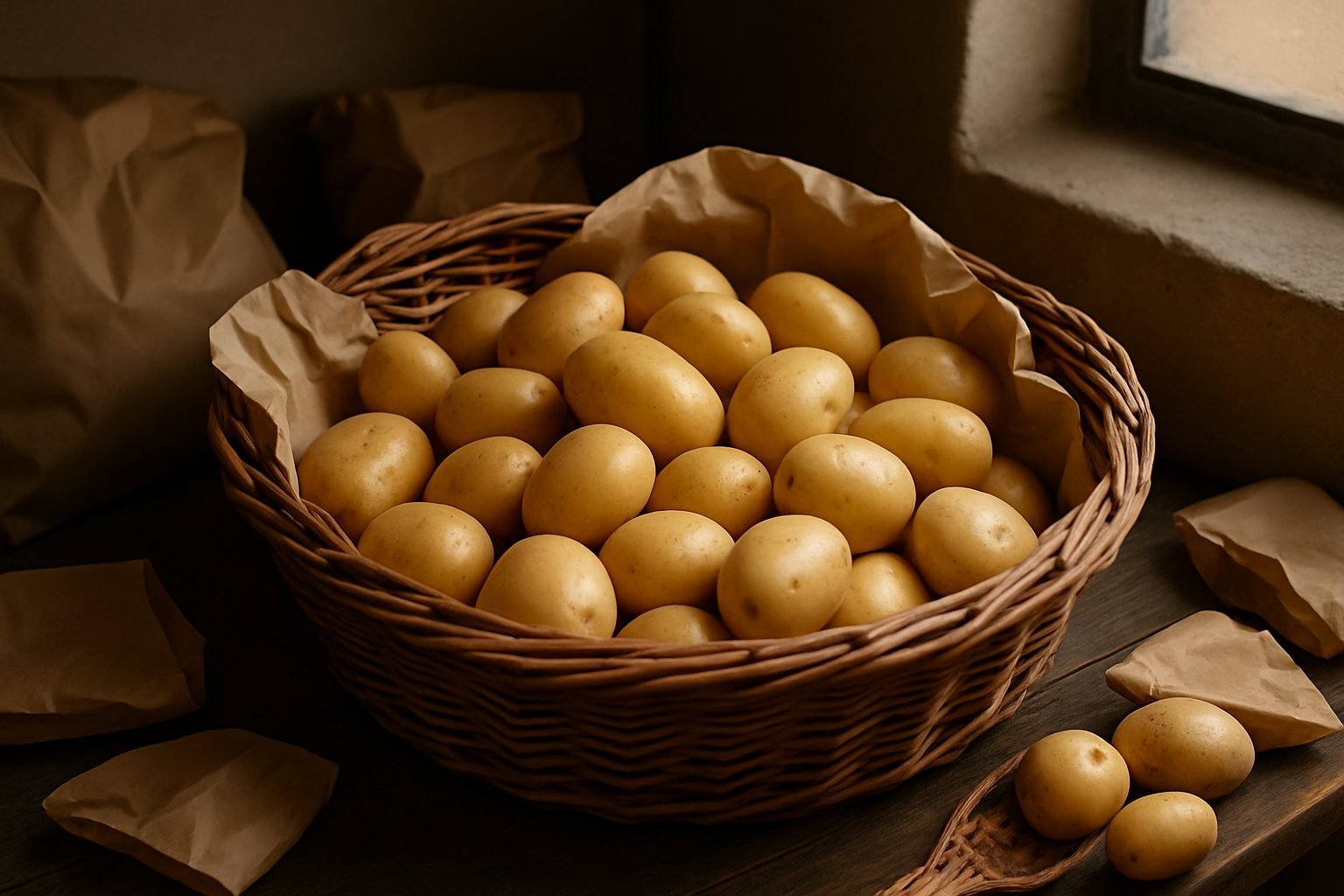
Once harvested, gently brush off excess soil but avoid washing the potatoes until you’re ready to use them, since moisture can promote rot during storage. To cure freshly dug potatoes, lay them out in a single layer in a cool, dark, well-ventilated area (like a shed or garage) for about 10 to 14 days. This helps wounds heal and thickens the skins, reducing the chance of spoilage.
After curing, transfer the potatoes to a breathable container such as a burlap bag or a cardboard box—never plastic, which traps moisture—and store them in a dark, cool place around 45-50°F. When cooking, choose potato varieties suited to your recipe: waxy potatoes like Red Bliss or Yukon Gold hold their shape well in salads and soups, while starchy potatoes such as Russets are perfect for fluffy mashed potatoes or baked dishes. By picking the right varieties and storing them properly, you’ll have top-quality potatoes ready to create delicious garden potato recipes all season long.
Classic Comforts – Timeless Potato Dishes
Classic potato dishes like mashed potatoes, roasted potatoes, and creamy potato gratin are beloved for their simplicity and heartwarming flavors—qualities that really shine when you use freshly harvested, garden-grown potatoes. Mashed potatoes become extra special with homegrown varieties like Yukon Gold, which bring a buttery texture, or Red Bliss, offering a slight earthiness. After boiling until fork-tender, mash them with warm cream and butter, or add a handful of roasted garlic for deeper flavor. For a fresh twist, stir in chopped herbs like chives, dill, or parsley straight from your garden.
Roasted potatoes are especially satisfying when freshly dug, as their skins crisp up beautifully. Cut them into even chunks and toss with olive oil, salt, pepper, and a homemade spice blend—think smoked paprika, garlic powder, and rosemary. Spread them on a parchment-lined baking sheet for the best crispiness, then finish with a sprinkle of flaky sea salt right out of the oven.
Potato gratin lets garden potatoes shine when thinly sliced and baked with cream, shredded Gruyère cheese, and a touch of nutmeg. For extra complexity, mix in thinly sliced leeks or sweet onions, and top the dish with fresh thyme. Personalize these comfort foods by experimenting with homemade seasonings—for instance, a blend of dried oregano, thyme, onion powder, and pink peppercorns adds a signature garden flair. Consider finishing off your dishes with a drizzle of herb-infused olive oil or a sprinkle of homemade dehydrated garlic chips.
Using potatoes straight from your garden adds a depth of flavor and texture you rarely get from store-bought tubers, making every bite a celebration of your harvest and a true comfort at the table.
Farm-to-Table Creativity – Unique Potato Recipes
When you grow potatoes in your own garden, you unlock a world of fresh flavors and culinary creativity that simply can’t be matched by store-bought tubers. Take the classic twice-baked potato, for example. By scooping out the insides of baked garden potatoes and mixing them with sharp cheddar, sour cream, chives, and even a handful of sautéed spinach or kale from your garden, you can customize each batch to showcase what’s ripe and ready that week.
For a unique twist, try making a potato pizza crust: grate a few large homegrown potatoes, squeeze out the excess moisture, and mix them with an egg, a little flour, and garden herbs like parsley or rosemary. Press the mixture into a pizza pan, bake until golden, then top with everything from roasted beets and goat cheese to fresh cherry tomatoes and oregano snipped straight from your plot.
Get Creative with Potato Pancakes
Potato pancakes, or latkes, offer another fantastic way to experiment with garden produce. Blend in shredded zucchini or carrots for added nutrition and a splash of color, then serve with homemade applesauce or a sprinkle of chervil or dill. The key to perfect latkes and crispy potato crusts is squeezing out as much liquid as possible before cooking—this ensures a crisp texture rather than a soggy one.
For the ultimate flavor boost, season your potatoes generously with fresh garden herbs; thyme pairs beautifully with earthy potatoes, while tarragon adds a subtle anise note that’s surprisingly delicious. Whether you’re mixing homegrown garlic into your mashed potatoes, tossing arugula onto your potato pizza, or garnishing pancakes with snipped green onions, garden potato recipes give you every reason to get inventive with both your potatoes and the fresh bounty at hand.
Try new combinations, trust your taste buds, and let your harvest inspire you—your next family favorite could be just one experiment away.
Seasonal Potato Dishes
One of the joys of cooking with homegrown potatoes is pairing their earthy flavor with fresh ingredients straight from your garden, creating dishes that truly celebrate the seasons. In spring, a new potato and asparagus salad is a perfect choice—simply toss steamed baby potatoes with crisp asparagus spears, chopped chives, and a sprinkle of dill or parsley. Drizzle with a light lemon vinaigrette for a salad bursting with green freshness.
Come summer, combine waxy potatoes with ripe tomatoes and sweet peppers in a roasted vegetable medley, finished with torn basil leaves and a touch of olive oil. This dish captures summer’s bold, sweet flavors in every bite.
As the air turns crisp in autumn, hearty comfort food takes center stage. Try a rich potato and pumpkin soup: roast garden potatoes and pumpkin together, blend until creamy, then stir in sautéed leeks and thyme for depth and a subtle herby aroma.
In winter, elevate a simple potato gratin with winter greens like kale or spinach from your greenhouse, adding both nutrients and color to your meal.
Throughout each season, homegrown herbs such as rosemary, sage, or even edible flowers like nasturtiums can add fragrance and a pop of color to any potato dish. Pairing potatoes with companion crops from your own beds means every meal reflects your garden at its peak, ensuring unbeatable freshness and flavor—plus the satisfaction of enjoying garden potato recipes made from what you’ve grown yourself.
Preserving and Using Potato Leftovers Creatively
Leftover potatoes from your garden bounty are truly a treasure—don’t let any of them go to waste! There are countless garden potato recipes that can transform yesterday’s sides into today’s main event. For a hearty breakfast, chop leftover roasted or boiled potatoes and toss them in a skillet with onions, peppers, or even chopped greens for a tasty hash.
If you’re after a snack, mash the potatoes with herbs and cheese, form into patties, and pan-fry for golden potato croquettes—an irresistible treat for all ages. Soups are another perfect choice: add diced or mashed potatoes to thicken and enrich chowders, or blend them into creamy potato-leek soups with just a little stock and seasoning.
If you have more leftovers than you can eat in a day or two, consider freezing. Allow cooked potatoes or potato-based dishes to cool completely, then store them in airtight containers or zip-top freezer bags. Mashed potatoes freeze especially well; just add a splash of milk and give them a good whip after reheating. Hashes and croquettes can be frozen in single layers and reheated in the oven or air fryer for quick meals.
Using leftovers creatively not only cuts down on kitchen waste but also keeps your weeknight menus fresh and exciting. Next time you find yourself with extra potatoes, don’t think of them as repeats—think of them as the perfect foundation for your next irresistible garden-inspired dish.
Cooking Tips for the Perfect Homegrown Potato Dish
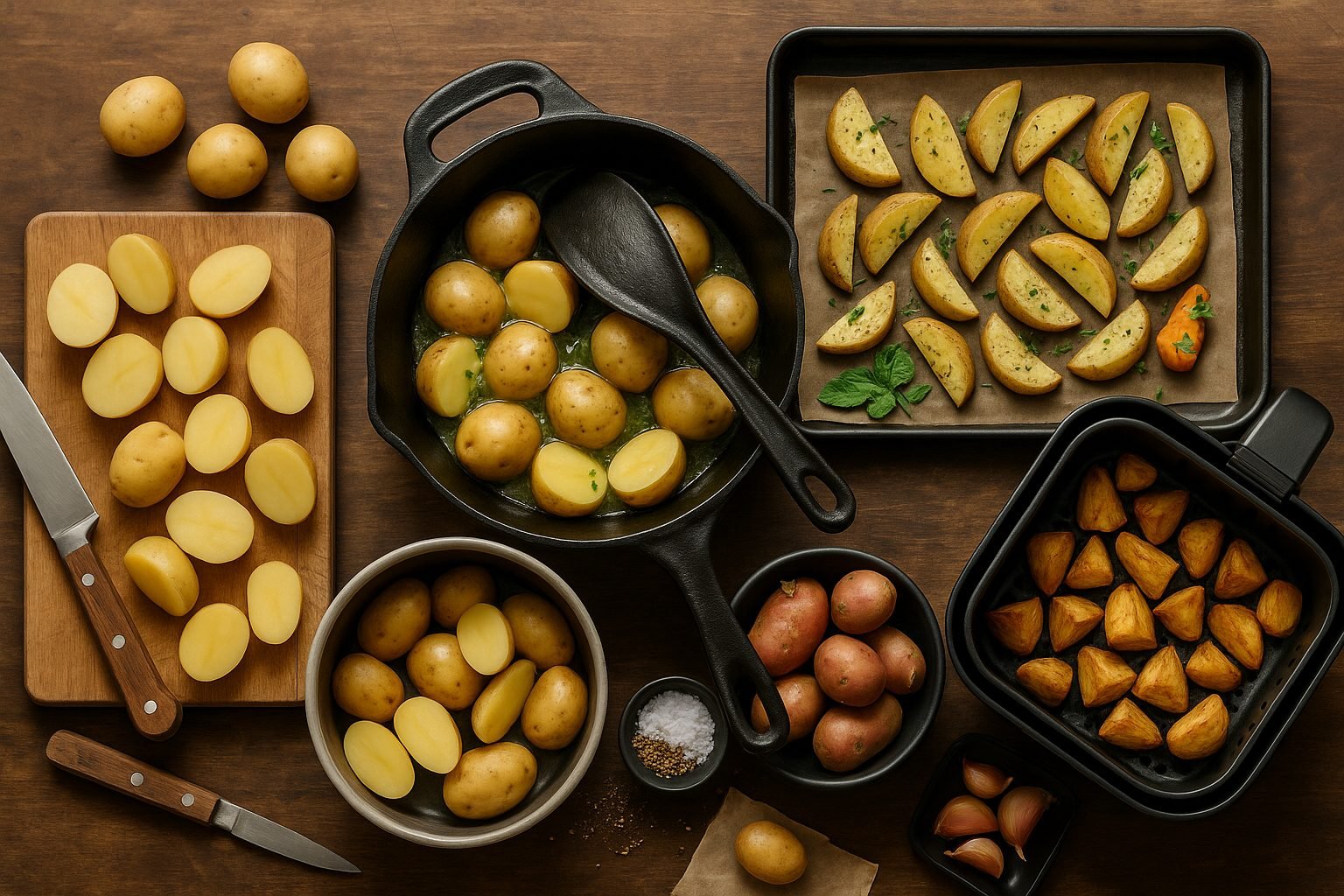
Turning your harvest into memorable garden potato recipes starts with the right prep. Homegrown potatoes often carry more soil than store-bought ones, so give them a good rinse under cold water, using a soft brush to remove stubborn dirt. For most recipes, especially those that highlight the delicate skin and flavor of new potatoes, peeling isn’t necessary—just trim away any blemishes or eyes with a paring knife.
If you do peel potatoes for a fluffy mash or creamy soup, work quickly to prevent oxidation and discoloration by dropping the peeled potatoes into a bowl of cold water until you’re ready to cook. Boiling works best with waxy varieties like Red Bliss or Yukon Gold; cut the potatoes into evenly sized pieces, start them in cold salted water, and simmer gently to avoid the outsides becoming mushy before the insides are cooked through.
For roasting, starchy potatoes like Russets or all-purpose types are ideal. After washing, dry them thoroughly, toss with a light coating of oil, and spread in a single layer on a baking sheet to achieve crisp edges. Frying is also great with starchy potatoes—pat potato slices completely dry before frying to reduce splatter and maximize crunch. Avoid crowding the pan to prevent steaming instead of browning.
Taste as you go and season gradually; homegrown potatoes often have a richer flavor, so it’s easy to overpower them with salt, garlic, or herbs. Finally, check doneness by piercing with a fork; perfect potatoes offer little resistance but hold together without falling apart. With these mindful steps, your garden potato recipes will showcase the best flavors and textures each variety has to offer.
Conclusion
Cooking with homegrown potatoes is a fantastic way to enjoy the fruits of your labor, adding unbeatable freshness and flavor to your meals. From classic mashed potatoes to creative bakes and vibrant salads, garden potato recipes let you make the most of what you’ve grown right in your own backyard.
Each harvest is a chance to experiment—try roasting small, just-dug spuds with herbs, blend homegrown varieties into rustic chowders, or create a signature family dish that becomes part of your seasonal traditions. Don’t be afraid to step outside your comfort zone; sometimes the best recipes come from bold ideas and a bit of creativity.
We’d love to hear how you use your garden potatoes! Share your tips, stories, and favorite recipes in the comments below to help build a thriving community of home gardeners and potato enthusiasts who inspire one another all season long.