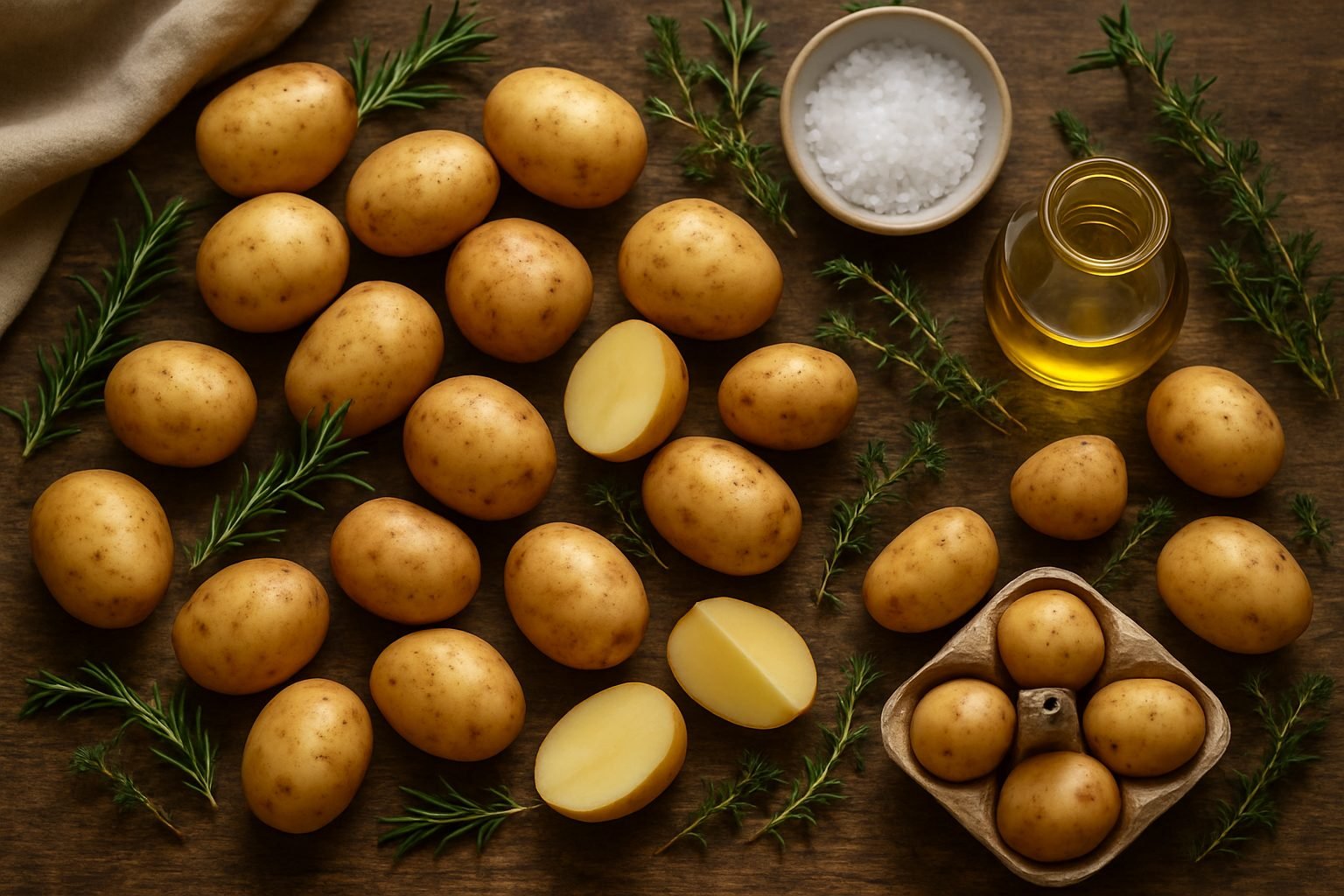
Introduction to New Potatoes
Cooking with garden potatoes is a delight that brings the crisp flavors of the season right to your table, especially when you’re working with new potatoes. These young, freshly harvested potatoes are picked before they reach full maturity, giving them their signature thin, delicate skin and a tender, waxy texture that stands apart from their older counterparts. The flavor of new potatoes is subtly sweet and earthy—far more vibrant than the standard spuds at the supermarket—and their arrival signals the start of spring and summer’s bounty.
Nutritionally, new potatoes are packed with vitamin C, potassium, and fiber, making them a healthy choice for any meal. Their skins (which are usually left on) boost both flavor and nutrients, and since they’re low in calories, new potatoes easily fit into a balanced diet. In the kitchen, these little gems shine in everything from simple steamed dishes and fresh salads to roasted sides and creamy chowders. They hold their shape beautifully when cooked, so you can toss them in salads or skewer them on the grill without fear of them falling apart.
In this comprehensive guide, we’ll walk you through the best ways to prepare new potatoes—whether you’re eager to try classic methods or explore creative twists. Get ready to unlock the delicious potential of garden-fresh potatoes in your cooking.
Choosing and Preparing New Potatoes
When shopping for new potatoes, look for ones with smooth, thin skins that are free from blemishes, cuts, or green spots. The freshest new potatoes feel firm to the touch and shouldn’t yield or feel soft when pressed. Avoid any that have started sprouting or look wrinkled, as these are signs they’re past their prime. Smaller, evenly sized potatoes tend to cook more uniformly, making them a great choice for dishes like roasted potatoes or potato salads.
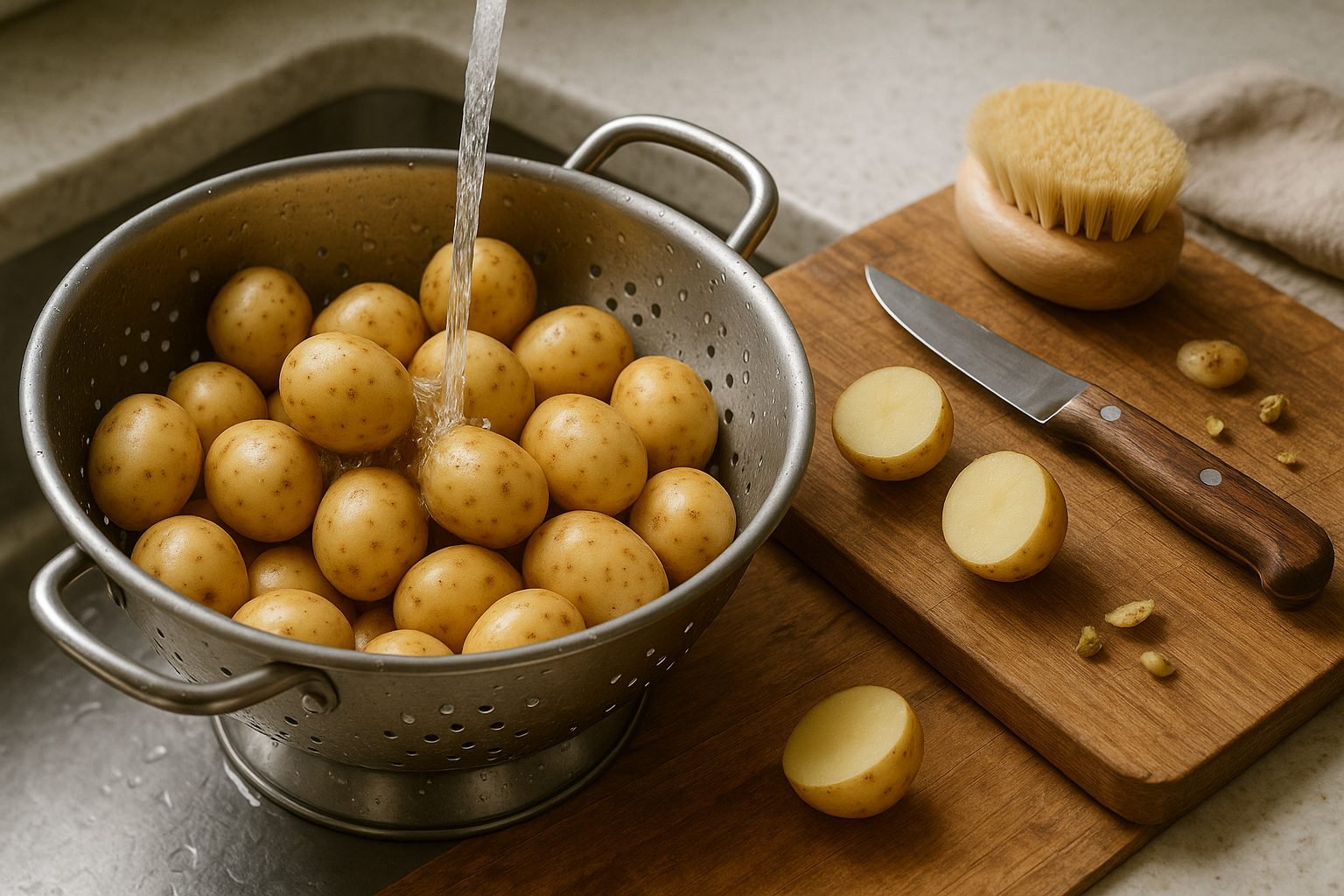
Once you’re home, it’s important to wash new potatoes thoroughly before using them. Since their skins are thin and tender—packed with both nutrients and rustic flavor—you don’t need to peel them. Instead, place the potatoes in a colander and give them a gentle but thorough scrubbing under cool running water using your hands or a soft vegetable brush to dislodge any lingering dirt. Pay special attention to crevices, where soil can get trapped.
If you notice any small eyes, rough patches, or discolorations, trim these away with a paring knife, but try to keep as much of the skin intact as possible. Finally, blot the potatoes dry with a clean kitchen towel before moving on to your chosen cooking method. This simple preparation not only keeps your meal nutrient-rich and flavorful but also celebrates the seasonal, fresh quality of new potatoes.
Classic Cooking Methods: Boiling, Steaming, and Roasting
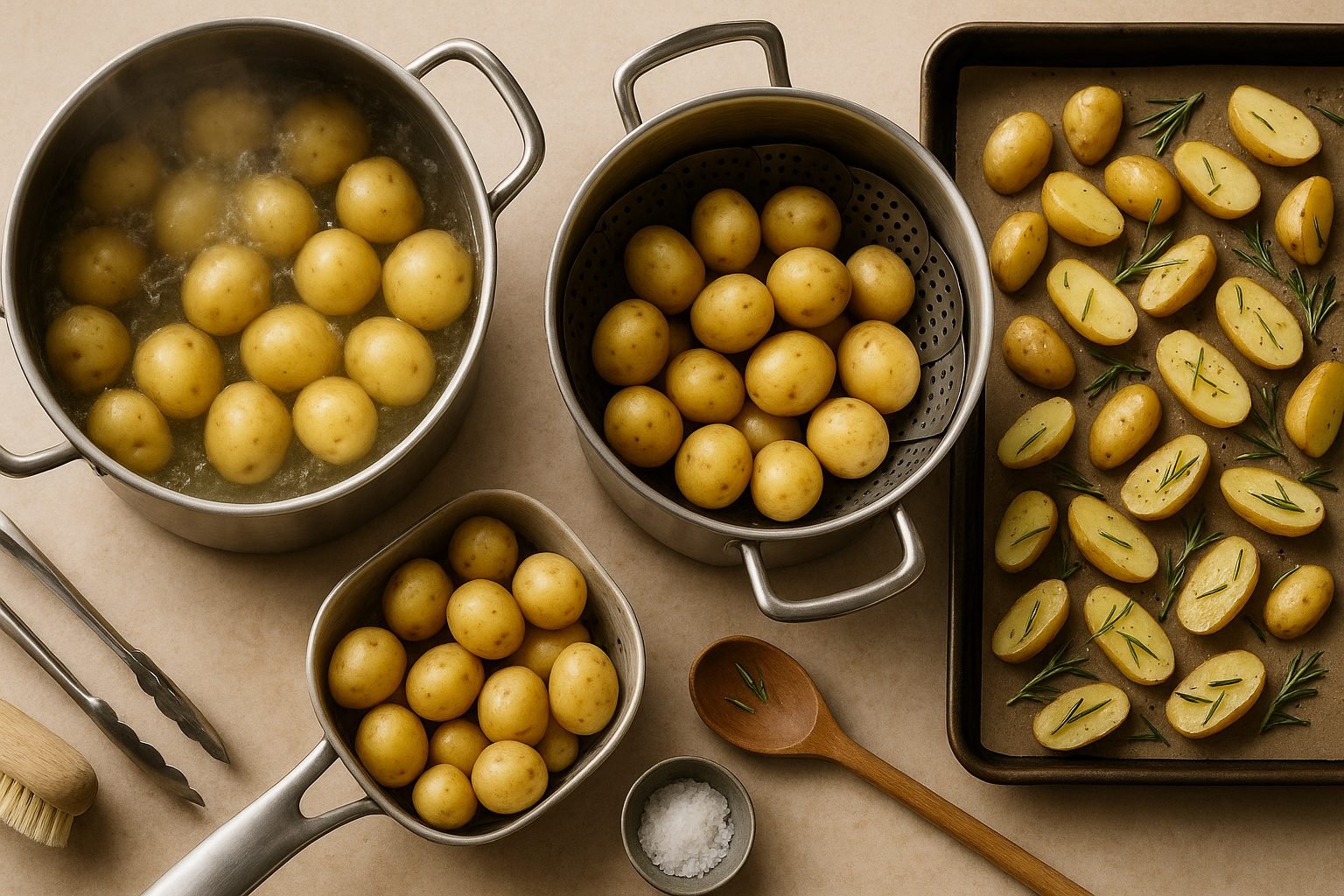
Boiling, steaming, and roasting are three classic methods for preparing new potatoes, each producing different textures and flavors.
Boiling
To boil, simply scrub the potatoes and place them in a pot of cold, salted water, then bring to a gentle boil. Cook for 12-15 minutes until a fork easily pierces them but they’re not falling apart. Drain immediately to avoid waterlogging, and season with a knob of butter, sea salt, and chopped herbs like parsley for extra flavor.
Steaming
Steaming is another gentle way to cook new potatoes, helping retain nutrients and that delicate, earthy taste. Arrange scrubbed potatoes in a steamer basket over simmering water, cover, and steam for 15-20 minutes. Test for doneness by poking with a fork—stop as soon as they’re tender to keep them from turning mushy. Finish with a drizzle of olive oil, a sprinkle of flaky salt, and maybe a squeeze of lemon for brightness.
Roasting
Roasting brings out the natural sweetness and delivers crispy skins. Toss halved potatoes in olive oil, salt, pepper, and rosemary if you like, then spread them on a baking sheet. Roast in a 425°F (220°C) oven for 25-30 minutes, flipping halfway, until the edges are golden and crisp while the insides stay creamy.
Whichever method you choose, try to keep the sizes uniform for even cooking and avoid overcooking by testing early. New potatoes should always feel tender without falling apart. Experiment with fresh herbs and simple seasonings to suit your taste, and enjoy the unique qualities each method brings to this seasonal favorite.
Pan Frying and Sautéing for Extra Flavor
Pan frying or sautéing new potatoes is a quick way to transform their naturally creamy centers with a deliciously crisp, golden exterior. Start by washing and halving the potatoes, then parboil them for 5-7 minutes until just fork-tender—this helps keep the insides fluffy while the outsides crisp up in the pan. Drain well and pat dry to minimize oil splatter.
For the best flavor and texture, heat a large skillet over medium-high heat and add a combination of butter and olive oil. The butter adds a rich taste, while the olive oil helps prevent burning. Once the fats are hot and shimmering, arrange the potatoes cut-side down in a single layer. Let them cook undisturbed for a few minutes to develop a golden brown crust before flipping.
To boost flavor, add smashed garlic cloves and sprigs of fresh rosemary or thyme to the pan. As the potatoes finish cooking, toss in chopped onions or sliced bell peppers; these aromatics caramelize beautifully alongside the potatoes, creating a well-rounded side dish. Season generously with salt, black pepper, or a pinch of smoked paprika for extra depth.
For an easy upgrade, finish with a handful of fresh herbs—parsley or chives add a punch of color and brightness just before serving. Try pairing your skillet new potatoes with seared chicken, fish, or grilled steak, or enjoy them on their own as a hearty vegetarian main alongside a crisp salad.
Creative Recipes and Serving Ideas
New potatoes are little flavor powerhouses that lend themselves to all kinds of easy, creative dishes beyond classic boiling or roasting. Turn them into a refreshing potato salad by tossing steamed halves with chopped fresh herbs, diced red onion, olive oil, lemon juice, and a sprinkle of sea salt.
For something hearty, try a Mediterranean sheet pan dinner: simply halve the potatoes, mix with cherry tomatoes, sliced bell peppers, kalamata olives, and a few sprigs of rosemary, drizzle with olive oil, and roast until everything caramelizes (about 30 minutes at 425°F).
If you want to wow guests with a simple yet gourmet side, give French-style brown butter potatoes a go: halve or quarter your new potatoes, simmer until just fork-tender, then sauté in a pan with plenty of unsalted butter, letting it melt and brown until nutty. Toss with chopped fresh parsley, a squeeze of lemon juice, and flaky salt before serving. It’s elegant yet approachable—perfect with roast chicken, pan-seared salmon, or grilled steak.
For a crispy twist, Parmesan new potatoes are always a hit—slice potatoes in half, toss with olive oil, garlic powder, and grated Parmesan, then bake cut-side down on parchment at 425°F until perfectly golden and crisp, about 25–30 minutes. Serve these alongside burgers or as a crowd-pleasing appetizer with sour cream dip.
If you’re looking for international flair, try a tangy German potato salad (with bacon, onions, and a warm mustard-vinegar dressing) or go Mediterranean by mixing roasted new potatoes with feta cheese, lemon zest, chopped oregano, and capers for a bright, punchy side.
Pair any of these with main dishes like grilled sausages, roast pork, or baked fish for a balanced, flavorful meal. Remember, new potatoes’ creamy texture and mild flavor make them incredibly versatile—so don’t be afraid to play with global spices, fresh herbs, or inventive seasonings to keep things exciting on your dinner table.
Storing and Reheating Cooked New Potatoes
To keep cooked new potatoes fresh and delicious, first let them cool completely before storing. Place them in an airtight container and refrigerate for up to three to five days—avoid leaving them out in the open, as this can cause a rubbery texture.
If your potatoes were roasted or sautéed and you want to maintain their crispiness, reheat them in a preheated oven at 400°F for about 10 minutes, spreading them out on a baking sheet.
For creamy mashed or boiled potatoes, transfer them to a covered oven-safe dish, sprinkle with a bit of milk or broth, and warm at 350°F until heated through.
On the stovetop, a non-stick skillet with a splash of oil can help revive roasted or fried potatoes, bringing back their crispiness—just cook over medium heat and turn occasionally.
The microwave is your quickest option but can zap away some texture. To avoid this, cover the potatoes with a damp paper towel and reheat in short bursts for evenly warmed, moist results.
Creative Ways to Use Leftovers
Don’t toss leftovers—try these tasty ideas:
- Stir them into soups
- Throw diced potatoes into a breakfast hash with eggs and veggies
- Slice and combine with crisp veggies and vinaigrette for a tangy, satisfying salad
No matter how you choose to reheat or repurpose, cooked new potatoes are incredibly versatile, so don’t hesitate to get creative and discover new favorite dishes.