Introduction
The debate of cauliflower vs broccoli is a popular topic among both home gardeners and health enthusiasts. These two cruciferous vegetables have earned their place on dinner plates worldwide, thanks to their versatility, vibrant flavors, and well-known health benefits. However, when it comes to growing a backyard garden or enhancing your diet, choosing between cauliflower and broccoli can be surprisingly challenging. Each plant has its own characteristics: broccoli tends to be hardier in cooler weather, while cauliflower demands more careful attention to temperature and soil conditions. Understanding these differences is key for anyone looking to maximize their harvest or nutritional intake.
In this article, we’ll compare cauliflower and broccoli from a gardener’s perspective—examining how easy they are to grow, what conditions they need to thrive, and which climates or spaces suit them best. We’ll also break down their nutritional profiles, helping you decide which vegetable better fits your health goals. Finally, you’ll find practical tips for growing and cooking both, so you can make the most of whichever cruciferous king you choose for your garden or kitchen.
Cauliflower vs Broccoli: Plant Basics and Growing Requirements
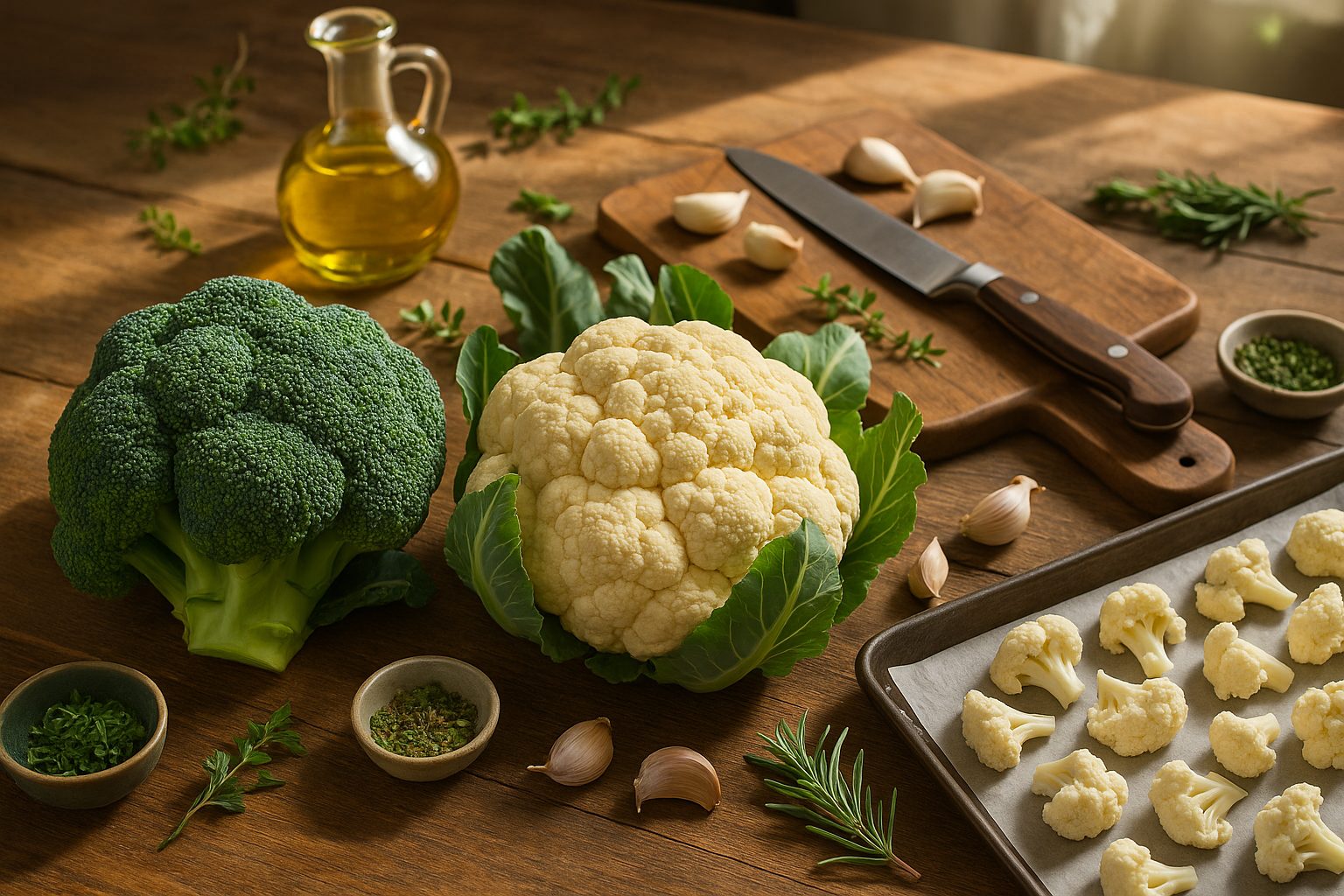
Cauliflower and broccoli are both cool-season vegetables from the Brassicaceae family, commonly called cruciferous vegetables, but they come from different species: cauliflower is Brassica oleracea var. botrytis, while broccoli is Brassica oleracea var. italica. Despite their close botanical relationship, they differ in appearance and growth habits. Cauliflower forms a dense, white (sometimes purple or orange) central head, whereas broccoli produces a looser, green cluster of florets branching from a thick stem, often with edible side shoots after the main head is harvested.
Both vegetables thrive under similar garden conditions, preferring rich, well-drained soil with a pH between 6.0 and 7.0. They need at least six hours of full sunlight daily for the best yields. While both crops require plenty of water, broccoli is somewhat more drought-tolerant than cauliflower, which demands consistent moisture. Mulching both is a smart way to conserve soil moisture and keep roots cool.
In terms of temperature, both cauliflower and broccoli prefer the mild chill of spring and fall. However, cauliflower is more sensitive, needing a steady 60–65°F for smooth head development and prone to “buttoning” (small, unusable heads) if temperatures fluctuate too much. Broccoli is more tolerant and can handle daytime highs into the mid-70s. For planting, start seeds indoors 4–6 weeks before your last frost date, and transplant when seedlings are sturdy. In colder climates, set cauliflower out a bit earlier, since hot weather can quickly spoil the crop.
Common home gardening broccoli varieties include ‘Waltham 29’ (reliable in cool weather), ‘Calabrese’ (classic Italian type), and ‘Green Magic’ (compact and heat-tolerant). Popular cauliflower varieties include ‘Snowball’ (early and dependable), ‘Cheddar’ (orange curd, rich in beta-carotene), and ‘Graffiti’ (eye-catching purple curds). With careful attention to their specific needs, both cauliflower and broccoli can be standout crops for home gardeners.
Seed Starting and Transplanting Tips
When deciding between cauliflower vs broccoli for your garden, starting seeds properly is essential for a successful harvest. Both vegetables are from the brassica family and prefer cool weather, making early spring or late summer the best time to start seeds. Begin indoors 6-8 weeks before your last expected frost date, using seed trays or small pots filled with quality seed-starting mix. Plant seeds about ¼ inch deep. Broccoli seeds usually sprout within 5-10 days, while cauliflower may take a couple of days longer.
If you choose to sow directly outdoors, wait until the soil temperature reaches at least 50°F. Sow seeds about half an inch deep and space them 3 inches apart before thinning.
Once seedlings have developed two to three sets of true leaves, typically after 4-6 weeks, they’re ready to transplant. Give broccoli plenty of room, spacing plants 18-24 inches apart. Cauliflower needs a bit more space—24-30 inches apart—to allow heads to fully develop.
When transplanting, plant seedlings so their lowest leaves sit just above the soil surface; burying part of the stem helps stabilize the plant. To reduce transplant shock, water seedlings thoroughly about an hour before moving them, and handle them by their leaves to avoid damaging the stems. Harden off seedlings over 7-10 days by gradually exposing them to outdoor conditions, which builds resilience.
Enhance soil fertility by adding organic compost to planting holes. Transplanting on a cool, cloudy day or in the evening helps reduce stress and gives roots a gentle start.
Pest and Disease Considerations
When comparing cauliflower vs broccoli in the garden, understanding pest and disease pressures is essential for healthy crops. Both vegetables belong to the Brassica family and attract similar pests, including cabbage worms, aphids, and flea beetles. However, broccoli generally experiences slightly less intense pest pressure, possibly due to its tougher foliage and different maturation times.
Cauliflower, with its more tender heads, is highly susceptible to caterpillar damage and often attracts more aphids during humid weather. Regarding diseases, both crops are vulnerable to clubroot—a soil-borne fungus that causes wilting and root deformities—and downy mildew, which appears as yellow patches on leaves in damp conditions. Broccoli tends to have better field resistance to downy mildew compared to cauliflower, but neither is immune. Some modern broccoli cultivars are bred for increased disease resilience, while cauliflower still has fewer resistant options.
For organic pest management, floating row covers work well to exclude moths and beetles during vulnerable growth stages, and regular hand-picking of caterpillars can help prevent severe outbreaks. Introducing beneficial insects such as ladybugs and lacewings naturally controls aphids. Crop rotation is crucial for managing soil-borne diseases like clubroot, so avoid planting brassicas in the same spot more frequently than every three to four years.
Additionally, maintain good garden hygiene by removing plant debris at the end of the season, as it can harbor pests and pathogens. Choosing disease-resistant varieties, especially for broccoli, provides an extra layer of protection. Regularly monitoring your plants for early signs of disease or pest activity is key to acting quickly and keeping both cauliflower and broccoli thriving.
Harvesting and Yield Comparison
When it comes to harvesting, understanding the difference between cauliflower vs broccoli can help you get the best results from your garden. Cauliflower heads are ready to harvest when they reach a compact, firm size—usually 6 to 8 inches across—and maintain a creamy white color. If you wait too long, the heads may loosen and start to yellow.
In contrast, broccoli should be picked when the main central head is tight, dark green (sometimes with a slight purple hue), and before the buds open into flowers. On average, broccoli tends to yield more because, after harvesting the central head, the plants often produce smaller edible side shoots for several more weeks, extending your harvest.
Cauliflower, on the other hand, generally produces only one main head per plant with little to no significant regrowth.
To keep harvested heads fresh and nutrient-rich, trim off excess leaves, rinse gently in cool water, and refrigerate promptly. For the longest storage life, wrap them loosely in a damp paper towel or place them in a perforated plastic bag in the crisper drawer. Avoid washing until just before use if storing for several days, as excess moisture can shorten shelf life.
Nutrition Showdown: Cauliflower vs Broccoli
When it comes to nutrition, cauliflower and broccoli both pack a powerful punch, but they differ in several key areas that can impact your health choices. Broccoli is often celebrated for its high levels of vitamin C, vitamin K, and folate—offering about 90 mg of vitamin C and more than 100 micrograms of vitamin K per cooked cup. Cauliflower, on the other hand, provides a solid but slightly lower dose of these vitamins, with around 55 mg of vitamin C and roughly 15 micrograms of vitamin K per cooked cup. Fiber is another important aspect in the cauliflower vs broccoli debate: both deliver about 2-3 grams of fiber per cooked cup, supporting digestion and gut health. Calorie counts are minimal for both, hovering around 25-30 calories per serving, making either an easy fit for calorie-controlled diets.
Distinct health benefits set these veggies apart. Broccoli boasts higher amounts of sulforaphane, a phytochemical linked to potential cancer-fighting properties and anti-inflammatory effects. This makes broccoli a favorite among those looking to boost their body’s defenses against chronic disease. Cauliflower shines with its higher choline content—a vital nutrient that supports brain health, memory, and development, making it an excellent option for pregnant women or older adults aiming to support cognitive health. Broccoli also tends to be a slightly better source of vitamin A (in the form of beta-carotene), essential for vision and immune function, while cauliflower stands out for its impressive levels of vitamin B6, which aids metabolism and energy production.
Choosing between cauliflower vs broccoli may come down to your personal health goals or dietary restrictions. Those managing blood clotting disorders or on blood thinners might opt for cauliflower due to its lower vitamin K content, while individuals seeking to increase their antioxidant intake or support cancer prevention may gravitate toward broccoli for its rich sulforaphane and beta-carotene. For low-carb or keto diets, both vegetables are suitable, but cauliflower is especially popular as a potato or rice substitute because of its mild flavor and texture. Ultimately, including both in your diet ensures you maximize the diverse health benefits these cruciferous veggies offer.
Culinary Uses and Taste Differences
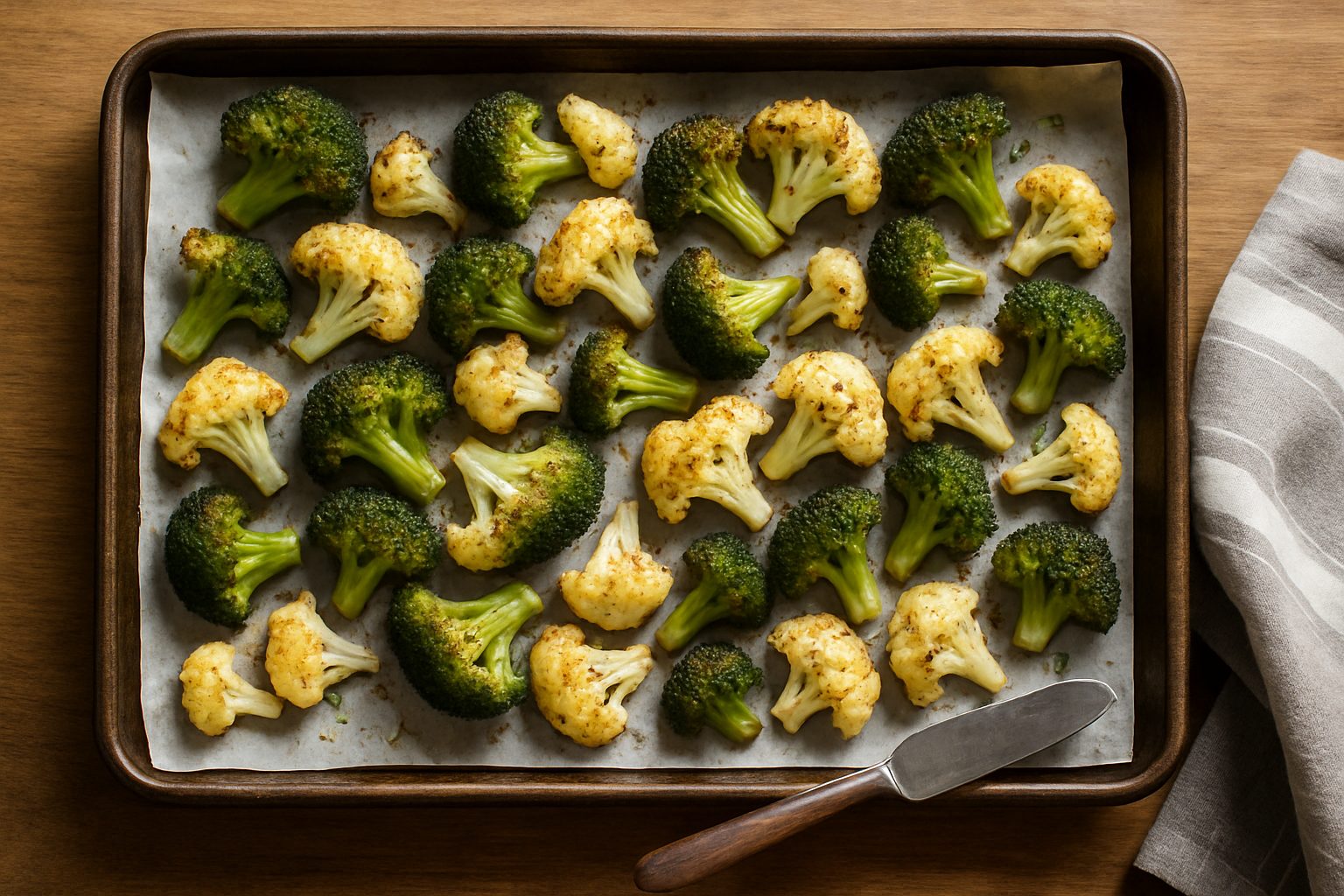
When it comes to the cauliflower vs broccoli debate in the kitchen, both vegetables have their unique appeal because of their different textures and distinct flavors. Broccoli has a slightly bitter, earthy taste and a crisp-tender texture that holds up well to steaming, roasting, and stir-frying. Its florets absorb sauces beautifully, making it a star in dishes like beef and broccoli stir-fry or a classic cheesy broccoli bake.
Cauliflower, on the other hand, offers a milder, subtly nutty flavor with a dense, almost creamy texture when cooked. This makes it versatile for roasting—try tossing it with olive oil and spices for crispy roasted cauliflower—or mashing as a low-carb alternative to potatoes. Cauliflower is also a favorite for those seeking grain-free options, working well in cauliflower rice or pizza crust.
For a quick meal, you might toss broccoli florets into a green salad or add steamed broccoli to pasta, while cauliflower can be blended into soups or grilled as hearty “steaks.” For sensitive stomachs, it’s worth noting that both vegetables contain FODMAPs, which can cause gas or discomfort for some individuals, especially when eaten raw. Light steaming or roasting can help make them easier to digest, so try introducing them in small portions if you’re prone to digestive issues.
Conclusion and Final Recommendations
When comparing cauliflower vs broccoli, both are nutrient-packed, garden-friendly veggies. Broccoli prefers cooler conditions and needs a bit more space, while cauliflower is a bit fussier about soil and temperature but fits well in smaller plots. Nutritionally, both are excellent sources of vitamins, antioxidants, and fiber, with only minor differences in specific nutrients.
If garden space is limited, cauliflower may be easier to fit in, but if you want a hardier plant, broccoli might be the better choice. Ultimately, growing or eating both provides the most variety, flavor, and health benefits—so why not enjoy them together?