Introduction
Year-round cabbage growing is a dream for many home gardeners who appreciate the crisp crunch and nutritional punch this versatile vegetable brings to the table. Imagine stepping into your backyard in any season and harvesting fresh cabbage for coleslaw, stir-fries, or hearty winter soups.
Not only is cabbage beloved worldwide for its adaptability in the kitchen, but its easy cultivation makes it a popular choice among gardening enthusiasts of all skill levels. In this article, we’ll explore whether growing cabbage year-round is truly possible, highlight the best varieties for continuous harvests, and share practical tips for managing pests, optimizing soil, and adapting to changing seasons.
Whether you’re new to gardening or a seasoned pro, you’ll find actionable advice to boost your yields and enjoy homegrown cabbage every month of the year. Let’s dig into what it takes to keep this garden favorite thriving no matter the weather.
Choosing the Right Cabbage Variety
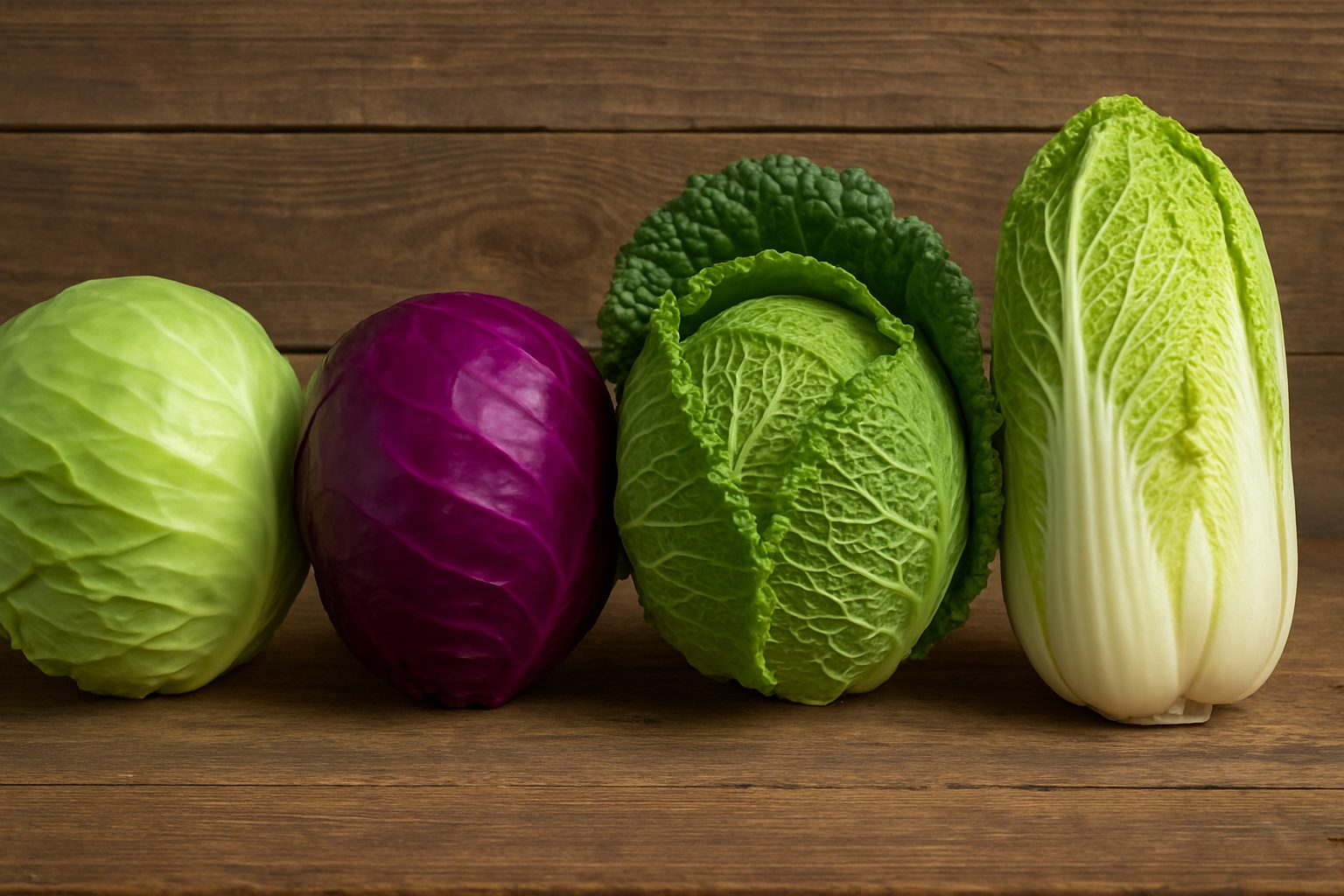
When selecting a cabbage variety for your garden or kitchen, it helps to understand what differentiates each type and how those traits fit your needs.
Green cabbage, the most common variety, has smooth, tightly packed leaves and holds up well in salads, coleslaw, and stir-fries. Red cabbage offers a vibrant pop of color and a slightly peppery flavor, making it ideal for pickling or shredding raw into salads — plus, its antioxidant content is a nutritional bonus.
Savoy cabbage stands out with its crinkled, tender leaves, perfect for rolling, which makes it a top choice for stuffed cabbage recipes. It also thrives in cooler temperatures. Napa cabbage, also known as Chinese cabbage, features elongated heads and a mild, sweet taste, popular in Asian dishes like kimchi or stir-fries. It prefers milder climates and matures quickly.
If you’re a beginner, look for disease-resistant cultivars like ‘Stonehead’ or ‘Copenhagen Market’ (green), ‘Ruby Perfection’ (red), or ‘Farao’ (an early savoy variety). These are bred to resist common cabbage pests and diseases. In hot climates, choose heat-tolerant varieties such as ‘Golden Acre’ or Chinese cabbage types, while gardeners in cooler regions may have more success with traditional European varieties.
To ensure the best heads, select firm, unblemished starts or seeds labeled as bolt-resistant, which helps avoid premature flowering. By matching cabbage types to your local conditions and planned recipes, you’ll enjoy a more rewarding growing — and eating — experience.
Planning When and Where to Grow Cabbage
Getting the timing and location right is key when growing cabbage, whether you’re aiming for a spring or fall harvest. For spring cabbage, sow seeds indoors about 6-8 weeks before your last expected frost. Then, transplant seedlings outdoors when they’re sturdy and the soil is workable—usually 2-3 weeks before the frost date.
Fall cabbage crops start later: sow seeds directly outdoors or transplant seedlings midsummer, around 6-8 weeks before your area’s first expected autumn frost.
Choose a garden spot that gets at least 6 hours of direct sun a day; cabbage thrives in full sunlight. Well-drained, fertile soil is a must—mix in compost or aged manure before planting and maintain soil pH between 6.5 and 6.8 for the best results. If temperatures regularly spike above 80°F (27°C), consider providing afternoon shade or using shade cloth to keep plants from bolting.
Growing Cabbage in Containers
Cabbage isn’t just for big gardens—container growing is totally doable on balconies or patios. Pick a container at least 12 inches deep and wide per plant, fill it with rich, fast-draining potting mix, and keep the soil consistently moist but never soggy. Just make sure containers are placed somewhere with plenty of sun and sheltered from strong winds.
Additional Tips for Healthy Cabbage
- Rotate where you plant cabbage each year to help prevent disease.
- Practice good spacing—typically 12-24 inches apart—to boost air circulation.
By tailoring your planting schedule and environment, you’ll set up your cabbage crop for a robust, crisp harvest.
Sowing and Planting Cabbage
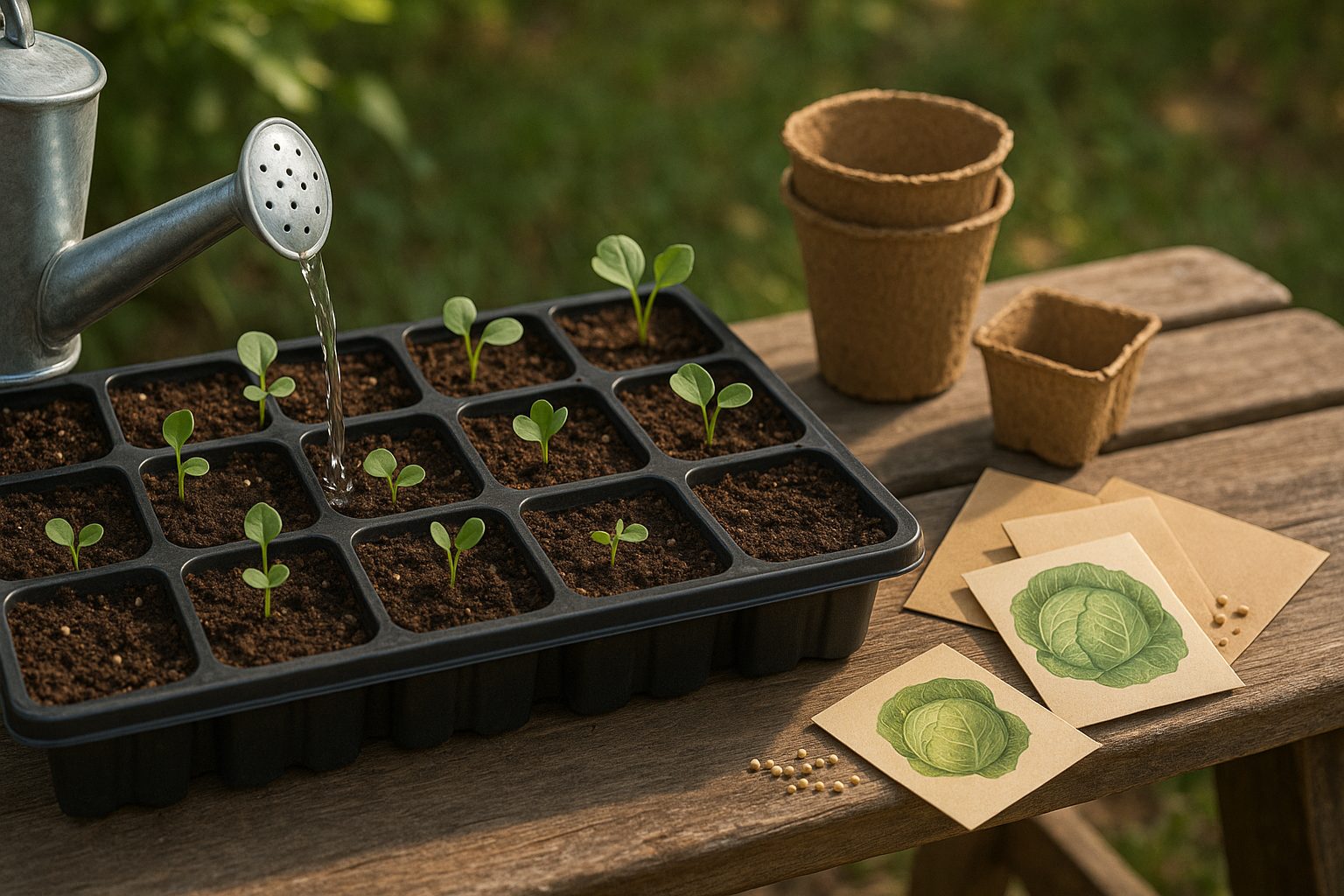
Starting cabbage from seed gives you more variety choices and helps ensure a strong, healthy crop. For most regions, it’s best to start seeds indoors about 6-8 weeks before the last expected frost. Use seed trays or small pots filled with seed-starting mix, sowing seeds about a quarter-inch deep. Keep the trays in a bright spot, maintaining soil moisture without making it soggy.
Once seedlings develop two true leaves, thin them to one strong plant per cell or pot. If you prefer direct sowing outdoors, wait until the soil can be worked and nighttime temperatures stay above freezing. Sow seeds a half-inch deep and thin as needed so young plants have room to grow.
No matter your method, proper transplanting is key. When seedlings are 4 to 6 inches tall and have several strong leaves, begin hardening them off about a week before planting outside. Place them outdoors for a few hours in sheltered, shady spots, gradually increasing time and sun exposure each day. This toughens the plants to wind and temperature swings, reducing transplant shock.
When you’re ready to plant, dig holes so seedlings sit at the same depth as in their pots, spacing them 12 to 24 inches apart in rows 18 to 36 inches apart to give them room to form full heads. Water well after transplanting and mulch to retain soil moisture.
Companion Planting
For healthier cabbage and natural pest defense, try companion plants like dill, onions, or nasturtiums nearby. Avoid planting cabbage with strawberries, tomatoes, or pole beans, as they can stunt growth or compete for nutrients.
Following these steps sets the stage for a thriving cabbage patch, whether in garden beds or raised planters.
Caring for Your Cabbage Crop
To nurture a thriving cabbage crop, consistent watering is essential—aim to keep the soil moist but not soggy, providing about 1 to 1.5 inches of water per week, especially during dry spells. Early morning watering helps prevent leaf diseases by allowing foliage to dry quickly.
Mulching is another key strategy: spread a two- to three-inch layer of straw, grass clippings, or shredded leaves around your plants to retain soil moisture, suppress weeds, and regulate temperature.
For healthy growth, cabbage appreciate steady nutrition, so feed your crop with a balanced fertilizer at planting time and again when the heads begin to form; fish emulsion or a well-balanced granular fertilizer both work well.
Weeding is crucial—remove weeds regularly by hand or with shallow hoeing to avoid disturbing cabbage roots and to prevent competition for nutrients.
Stay vigilant for pests like aphids and cabbage worms—pick them off when you spot them. Also, remove any yellowing lower leaves to boost airflow and reduce disease.
When temperatures dip in early spring or late fall, protect your cabbage with fabric row covers or upturned buckets overnight to shield against frost. During heat waves in the summer, shade cloth can help prevent your cabbages from wilting or bolting.
Seasonal Care Tips
- Spring: Prepare soil with compost and start seeds indoors if your growing season is short.
- Summer: Water deeply and weed often.
- Fall: Harvest heads as they mature, and promptly remove stumps and debris to prevent disease carryover to next season.
By tending to watering, mulching, nutritional needs, weed control, and seasonal changes, you’ll encourage robust, tasty cabbage heads ready to enjoy fresh or store for winter use.
Pest and Disease Management
Keeping cabbage healthy means staying vigilant against common pests and diseases that can quickly damage your crop. Cabbage worms, such as imported cabbageworms and cabbage loopers, often chew ragged holes in leaves, while aphids cluster on stems and suck out plant juices, causing stunted growth. Among diseases, clubroot leads to swollen, deformed roots and wilting, and powdery mildew coats leaves with a white, dusty film.
To prevent problems, use crop rotation and select disease-resistant cabbage varieties. Cover seedlings with floating row covers to physically block pests—especially effective early in the season before moths lay eggs. For organic control, release beneficial insects like ladybugs or lacewings to eat aphids, and handpick worms you spot. Neem oil and insecticidal soap are gentle treatments that target soft-bodied pests without harming beneficial bugs.
Keep the garden tidy by removing debris and promptly disposing of infected plants to reduce disease spread. Water at the base of the plant to avoid creating the damp conditions that mildew loves. Mulching with clean straw can act as a pest barrier and keep soil-borne spores from splashing onto leaves.
With a mix of these methods—monitoring, barriers, natural predators, and thoughtful garden practices—you can keep your cabbage patch thriving without heavy chemical use.
Harvesting and Storing Cabbage
Knowing when to harvest cabbage is key to getting the best flavor and longest shelf life. Watch for heads that feel firm and solid when gently squeezed—this means your cabbage is mature and ready to pick. If you wait too long, heads may split, especially after rain, so it’s best to harvest as soon as they’re fully formed.
To harvest, use a sharp knife or garden shears to cut the head from the stem, leaving a few outer leaves to protect it and stubs of the stem if you want to encourage a second, smaller crop. Avoid pulling or twisting, as this can damage both the head and the remaining plant. Once harvested, remove loose or damaged outer leaves.
For short-term storage, place cabbage heads in the crisper drawer of your refrigerator; they can last two weeks or even longer. For longer preservation, blanch chopped cabbage in boiling water for two minutes, cool it quickly in ice water, drain well, and freeze in airtight containers. This method keeps cabbage fresh for up to a year, perfect for soups or stir-fries.
As a bonus, store cabbage away from fruits like apples—these release ethylene gas, which can speed spoilage.
Troubleshooting Common Cabbage Problems
Cabbage growers often face a few frustrating problems, but most are manageable with some know-how. Splitting heads, for example, usually occur when cabbages receive a sudden surge of water after a dry spell. To prevent this, water your plants consistently and mulch around the base to hold in moisture.
Bolting, or premature flowering, happens if cabbages are planted too early in spring or exposed to sudden cold snaps. It helps to choose bolt-resistant varieties and plant them after the last frost.
Stunted growth can result from poor soil, overcrowding, or pests like cabbage root maggots. Try spacing plants 12-18 inches apart, enriching your soil with compost, and using row covers for protection.
Keep an eye out for yellowing leaves or holes, which can signal pest problems, and remove damaged leaves promptly.
If you’re new to cabbage growing, a local extension office or gardening group can be great resources for tailored advice. Remember, every gardener encounters setbacks, but a little troubleshooting goes a long way toward healthy, hearty cabbages.
Conclusion
Growing cabbage at home is incredibly rewarding—nothing beats the taste of a freshly picked head from your own garden, and the process itself is surprisingly satisfying. Whether you have a spacious backyard or just a few containers, you can enjoy crisp, healthy cabbages while saving money and reducing your carbon footprint.
If you’re new to gardening, don’t be intimidated; all it takes is a little patience and care. Ready to start your cabbage-growing journey? Drop your questions, tips, or stories in the comments below, and let’s inspire each other to enjoy homegrown goodness together!