Introduction
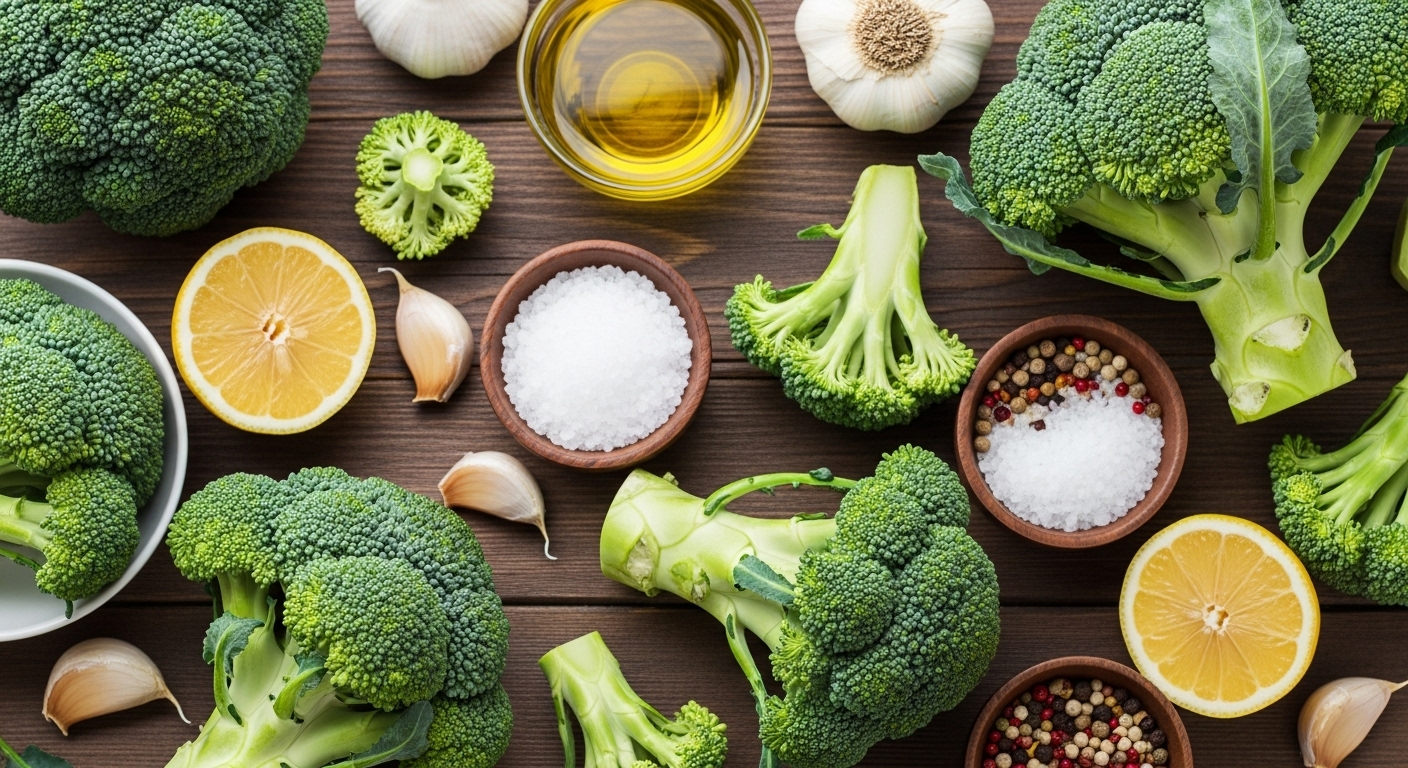
Cooking with broccoli has never been more rewarding—especially when it’s fresh from your own garden. Broccoli has earned its spot on kitchen tables worldwide for good reason: it’s packed with essential vitamins, fiber, and antioxidants, making it a nutritious powerhouse for busy families and health-conscious eaters alike. Plus, its mild flavor and satisfying crunch make it incredibly versatile, fitting seamlessly into everything from crisp salads and cozy casseroles to stir-fries and roasted veggie medleys.
Still, many people think broccoli is destined to be bland, overcooked, or simply a side dish to tolerate rather than enjoy. This couldn’t be further from the truth! With a little creativity and the right cooking techniques, garden-fresh broccoli transforms into the star of any meal. Whether you’re new to growing your own vegetables or a seasoned gardener, you’ll find that harvesting broccoli at its peak brings out flavors and textures you may have never experienced with store-bought varieties.
In this article, we’ll break down the best methods for cooking with broccoli—whether you prefer it roasted for added crunch, steamed for vibrant color, or tossed raw into a tangy slaw. You’ll also discover inventive recipes that go beyond the basics, helping you put your harvest to delicious use and turn skeptics into fans. Get ready to reimagine this humble vegetable and unlock its full cooking potential straight from your garden.
Nutritional Powerhouse – The Health Benefits of Broccoli
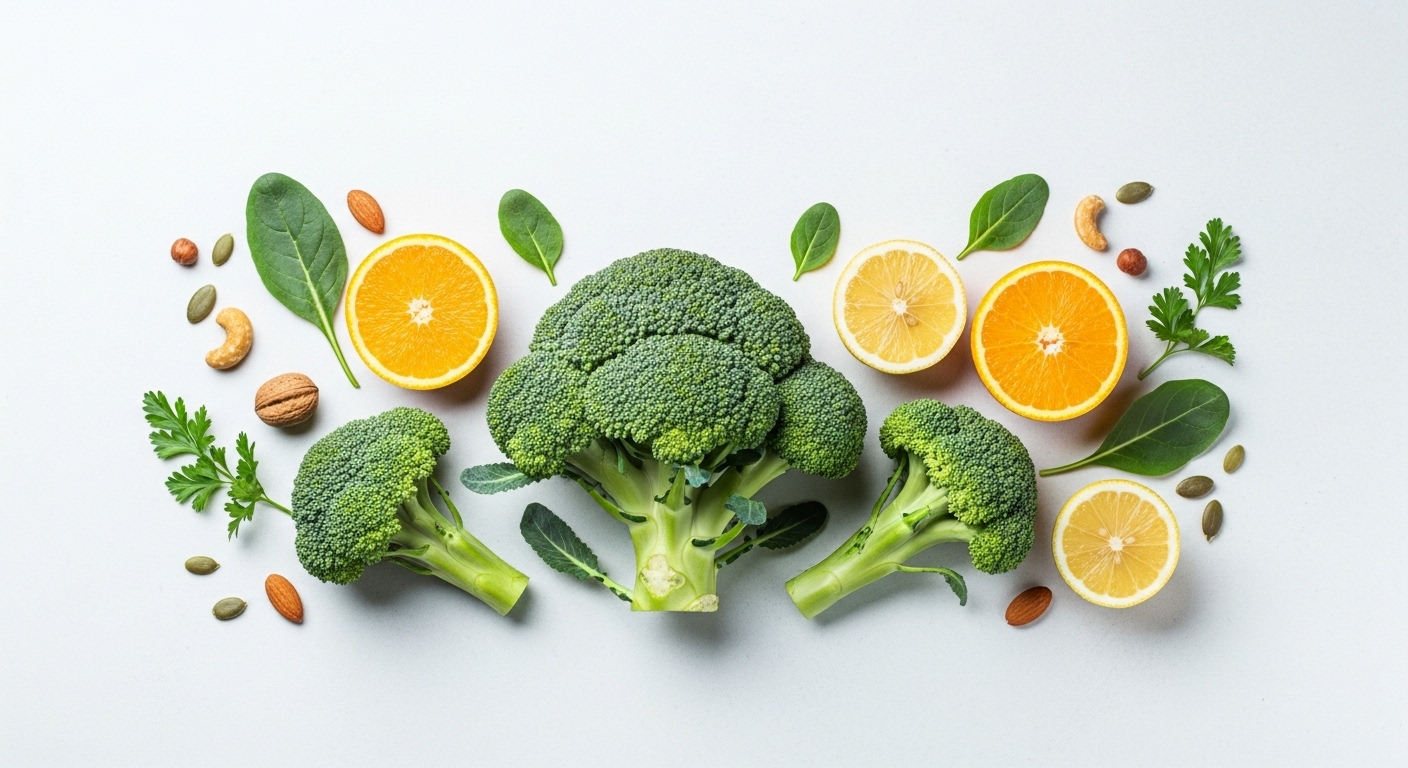
Broccoli stands out as a true nutritional powerhouse, packed with essential vitamins, minerals, and antioxidants that offer a range of health benefits. Rich in vitamin C, broccoli gives your immune system a natural boost—just one cup provides more than 80% of your daily recommended intake, helping your body ward off common colds and infections.
It’s also an excellent source of vitamin K, which supports strong bones and healthy blood clotting. Thanks to its high fiber content, broccoli promotes good digestion and helps you feel full longer, making it a smart choice for those managing their weight.
This cruciferous veggie is loaded with antioxidants like sulforaphane, which research suggests may reduce inflammation and protect against certain types of cancer. Heart health also gets a leg up, as broccoli contains compounds that help lower cholesterol and support healthy blood vessels.
With only about 30 calories per cup, broccoli is naturally low in carbs—an easy fit for low-carb and keto diets while providing plenty of volume and nutrients. It’s also a staple for vegetarians and vegans, offering plant-based protein and iron.
You can incorporate broccoli into meals in countless ways:
- Add steamed florets to salads
- Toss it into stir-fries
- Roast it with olive oil for a crispy side
- Blend it into soups for a creamy texture
Whether you’re looking to boost your nutrient intake or find delicious options that fit your dietary preferences, broccoli is a tasty, versatile choice that deserves a regular spot on your plate.
How to Choose and Prep Fresh Broccoli
When shopping for broccoli, look for firm, tightly closed florets that are deep green or even tinged with purple—this signals freshness and high nutrient content. Avoid heads with yellowing tips or soft spots, as these indicate age or spoilage. The stalk should be sturdy and bright, not dried out or slimy.
Once home, rinse the broccoli thoroughly under cold running water to remove dirt, then shake or pat dry. Trim off the tough end of the stalk and peel any thick outer layers with a vegetable peeler; don’t toss the stems, as they’re perfectly edible and delicious!
Slice stems into coins or sticks for stir-fries or snacking, and cut the florets into bite-sized pieces—aim for even sizes so they cook uniformly.
Fresh broccoli tends to be crisper and slightly sweeter than frozen, making it ideal for salads, roasting, or snacking. However, frozen broccoli is convenient, cost-effective, and works well in soups or casseroles where texture matters less.
Keep in mind that frozen broccoli, while nutritionally similar, may turn softer when cooked. Choosing between fresh and frozen depends on your intended recipe and prep time.
The Best Methods to Cook Broccoli—Taste-Tested and Compared
Broccoli is a versatile vegetable, and how you cook it can seriously change its taste, texture, and even nutrition.
Roasting broccoli in the oven brings out a nutty, slightly sweet flavor with crispy edges—perfect for those who like a bit of crunch and caramelization. Just toss florets in olive oil, salt, and your favorite spices, then roast at 425°F for about 20 minutes.
Steaming is a go-to for maximum nutrition, preserving many vitamins and keeping the broccoli bright green and tender with just a bit of bite—ideal if you want it for salads or healthy side dishes.
If you prefer quick and flavorful, sautéing broccoli in a hot pan with garlic or chili flakes gives you tender-crisp pieces with a savory finish in under 10 minutes, great for pasta tosses or stir-fries.
Air frying has surged in popularity for producing broccoli that’s crispy like roasting but with less oil—a great choice for snackers watching fat intake. Five to eight minutes in the basket at 375°F usually does the trick.
For ultimate convenience, microwaving is unbeatable: add broccoli and a splash of water to a microwave-safe bowl, cover, and zap for two to three minutes for speedy, lightly steamed florets. Just keep an eye out, as this method can make broccoli a bit soggy if overcooked.
If you crave deep, caramelized flavors, roasting or air frying wins; for those who like just-tender, fresh-tasting broccoli, steaming or microwaving is best. Sautéed broccoli bridges the gap for folks who want quick results with a boost of flavor.
Try different methods based on your dinner plans—roast it for grain bowls, steam for meal prep, or air fry for kid-friendly “broccoli chips.” No matter your pick, adjusting time and seasoning to your taste makes all the difference in turning broccoli from ho-hum to delicious.
Foolproof Roasted Broccoli: Step-by-Step Instructions
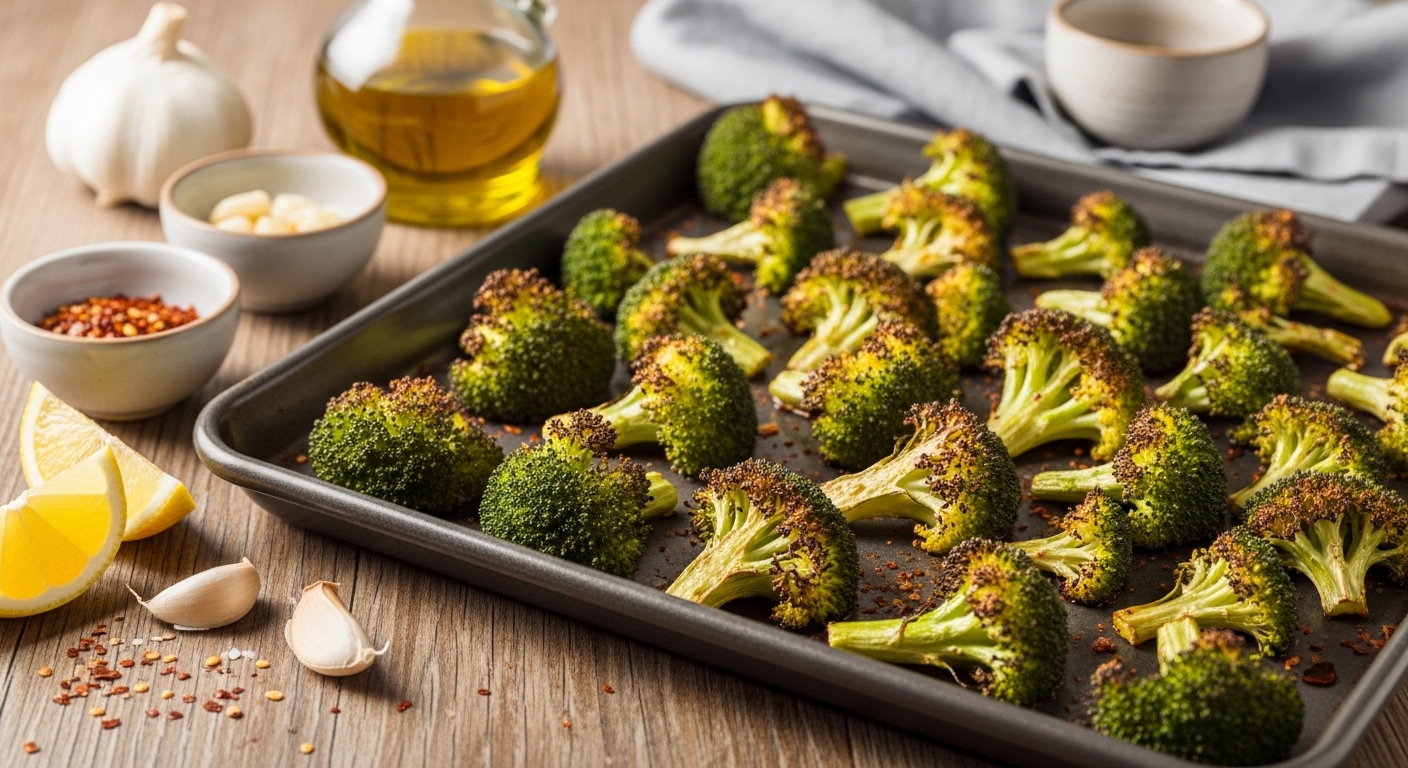
Roasting broccoli is an easy way to bring out its natural sweetness and crisp up those tender florets—no bland, soggy veggies here!
Start by preheating your oven to 425°F (220°C); this high heat is key for that golden, slightly caramelized finish. Cut your broccoli into even-sized florets and toss them in a large bowl with a generous drizzle of olive oil, salt, and pepper.
Spread them in a single layer on a baking sheet, making sure there’s a little space between each piece—crowding the pan traps steam and prevents crispiness. Roast for 20–25 minutes, flipping halfway through, until the edges are browned and crunchy.
For an extra burst of flavor, toss the hot broccoli with a squeeze of fresh lemon juice or a shower of grated parmesan right out of the oven. You can also experiment by adding minced garlic before roasting, sprinkling on red pepper flakes for heat, or tossing in slivered almonds or pine nuts for crunch.
If you’re a fan of bold flavors, try dusting the florets with smoked paprika, cumin, or curry powder before roasting. For a satisfying meal, pair roasted broccoli with cooked chickpeas or a light tahini drizzle.
Once you’ve tried this simple method, you’ll never go back to steaming! Don’t forget to save any crispy bits—they’re the tastiest part and make a great salad topper.
Quick Broccoli Recipe Ideas for Every Meal
Broccoli is incredibly versatile, making it easy to incorporate into dishes from global cuisines at any meal of the day.
For a speedy weeknight dinner, try tossing steamed broccoli into a garlicky pasta with lemon zest and grilled chicken for an Italian-inspired bowl that’s both zesty and comforting.
Looking for something lighter? Whip up an Asian-style broccoli stir-fry by sautéing it quickly with tofu, sesame oil, and a splash of soy sauce—the result is savory, slightly sweet, and perfectly satisfying over rice.
Broccoli also shines in hearty soups: think a quick brothy noodle soup with shrimp, ginger, and handfuls of fresh broccoli, ready in under 30 minutes and packed with flavor.
For lunch, a Mediterranean broccoli salad is a game-changer; just combine blanched broccoli with chickpeas, cherry tomatoes, feta, olive oil, and fresh herbs for a dish that’s tangy, creamy, and filling.
Finally, if you’re craving something customizable, build a grain bowl with roasted broccoli, quinoa, smoked salmon, avocado, and a drizzle of sriracha mayo—it’s nutritious, colorful, and takes less than 20 minutes to assemble.
With endless combinations and quick-cooking methods, broccoli can transform from sidekick to star at any table.
Pro Tips for Making Broccoli Delicious Every Time
Making broccoli truly delicious starts with how you cook it—avoid overcooking, which can make it mushy and intensify bitterness. Instead, try roasting florets at high heat (about 425°F) with a drizzle of olive oil and a sprinkle of salt; this caramelizes the edges and brings out broccoli’s natural sweetness.
Balancing bitterness is easy when you add a squeeze of lemon juice at the end or a dusting of Parmesan, both of which add brightness and umami. Don’t be shy with seasonings: a pinch of garlic powder, crushed red pepper, or even curry powder can boost flavor dramatically.
Sauces are your secret weapon—toss steamed broccoli with tahini dressing, a splash of soy sauce and sesame oil, or even chimichurri for bold flavor. Under-seasoning is a common pitfall, so taste as you go and add a bit more salt, citrus, or zest if it tastes flat.
For more adventure, experiment with herbs like dill, basil, or cilantro, and try international spins such as tossing broccoli in spicy harissa, Japanese miso glaze, or Indian spices like cumin and turmeric.
Finally, try textural contrasts by topping cooked broccoli with toasted nuts or breadcrumbs for crunch. With a willingness to play with spices, sauces, and cooking techniques, you can turn this humble veggie into the highlight of your meal.
Conclusion: Make Broccoli Your Favorite Veggie
Broccoli deserves a spot on your plate—not just for its impressive nutrition but also for how easy and adaptable it is in the kitchen. Whether you steam, roast, stir-fry, or blend it into soups, broccoli fits into weeknight dinners and snacks with minimal fuss.
Even if you’ve been skeptical before, there’s a good chance you haven’t met the right broccoli dish for you yet; picky eaters often enjoy crispy roasted florets, cheesy broccoli casseroles, or broccoli tucked into pasta.
The key is to play with different flavors and techniques—try drizzling roasted broccoli with lemon or tossing it in a quick garlic soy sauce. Don’t be afraid to experiment and find your favorite spin. Give broccoli another shot this week, and you might be surprised by how tasty and satisfying this vibrant veggie can be.