Introduction
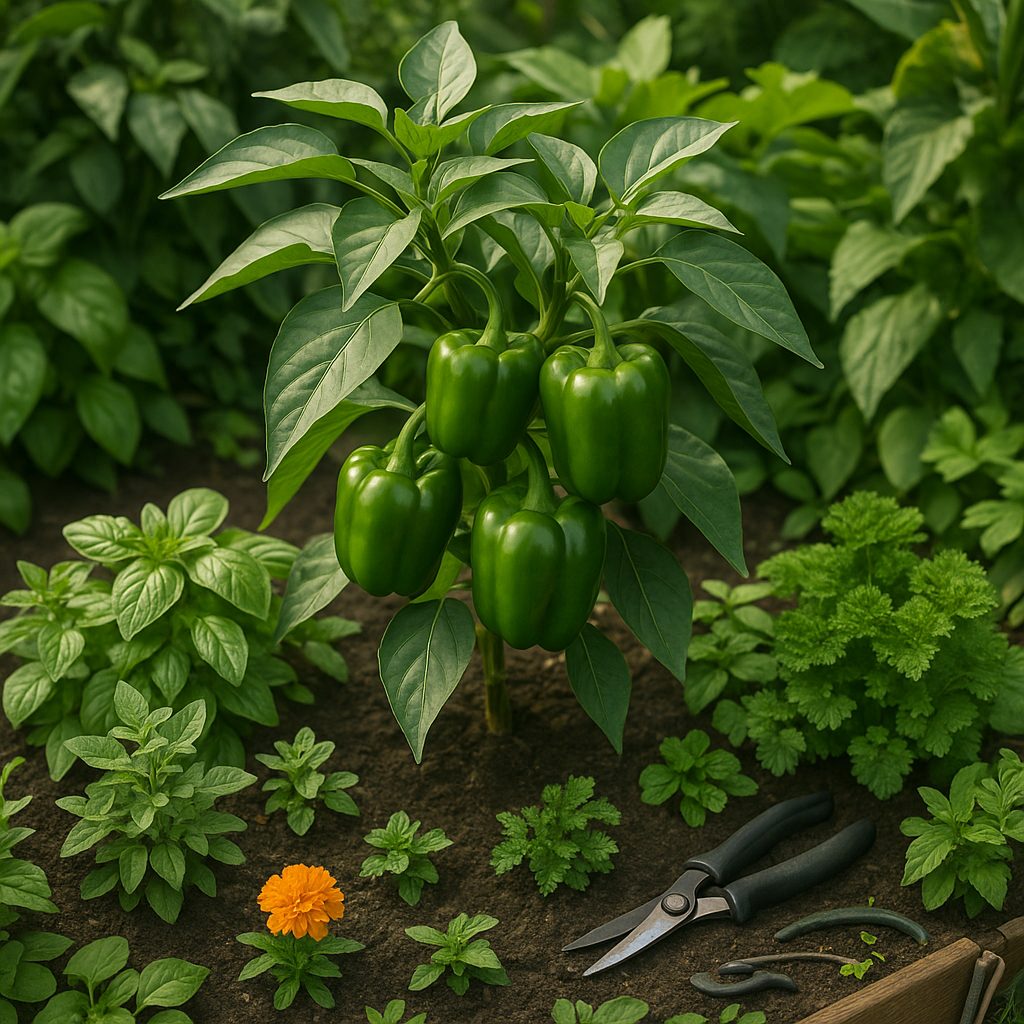
If you’re looking to maximize your vegetable garden, understanding which herbs work well with bell peppers can make all the difference. Companion planting—the practice of growing certain plants together for mutual benefit—is a time-tested trick for gardeners seeking healthier, more productive peppers.
By choosing the right herbs to plant alongside your bell peppers, you tap into nature’s own methods for boosting growth, deterring pests, and even enhancing flavor. For example, planting basil alongside bell peppers doesn’t just look attractive—basil’s aromatic oils can help repel aphids and spider mites that might otherwise feast on your peppers. Similarly, oregano and marjoram provide ground cover that keeps soil moist and helps prevent weeds, all while attracting pollinators.
For anyone managing a home garden, these practical pairings mean fewer chemicals, tastier vegetables, and hardier plants throughout the season. But not every herb is a good neighbor, so it pays to be selective. The right companion herbs support bell peppers in healthy, natural ways, helping you enjoy a bountiful harvest with less work and worry.
Ready to discover which herbs will help your bell peppers truly thrive? Let’s dive into the best options for your garden.
What is Companion Planting for Peppers?
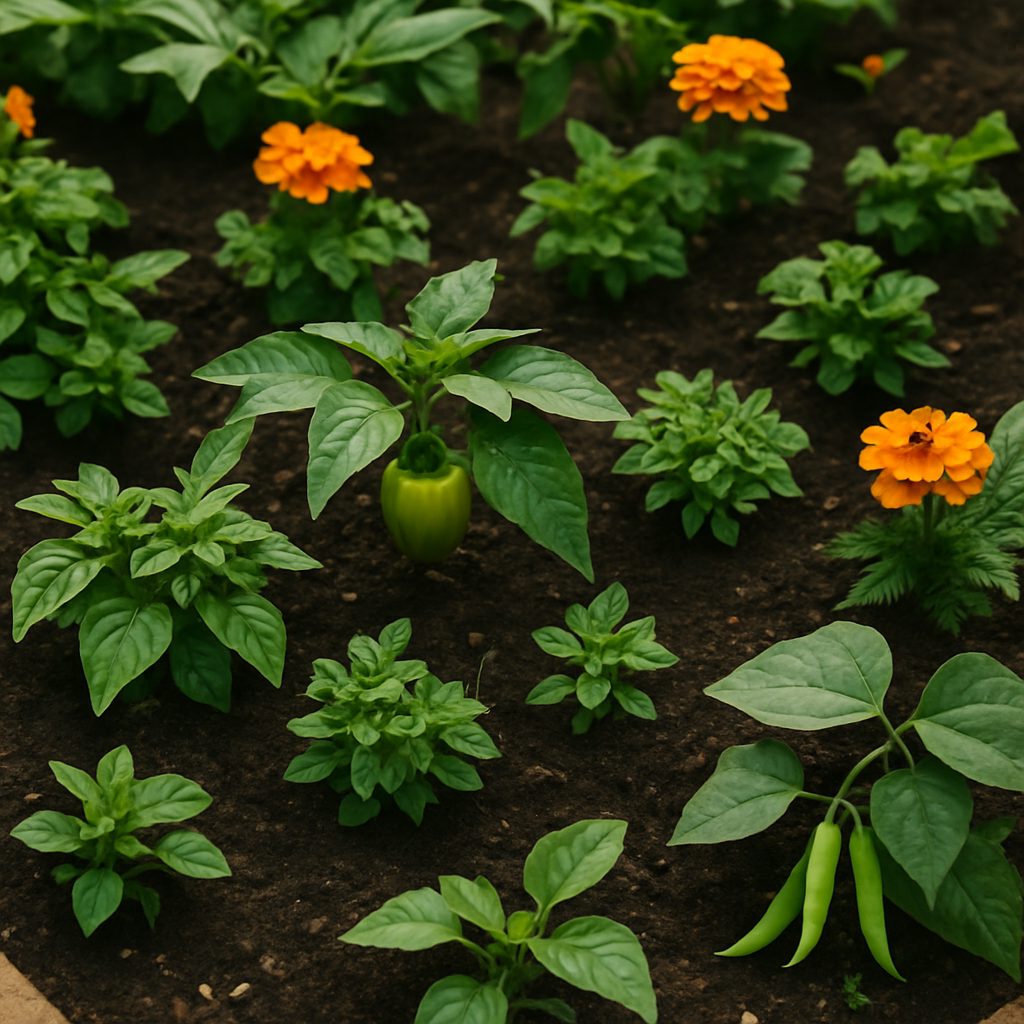
Companion planting is a gardening technique where different crops are grown together to enhance growth, boost yields, and naturally defend against pests. For peppers, companion planting can be especially beneficial because these heat-loving plants thrive when paired with neighbors that meet their unique needs.
Certain herbs like basil and oregano not only deter common pests such as aphids and spider mites but are also thought to enhance pepper flavor. Marigolds are another classic choice—these bright flowers release chemicals into the soil that repel nematodes and beetles, creating a safer environment for pepper roots.
Additionally, peppers appreciate companions like carrots and onions, which don’t compete much for root space and can help shade the ground to retain moisture and keep the root zone cool. Legumes, such as bush beans, can even improve soil fertility by fixing nitrogen—a critical nutrient for healthy pepper growth.
However, it’s important to avoid planting peppers near members of the brassica family (like broccoli and Brussels sprouts) since they compete for similar nutrients and may stunt pepper growth. Peppers also need well-draining soil and plenty of sunlight, so choose companions that won’t overshadow or suffocate them.
When planned properly, companion planting for peppers creates a balanced garden ecosystem, leading to healthier plants and a more abundant, flavorful harvest with minimal intervention.
Top Vegetable Companions for Peppers
Growing peppers alongside the right vegetable companions can make your garden more productive, healthier, and even a little easier to maintain. Beans are a top pick; they enrich the soil by fixing nitrogen, giving your peppers a gentle nutrient boost without chemical fertilizers. Busy bean vines can also shade the soil, helping it retain moisture around your pepper plants.
Next up, onions serve as a natural line of defense by deterring common pests like aphids and beetles thanks to their strong scent—just be sure to give them a bit of space, as crowded roots can stunt both crops.
Carrots make a great underground partner for peppers, and their slender roots won’t compete aggressively for nutrients but do help break up the soil, which boosts water drainage. And don’t overlook spinach: this leafy green matures quickly in cooler months, maximizing your garden space before peppers really take off in hotter weather.
For best results, space your plants with care so they each have enough airflow and sunlight; peppers dislike crowding and can develop fungal disease if airflow is poor. Also, avoid pairing peppers with crops like fennel or kohlrabi, which can inhibit their growth. Rotate plant locations each year to help prevent soil-borne diseases.
With the right companions and a little planning, your peppers will thrive and your veggie patch will flourish.
Herbs That Boost Pepper Plant Health
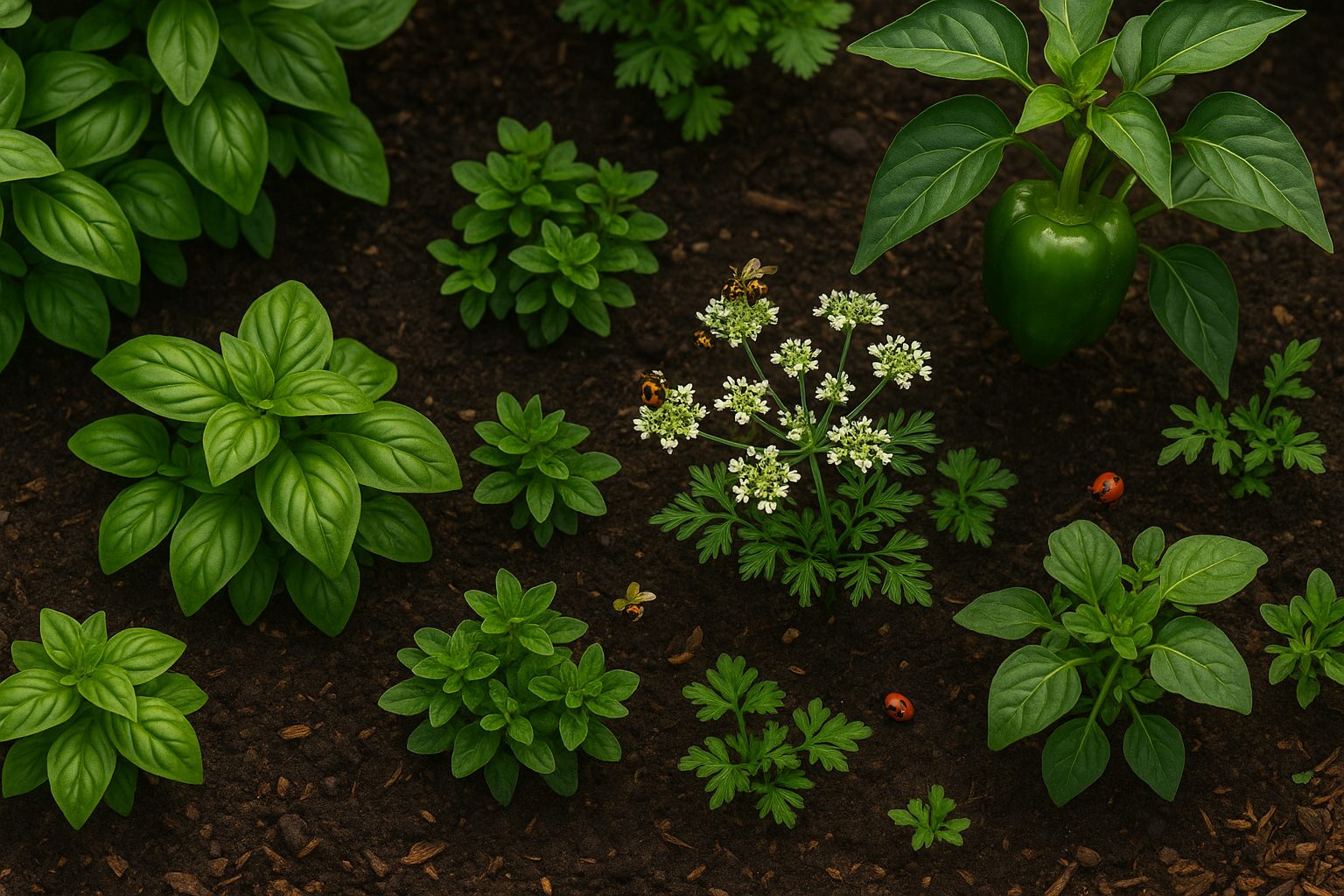
Growing certain herbs alongside your pepper plants can make a big difference in their health and productivity. Basil is a top companion—its strong scent helps repel common pepper pests like aphids, spider mites, and mosquitoes, serving as a natural, chemical-free defense. Gardeners often report not only healthier pepper plants but also a subtle improvement in the flavor of their peppers when basil is grown nearby. Some studies suggest basil can deter insects that carry plant diseases.
Oregano is another powerhouse. It acts as a living mulch, shading the soil to retain moisture and suppress weeds, which means less stress on your peppers. Oregano also releases aromatic compounds that may help mask your peppers from pests such as cabbage moths.
Cilantro offers both pest control and soil enrichment. Its distinct smell deters aphids and spider mites, while its flowers attract beneficial pollinators and predatory insects like ladybugs and hoverflies that feast on harmful bugs.
Parsley, too, fights off unwanted critters while attracting helpful insects that keep pest populations in check.
Many experienced gardeners use these herbs not just for pest control but also for improving air circulation, separating plants to reduce disease spread, and boosting the overall diversity of their gardens. While much of the supporting evidence is anecdotal—passed down through generations of gardening—modern research echoes the benefits of polyculture and companion planting for promoting plant health and resilience.
For the best results, plant these herbs near—but not so close that they compete for nutrients—your peppers, and enjoy a low-maintenance, flavorful, and thriving garden.
Flower Companions for Pest Control and Pollination
Incorporating companion flowers like marigolds, nasturtiums, and sweet alyssum into your pepper beds can make a big difference for both pollination and pest control. Marigolds are famous for their natural ability to repel nematodes and aphids—two pests that often trouble pepper plants—thanks to compounds released by their roots and foliage.
Nasturtiums act as a “trap crop,” luring aphids, whiteflies, and even flea beetles away from your peppers. Their bright blooms are also irresistible to pollinators such as bees. Sweet alyssum is another excellent choice, producing clusters of tiny white flowers that not only draw in beneficial pollinators but also hoverflies, which feed on aphids and other soft-bodied insects.
For the best results, interplant these flowers among and around your peppers rather than confining them to the bed’s edges. Try alternating marigolds and sweet alyssum between pepper plants in rows or clusters, and drape nasturtiums at the bed’s perimeter so their sprawling vines have room to spread.
This approach creates a continuous floral buffet for pollinators while surrounding your peppers with a natural pest defense system. Remember to start seeds or seedlings at the same time as peppers so their benefits are present throughout the season, and opt for single-flowered varieties when possible, since these are most accessible to pollinators.
With a little planning, these floral companions can help keep your peppers healthy and productive using nature’s own tools.
Plants to Avoid Near Peppers
When planning your pepper garden, it’s important to skip a few common plants that can be troublesome neighbors. Brassicas, a group that includes cabbage, broccoli, and cauliflower, should be kept away from peppers since they compete heavily for nutrients and water.
This competition can stunt the growth of both crops, so it’s best to plant brassicas in a separate bed where they can thrive without vying for the same resources.
Fennel is another plant to avoid near peppers: it releases chemicals into the soil that inhibit the growth of nearby vegetables, including peppers, often resulting in smaller yields and weaker plants. If you love fennel, give it its own spot—ideally at the far end of your garden.
Corn may surprise some as a poor pepper companion, but the tall stalks can shade peppers from much-needed sunlight and also attract pests like corn earworms, which don’t mind snacking on peppers too.
Try grouping corn in its own sunny patch, and protect peppers by pairing them instead with friendly options like basil, oregano, or marigolds, which can deter pests and promote healthy growth.
By being strategic and separating these incompatible plants, you’ll give your peppers the best chance to flourish and maximize your harvest.
Tips for Successful Pepper Companion Planting
To make the most of pepper companion planting, start by giving your peppers plenty of room—aim for at least 18-24 inches between each plant. This spacing reduces the risk of disease and ensures each plant gets enough sunlight and air circulation.
Choose companions like basil, carrots, onions, or spinach, which can help deter pests and promote growth without competing for the same nutrients. Rotate your pepper crops each year to a new spot in the garden to minimize soil-borne diseases and pest buildup. Avoid planting peppers where tomatoes, eggplants, or potatoes grew last season to keep the soil healthy.
Avoid overcrowding your garden bed, as this restricts growth and creates a humid environment that invites fungal problems. Before planting, enrich the soil with compost and check drainage—peppers dislike soggy roots.
Watch out for incompatible neighbors like fennel or beans, which can stunt pepper growth.
As every garden is unique, don’t be afraid to experiment with companion groupings. Observe what works in your space and take notes for next season; sometimes, unconventional combinations can yield surprising results. By heeding these basics and staying flexible, you’ll help your peppers—and their neighbors—thrive.
Conclusion and Further Resources
Companion planting can make a big difference in your pepper patch, from warding off pests with basil and marigolds to boosting growth by pairing peppers with carrots or onions. Try mixing and matching different plant partners in your own garden, and take notes on what works best for your space and climate. Every garden is unique, so don’t be afraid to experiment!
For more in-depth information, check out guides from your local agricultural extension or books like Carrots Love Tomatoes by Louise Riotte. Online resources such as the Old Farmer’s Almanac also offer helpful companion planting charts and advice.