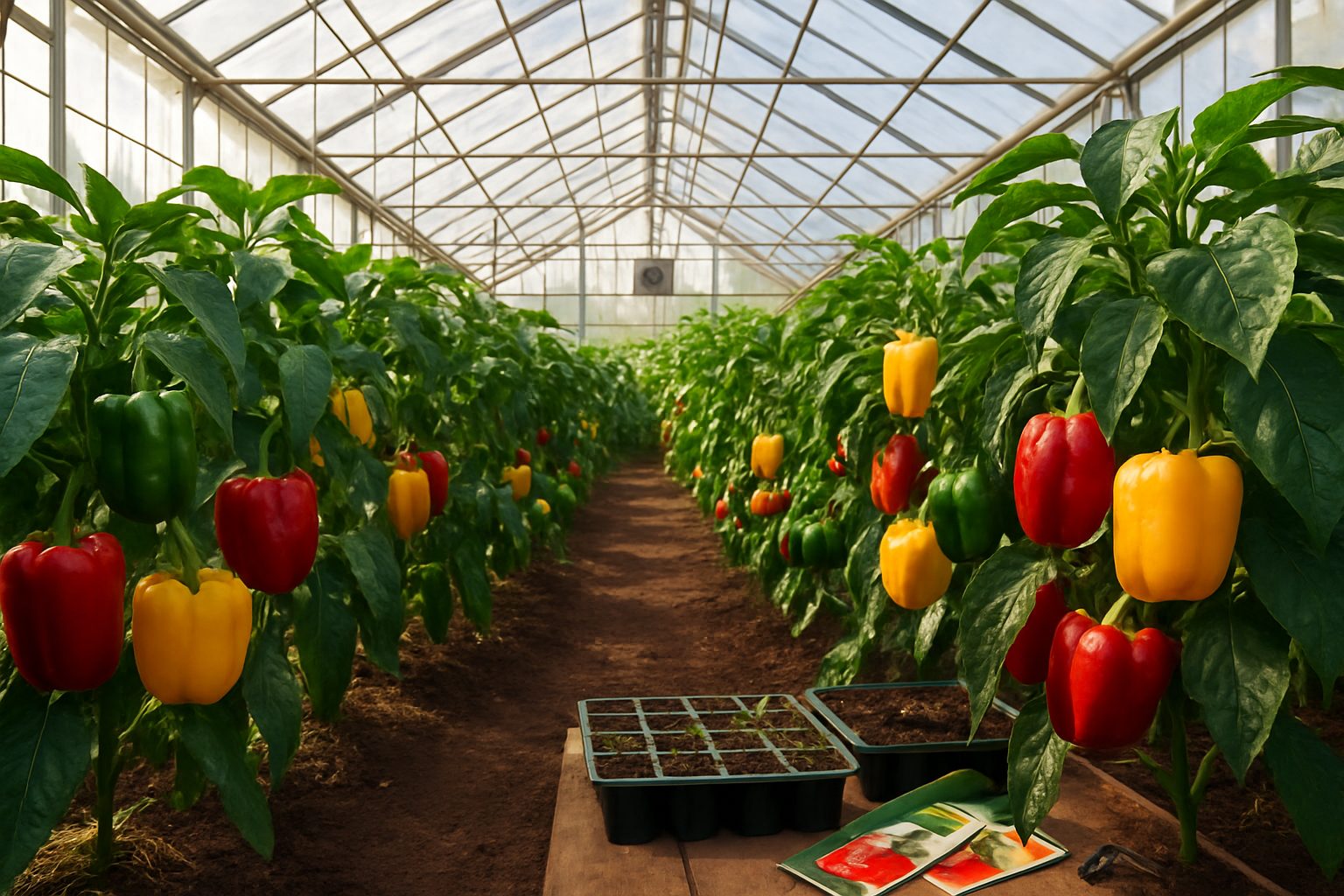
Introduction to Growing Peppers in a Greenhouse
Greenhouse bell peppers are a delicious, colorful addition to any home gardener’s harvest, prized for their crisp texture and sweet flavor. Peppers, members of the nightshade family, need warmth, consistent moisture, and plenty of sunlight to thrive. Traditionally associated with summer gardens, these heat-loving plants struggle with erratic weather, pests, or cool nights.
This is where growing bell peppers in a greenhouse or tunnel really shines—by creating the perfect protected environment to meet their exacting needs year-round. Cultivating your bell peppers under cover offers numerous benefits, including an extended growing season. This means you can plant earlier in spring and continue harvesting well into fall or even winter.
The controlled environment shields your crops from heavy rains, wind, hail, and unpredictable temperature swings, reducing stress on your plants and boosting their overall health. Plus, you’re likely to see higher yields and better-quality peppers since pests and diseases can be more easily managed.
In this comprehensive guide, we’ll walk you through the essentials of greenhouse bell pepper cultivation. You’ll discover how to choose the best pepper varieties for protected environments, tips for seed starting and transplanting, and ways to optimize temperature, humidity, and light. We’ll also address common challenges like pollination and disease prevention, along with harvesting advice for maximum flavor and productivity.
Whether you’re new to greenhouse gardening or eager to perfect your pepper-growing game, this guide will help you unlock an abundant, reliable pepper harvest—no matter what the weather brings.
Choosing the Right Pepper Varieties for Your Greenhouse
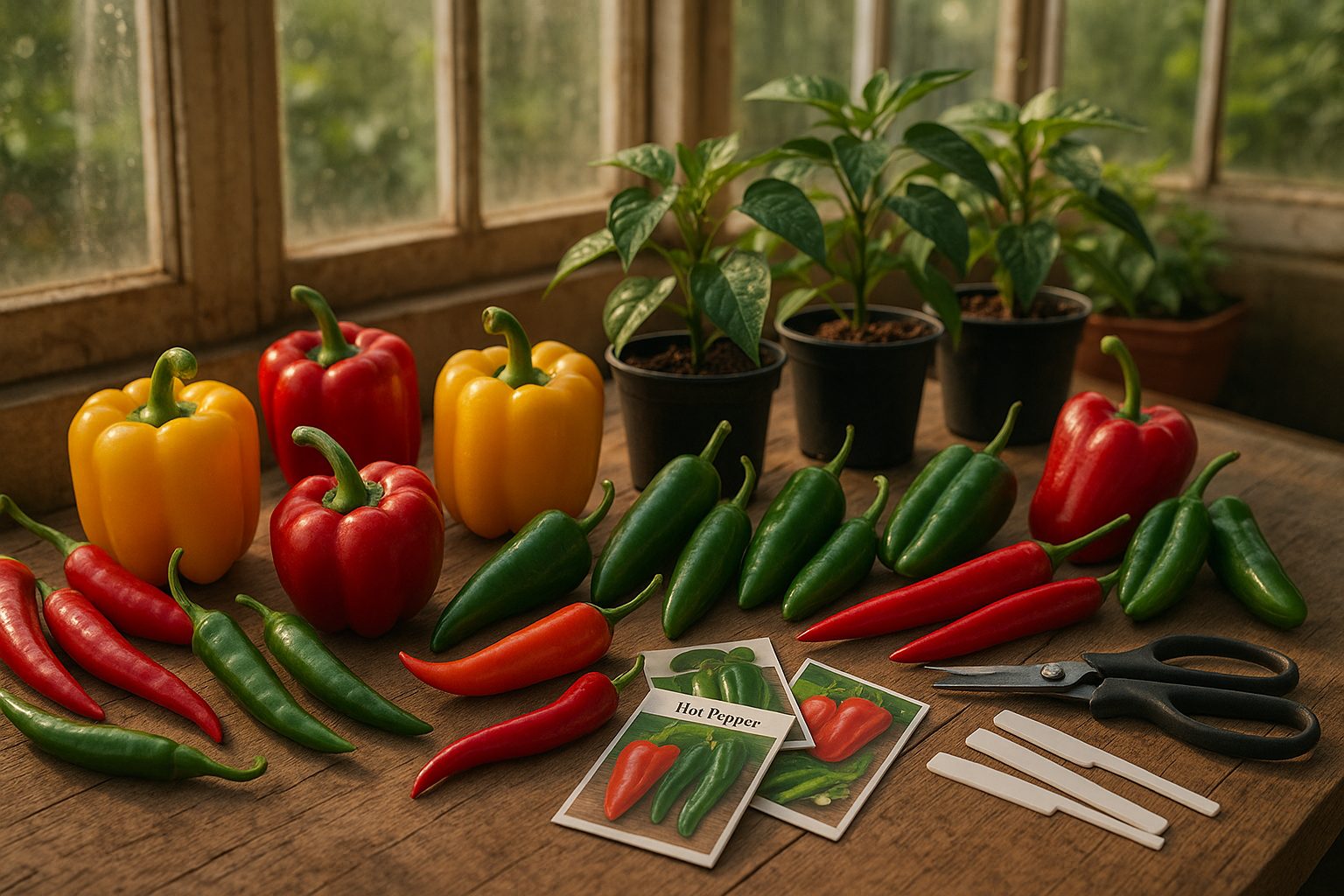
When it comes to picking the best pepper varieties for your greenhouse, both sweet and hot peppers offer exciting options that thrive in controlled environments.
For sweet peppers, popular choices like California Wonder, Gypsy, and King of the North stand out for their crisp flavor, vibrant colors, and reliable productivity.
If you’re after heat, greenhouse-suited hot pepper varieties such as Jalapeño Early, Hungarian Hot Wax, and Cayenne Long Slim are favorites among growers for their manageable size and heavy yields.
When making your selection, consider key factors like your flavor preference, targeted sweetness or heat, and the color palette you want—whether it’s classic reds, bright yellows, or deep purples.
Also, pay attention to pod size and growth habit: compact or bushy types like Lunchbox peppers are ideal for smaller greenhouses, while taller varieties such as Jimmy Nardello may need staking or extra space.
Sourcing seeds or plants from reputable suppliers is critical; look for those that specifically mention greenhouse-suited strains, as they’re often bred for disease resistance and better tolerance to fluctuating indoor humidity.
Disease resistance to issues like tobacco mosaic virus or bacterial spot can be a game-changer, especially in a closed environment, so prioritize resistant cultivars where possible.
Check reviews, seek advice from local gardening groups, and browse university extension recommendations to find seeds with a proven greenhouse track record.
Ultimately, test a handful of varieties in small batches your first season—you’ll quickly discover which peppers thrive in your unique conditions, setting you up for a vibrant, flavorful harvest.
Starting Peppers from Seed to Seedling
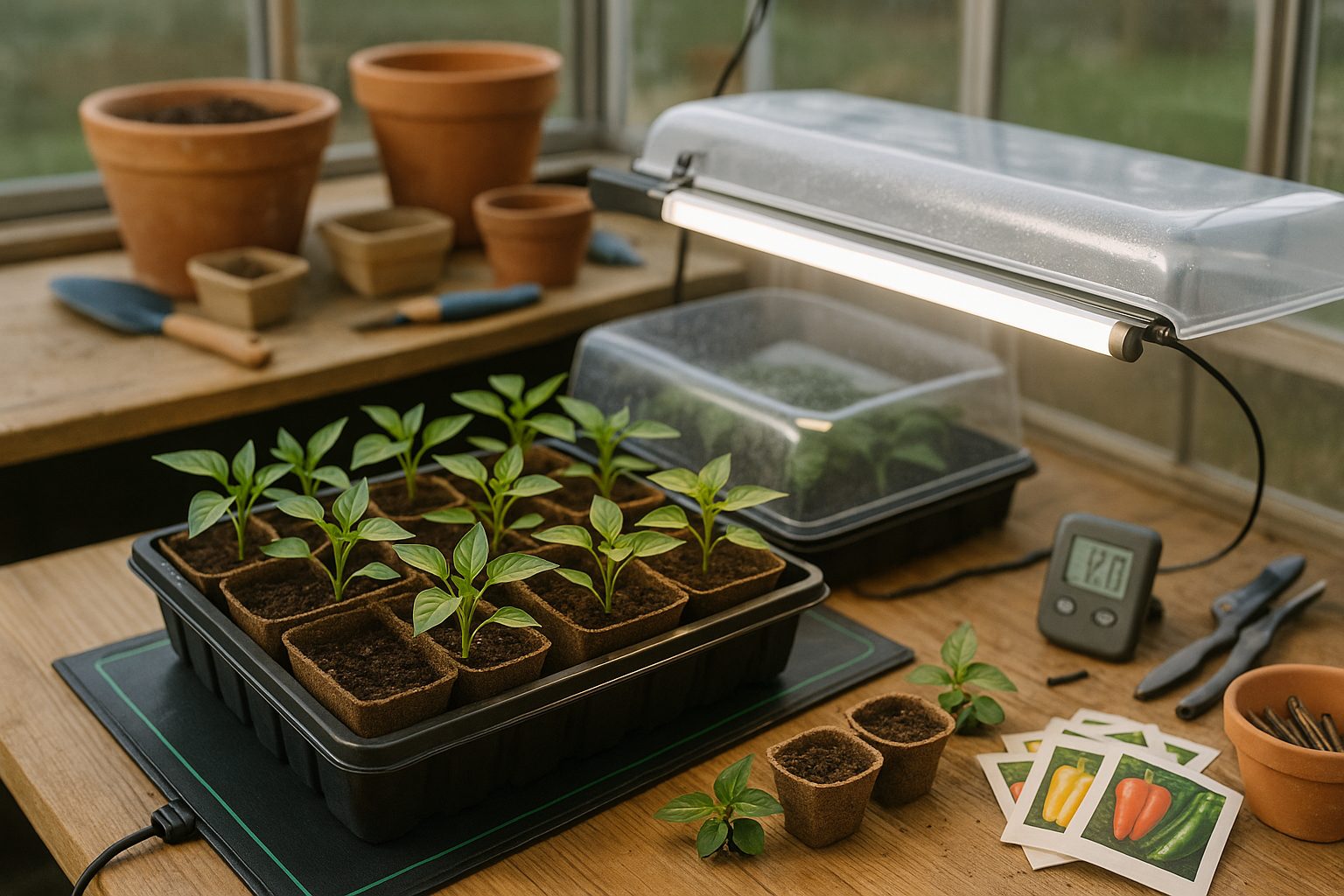
Starting peppers from seed requires attention to a few key details to ensure healthy, productive plants. Begin sowing pepper seeds indoors about 8-10 weeks before your region’s last expected frost date. Use a sterile seed-starting mix and plant seeds about ¼ inch deep in small containers or seed trays, lightly covering them with soil.
Peppers thrive in warmth—aim for a soil temperature between 75-85°F (24-29°C) for optimal germination, which usually takes 7-14 days. A heat mat can work wonders in keeping the soil toasty if your home is on the cooler side. Place the trays in a bright location or under grow lights for 14-16 hours daily, as pepper seedlings need plenty of light to develop sturdy stems. Without adequate lighting, seedlings become leggy and weak.
As soon as the seeds sprout, keep the soil moist but not soggy. Avoid overwatering by letting the topsoil dry slightly between waterings. Thin seedlings so each has enough space to grow, and gently brush your hand over the tops daily or place a small fan nearby to simulate outdoor breezes—this encourages stronger stems.
When seedlings produce their first set of true leaves, fertilize with a diluted, balanced liquid fertilizer every two weeks. About 1-2 weeks before transplanting outdoors or to a greenhouse, harden off the young plants by gradually introducing them to outdoor conditions for a few hours each day, increasing exposure time daily.
Transplant only when nighttime temperatures consistently stay above 55°F (13°C). Space peppers 18-24 inches apart in containers or beds with rich, well-draining soil. Water deeply after transplanting, and consider mulching to retain moisture and suppress weeds.
With patience and these practices, you’ll give your peppers the best possible start from seed to flourishing seedling.
Essential Greenhouse Care: Planting, Training, and Maintenance
Getting your greenhouse plants off to a healthy start begins with proper spacing and planting techniques. Crowded plants compete for light and nutrients, so always follow seed packet or plant tag recommendations. For instance, tomatoes need at least 18-24 inches between each plant, while smaller herbs may only require 6-12 inches.
Choose high-quality potting mixes for containers or enrich in-ground beds with compost to promote strong root systems. Plant seedlings at the same depth they grew in their pots, avoiding burying stems too deeply—unless the crop, like tomatoes, benefits from deeper planting to encourage additional roots.
Once planted, set a consistent watering schedule. Generally, greenhouse plants need watering every 2-3 days, but always check soil moisture since needs change with weather and plant size. Early morning watering helps prevent fungal issues, and using a drip system or soaker hose ensures water reaches the roots without soaking the leaves.
Feed plants with a balanced fertilizer every 2-4 weeks. Fast-growing crops like cucumbers and peppers benefit from additional nutrients. Keep greenhouse temperatures between 65-75°F during the day, and open vents or use fans to increase airflow and prevent overheating.
Pruning excess foliage—especially on vining crops—improves air circulation and directs energy to fruit production. Regular staking and training, using trellises, strings, or cages, keep plants upright and healthy. For example, tie tomato vines loosely to stakes as they grow and pinch off side shoots to focus growth on the central stem.
Daily tasks include checking for pests, removing dead leaves, and monitoring humidity to avoid mold. Weekly, clean pathways, inspect plant supports, and sanitize tools to reduce disease risk. Small, consistent efforts like these keep your greenhouse an ideal environment for strong, productive plants.
Common Greenhouse Pepper Problems and Solutions
Growing peppers in a greenhouse can protect your plants from many outdoor dangers, but some pests and diseases still thrive in these controlled environments. Aphids, whiteflies, and spider mites are frequent culprits, often hiding under leaves and weakening plants by sucking sap. To catch them early, regularly check the undersides of leaves for tiny insects or sticky residue.
Diseases like powdery mildew and bacterial leaf spot can also appear, especially when humidity is too high or airflow is poor. To prevent these issues, maintain steady air circulation with fans, avoid overcrowding plants, and water early in the day to allow leaves to dry out.
Integrated Pest Management (IPM) is a great strategy—combine approaches like releasing beneficial insects (such as ladybugs for aphids), using yellow sticky traps for flying pests, and applying insecticidal soap only when necessary. For fungal diseases, promptly remove and discard affected leaves and sanitize your tools between uses.
Besides pests and diseases, greenhouse peppers sometimes struggle with poor fruit production due to uneven pollination or temperature fluctuations. If you notice lots of flowers but few peppers forming, gently shake the plants or use a small brush to hand-pollinate the flowers. Maintain temperatures between 70–80°F during the day and above 60°F at night for optimal growth.
Yellowing leaves or stunted growth might indicate nutrient deficiencies—pepper plants need a balanced fertilizer with sufficient calcium and magnesium. Finally, be sure to check for root rot, especially if the soil remains soggy. Use well-draining soil mixes and ensure containers have drainage holes.
By closely monitoring your plants, responding quickly to problems, and combining preventative steps with targeted treatments, you’ll maximize your greenhouse pepper harvest and keep your plants healthy all season long.
Harvesting and Storing Greenhouse Peppers
Knowing when your greenhouse peppers are ready to harvest is key to enjoying the best flavor and texture. Peppers typically reach maturity when they have developed a deep, consistent color—whether that’s red, yellow, orange, or green, depending on the variety—and have firm, glossy skin.
Another sign is that the fruit feels heavy for its size and separates easily from the stem with a gentle tug. For optimal results, plan to harvest in the morning when the peppers are cool and crisp.
Use a pair of sharp, clean garden scissors or pruning shears to cut the pepper’s stem about a half inch above the fruit, rather than pulling by hand, which can damage the plant and affect future yields. Handle peppers gently to prevent bruising.
After harvesting, brush off any dirt and store your peppers unwashed in a paper or perforated plastic bag placed in the refrigerator’s crisper drawer, where they can stay fresh for 1-2 weeks.
For longer storage, consider freezing: simply wash, core, slice, and lay the pieces on a baking sheet to freeze individually before transferring them to airtight containers or freezer bags.
With these careful harvesting and storage steps, you’ll keep your greenhouse peppers flavorful and ready for all your favorite dishes.