Introduction
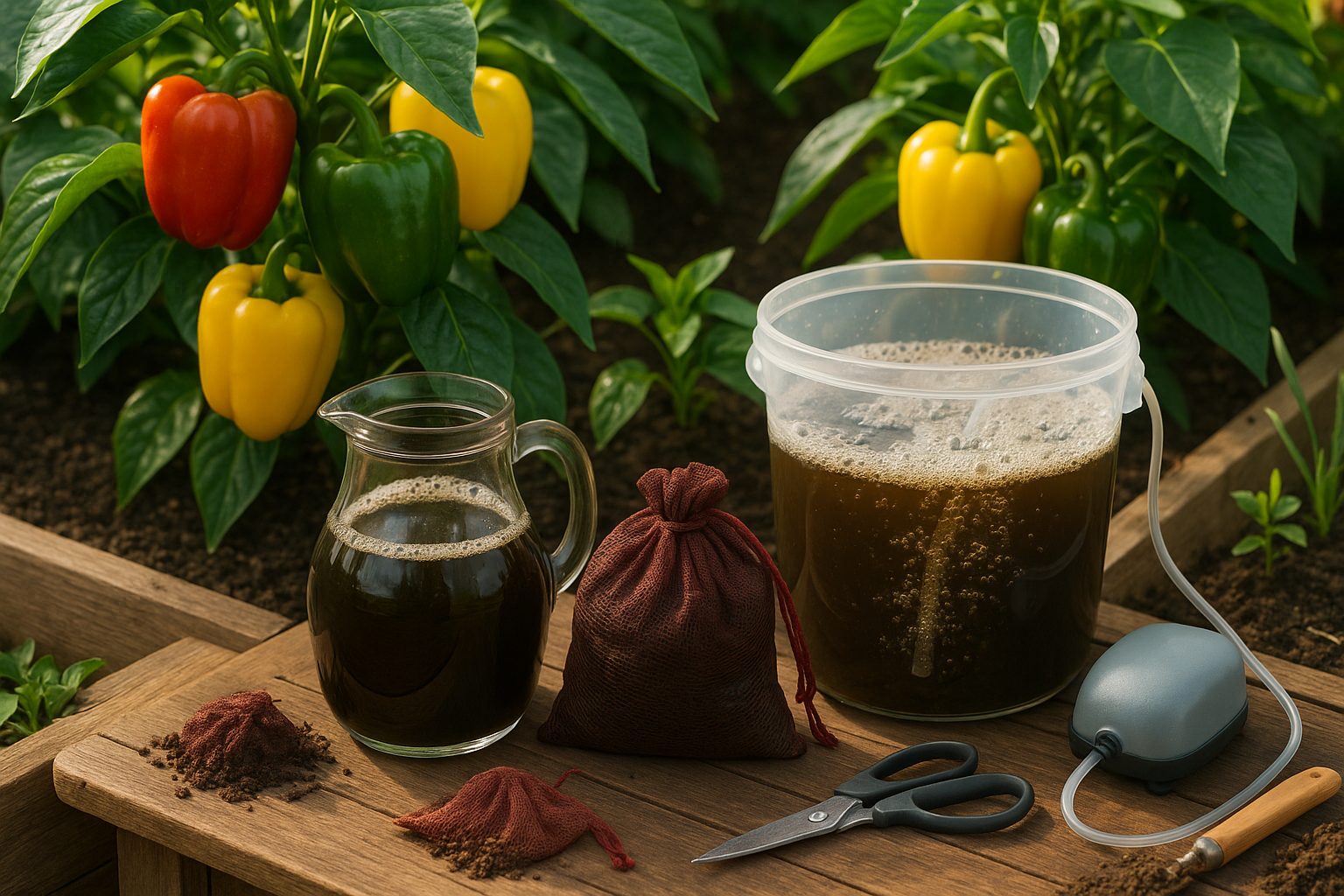
Compost tea for peppers has been gaining attention among home gardeners looking for an extra boost in their vegetable crops. This nutrient-rich solution—made by steeping compost in water—promises healthier, more vigorous plants by delivering beneficial microbes and nutrients directly to the roots and leaves. But does compost tea really live up to the hype when it comes to growing bell peppers, or is it just another gardening trend with limited benefits?
In this post, we’ll explore what compost tea actually is and why it’s become popular among gardeners. We’ll look at scientific research and real-life grower experiences related to bell peppers, examining whether compost tea leads to bigger yields, healthier plants, or tastier fruit. You’ll also find practical tips on how to make and use compost tea safely in your own garden. By the end, you’ll have the facts you need to decide if brewing compost tea is truly worth the effort for growing peppers this season.
What Is Compost Tea and How Is It Made?
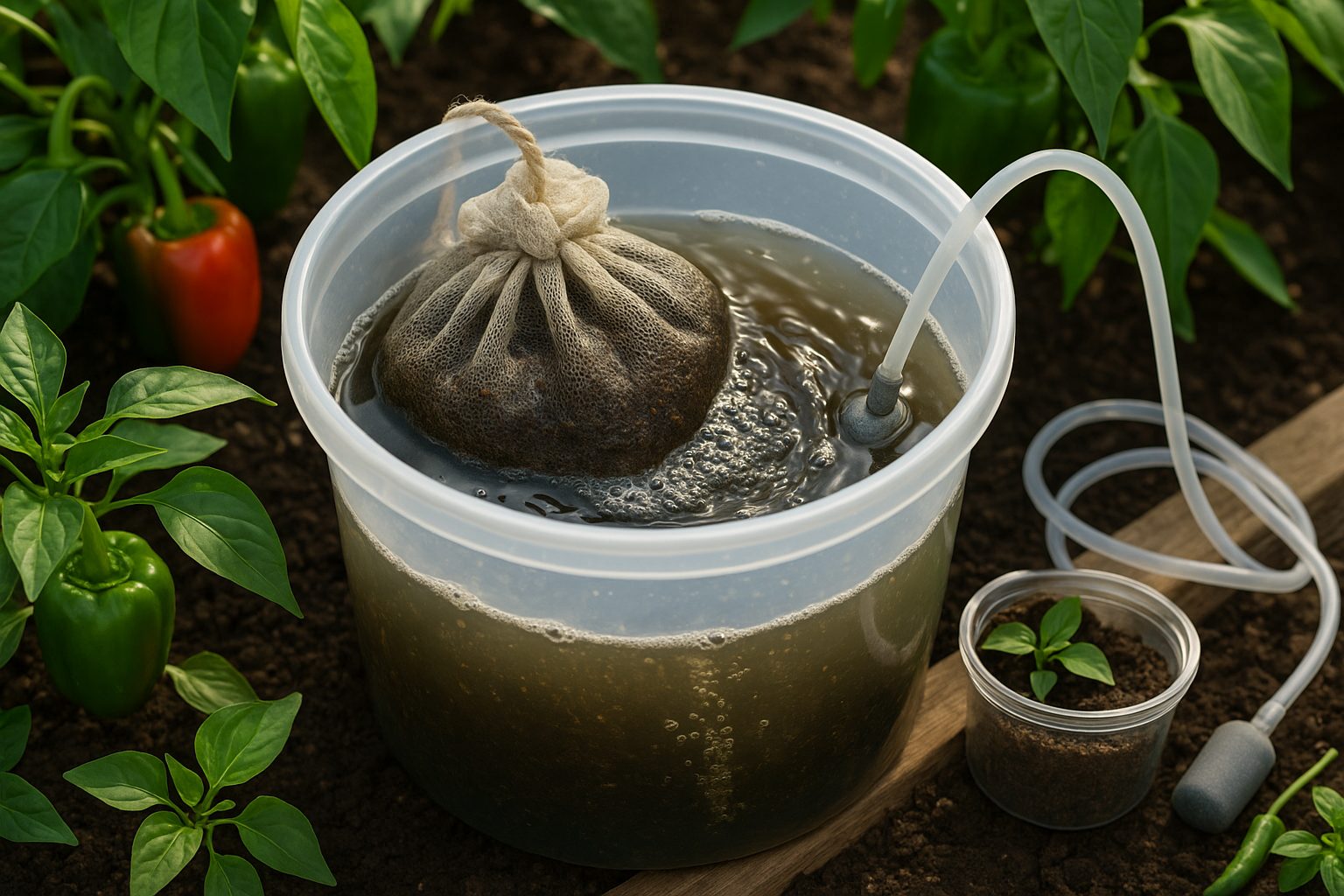
Compost tea for peppers is a nutrient-rich liquid made by steeping compost in water to give your bell pepper plants a boost of beneficial microbes and soluble nutrients. There are two main types: aerated and non-aerated.
Aerated compost tea is brewed with the help of an air pump or bubbler that oxygenates the mixture over 24 to 36 hours. This constant airflow encourages the growth of beneficial aerobic microbes that help suppress diseases and improve nutrient availability. Non-aerated compost tea, by contrast, is made by simply soaking compost in water for a similar period without added oxygen. While easier to make, it’s less effective and carries a higher risk of unwanted bacteria.
To make compost tea at home, start with well-finished, high-quality compost—ideally from a backyard pile or vermicompost. Use about one part compost to five to ten parts water in a food-safe bucket. For aerated tea, add a fish tank air pump and let it bubble for a day or so; for non-aerated tea, stir the mixture a few times daily. After brewing, strain the liquid through cheesecloth or a fine mesh, and it’s ready to use.
For the best results and plant health, always use clean, chlorine-free water to avoid killing beneficial microbes. Ensure your compost is fully decomposed to reduce pathogens, and never use compost containing pet waste or diseased plants. Properly brewed compost tea for peppers can be sprayed on leaves or poured around the roots. If it smells foul, discard it—this indicates harmful bacteria have taken over.
Nutrient Needs of Bell Peppers
Bell pepper plants are hungry feeders that thrive when given a balanced diet of essential nutrients. Their core needs include nitrogen for leafy growth, phosphorus for strong root and flower development, and potassium for fruit formation and overall plant health. Additionally, bell peppers benefit from micronutrients like calcium, magnesium, and trace elements such as iron and zinc.
Deficiencies in these nutrients—especially calcium and magnesium—are surprisingly common and often cause issues like blossom end rot, yellowing leaves, or weak fruit set. Another frequent challenge is compacted or poorly draining soil, which limits root access to water and nutrients and can stunt growth. Many gardeners find that their native soil is either low in organic matter or pH imbalanced, both of which further complicate nutrient uptake for peppers.
This is where compost tea for peppers comes into the conversation. When brewed correctly, compost tea delivers a liquid infusion of organic nutrients and beneficial microbes directly to the root zone. The nutrients in compost tea—mainly soluble forms of nitrogen, phosphorus, potassium, and trace elements—can provide a quick boost, especially if plants show early signs of deficiency. The microbes also foster healthier soil structure, helping peppers access those hard-to-reach minerals.
However, compost tea is not a silver bullet. It generally lacks the precise, consistent nutrient ratios of commercial fertilizers. While it improves overall soil biology, it may not single-handedly fix acute shortages of calcium or magnesium unless those nutrients are present in the original compost. For best results, compost tea should be part of a broader soil management plan—including regular soil testing and targeted amendments—to ensure your bell peppers get everything they need to thrive.
Potential Benefits of Compost Tea for Bell Peppers
Compost tea for peppers is often praised as a natural and effective way to boost plant vigor, with both scientific studies and gardener anecdotes highlighting its potential benefits. Multiple studies on vegetable crops suggest that compost tea can improve plant growth, yield, and resistance to disease. For example, a 2011 study published in Scientia Horticulturae found that applying compost tea to bell peppers and tomatoes significantly increased root and shoot biomass compared to untreated plants, showing that this nutrient-rich solution supports stronger plant development.
Similarly, small-scale farm trials and home gardeners frequently report lusher growth and earlier fruit sets in pepper plants when compost tea becomes part of their care routine. One main reason for these benefits is compost tea’s positive impact on soil microbial health. Brewing compost tea multiplies beneficial bacteria, fungi, and protozoa, which, when applied to the root zone, help pepper plants absorb nutrients more efficiently and outcompete harmful pathogens.
This microbial boost is especially important for bell peppers, which are susceptible to soil-borne diseases like Phytophthora root rot and bacterial spot. The diverse community of microbes introduced through compost tea can strengthen a plant’s natural defenses, making the environment less hospitable to disease-causing organisms. Additionally, the microbe-rich solution may improve soil structure and moisture retention—two crucial factors for healthy pepper growth, particularly in sandy or nutrient-depleted soils.
While not every study shows dramatic yield increases, most indicate at least some positive effects when compost tea is used as a supplement—not a replacement—for standard fertilization practices. For pepper growers seeking organic, low-impact ways to enhance plant health and productivity, compost tea appears to be a promising tool. However, results can vary depending on the tea’s quality, brewing methods, and existing soil conditions.
Common Drawbacks and Risks
While compost tea for peppers is popular among gardeners looking for a natural boost, there are some important drawbacks and risks to consider before adding it to your bell pepper care routine. First, the effectiveness of compost tea can be unpredictable—results often vary depending on the ingredients used, brewing methods, and even local climate conditions. Some gardeners notice healthier plants and higher yields, while others see little to no change.
One of the biggest concerns is the potential spread of plant pathogens, especially if the compost tea is made from insufficiently finished compost or isn’t properly aerated. Harmful bacteria or fungi can thrive in poorly prepared tea, which may lead to issues like leaf spots, wilting, or more serious diseases on your bell pepper plants.
There’s also the practical side: brewing high-quality compost tea takes time and care, often requiring equipment such as air pumps and filters to maintain adequate oxygen levels and prevent unwanted microorganisms from developing. Regular testing and monitoring of the tea’s quality add an extra task to the busy gardener’s routine.
Finally, younger or stressed bell pepper plants can sometimes react negatively to overly strong compost tea applications, resulting in leaf burn or stunted growth. With these factors in mind, it’s important to weigh the potential benefits against the risks and effort involved.
Tips for Using Compost Tea on Bell Peppers
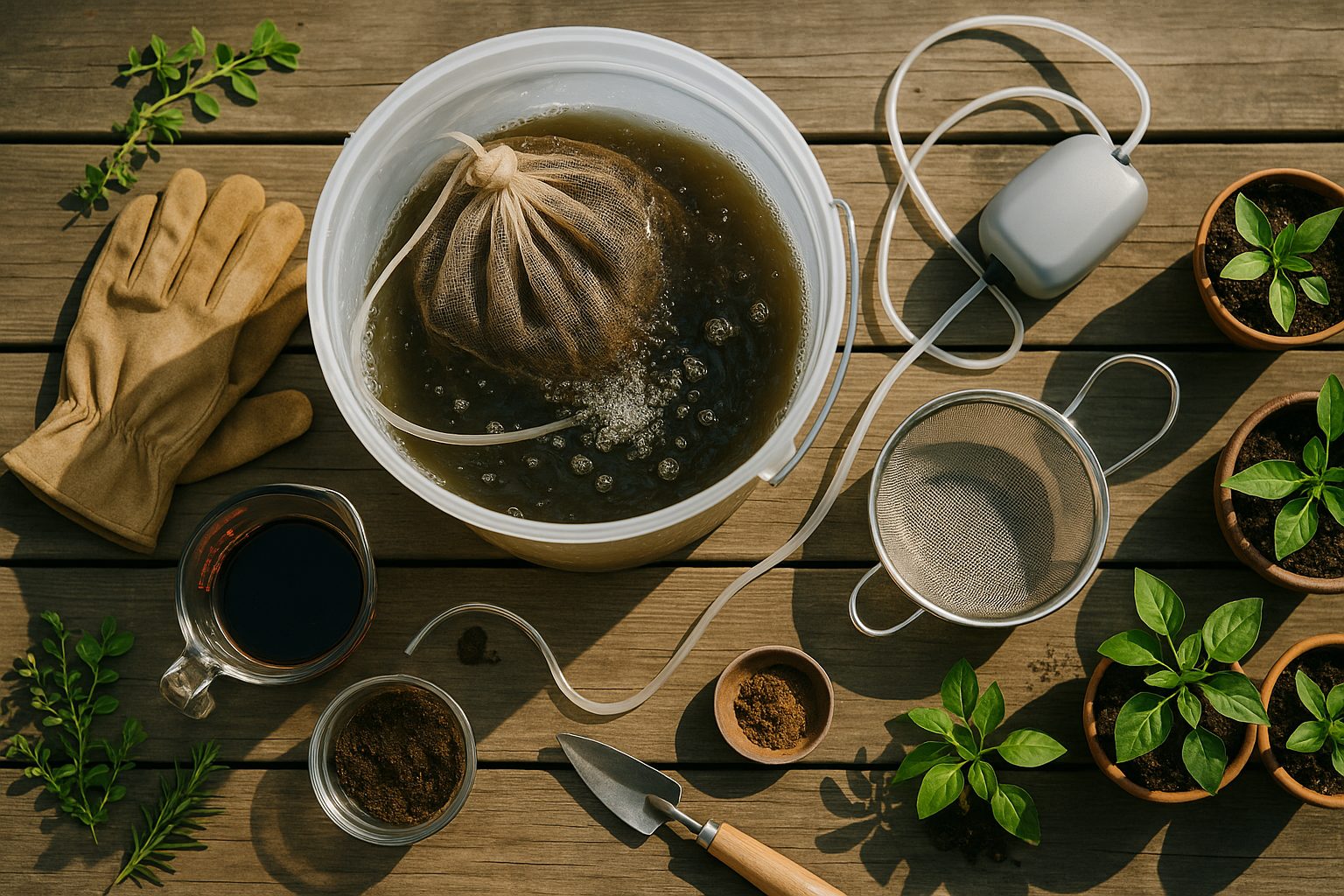
To get the most out of compost tea for peppers, timing and consistency are key. Start by applying compost tea when your bell pepper seedlings are a few inches tall and have developed at least two true leaves. Early spring—just after transplanting into the garden or containers—is an ideal time to give them their first dose. After that, apply compost tea every two to three weeks throughout the growing season. For each plant, use about one quart (roughly one liter) of diluted tea at the root zone, making sure the soil is moist but not saturated. If you’re foliar feeding, lightly mist the leaves in the morning to avoid sun scorch and allow for optimal absorption.
When brewing compost tea for peppers, use a simple aerated system with chlorine-free water and high-quality, well-matured compost. Add a handful of worm castings and a teaspoon of unsulfured molasses to boost beneficial microbes. Brew for 24–36 hours, aiming for a pleasant earthy smell; avoid strong, sour, or rotten odors, as these indicate harmful microbes. Always use the tea within a few hours of brewing for best results.
If your peppers aren’t thriving despite your efforts, check your water source—chlorinated water can kill beneficial microbes, reducing effectiveness. Also, ensure your compost isn’t contaminated with disease or weed seeds, and don’t apply tea to already waterlogged soil. Yellow, stunted plants may be signs of other issues like root rot, pests, or nutrient deficiencies; compost tea is a supplement, not a cure-all. Adjust your approach based on your plants’ response, and combine compost tea with balanced cultural practices for healthy, productive bell peppers.
Is Compost Tea Worth It for Bell Peppers? Conclusion and Recommendations
Compost tea for peppers offers a natural way to boost bell pepper growth by enriching the soil with beneficial microbes and nutrients that improve plant health and yield. The key benefits include enhanced disease resistance, better nutrient absorption, and improved soil structure, all contributing to bigger, healthier bell peppers. Many gardeners report lusher plants and more productive harvests when adding compost tea to their routine.
However, compost tea does have some potential downsides. Brewing it can be time-consuming, and if not prepared correctly, there’s a risk of spreading harmful pathogens. Scientific studies show mixed results—while many find positive effects on pepper plants, others see little difference compared to traditional fertilizing methods.
For home gardeners seeking organic and sustainable solutions, especially those with poor or depleted soil, compost tea is definitely worth trying. Small-scale growers who enjoy hands-on gardening and low-cost methods may find it particularly rewarding. On the other hand, commercial growers looking for consistent, large-scale results or anyone concerned about pathogen contamination should research thoroughly or stick with proven fertilizers.
No matter your approach, it’s best to experiment cautiously—test compost tea on a few pepper plants first, keep careful notes, and monitor the results. Remember, success depends on your soil type, brewing process, and local climate. If you decide to use compost tea for bell peppers, treat it as part of a broader soil management strategy and be ready to adjust based on what works best in your garden.