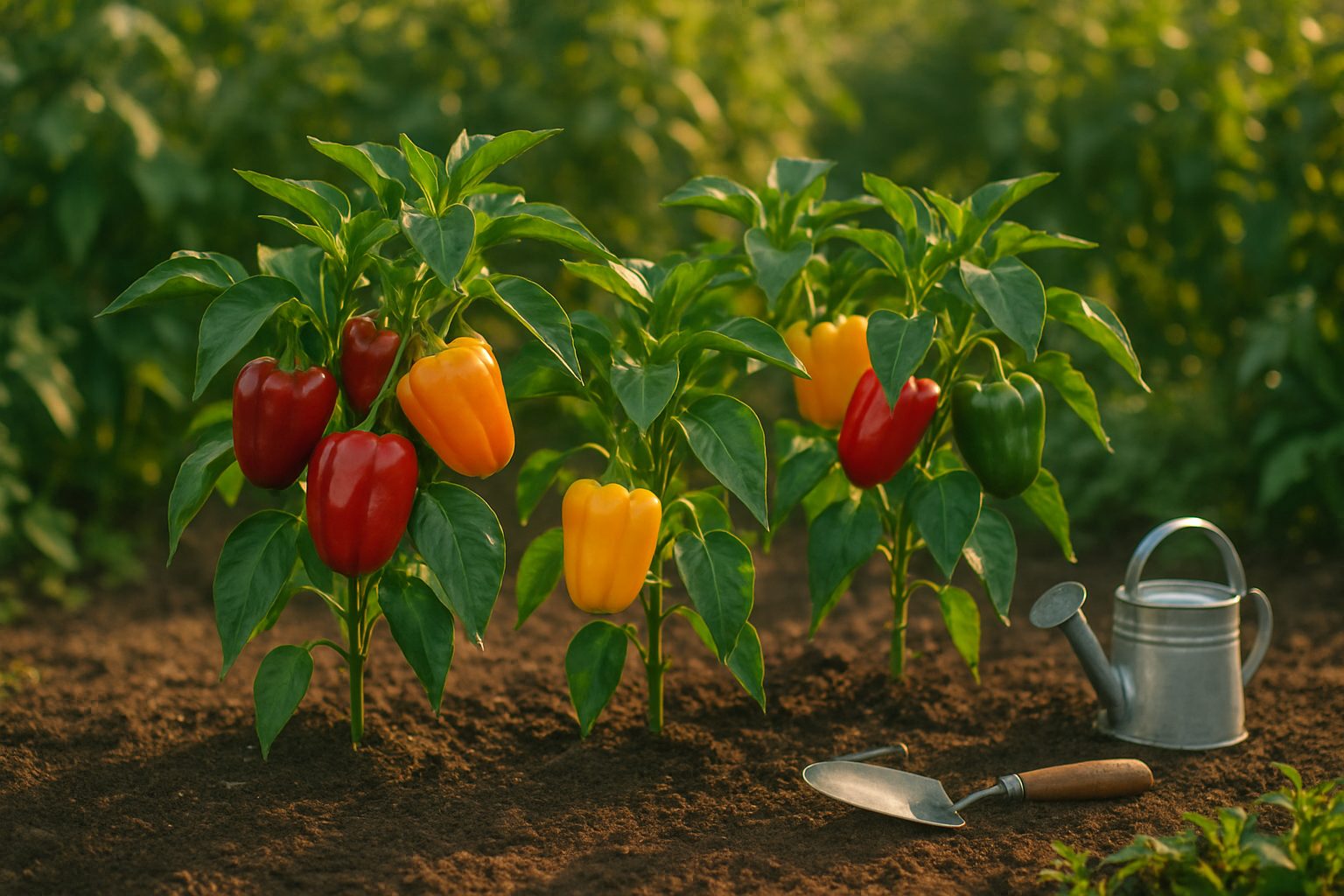
Do Peppers Really Need Full Sun?
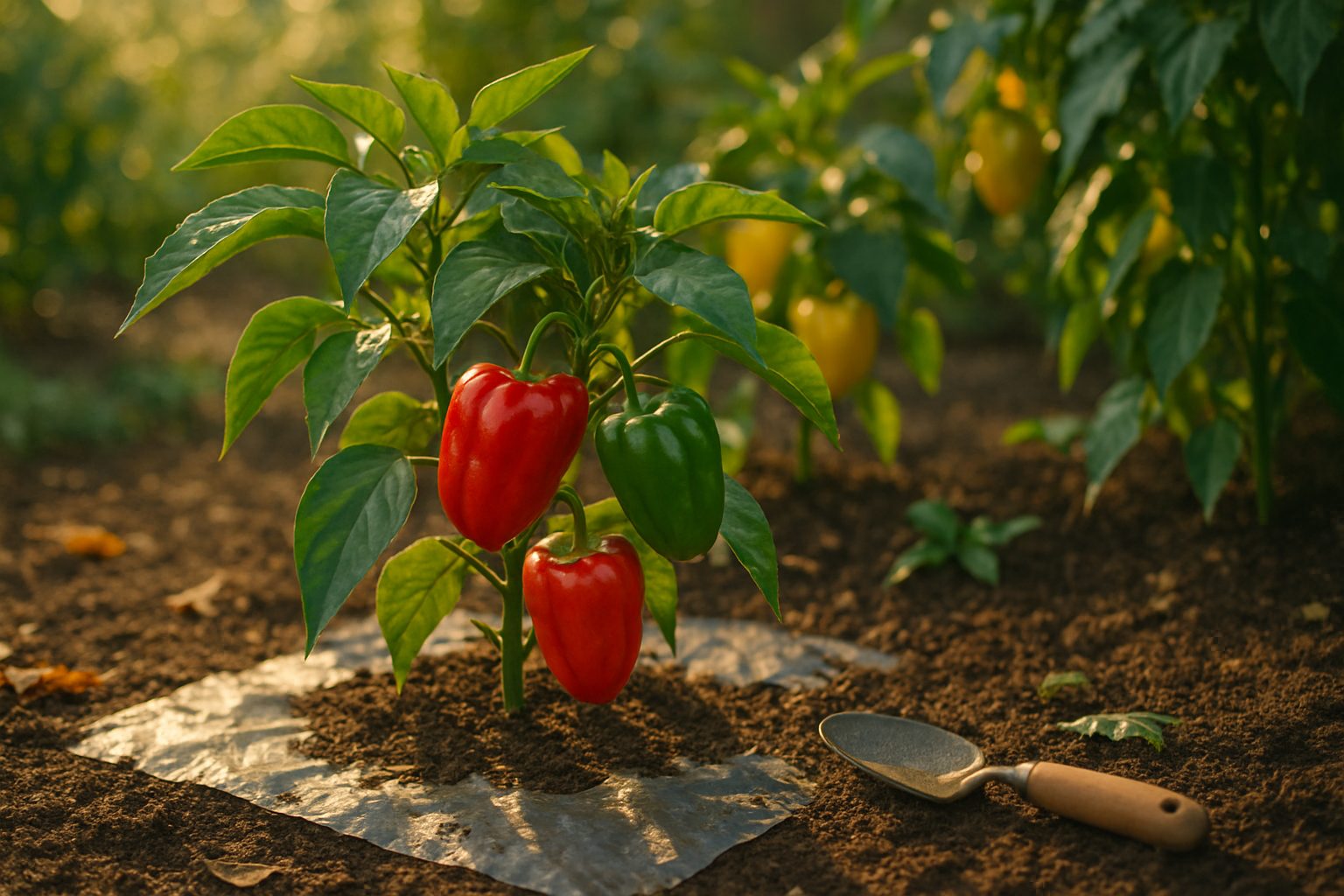
If you’ve ever wondered about growing bell peppers in shade, you’re not alone. Many gardeners want to know if peppers really need full sun or if partial shade can still yield a good crop.
Pepper plants thrive best with at least six to eight hours of direct sunlight each day, as this fuels photosynthesis—the process that turns sunlight into energy and helps plants produce those vibrant fruits. Strong sunlight ensures stout stems, lush foliage, and an abundant harvest, but that doesn’t mean a shadier corner of your garden is useless.
Bell peppers in partial shade can survive, but you may notice they grow slower, develop thinner stems, and produce fewer or smaller peppers. If your garden receives only morning sun or dappled afternoon light, try placing peppers where they catch the most rays possible.
Some experienced gardeners use reflective mulch to bounce extra light onto shaded plants or prune overhead branches to boost sunshine. While full sun is clearly ideal for maximum growth and fruiting, partial sun doesn’t make bell peppers impossible—it just means you’ll need a little extra care and patience to get the best from your plants.
With smart placement and a watchful eye, even slightly shaded pepper beds can surprise you.
Can Peppers Grow in Shade?
In gardening, “shade” typically refers to areas that receive less than six hours of direct sunlight per day. When it comes to peppers—whether bell, jalapeño, or other varieties—they generally thrive best in full sun, meaning at least six to eight hours of direct sunlight daily.
Growing peppers in shadier spots, such as alongside a north-facing fence or beneath tall trees, can lead to slower growth and weaker plants. With less sunlight, peppers often appear leggy as they stretch for any available light, making them more prone to pests and disease. Yields in these conditions usually decline; you’ll get fewer and often smaller fruits compared to sun-drenched plants.
Additionally, the fruits’ flavors are typically less vibrant. Peppers grown in ample sunlight develop deeper sweetness or heat, while those in shade can be blander and less colorful.
If you have no alternative but to plant in partial shade, try to maximize available light by using reflective materials like white mulch or planting near light-colored walls. Growing compact or early-maturing pepper varieties may also help boost success, though expectations for harvest size and flavor should remain modest in less-than-ideal sunlight.
Preventing Sunscald on Pepper Plants
Sunscald is a common problem for pepper plants, showing up as pale, leathery patches or blisters on fruits overexposed to intense sunlight. Peppers are especially vulnerable because their broad leaves sometimes fail to shield developing fruit, especially after pruning or during heatwaves.
To prevent sunscald, start by spacing your plants properly; this encourages strong, leafy growth that offers natural shade for the peppers. If you’re moving seedlings outdoors, gradually introduce them to direct sunlight over a week to toughen them up—this process is known as hardening off.
During the hottest part of summer, consider using lightweight shade cloth or garden fabric to filter harsh midday rays, or strategically plant taller crops nearby for some relief.
If you do spot signs of sunscald, pick damaged fruits promptly to prevent rot and redirect the plant’s energy into healthy growth. Covering affected plants with row covers, or even propping up large leaves with garden stakes, can help shield any remaining fruit while they recover.
Quick action and a little shade can keep your pepper harvest looking and tasting its best.
Preparing Peppers for Outdoor Sun Exposure (Hardening Off)
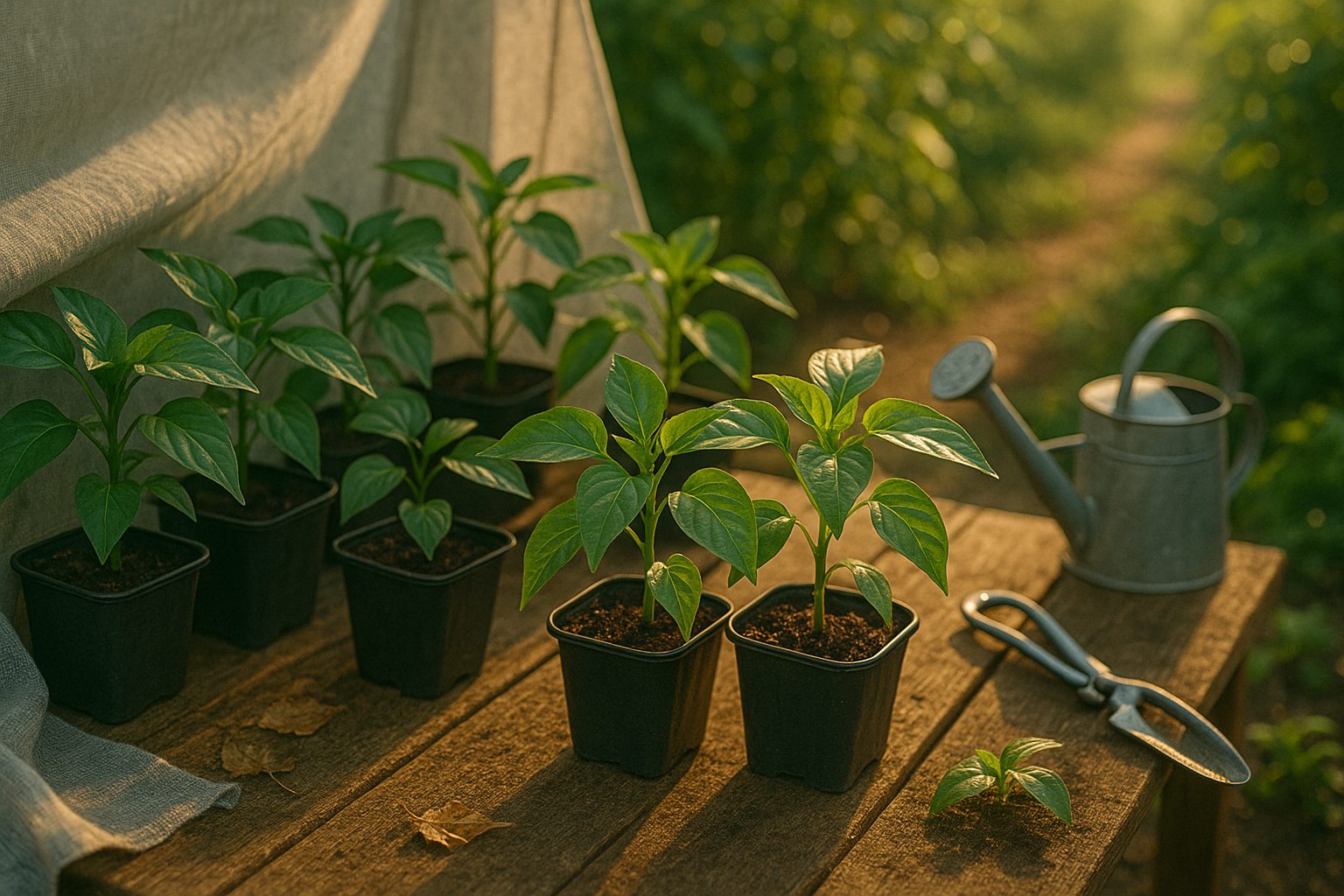
Hardening off your pepper seedlings is a crucial step before planting them outside. It’s all about getting them used to the strong outdoor sunlight, wind, and fluctuating temperatures.
Start by placing your plants outside in a shaded, sheltered spot for just one or two hours on the first day, then bring them back inside. Each day, gradually increase their outdoor time by 1-2 hours and slowly move them into brighter sunlight over the course of 7-10 days.
This slow transition toughens up the leaves and stems, allowing the seedlings to adapt without getting scorched or shocked by the sudden change, which can cause leaf burn or stunted growth. If the weather is particularly harsh—like a windy or hot afternoon—skip or shorten the session to protect your plants.
Water them well but avoid soggy soil, as drying winds or sun can stress them further. By the end of the hardening-off process, your peppers should comfortably handle a full day of sun and be ready for planting in the garden.
Remember, patience pays off: rushing can undo weeks of careful seedling care, while a gradual approach sets up your peppers for a healthy growing season.
Soil, Water, and Care for Sun-Loving Peppers
Peppers that thrive in full sun need well-draining, fertile soil rich in organic matter—think loamy mixes amended with compost or aged manure. Before planting, loosen the soil to at least 12 inches to promote strong root growth.
Peppers appreciate consistent moisture but don’t like soggy feet. Water deeply once or twice a week, letting the top inch of soil dry out between waterings. Consider using a drip system to keep leaves dry and reduce the risk of disease.
Mulching with straw, shredded leaves, or compost serves multiple purposes: it keeps the soil cool, retains moisture, suppresses weeds, and gradually adds nutrients as it breaks down.
Fertilize with a balanced, slow-release formula or side-dress with compost every four to six weeks. Focus on phosphorus and potassium for better flowering and fruiting, while keeping nitrogen moderate to avoid excessive leaf growth.
Regularly check for weeds and remove them by hand to prevent nutrient competition. Stake or cage taller plants to support heavy fruit loads.
Watch for signs of sunscald—papery white patches on fruit—and provide afternoon shade with row covers if necessary. With a little planning, attentive watering, and routine care, your sun-loving peppers will deliver a robust and colorful harvest.
Troubleshooting Common Pepper Growing Problems
Growing healthy pepper plants can be challenging when common issues like stunted growth, yellowing leaves, or blossom drop occur. These symptoms are often related to sunlight—either too little or too much.
Pepper plants thrive with at least six hours of direct sunlight each day, but intense afternoon sun can stress them, causing leaves to yellow or blossoms to drop prematurely. If your peppers are struggling, start by monitoring their light exposure.
For stunted growth or pale leaves, try relocating container plants or trimming nearby foliage to allow more morning sun. If the leaves look scorched or flowers are dropping, especially during heat waves, consider providing light afternoon shade using a garden cloth or a makeshift cover like an old sheet.
Remember, balance is key: too little sun leads to weak plants, but too much can burn and stress them. Regularly rotating potted peppers or planting them near taller garden companions like tomatoes can help control sun intensity.
With small adjustments based on your plant’s signals, you can keep your peppers healthy, productive, and thriving throughout the season.
Harvesting and Enjoying Your Peppers
Peppers are ready to harvest when they reach their mature size and display deep, vibrant colors—reds, yellows, or oranges, depending on the variety. Look for glossy skin and a firm feel as good indicators of ripeness.
More sun exposure helps peppers ripen faster and enhances their sweetness or heat, so try to pick those from the sunniest parts of the plant. Use sharp scissors to snip peppers off, taking care not to damage the stems.
Handle freshly picked peppers gently, especially hot varieties—wear gloves if necessary. To store, keep them unwashed in a ventilated paper bag in the fridge, where they’ll stay fresh for up to a week.