Introduction
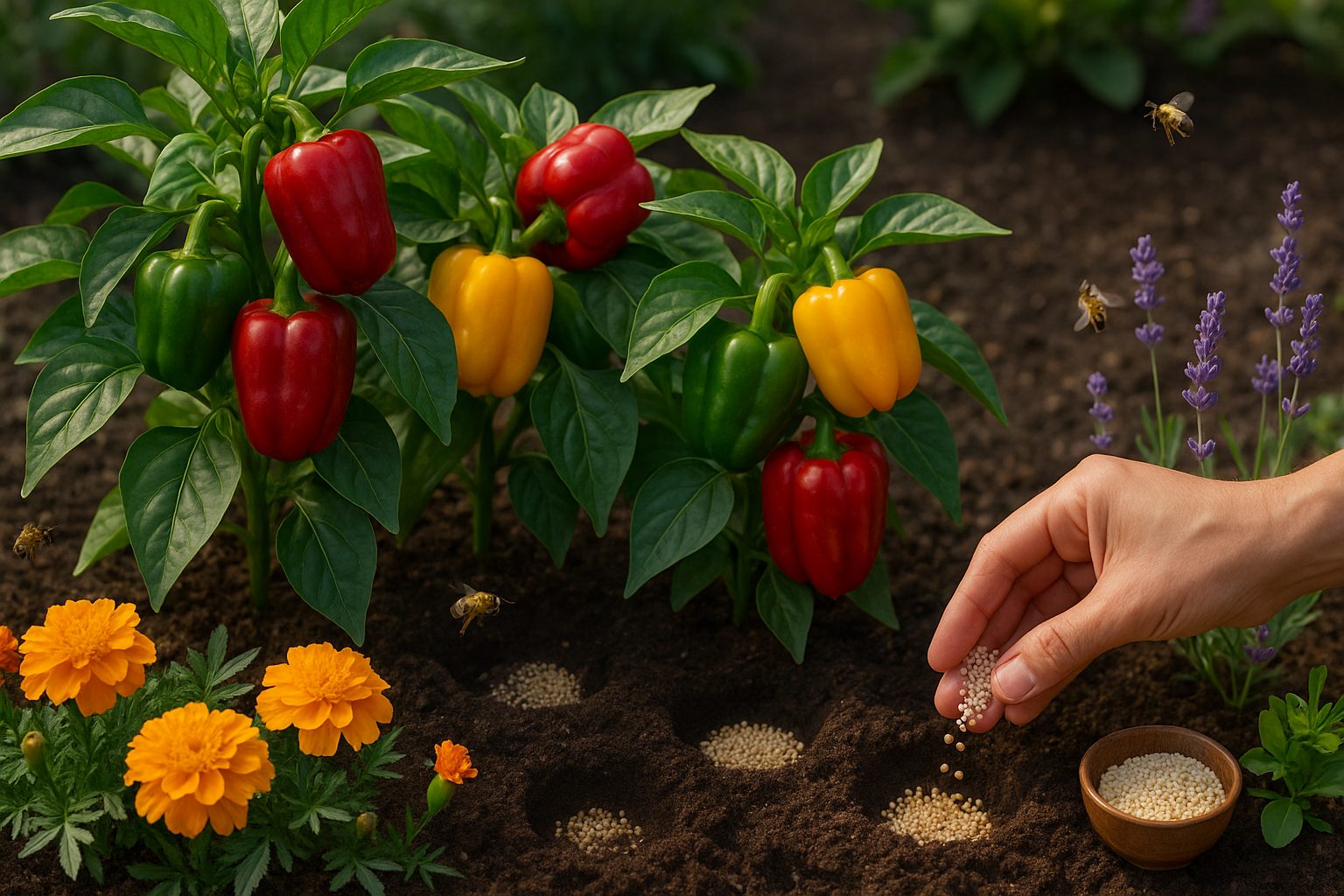
Bell peppers and pollinators share a unique relationship that can greatly impact your garden’s success. As a staple in both agriculture and home gardening, capsicum (peppers) are valued for their vibrant colors, sweet flavors, and nutritional benefits. But achieving a healthy yield isn’t just about planting seeds—understanding how flowers develop into fruit, and the crucial role pollination plays, can make or break your harvest.
In this article, we’ll explore whether bell peppers attract pollinators, how these plants set fruit, and what this means for gardeners aiming for bountiful crops. We’ll also offer practical tips for supporting pollination and boosting your bell pepper harvest at home or on the farm.
Understanding Capsicum Flower Structure
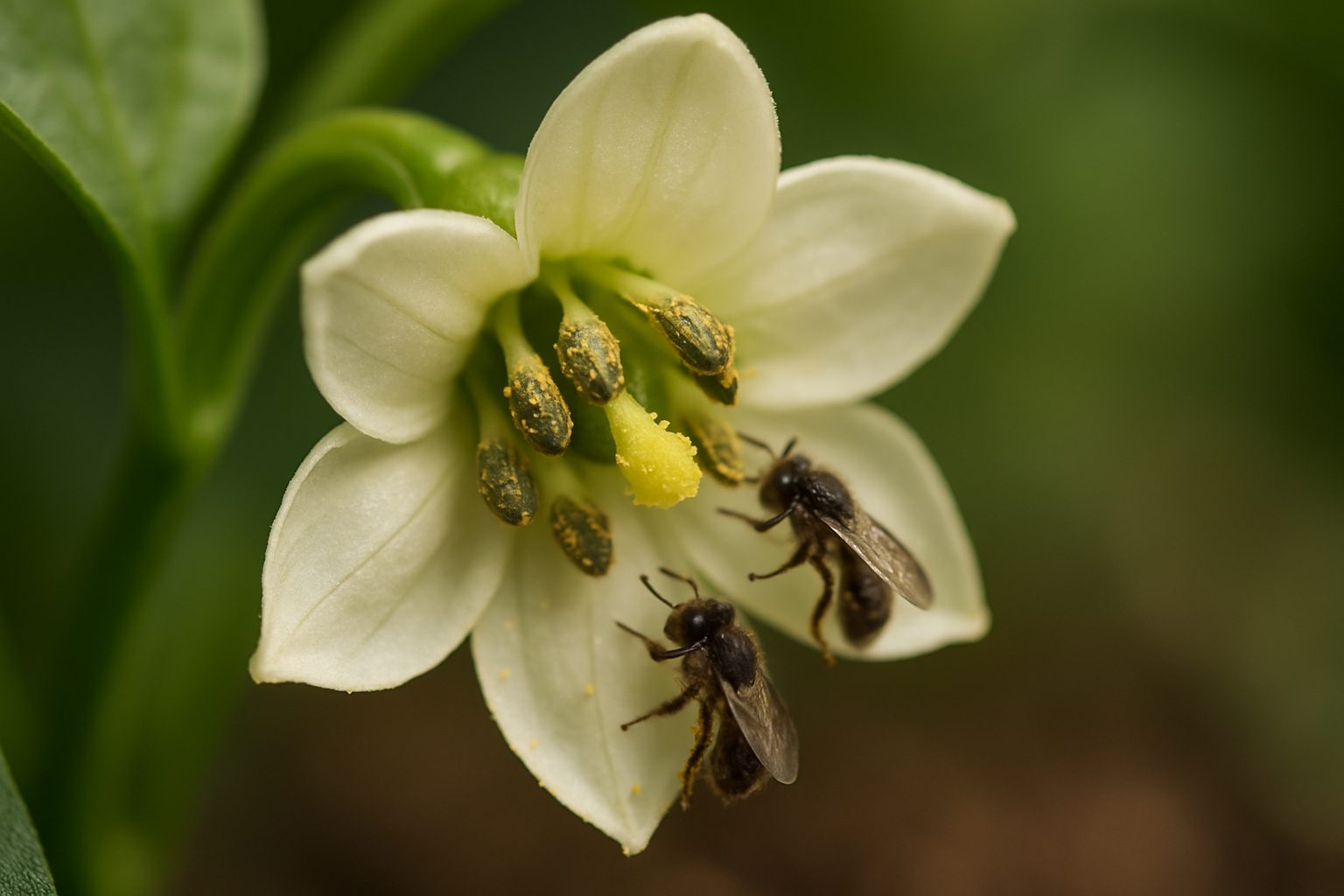
The capsicum flower, often overlooked amid the vibrant fruits, is a small marvel of plant design with distinct parts working together to ensure successful reproduction. At its core, the flower has both male and female reproductive organs, making it “perfect” or self-fertile.
The male part, known as the stamen, consists of slender filaments topped with anthers, which produce pollen—the plant’s equivalent of sperm. Opposite the stamens is the female part, or pistil, centrally located and comprised of the stigma (sticky tip), style (slender tube), and ovary (base containing ovules).
When a pollinator, like a bee, visits the flower for nectar, it brushes against the anthers and picks up pollen. As the bee moves to another flower, it may deposit that pollen onto the receptive stigma, facilitating fertilization within the ovary. Some capsicum varieties can also self-pollinate if pollen simply drops onto the flower’s own stigma.
The strategic positioning of these parts, along with the flower’s open, accessible shape, increases the likelihood that pollen reaches its target, whether by wind, insect, or gravity. Gardeners can encourage better pollination—and therefore a bigger harvest—by gently shaking plants or attracting more pollinators to their gardens.
The Pollination Process in Capsicums
Capsicum plants, including bell peppers and chilies, mainly rely on self-pollination, where pollen from a flower’s own anther fertilizes its stigma. However, cross-pollination can also occur, especially when pollinators like bees or wind transfer pollen between flowers on different plants, leading to greater genetic diversity.
The flowers are most receptive to pollen when they fully open, usually in the morning hours, as the stigmas become sticky and ready to capture pollen grains. This window of receptivity lasts only a day or two, so timing is crucial.
Environmental factors strongly influence how successful pollination is:
- High temperatures (above 32°C/90°F) can cause pollen to lose viability or stigmas to dry out.
- Very high humidity can make pollen grains clump together, making it harder for them to reach the stigma.
- Extremely low humidity can dry out flower parts too quickly.
- Poor air movement or heavy rain can deter pollinators, reducing chances for cross-pollination.
To help your capsicum plants:
- Water in the early morning.
- Encourage good air circulation between plants.
- Support natural pollinators by planting flowers nearby.
If conditions are tough and fruit set is low, gently shaking the plants or using a small paintbrush to move pollen might boost your harvest.
Natural Pollinators and Boosting Their Activity
The main natural pollinators for capsicum (peppers) are bees, particularly bumblebees, along with some smaller insects and, to a lesser extent, wind. Since capsicum flowers have relatively closed structures, bee activity is especially critical for good fruit set.
If you want to boost pollinator numbers in your garden, start by planting a variety of nectar-rich companion flowers such as marigolds, lavender, or sunflowers nearby—these attract bees and other helpful insects.
Another key tip is to avoid using pesticides, even organic ones, during the blooming period, as these chemicals can deter or harm pollinators.
If you notice fewer bees around, try setting up a bee hotel or leaving small patches of native wildflowers and grasses untouched to provide habitat.
Low pollinator activity can result in poor fruit development, so consider gently hand-shaking the pepper plants in the morning to help spread pollen if bees are scarce.
Providing a shallow dish of water with pebbles for insects to land on can also keep your pollinator visitors healthy and coming back.
By making a few simple changes, you can create a vibrant, pollinator-friendly environment that boosts your capsicum yields.
Hand Pollination Techniques for Better Fruit Set
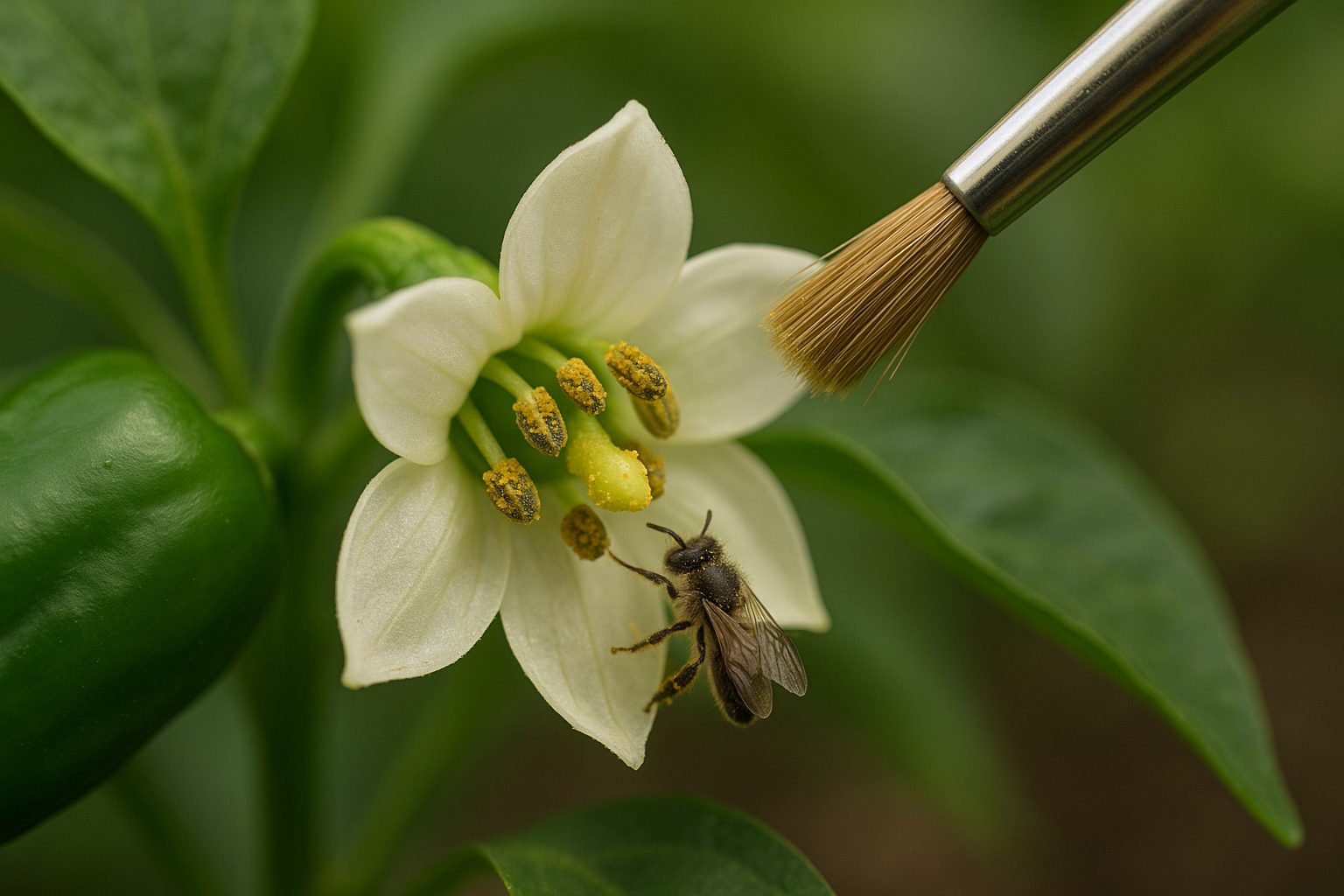
Hand pollination can dramatically improve fruit set in capsicum, especially in greenhouses or small gardens where natural pollinators may be scarce. To get started, you’ll need a small, soft paintbrush or cotton swab—these act as your stand-in pollinators.
The best time to pollinate is in the early morning when flowers are fully open and pollen is freshest. Gently touch the inside of an open flower with your brush or swab to pick up some pollen, then dab it onto the stigma (the central part of another flower). Repeat this for several flowers to maximize your chances of a successful fruit set. Be sure to handle blooms carefully to avoid damaging delicate floral parts.
Hand pollination is especially helpful for small-scale urban gardeners, greenhouse growers, or anyone noticing poor fruit development due to lack of insect activity. It’s a quick, simple way to ensure healthy capsicum harvests when nature needs a little boost.
Optimizing Growing Conditions for Successful Fruit Set
Fruit set in your garden depends on a few key environmental factors: temperature, humidity, and soil quality all play vital roles. For example, many fruit plants won’t set fruit well if nights are too cold or days get too hot—typically below 55°F or above 90°F. To help maintain ideal conditions, consider using row covers for warmth on cool nights or shade cloth during heat waves.
Humidity is just as important; overly dry air can hinder pollination. Regularly mist blooming plants or set up a shallow tray of water nearby to gently boost humidity.
When it comes to soil, aim for rich, well-draining earth packed with organic matter. Adding compost each season is a great habit. Consistent, thorough watering is key: water deeply at the roots, keeping soil evenly moist but never soggy. Feed your plants with a balanced fertilizer, especially one with adequate phosphorus to encourage blossoms and fruit production.
Make sure plants are spaced properly to allow air circulation—overcrowding leads to disease and poor flower pollination. Watch for signs of poor fruit set, like lots of flowers but very few fruits forming, or young fruit that shrivel and drop.
Quick remedies include hand-pollinating with a small paintbrush, correcting watering routines, and giving a phosphorus boost. Small adjustments in these areas can make all the difference for a productive, fruit-filled season.
Harvesting and Post-Harvest Handling
Harvesting capsicum at the right time is key to achieving the best flavor, texture, and shelf life. Pick fruits when they reach their full size and show the desired color for your variety—generally, peppers should feel firm and snap easily off the plant with a gentle twist or by using clean pruning shears. Avoid tugging, which can damage both the fruit and the plant.
Early morning is ideal for harvest, when temperatures are cooler and fruits are less stressed. Effective pollination and consistent fruit set—often supported by encouraging pollinators and avoiding excessive nitrogen—help ensure uniform size and quality at harvest.
Once picked, handle fruits gently; avoid dropping or overfilling containers, as bruising quickly leads to spoilage. Store harvested capsicum in well-ventilated crates in a cool, humid environment—temperatures around 7–10°C and 90–95% humidity are optimal. Wash only before use to reduce moisture-related rot during storage.
These simple steps, from pollination through proper storage, dramatically reduce post-harvest losses and keep your capsicums fresher for longer.
Conclusion
Understanding the key roles of pollination and fruit set is essential for anyone aiming to grow successful capsicum crops. Proper pollination not only increases the number of peppers but also improves their quality and size.
By applying simple strategies—like attracting beneficial insects, gently shaking plants, or managing temperature and humidity—you can noticeably boost your pepper yields. For even better results, consider exploring local gardening workshops or trusted online resources such as university extension websites.
By taking small steps and continually learning, you’ll set yourself up for a fruitful capsicum harvest season after season.