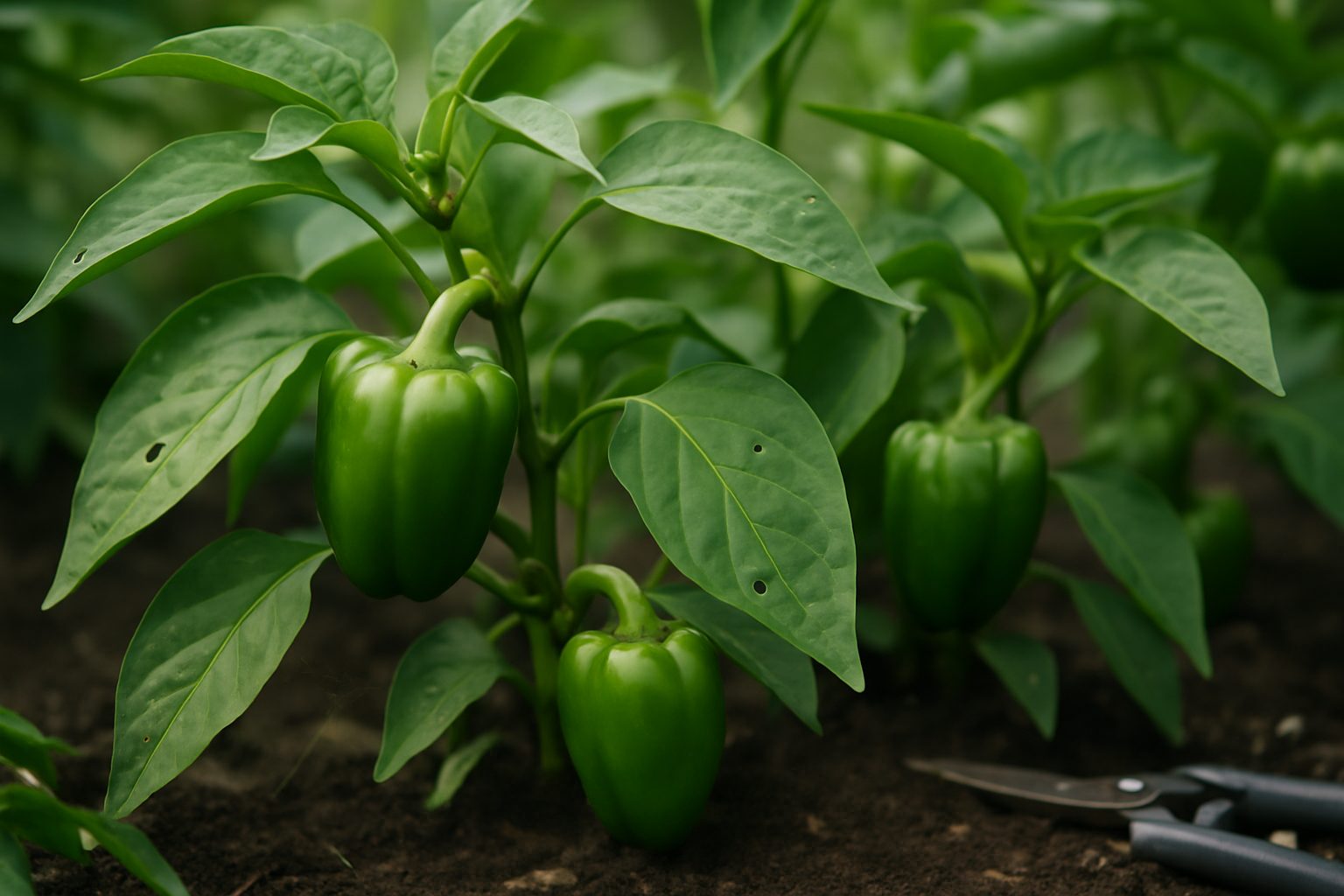
Introduction to Pepper Pests
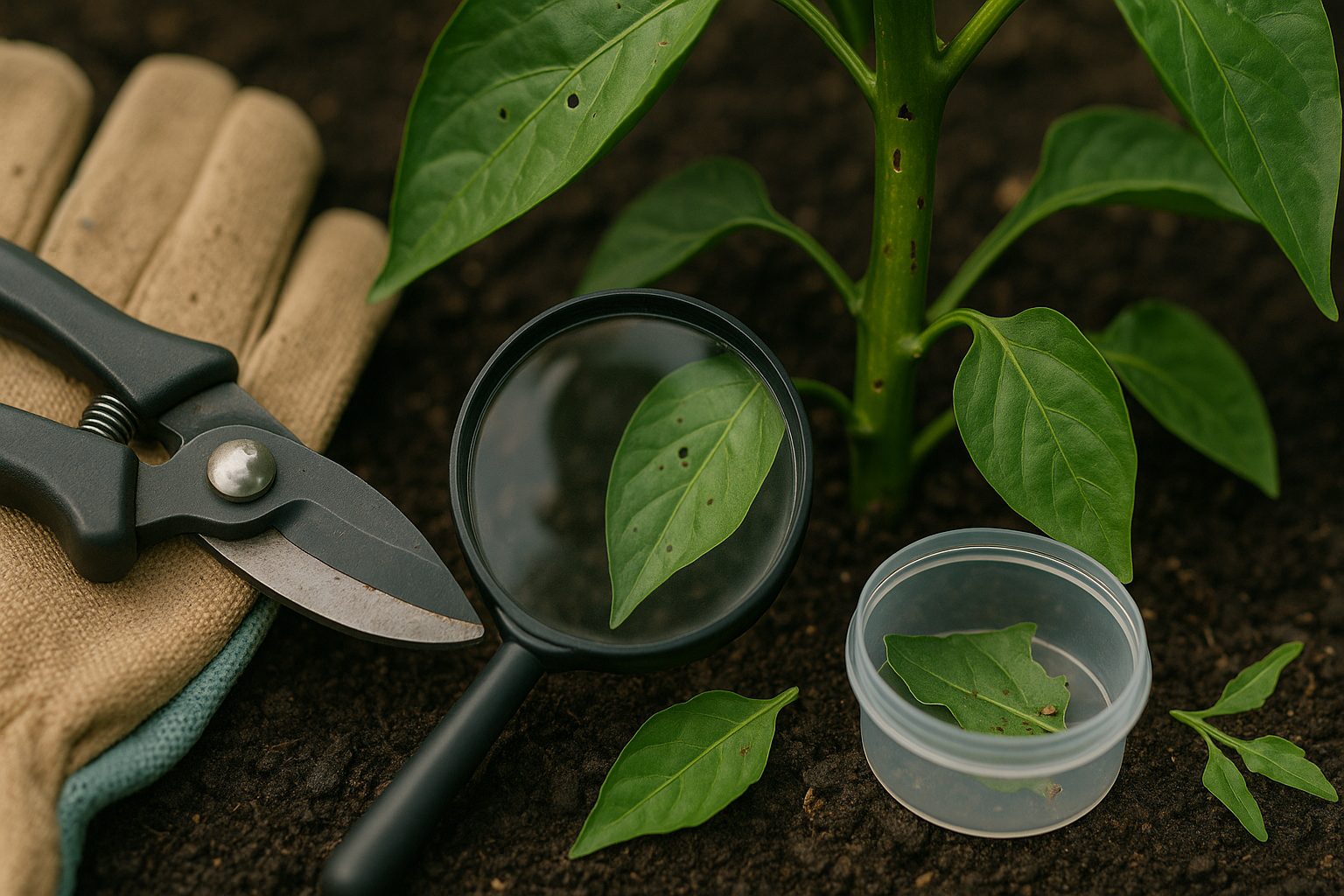
Dealing with bell pepper pests is a challenge nearly every gardener or grower faces, whether you’re tending a backyard plot or managing rows in a greenhouse. Protecting your pepper plants from these persistent invaders is crucial if you want bountiful, healthy yields—one bad outbreak can turn months of effort into disappointing, shriveled pods.
Pests don’t just nibble here and there; they chew holes through leaves, bore into developing fruit, and sap plants of vital nutrients. Aphids can stunt plant growth by feeding on sap, caterpillars can tunnel into fruit, while spider mites leave behind unsightly yellow stippling and webbing. In severe cases, pests even carry diseases that can wipe out an entire crop if left unchecked.
When bell pepper pests take hold, the damage isn’t just cosmetic. Holes in leaves weaken the plant’s ability to photosynthesize, resulting in fewer flowers and, ultimately, fewer peppers. Damaged fruit becomes prime territory for rot and fungus, making it unsellable or unpalatable.
Inside greenhouses—where pests can multiply rapidly in warm, sheltered conditions—a single missed pest can turn into an infestation almost overnight. That’s why prevention is your first (and best) line of defense. Simple steps like inspecting transplants, rotating crops, and using pest-resistant varieties can save a lot of grief later on.
But even the most careful gardener will occasionally need to manage outbreaks. Knowing how to monitor plants, spot early signs of trouble, and act fast with targeted treatments is just as important.
In this guide, we’ll break down the most common bell pepper pests you’ll encounter—from sneaky aphids to crafty cutworms—and show you tried-and-true ways to stop them before they damage your harvest. Whether you garden at home or run a commercial greenhouse, these strategies will help you keep your peppers strong and your harvests robust.
Most Common Pests Affecting Peppers
Peppers, like many garden vegetables, often fall prey to a variety of persistent pests, each with distinct habits and damage patterns.
Aphids are tiny, soft-bodied insects that cluster on new growth, sucking out plant sap and leaving behind sticky honeydew. This can lead to curled leaves and stunted growth at any stage of the plant’s life.
Spider mites, barely visible to the naked eye, thrive in hot, dry conditions. They speckle leaves with tiny yellow or white dots, eventually causing webbing and leaf drop. Their rapid reproductive cycle makes control tricky.
Thrips are slender and fast-moving; they puncture pepper leaves and flowers to feed, resulting in silvery streaks, distorted foliage, and poorly developed fruit. They are especially threatening to seedlings and young plants.
Armyworms, the larvae of certain moths, chew large, ragged holes in leaves and sometimes bore into fruit. They often attack rapidly overnight, causing severe defoliation before you even spot them.
Pepper maggots specifically target the fruit, tunneling inside to lay eggs. Infested peppers may show dimpled spots and eventually rot, which can ruin an entire harvest if not noticed early.
Flea beetles, named for their jumping ability, leave small, shot-hole patterns across leaves. Young transplants are especially vulnerable, as heavy feeding can kill fragile seedlings outright.
Cutworms are nocturnal caterpillars known for snipping off young pepper stems right at the soil line, often toppling plants before they have a chance to establish. Because they feed at night, you may only notice their destruction the morning after.
Recognizing signs such as leaf curling, yellowing, holes, spots, wilting, and dropped blossoms or fruit is crucial for early intervention.
Different pests target peppers at various life stages:
- Aphids and spider mites can compromise plant vigor throughout the season.
- Cutworms and flea beetles are most dangerous during the early seedling stage.
- Pepper maggots and armyworms strike as fruit develops.
Many of these pests exhibit behaviors that complicate control, such as hiding on leaf undersides (aphids, spider mites), laying eggs inside fruit (pepper maggots), or only feeding at night (cutworms).
Tactics like regular inspection—including looking under leaves and at soil level—and using row covers or natural predators can help. Staying vigilant is key since populations can explode rapidly if left unchecked.
Recognizing Pest Damage on Pepper Plants
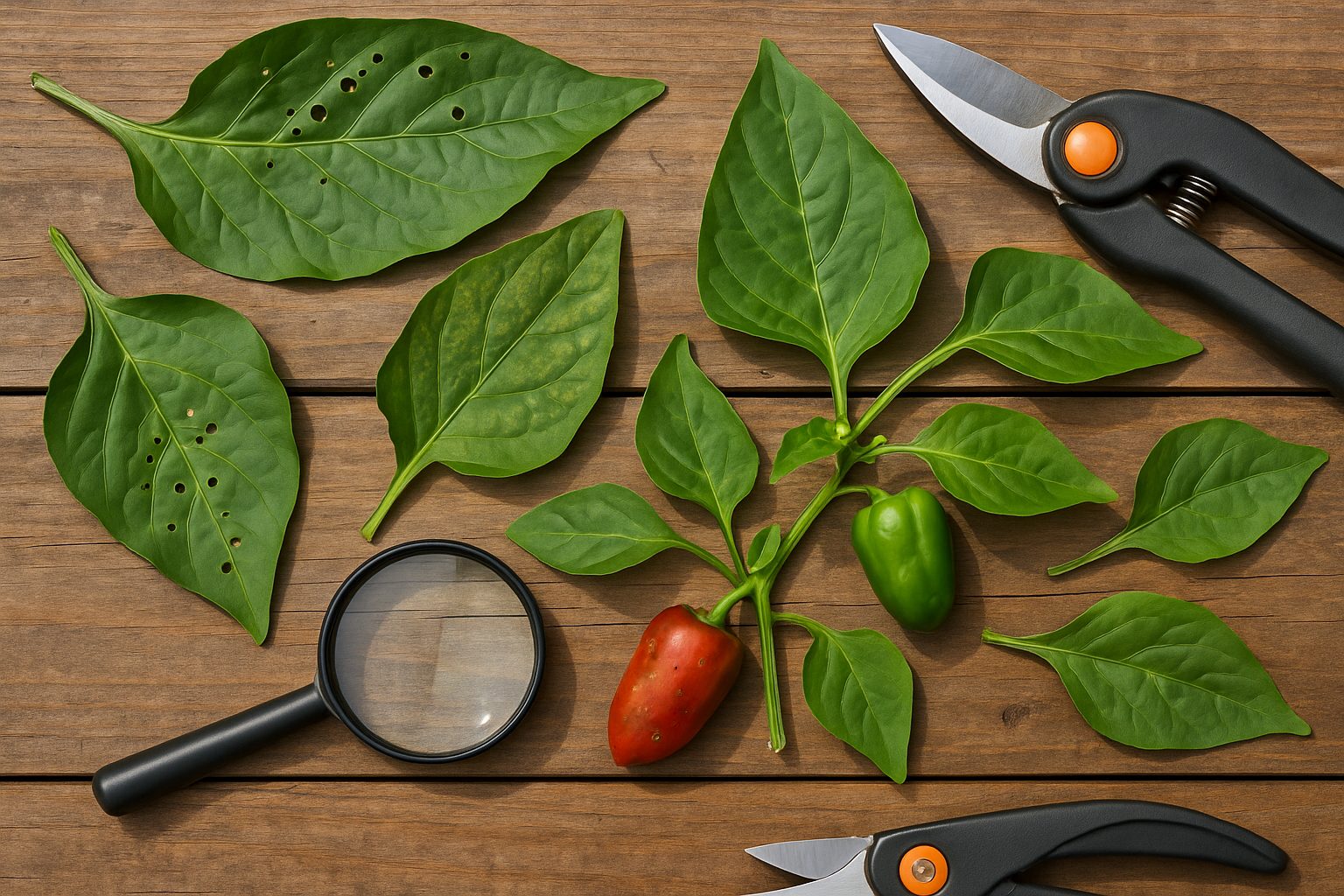
Spotting pest damage on your pepper plants early can make all the difference in maintaining a healthy crop. Begin by examining your plants every few days, especially during the growing season when pests are most active. Look closely at the leaves for tiny holes, ragged edges, or clusters of yellow, white, or brown spots—these are classic signs of chewing insects like caterpillars and beetles.
Aphids and whiteflies may leave behind sticky honeydew or cause leaves to curl and distort. On the stems, you might notice small bumps, webbing, or fine silk indicating the presence of spider mites or scale insects. Don’t forget to check the undersides of leaves and around the joints where pests often hide.
Flowers affected by thrips or mites may appear deformed, discolored, or may drop prematurely. Inspect fruits for small holes, sunken spots, or patches of rot, which can signal worm or borer activity. To catch issues early, make inspections part of your routine—do a quick survey every time you water or weed.
It’s easy to confuse pest damage with symptoms of diseases or nutrient deficiencies, so pay attention to the details. Pest damage usually appears suddenly and may be accompanied by the presence of insects, eggs, or droppings—look for these clues as you examine your plants.
In contrast, nutrient issues develop slowly over time and typically affect many leaves in a consistent pattern, such as uniform yellowing from the edges or between veins instead of random spots or holes. Pathogen-related diseases often come with other symptoms like mold growth, fuzzy spots, or spreading patches, and usually won’t feature visible insects.
If you see bite marks, webbing, or insects themselves, pests are likely the culprits. For example, if you spot stippled leaves that look bleached, check for tiny, red spider mites on the underside; if leaves have perfect round holes, beetles may be snacking. Taking photos of the symptoms and comparing them to online resources can help with identification.
Consistently monitoring your pepper plants empowers you to act fast and prevent a minor problem from snowballing. As soon as you spot anything unusual, use a magnifying glass for a closer look and try to identify the pest involved. Capture samples if possible, and don’t hesitate to ask for advice at your local garden center or extension service.
By knowing what to look for and acting quickly, you’ll protect your pepper plants from pests and enjoy a more abundant harvest.
Integrated Pest Management (IPM) Approach
Integrated Pest Management (IPM) is a sustainable method of pest control that emphasizes long-term prevention and minimal environmental impact over quick chemical solutions.
The first line of defense in IPM is cultural control—simple practices that make your garden or farm less inviting to pests. For example, rotating crops each season helps interrupt the life cycle of soil-borne bugs and diseases, while cleaning up fallen leaves and plant debris removes places where pests can overwinter. Keeping your plants healthy through proper watering and fertilizing also makes them more resistant to infestations.
Physical and mechanical controls add another layer of protection. You can trap pests using sticky traps or pheromone lures, shield vulnerable crops with lightweight row covers, and even hand-pick stubborn insects when you spot them.
Beyond these hands-on approaches, IPM encourages letting nature lend a hand—inviting beneficial insects like ladybugs, lacewings, and predatory beetles that happily snack on aphids and caterpillars. Installing birdhouses or bug hotels can also attract helpful allies to your space.
By combining these strategies, you can manage pests effectively without relying on harsh chemicals, protecting both your harvest and the local ecosystem.
Chemical and Organic Pest Control Options
When it comes to managing garden pests, homeowners have a range of choices, from powerful chemical solutions to gentler organic methods. Chemical controls, such as commercial insecticides, can be highly effective for severe infestations and offer quick results, but they must be used responsibly to minimize harm to beneficial insects, pets, and people.
Always read labels carefully, wear protective gear, and apply chemicals on calm days to prevent drift; stick to targeted, rather than broad-spectrum, products whenever possible.
On the organic side, options like neem oil disrupt pest life cycles and are safe around most pollinators when applied early or late in the day. Insecticidal soap is another favorite, targeting soft-bodied insects like aphids without leaving toxic residues; just test on a small plant area first to avoid leaf burn. Diatomaceous earth, a natural powder, can be sprinkled around plant bases to deter crawling insects—just remember it loses effectiveness when wet and needs reapplication after rain.
While synthetic chemicals usually provide faster and more comprehensive pest control, they can also lead to resistance and harm non-target organisms, including valuable pollinators. Organic methods require more frequent monitoring and may work slower, but they build long-term garden health and reduce chemical exposure.
For best results, whichever method you choose, apply treatments at the earliest signs of infestation and during the times of day when pollinators are least active to keep your garden thriving and safe.
Preventing Future Pest Infestations
Preventing future pest infestations isn’t a one-time fix—it’s about building good habits that keep your garden healthy all year round. Start by maintaining garden hygiene: remove fallen leaves, spent crops, and any plant debris that might harbor pests through the seasons.
Rotate your crops each year to confuse insect lifecycles and break disease patterns; for example, don’t plant tomatoes in the same spot two years in a row. Opt for pest-resistant varieties when shopping for seeds or starter plants—many nurseries offer options bred specifically to withstand common local threats, which reduces the need for intervention later.
Make it a habit to inspect your plants regularly; a quick walk-through once or twice a week helps you spot early signs of pests or disease before they spread. If you find a damaged or infested plant, remove and dispose of it promptly, and avoid composting severely infected material.
Encourage beneficial insects like ladybugs, lacewings, and praying mantises by planting flowers such as marigolds, alyssum, or cosmos, which attract these natural predators. Consider using companion planting in your garden—for example, basil repels aphids and mosquitoes when planted near tomatoes, and onions can deter carrot flies.
Mulching with straw or wood chips not only reduces weeds but also creates a physical barrier against crawling insects. By combining these ongoing practices, you build a garden ecosystem that naturally keeps most pests in check and prevents minor problems from turning into infestations, making your gardening less stressful and more productive.
Conclusion & Key Takeaways
Protecting your pepper plants from pests doesn’t have to be overwhelming if you break the process into manageable steps. Start by inspecting your plants regularly for signs of trouble—look for holes in leaves, sticky residue, or tiny insects under leaves—and act quickly when you spot problems.
Managing pests works best when you blend approaches: hand-pick larger intruders like caterpillars, introduce natural predators (like ladybugs for aphids), and use organic sprays if needed. Preventing infestations is just as important as treating them, so keep your garden area clean, rotate crops each season, and practice proper watering to avoid stressing your plants.
Mulching and row covers can also create physical barriers against pests. Remember, no single method solves every problem—instead, combining good habits and natural solutions builds resilience and leads to healthier plants.
If you want to dig deeper, check out university extension websites, gardening forums, and books focused on organic pest management for the latest practical advice. With this integrated approach and a little vigilance, your peppers can thrive season after season.