Introduction
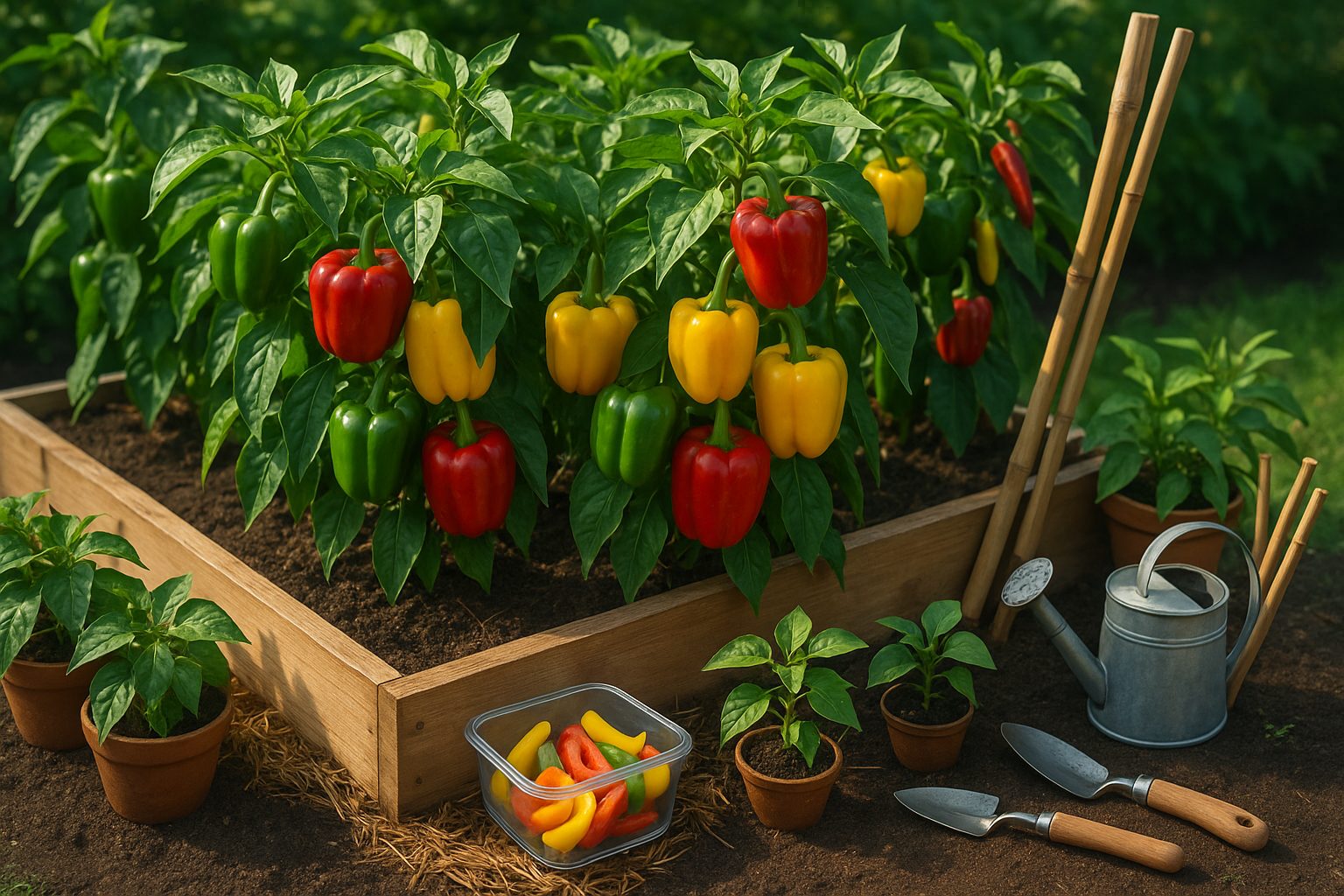
Bell peppers in raised beds have become a top choice for gardeners looking to get the most out of their vegetable patch. Known for their crisp sweetness and vibrant colors, bell peppers are a staple in salads, stir-fries, and countless homemade dishes, making them one of the most popular crops to grow at home. At the same time, raised bed gardening is gaining popularity, especially among urban and small-space gardeners.
Raised beds offer a neat, manageable way to cultivate vegetables, providing better drainage, easier weed control, and even extended growing seasons. But is this method the ideal way to grow robust, healthy bell peppers? In this article, we’ll explore the advantages and drawbacks of growing bell peppers in raised beds to help you decide if this trendy technique fits your gardening goals.
Whether you’re a beginner aiming for your first harvest or an experienced grower looking to boost yields, understanding practical factors like soil temperature, moisture retention, and space management can make all the difference. Let’s dive in and find out what to expect so you can grow your best bell peppers yet.
Why Raised Beds Are Popular with Vegetable Growers
Raised beds are garden plots elevated above ground level, framed by wood, metal, or other sturdy materials, and filled with quality soil. This design offers several advantages for vegetable growers, making it a favorite choice for both experienced gardeners and beginners. One major benefit is accessibility: the elevated setup reduces the need to bend or kneel, which is especially helpful for those with limited mobility or anyone wanting to ease back strain during planting and harvest.
Equally important, raised beds give gardeners much more control over soil quality and structure. Instead of struggling with compacted or poor native soil, you can fill the bed with rich, loose, well-draining mixes—perfect for supporting strong vegetable root systems. This is a big plus for growing bell peppers in raised beds, as they are sensitive to heavy, waterlogged soil and thrive in fertile, well-aerated environments.
Raised beds also warm up faster in the spring and drain better after heavy rains, extending the growing season and reducing the risk of fungal diseases. Many gardeners appreciate the tidy, organized look that raised beds bring to backyards and patios. This visual clarity can boost motivation and make garden planning easier.
In recent years, raised bed gardening has grown in popularity, driven by social media, urban gardening trends, and the desire to get reliable yields from smaller spaces. For beginners interested in growing bell peppers, these advantages are especially appealing. Accessibility, manageable garden sizes, and fewer soil surprises make growing bell peppers in raised beds a beginner-friendly way to enjoy colorful harvests and experiment with different pepper varieties—while avoiding many pitfalls of traditional in-ground beds.
Pros of Growing Bell Peppers in Raised Beds
Growing bell peppers in raised beds offers several key advantages that help gardeners achieve healthier plants and bigger harvests. One major benefit is improved soil drainage—raised beds allow excess water to drain away more efficiently than traditional in-ground gardens, preventing the soggy soil conditions that cause root rot in bell peppers. The elevated soil also warms up faster in spring and maintains more stable temperatures, giving bell pepper roots the warmth they need to establish quickly and grow vigorously. Better aeration is another perk, as the loose soil in raised beds lets roots access oxygen more easily, encouraging strong root development and overall plant health.
Raised beds also give gardeners complete control over the soil mix, making it easier to create the perfect environment for bell peppers. These plants are heavy feeders and thrive in nutrient-rich, well-draining soil. You can easily add compost, organic fertilizers, and amendments like perlite or peat moss to boost fertility and adjust pH levels to suit your peppers. Plus, since the growing area is contained, it’s simpler to maintain optimal soil quality across seasons through crop rotation and fresh organic matter top-ups.
Another big advantage is the reduction of pests and weeds. The raised bed structure acts as a barrier against common garden pests such as snails, slugs, and some soil-borne insects. It’s also easier to apply row covers or mulch, protecting your bell peppers without relying on harsh chemicals. Weeds are less common because raised beds start with clean, fresh soil, and weeding is simpler thanks to the loose, elevated soil. Maintenance tasks like pruning, watering, and harvesting also become more comfortable—especially for those with limited mobility—since the beds can be accessed without excessive bending or kneeling. Finally, raised beds encourage organized, space-efficient layouts. You can plant bell peppers close together in grid patterns or pair them with companions like basil, onions, and marigolds, maximizing every inch of space for higher yields even in small gardens.
Cons of Growing Bell Peppers in Raised Beds
While growing bell peppers in raised beds offers many advantages, it’s important to consider some potential drawbacks before you get started. One major factor is the upfront investment—constructing raised beds requires purchasing materials like lumber, soil, and compost, which can add up quickly, especially if you choose rot-resistant wood or pre-made kits. The initial labor can also be significant: you’ll need to assemble the beds, fill them (which may involve hauling a lot of soil), and find a stable location with good drainage.
Once your beds are built, ongoing maintenance adds to the workload. Soil levels can settle and will need replenishing, and wooden boards may require repairs if they start to rot or warp over time.
Water management can be another challenge. Raised beds tend to dry out much faster than in-ground gardens, particularly in hot or windy conditions. Bell peppers need consistent moisture, so you’ll likely be watering more frequently—sometimes daily during midsummer. Without careful watering, plants can wilt or become stressed, which affects fruit production. Setting up a drip irrigation system can save time but adds to the initial cost and setup effort.
The limited soil volume in raised beds is both an advantage and a drawback. While it makes amending soil easier, nutrients can be used up more quickly. Since bell peppers are fairly heavy feeders, you’ll need to fertilize regularly throughout the season to prevent nutrient depletion and keep plants healthy. This is especially important if you grow multiple crops per year or have compact beds.
Additionally, shallow beds can affect plant stability as your peppers mature. The plants may become top-heavy and require staking, especially if their root systems cannot anchor deeply enough. Choosing a bed depth of at least 12–18 inches and using supports can help, but it means extra effort compared to in-ground planting.
By understanding these cons of growing bell peppers in raised beds beforehand, you can plan solutions to set your plants up for success.
Tips for Success: Maximizing the Pros, Minimizing the Cons
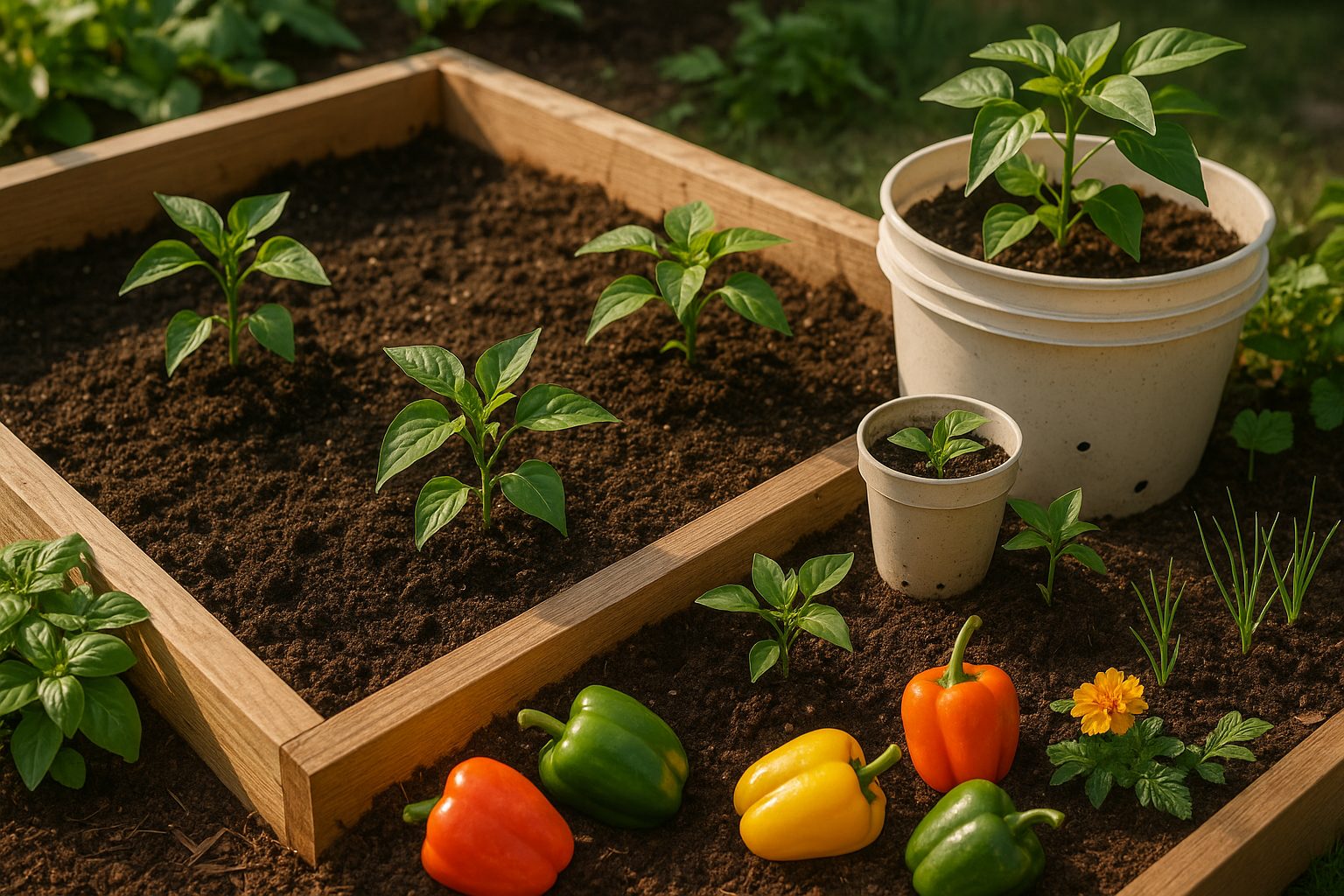
When growing bell peppers in raised beds, start by ensuring your bed is deep enough—at least 12 inches, but 18 inches is even better—to give roots plenty of space to spread and anchor. Choose a rich, well-draining soil mixture rich in compost and organic matter, since bell peppers thrive in fertile environments. Raised beds allow you to customize this blend perfectly.
Because raised beds dry out faster than in-ground gardens, water your peppers regularly and deeply, ideally at the base using drip irrigation or soaker hoses. This keeps the soil consistently moist but never waterlogged. Mulch around your bell peppers with straw, grass clippings, or shredded bark to conserve moisture, suppress weeds, and regulate soil temperature, reducing stress during hot spells.
Bell peppers are heavy feeders, so start with a balanced organic fertilizer at planting and follow up with monthly applications high in phosphorus and potassium to support steady fruit development. Taller pepper varieties or those heavily loaded with fruit can become top-heavy and tip over, especially in loose raised bed soil. Use small stakes, tomato cages, or bamboo sticks to gently support them as they grow.
During heat waves or intense sun, consider stretching shade cloth over hoops or frames above your peppers for a few hours in the afternoon. This helps prevent sunscald and flower drop, supporting consistent fruit set. Finally, check your beds frequently for signs of drought or pests—catching problems early helps minimize the downsides of raised bed cultivation and lets the unique benefits of this method shine for your bell peppers.
Common Mistakes to Avoid When Growing Bell Peppers in Raised Beds
When growing bell peppers in raised beds, it’s easy to make a few common mistakes that can affect your harvest. One common error is choosing beds that are too shallow. Bell peppers have deep roots and need at least 12–18 inches of soil depth to thrive. If the bed is too shallow, plants may become stunted because they can’t access enough nutrients or water.
Another mistake is overcrowding the plants to achieve a fuller look or to try to maximize yield. Bell peppers need proper airflow and space, so plant them at least 18–24 inches apart to reduce the risk of disease and ensure even sunlight exposure. Additionally, skimping on soil amendments can be a pitfall—raised beds require rich, well-draining soil with plenty of compost or organic matter mixed in. Neglecting to amend the soil each season quickly depletes nutrients, leading to weak plants and poor fruit production.
Watering inconsistencies are also a frequent issue. Bell peppers don’t like soggy roots or drought conditions, so maintain a regular watering schedule, keeping the soil consistently moist but never waterlogged. If the beds dry out too much between waterings, peppers may develop blossom end rot or drop their blossoms altogether.
To minimize transplant shock, harden off seedlings by gradually introducing them to outdoor conditions over several days before planting them in the raised bed. After transplanting, water thoroughly and consider using a temporary shade cloth to help young plants adjust.
Finally, raised beds can attract pests like aphids, cutworms, and slugs. Regularly inspect your plants, use row covers when necessary, and remove debris where pests tend to hide. These proactive steps will help ensure your bell peppers in raised beds stay healthy and productive all season long.
Is Raised Bed Gardening Right for Your Bell Peppers?
Raised beds offer many advantages that can make growing bell peppers easier and more productive, but they aren’t the right choice for everyone. If your garden soil is heavy clay, prone to waterlogging, or infested with pests, raised beds give you control over soil mix and drainage, and they also help regulate temperature—conditions that bell peppers thrive in.
Urban gardeners with limited or contaminated ground space often find raised beds a practical solution, allowing peppers to flourish even on patios or rooftops. Beginners may appreciate how raised beds simplify tasks like watering, weeding, and harvesting, keeping gardening more organized. Busy gardeners benefit from reduced maintenance and healthier plants.
However, building raised beds involves upfront costs and requires some planning. Before you get started, take a close look at your available space, sunlight, budget for materials and soil, and how much time you want to invest. For small spaces or high-value crops like bell peppers, raised beds can maximize productivity while minimizing hassle.
But if you already have great in-ground soil and plenty of room, you might not need the extra effort. Consider your specific needs and goals, and you’ll make the right choice for your pepper patch.